

Enjoy the First Day of Spring With These Refreshing Scents
Spring is more than a season change. It's a full sensory reset. The longer days, warming air, and blooming flowers create a natural shift in mood that many people look forward to all year. If your location is still catching up (the 20th of March rarely delivers warmth everywhere at once), incorporating spring-inspired essential oils into your daily routine is one of the best ways to invite that seasonal energy in early. Below are five botanical scents that capture the spirit of spring, along with what makes each one worth knowing.
Celebrate the First Day of Spring with Scents
Essential oils have been used for thousands of years to mark seasonal transitions, from ancient Egyptian rituals to traditional Chinese and Ayurvedic practices. Today, the research behind their aromatic effects continues to grow. Aromatherapy draws on the well-documented connection between scent, the limbic system, and emotional state. Whether you're looking to uplift your mood, support focus, or simply breathe in something that feels like flowers in bloom, these five spring scents offer a compelling starting point.
Jasmine

Few scents say "spring" as clearly as jasmine. Exotic, warm, and sweetly floral, jasmine has traveled the world for centuries. Honored by Chinese royalty, traded along the Silk Road, and woven into the perfumes of Cleopatra's court, it remains one of the most beloved floral scents in the world, appearing in everything from teas to skincare.
What makes jasmine essential oil particularly interesting is its terpene profile. It contains both linalool and linalyl acetate, two compounds that research has linked to calming and uplifting effects. A study published in the European Journal of Applied Physiology found that jasmine tea odor and linalool inhalation increased autonomic nerve activity and produced effects consistent with elevated mood and reduced nervous tension. A classic spring companion for your morning routine or a mid-afternoon reset.
To use: dilute with a carrier oil and apply to pulse points, or add a few drops to a bath for a jasmine-scented soak. A portable personal diffuser requires no setup and works anywhere you go.
Bergamot

If jasmine is the floral heart of spring, bergamot is the citrus brightness. You may know it as the secret behind the distinctive flavor of Earl Grey tea, but as an essential oil, bergamot brings those same uplifting, citrusy notes into an aromatic experience. Bergamot oil has a rich documented history in both traditional and contemporary wellness practice.
Its key active compounds include alpha-pinene, limonene, and geraniol. Research supports bergamot's reputation as a mood-lifter. A 2015 study in Phytotherapy Research found that bergamot essential oil aromatherapy significantly reduced negative emotions and fatigue in healthy volunteers. It also supports a sense of refreshed, clear breathing, which is ideal for the season when the air itself starts to feel cleaner.
MONQ has its own dedicated bergamot essential oil guide with more on its botanical background. For a quick springtime option: mix a few drops with coconut oil for a relaxing end-of-day massage, or combine with lavender water in a spray bottle for a fresh room mist.
Rosemary

Rosemary is one of those plants that shows up everywhere in spring, in herb gardens, in regional cuisines, and in the wild hedgerows of Mediterranean coastlines. Its essential oil carries a sharp, herbaceous, and invigorating scent that cuts through the fog of a long winter. Rosemary essential oil has been studied extensively for both its aromatic and topical applications.
The 16th-century physician Paracelsus wrote extensively about rosemary's effects on the heart, brain, and respiratory system, and modern research has begun to catch up. A study in the International Journal of Neuroscience found that rosemary essential oil aromas were associated with improved speed and accuracy on cognitive performance tests and elevated mood. The fresh, clarifying quality of rosemary makes it well-suited to the energy of spring, a season that calls for focus and forward motion.
For a springtime blend, try combining 2 drops each of rosemary and cedarwood with 3 drops of bergamot. Use it in a room diffuser, diluted in a carrier oil, or in a small spray bottle for a quick atmosphere refresh. If you're new to essential oils, our guide to essential oil benefits is a useful starting point.
Lavender

Lavender has been one of the most widely used botanicals in human history, from ancient Egyptian embalming and Roman bathing rituals to modern sleep-support products. Its use spans over 2,500 years and its place in the spring essential oil toolkit remains firmly earned. Lavender's health benefits are among the most comprehensively documented of any botanical.
What sets lavender apart is its versatility. It supports restful sleep, soothes the skin, and produces a calming effect on the nervous system with remarkable gentleness. A study published in the Journal of Alternative and Complementary Medicine (NCBI) found that lavender aromatherapy improved sleep quality significantly in college students, with effects sustained beyond the intervention period. The NIH National Center for Complementary and Integrative Health also documents lavender's long history of use for relaxation and sleep support.
If seasonal transitions disrupt your sleep patterns, lavender is the first oil to reach for. Try diluting a few drops with water and misting your pillow before bed. Explore the MONQ lavender essential oil guide for more on its botanical composition and everyday applications. For broader context on how scent supports the body's wind-down process, the aromatherapy and nighttime routine guide is worth reading.
Geranium

Spring is synonymous with flowers in bloom, and geranium essential oil brings that quality with a rosy, herbaceous warmth. The ancient Egyptians valued it as a skin-care ingredient and for its calming properties. It remains a cornerstone of aromatherapy practice today. Geranium oil has a well-documented range of skin and wellness applications.
A 2024 study in Natural Product Research examined the chemical composition and biological activity of Pelargonium graveolens essential oil, finding notable antioxidant and antimicrobial properties. Its floral warmth blends beautifully with ylang-ylang, rose, or lavender, all natural spring companions. Because it is a gentle oil with a mild, approachable scent, it also makes an excellent addition to a daily lotion or moisturizer.
For more on geranium's full botanical profile, the MONQ geranium essential oil guide covers the detail.
Bring Spring Indoors with Portable Aromatherapy
These five oils, jasmine, bergamot, rosemary, lavender, and geranium, represent some of the most botanically rich and well-researched scents spring has to offer. Whether the season arrives on time where you live or takes a few more weeks to warm up, you don't have to wait. Aromatherapy works whether you're indoors or out, and a portable personal diffuser makes it practical anywhere.
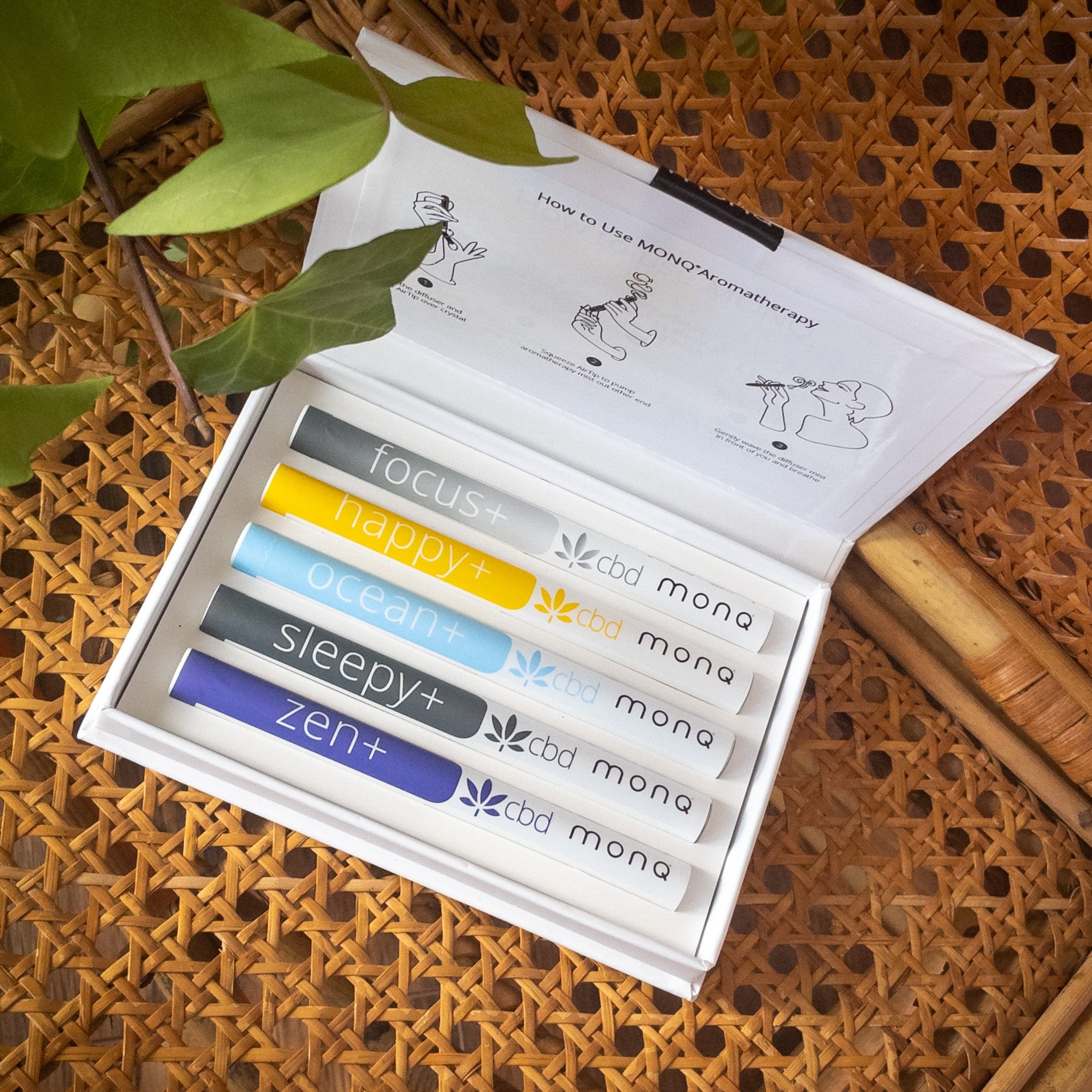
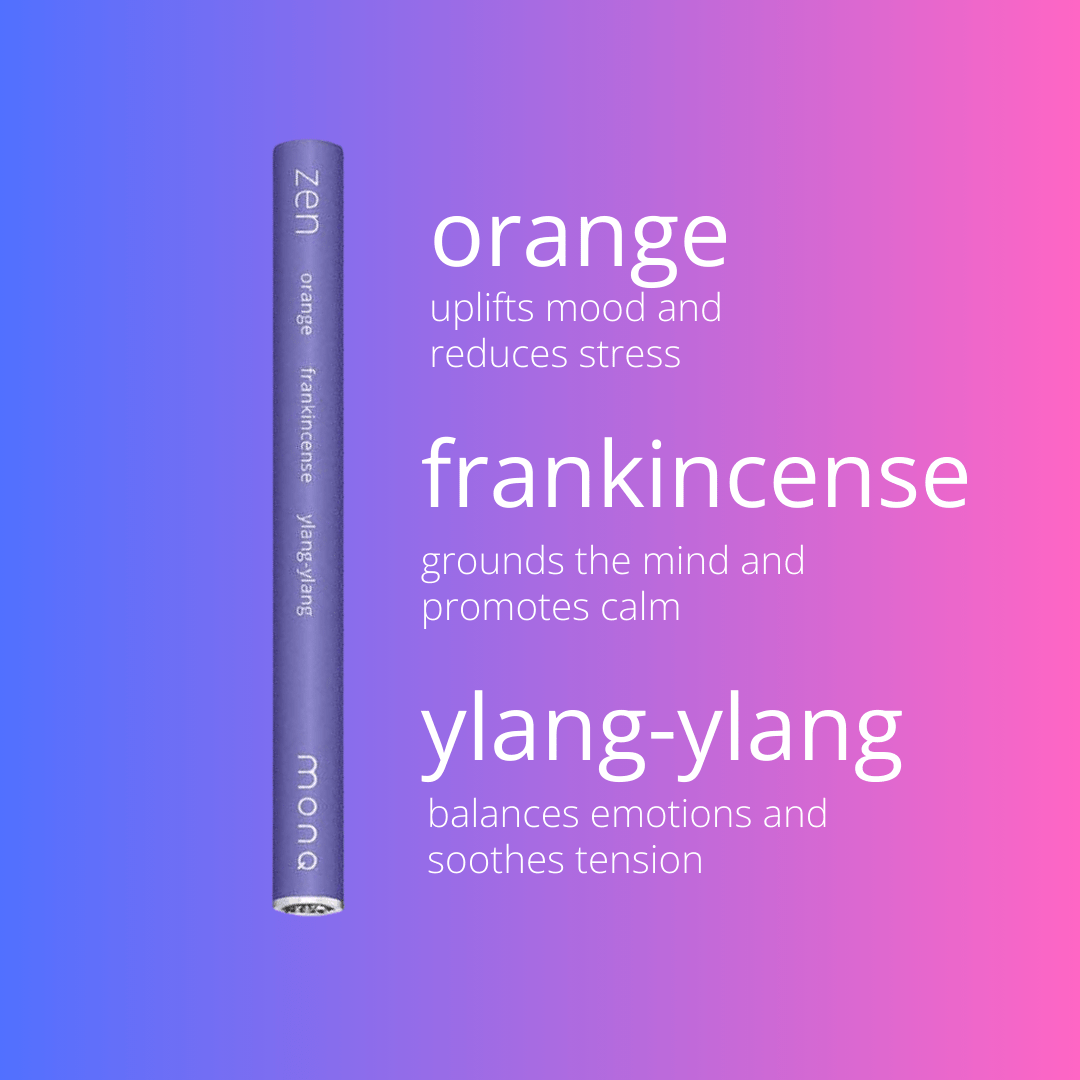
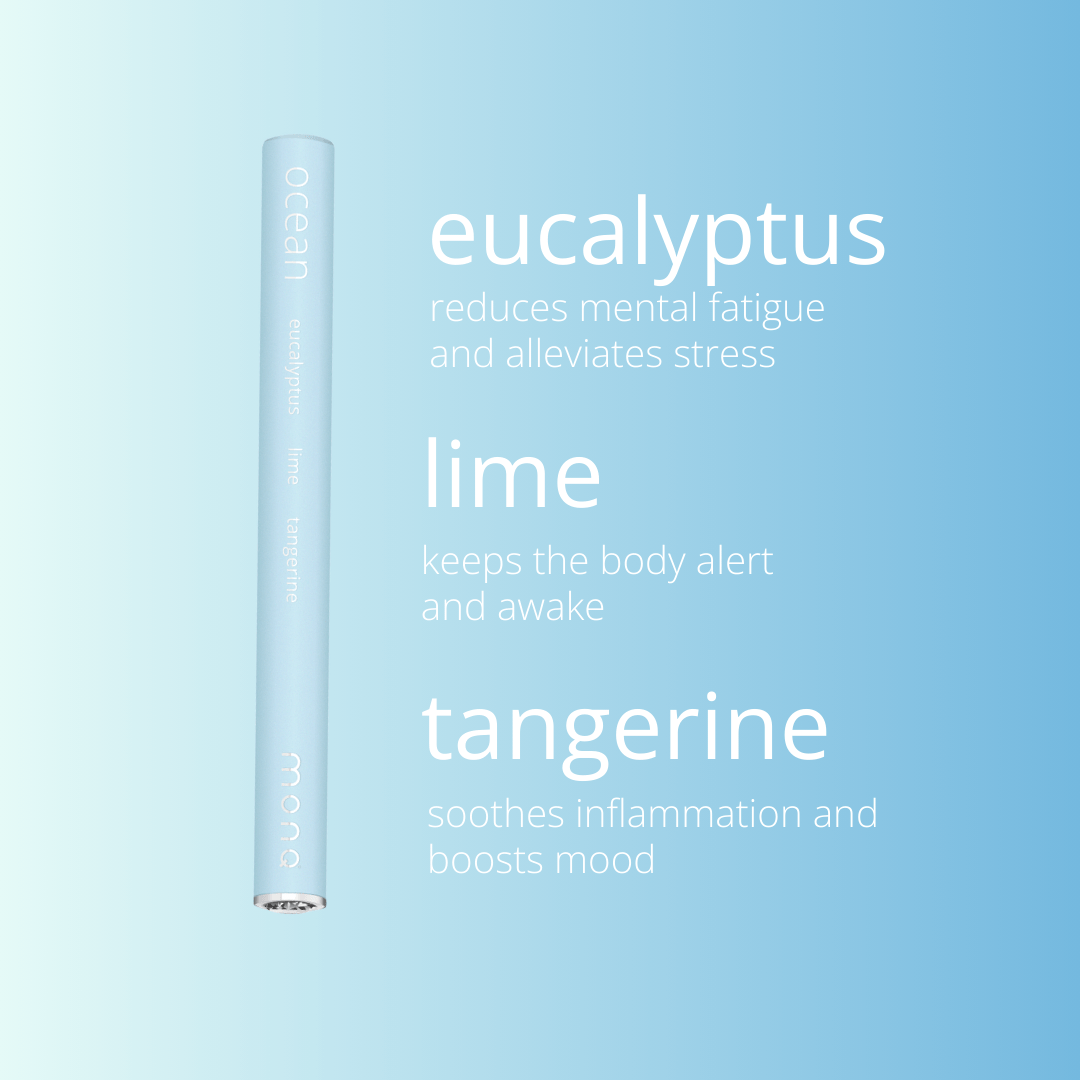
MONQ's portable fresh-scent diffuser and uplifting botanical blend both incorporate bright spring-ready essential oils designed for on-the-go use. Nicotine-free, no setup, ready the moment you open the package.
For more on how essential oils fit the changing seasons, see our companion guide: Spring Into Action: Popular Essential Oils for the Changing Seasons. If the season also brings nasal congestion or other symptoms, aromatherapy and seasonal transitions is worth a read. And for those exploring what terpenes actually are and why they matter, the terpene deficiency guide is a useful primer. Seasonal allergy support is one more dimension worth understanding as spring arrives.
Disclaimer: The above information is provided for general wellness and educational purposes only. Please note that while individual essential oil ingredients may have been shown to exhibit certain independent effects when used alone, the specific blends of ingredients contained in MONQ diffusers have not been tested. No specific claims are being made that use of any MONQ diffusers will lead to any of the effects discussed above. Additionally, please note that MONQ diffusers have not been reviewed or approved by the U.S. Food and Drug Administration. MONQ diffusers are not intended to be used in the diagnosis, cure, mitigation, prevention, or treatment of any disease or medical condition. If you have a health condition or concern, please consult a physician or your alternative health care provider prior to using MONQ diffusers. MONQ blends should not be inhaled into the lungs. Why? It works better that way. No Nicotine Ever. Inhale through the mouth, exhale through the nose. MONQ Diffusers are not intended for individuals under 18, or women who are pregnant or nursing.










Leave a comment