Geranium Essential Oil Uses

Geranium Essential Oil: Uses and Benefits
Geranium essential oil, steam-distilled from the leaves and stems of Pelargonium graveolens, carries one of the most complex and nuanced aromas in the essential oil world: rosy, herbal, green, and slightly earthy all at once. Its primary aromatic constituents include citronellol, geraniol, and linalool - compounds that contribute its characteristic floral-rosy depth. In aromatherapy practice, geranium oil is commonly associated with emotional balance, skin support, and the kind of softening, harmonizing quality that makes it useful in complex blends.
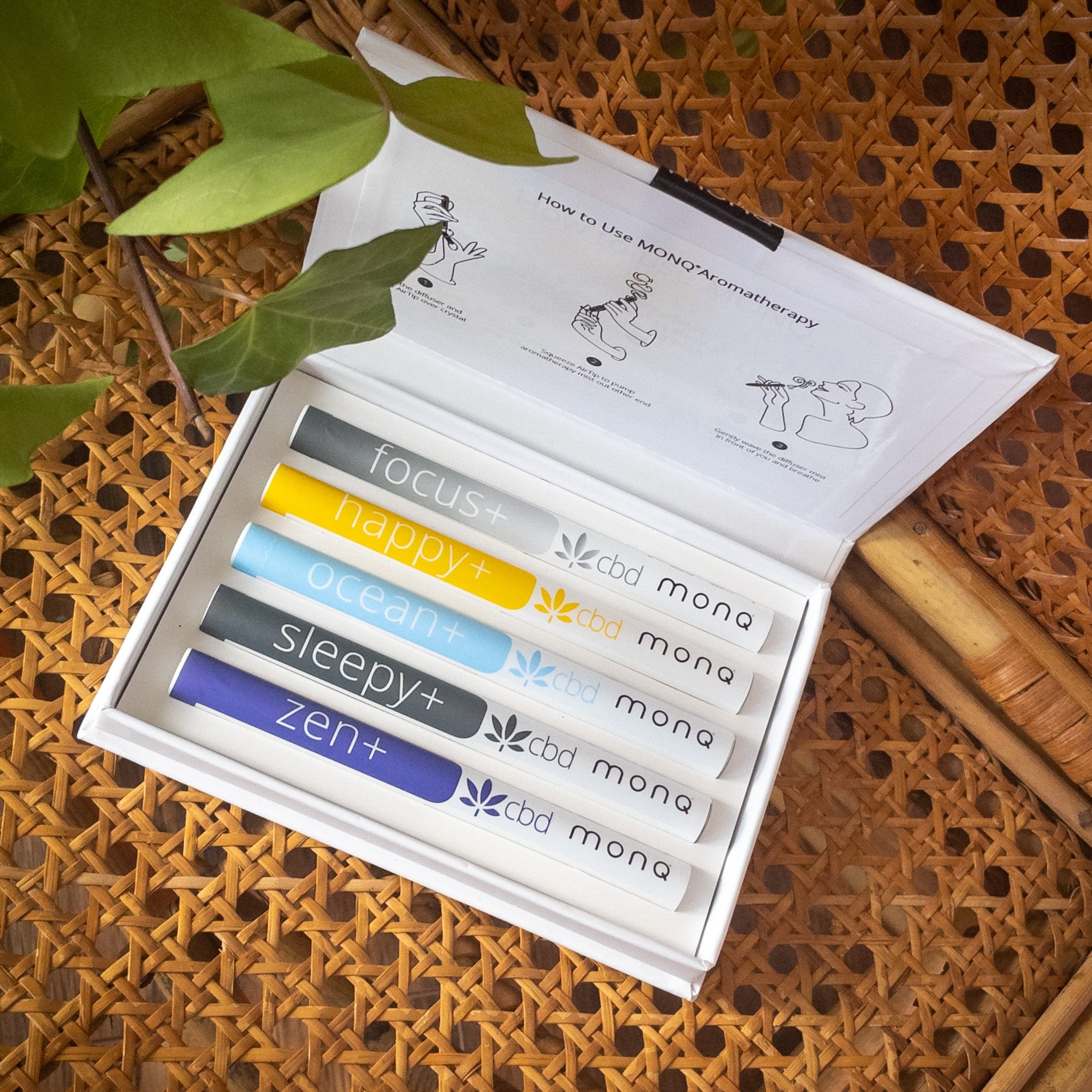
Geranium blends naturally with rose, lavender, bergamot, and cedarwood, and it appears in MONQ blends where a floral, grounding note is needed. If you are interested in other botanicals with similarly complex and culture-rich aromatic profiles, our guide to davana essential oil explores one of India's most distinctive aromatic plants - a botanical whose unusual chemistry gives it an aroma unlike anything else in the essential oil world.
Origins and Cultivation
While the genus Pelargonium is native to South Africa, the variety most prized for its essential oil (Pelargonium graveolens) has been cultivated extensively in Egypt, Morocco, Reunion Island, and China for commercial oil production. Egyptian and Reunion Island geranium oils are often considered benchmarks for quality, with Reunion (sometimes labeled "Bourbon" geranium) producing an oil particularly prized by perfumers for its rosy, nuanced top notes.
The harvest timing matters significantly for oil quality. Geranium leaves and stems are typically harvested before the plant flowers, when the concentration of aromatic compounds - particularly citronellol and geraniol - is at its highest. The oil yield is relatively modest compared to other botanicals, which contributes to geranium's position as a mid-to-premium range essential oil.
Geranium and Palmarosa
Geranium and palmarosa essential oil are natural aromatic companions - both are rich in geraniol and share a rosy, slightly grassy floral quality, though palmarosa's geraniol content (up to 85%) gives it a sweeter, more one-dimensional softness compared to geranium's more complex, slightly greener character.
Disclaimer: The above information is provided for general wellness and educational purposes only. Please note that while individual essential oil ingredients may have been shown to exhibit certain independent effects when used alone, the specific blends of ingredients contained in MONQ diffusers have not been tested. No specific claims are being made that use of any MONQ diffusers will lead to any of the effects discussed above. Additionally, please note that MONQ diffusers have not been reviewed or approved by the U.S. Food and Drug Administration. MONQ diffusers are not intended to be used in the diagnosis, cure, mitigation, prevention, or treatment of any disease or medical condition. If you have a health condition or concern, please consult a physician or your alternative health care provider prior to using MONQ diffusers. MONQ blends should not be inhaled into the lungs. Why? It works better that way. No Nicotine Ever. Inhale through the mouth, exhale through the nose. MONQ Diffusers are not intended for individuals under 18, or women who are pregnant or nursing.