

Using Meditation for Pain Relief
Pain is one of the most universal human experiences, and one of the most difficult to manage. Whether it is a persistent ache from an old injury, the slow burn of chronic inflammation, or the sharp discomfort that comes with everyday tension, pain shapes how we move, think, and feel. For centuries, contemplative traditions have taught that the mind has significant power over how the body experiences discomfort - and modern science is now catching up. A systematic review and meta-analysis of mindfulness meditation for chronic pain found consistent evidence that meditation can reduce pain intensity and improve quality of life for people living with persistent pain conditions.

There was a time when those who suffered from various forms of discomfort only had access to chemical solutions that many times brought on their own set of issues. While modern pharmacological approaches remain important, a growing body of research suggests that mindfulness meditation can work alongside conventional methods to reduce the perception of pain and improve emotional resilience. The National Center for Complementary and Integrative Health recognizes meditation as a practice with growing evidence for managing chronic pain, stress, and related conditions.
Even people who are not dealing with chronic pain often find that stress, tension, and the demands of daily life create low-level physical discomfort that accumulates over time. The good news is that meditation does not require years of practice to begin making a difference. Even short, regular sessions can shift how the brain processes pain signals.
What Does Science Say?
Numerous researchers have been studying how meditation affects the brain's relationship with pain, and the results have been striking. One key study demonstrated that mindfulness meditation produced profound changes in how older adults experienced chronic pain, with participants describing feeling "like a new person" after regular practice. The study found that meditation helped participants develop a different relationship with their discomfort - not eliminating it, but fundamentally changing how they responded to it.
Another body of research has focused specifically on how mindfulness compares to conventional approaches. A randomized controlled trial on mindfulness meditation in older adults found that structured meditation practice led to measurable improvements in pain perception and daily functioning. These findings align with what Healthline's comprehensive guide to meditation for chronic pain summarizes: meditation works not by blocking pain signals, but by changing the brain's interpretation of those signals.

The science behind this is rooted in neuroplasticity - the brain's ability to reorganize itself. Regular meditation practice has been shown to alter activity in the anterior cingulate cortex and the insula, two brain regions heavily involved in processing the emotional dimensions of pain. In essence, meditation does not make the physical sensation disappear, but it can dramatically reduce the suffering that comes with it. WebMD's guide to mindfulness explains how this awareness-based approach can support both mental and physical health over time.
This distinction between pain and suffering is critical. Pain is a sensory signal. Suffering is the emotional and psychological response to that signal - the worry, the frustration, the fear that it will never end. Meditation targets the suffering layer, which is often where the greatest burden lies. For more on the relationship between our mental state and our environment, explore how your surroundings can contribute to stress and how small environmental changes can support well-being.
Techniques for Using Meditation for Pain Relief
There are several meditation techniques that have shown particular promise for supporting comfort and reducing the emotional weight of persistent discomfort. Each works through a slightly different mechanism, and many people find that combining techniques or rotating between them produces the best results.
The two most widely studied approaches are the body scan technique and the mindfulness-awareness technique. Both are accessible to beginners and can be practiced in as little as 10 to 15 minutes per day. Medical News Today's guide to types of meditation provides an excellent overview of how these and other methods compare.
The Body Scan Mindful Meditation Technique
The body scan is one of the most commonly recommended meditation practices for people dealing with physical discomfort. It involves systematically directing your attention to each part of your body, starting from your toes and moving slowly upward to the crown of your head, noticing whatever sensations are present without trying to change them.
To begin, find a comfortable position - either sitting or lying down - and close your eyes. Take a few deep breaths to settle in. Then begin directing your attention to your feet. Notice any sensations: warmth, tingling, pressure, numbness, or discomfort. Do not judge what you feel. Simply observe it.
Slowly move your attention upward through your ankles, calves, knees, thighs, hips, lower back, abdomen, chest, shoulders, arms, hands, neck, and finally your head and face. At each station, spend 30 seconds to a minute simply noticing. When your mind wanders - and it will - gently bring it back to the body part you were focused on.
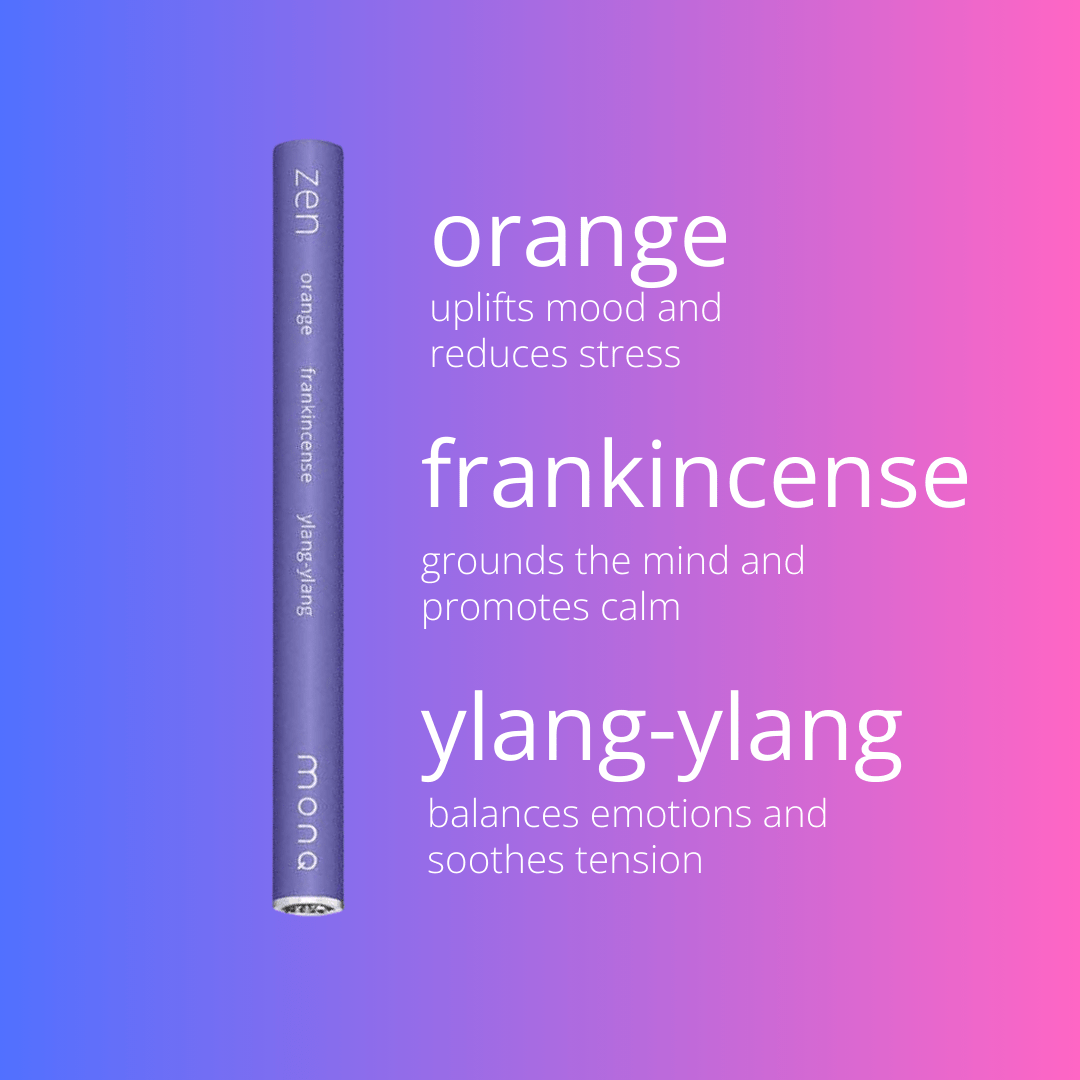
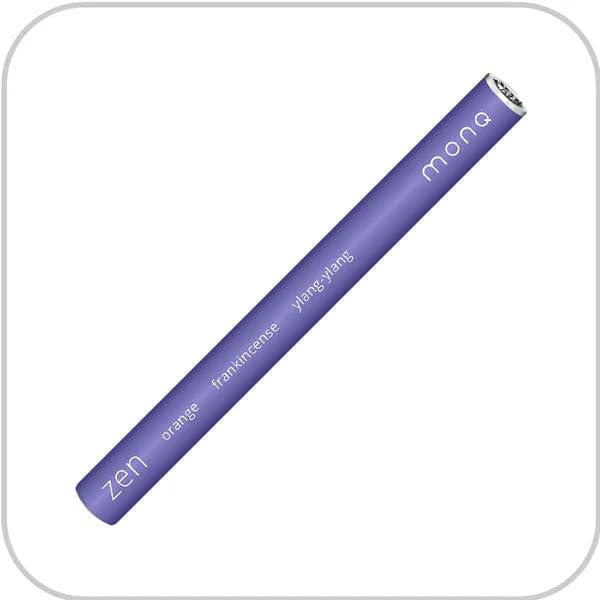
The power of the body scan lies in its ability to shift your relationship with physical sensation. Most people unconsciously tense against pain, bracing and resisting in ways that actually amplify discomfort. The body scan teaches you to observe without resistance, which often leads to a surprising reduction in the intensity of the sensation itself. Pairing a body scan practice with the calming aromatic compounds in Zen MONQ - which contains frankincense, orange, and ylang ylang - can create a multi-sensory environment that supports deeper relaxation.

Mindfulness-Awareness Technique
While the body scan moves systematically through the body, the mindfulness-awareness technique takes a broader approach. Instead of scanning sequentially, you simply sit in stillness and notice whatever arises - thoughts, sounds, physical sensations - without attaching to any of them.
Begin by sitting comfortably with your eyes closed. Focus on your breathing for a few minutes to anchor your attention. Then gradually expand your awareness to include your entire body and the space around you. When a sensation of discomfort arises, acknowledge it without trying to push it away or analyze it. You might silently note "tightness" or "warmth" and then let your attention move on.
This technique is particularly effective for people who find that focusing directly on a painful area (as in the body scan) initially feels too intense. The broader awareness allows you to hold discomfort in context - it becomes one part of your experience rather than the dominant feature. Over time, this reframing can fundamentally shift how your nervous system responds to pain signals. The practice of combining terpenes with meditation can deepen this process by engaging the olfactory system's direct connection to the brain's emotional centers.
Creating a Supportive Environment for Pain-Relief Meditation
The environment in which you meditate matters more than most people realize. Research on multi-sensory wellness suggests that aligning visual, auditory, and olfactory cues can significantly deepen a meditative state. Here are practical steps for creating an optimal meditation environment for managing discomfort.
Scent and Aromatherapy
The olfactory system is the only sense that connects directly to the limbic system - the brain's emotional processing center - without first passing through the thalamus. This means scent can influence mood and emotional state faster than any other sensory input. Linalool, the primary terpene in lavender, has been extensively studied for its calming properties. The NIH's National Center for Complementary and Integrative Health recognizes aromatherapy as a complementary approach that uses essential oils to support wellness.
Using a personal aromatherapy diffuser during meditation adds a grounding sensory anchor that can help maintain focus. Relieve MONQ was designed with this kind of supportive intention in mind, combining essential oils traditionally associated with physical comfort. For evening meditation sessions, Sleepy MONQ can support the transition into restful sleep - itself one of the most important factors in managing chronic discomfort.
Visual Environment
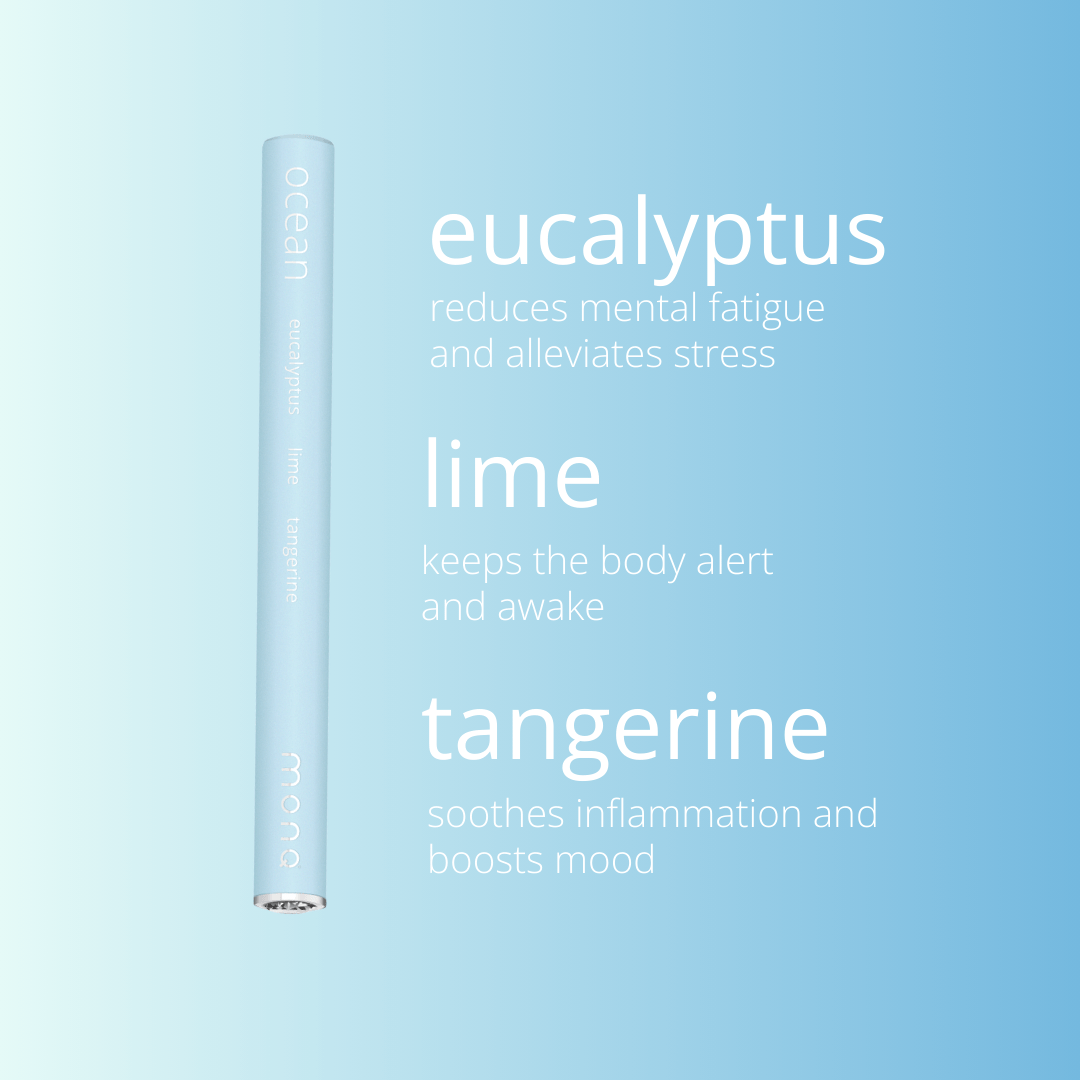
Cool colors - particularly blues and greens - have been shown to support calm and reduce physiological stress markers. If possible, meditate in a space with natural light, plants, or views of nature. Even a single green plant in your meditation space can make a measurable difference. The connection between natural green environments and aromatherapy reflects a deep evolutionary relationship between humans and the natural world.
Sound
Silence works for some. Others prefer soft ambient sounds - rain, ocean waves, or singing bowls - to mask distracting noise and create a consistent auditory environment. The key is consistency: using the same sounds and scents each time you meditate helps your brain associate those cues with the relaxation response, making it easier to drop into a meditative state with practice.
Building a Daily Practice
The research is clear that consistency matters more than duration. Ten minutes of daily meditation will produce better results over time than an hour-long session once a week. Here is a simple framework for building a sustainable practice.
Start with just five minutes per day. Set a timer so you do not have to think about when to stop. Choose one technique - body scan or mindfulness-awareness - and stick with it for at least two weeks before evaluating or switching. Meditate at the same time each day to build the habit. Many people find that morning meditation sets the tone for how they respond to discomfort throughout the day, while evening practice supports better sleep.
As your practice develops, gradually extend your sessions to 15 to 20 minutes. You may also begin to notice that the skills you develop during formal meditation - the ability to observe without reacting, to notice tension without bracing against it - begin to show up in your daily life outside of meditation. This is the real transformation: not a technique you use for 15 minutes, but a new way of relating to your body that operates throughout the day.
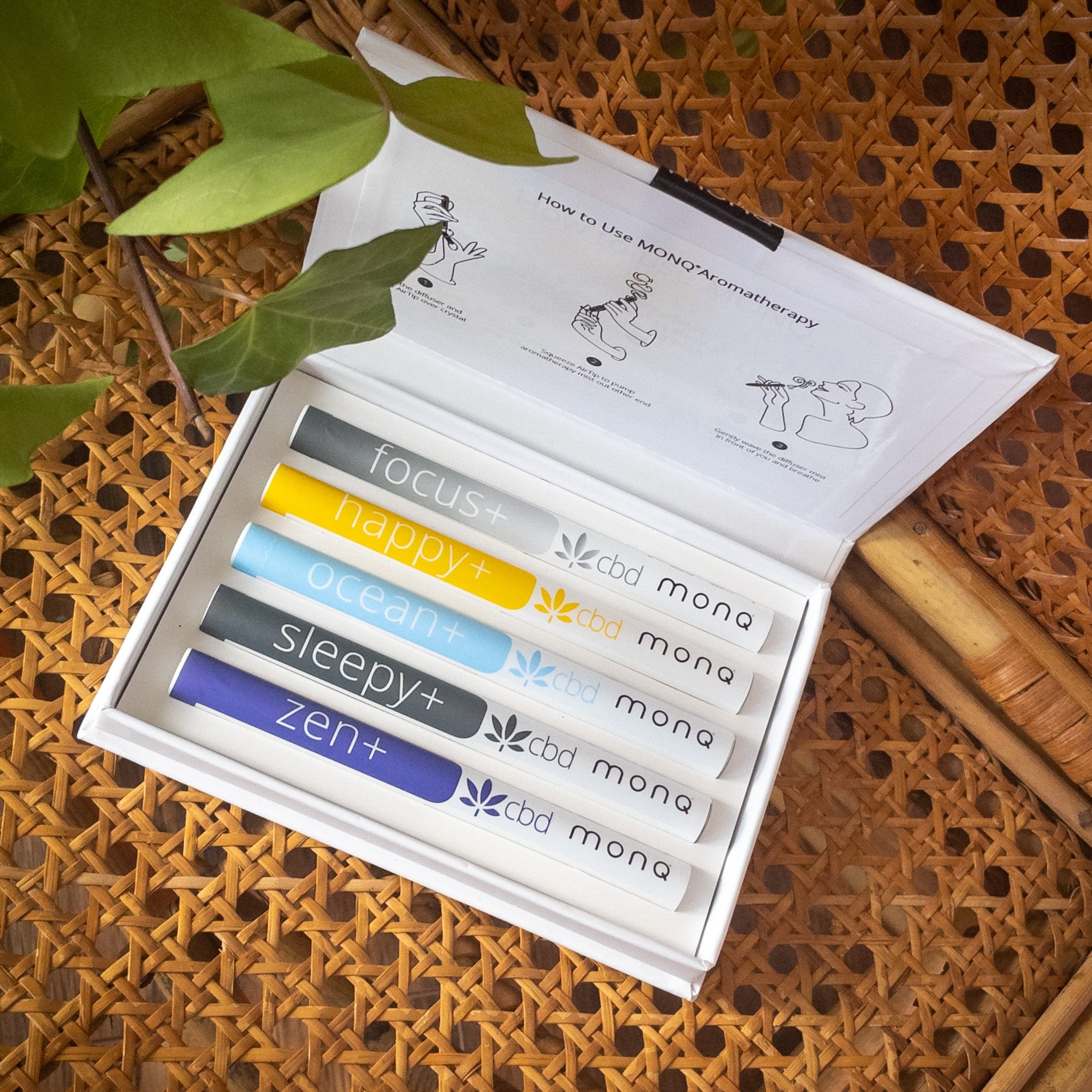
Explore how intentional breathing with MONQ can complement your practice, and discover the full range of MONQ blends designed for mood, focus, sleep, and relaxation. Whether you are working with chronic discomfort or simply looking for a way to find balance between energy and calm, meditation combined with aromatherapy offers a natural, accessible path forward.

Final Thoughts
Pain is inevitable. Suffering - as the contemplative traditions have taught for millennia - is more optional than most people realize. The scientific evidence now supports what meditators have long known: that the mind has real, measurable power over how the body experiences discomfort. You do not need to be a monk or a yogi to access this. You just need a quiet space, a few minutes, and the willingness to sit with whatever arises.
Explore the magical dance of aromas in nature, or browse the full collection of MONQ diffusers to find the blend that supports your practice. Peace MONQ, with its blend of frankincense, rosemary, and yellow mandarin, was crafted for exactly these moments of intentional stillness.
Disclaimer: The above information is provided for general wellness and educational purposes only. Please note that while individual essential oil ingredients may have been shown to exhibit certain independent effects when used alone, the specific blends of ingredients contained in MONQ diffusers have not been tested. No specific claims are being made that use of any MONQ diffusers will lead to any of the effects discussed above. Additionally, please note that MONQ diffusers have not been reviewed or approved by the U.S. Food and Drug Administration. MONQ diffusers are not intended to be used in the diagnosis, cure, mitigation, prevention, or treatment of any disease or medical condition. If you have a health condition or concern, please consult a physician or your alternative health care provider prior to using MONQ diffusers. MONQ blends should not be inhaled into the lungs. Why? It works better that way. No Nicotine Ever. Inhale through the mouth, exhale through the nose. MONQ Diffusers are not intended for individuals under 18, or women who are pregnant or nursing.










Leave a comment