Pinene Terpene Profile

Pinene: What It Is and What It Does
Alpha-pinene is one of the most abundant terpenes found in nature - and one of the most recognizable. It is the primary chemical compound responsible for the sharp, clean scent of pine forests, fir trees, and many coniferous plants. Named after the pine genus Pinus, alpha-pinene appears across a wide range of botanical sources including rosemary, eucalyptus, Douglas fir, sage, and frankincense.
Terpenes like pinene are volatile aromatic compounds produced by plants, originally evolved as a defense mechanism against insects and environmental stress. For humans, these same compounds interact with our olfactory system in ways researchers are only beginning to fully understand. Alpha-pinene is a bicyclic monoterpene - meaning its molecular structure forms two fused rings - which gives it both its distinctive scent and its characteristic behavior when inhaled.
The Aromatic Profile of Pinene
Alpha-pinene has a crisp, resinous, forest-like scent with sharp green undertones and a slight sweetness. It is often described as smelling like a walk through a pine forest after rain - clean, expansive, and grounding at the same time. The related compound beta-pinene shares the same molecular formula but a slightly different structure, producing a woodier, more herbal variation of the same base note.
Pinene is extracted primarily through steam distillation of conifer needles and bark. In eucalyptus essential oil - a significant source - pinene is present alongside the dominant compound 1,8-cineole, contributing to that characteristic clean, penetrating quality. In frankincense, pinene is one of several terpenes that give the resin its complex, meditative character.
Wellness Research on Pinene
Alpha-pinene has been studied within the broader context of forest bathing research - the practice known in Japan as shinrin-yoku. Studies measuring air composition in coniferous forests consistently identify alpha-pinene as one of the dominant compounds inhaled during outdoor forest time. Researchers have used this context to explore how pinene-rich environments may support relaxation and mental clarity.
Laboratory studies have examined alpha-pinene's interaction with acetylcholinesterase, an enzyme involved in memory and cognitive signaling. Research published in botanical pharmacology journals suggests that alpha-pinene may help inhibit this enzyme, which has drawn interest from researchers studying aromatic compounds and cognitive support. These are preliminary findings in controlled settings - not clinical recommendations - but they point to why pinene-containing botanicals have such a long history of use in focus and clarity traditions.
Research also indicates that alpha-pinene may have anti-inflammatory properties at a cellular level. Studies on isolated compounds suggest it may modulate certain inflammatory pathways, which aligns with its traditional use in botanical wellness practices across many cultures.
Pinene in Aromatherapy
In aromatherapy practice, pinene-containing oils are typically associated with clarity, focus, and a sense of expansive mental space. The scent profile is naturally invigorating without being stimulating in the way citrus or peppermint can be - it has a settled, grounded quality that many people associate with being outdoors in fresh air.
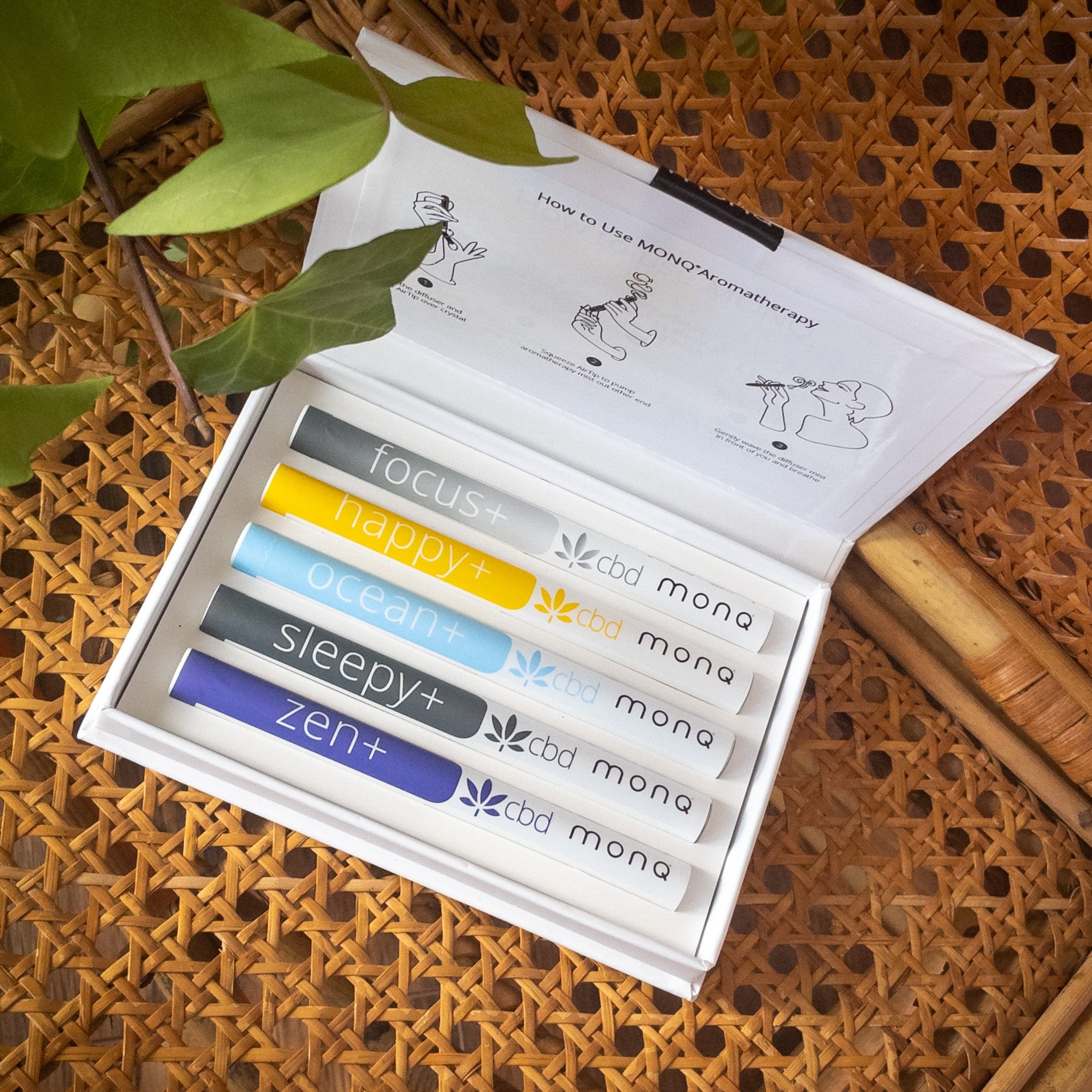
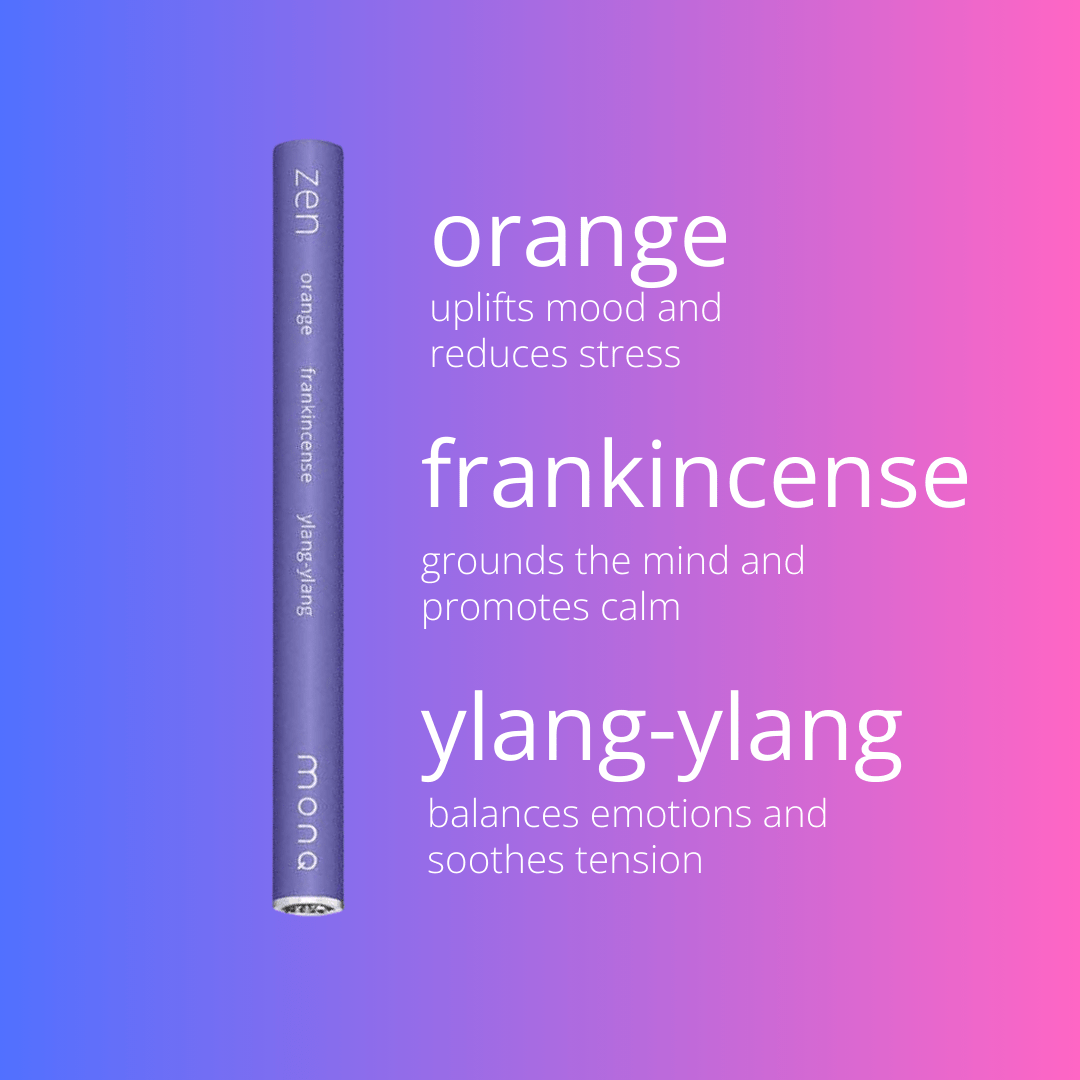
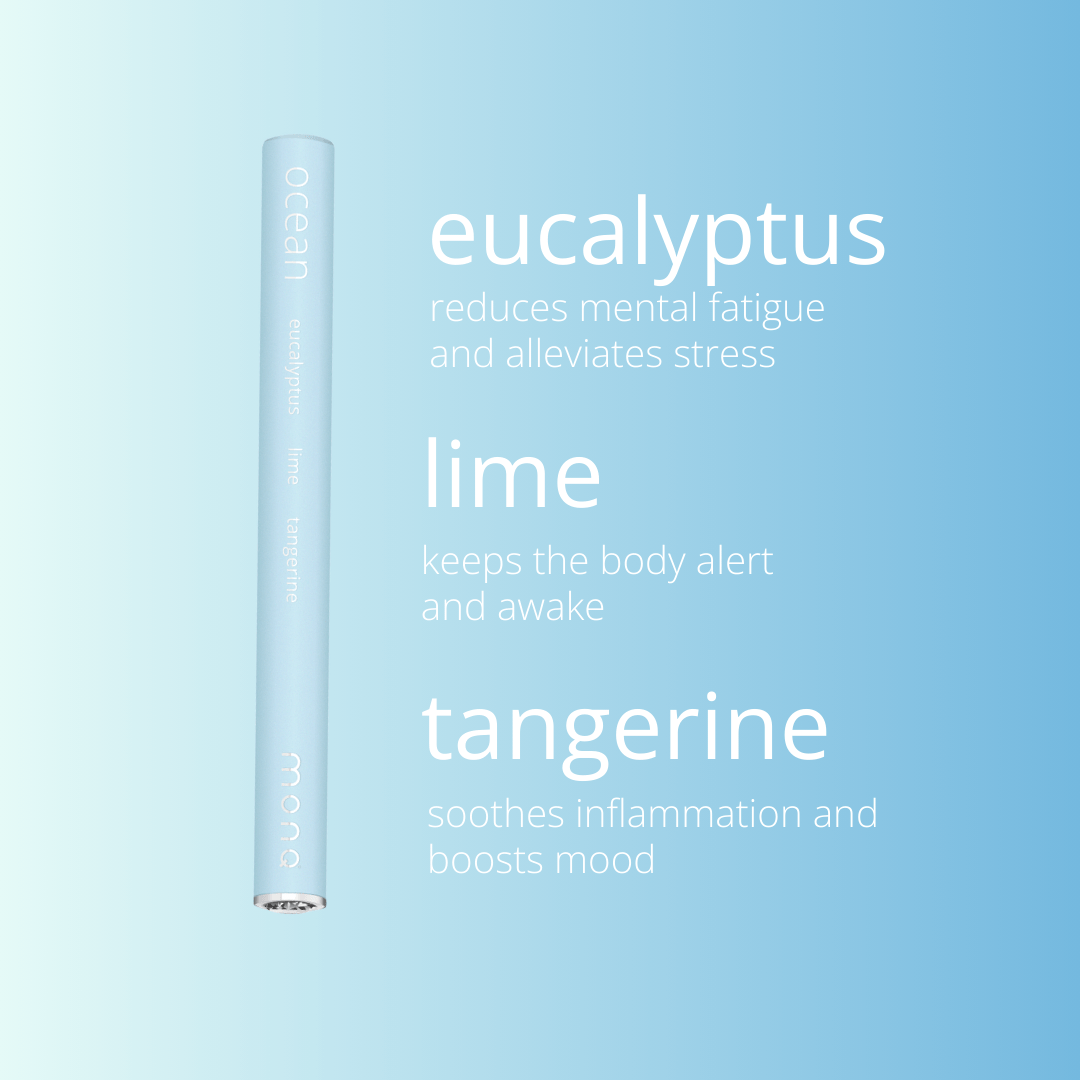
Forest MONQ is built around Siberian Fir, Frankincense, Pinyon Pine, and Douglas Fir - three botanicals that are rich sources of alpha-pinene. The result is a blend that genuinely evokes the coniferous forest atmosphere that pinene research references. Ocean MONQ, featuring Eucalyptus alongside Lime and Peppermint, draws on eucalyptus as another significant pinene source, producing a cleaner, more bracing expression of the same terpene family.
If you are exploring how aromatherapy can support focus and mental clarity, the aromatherapy for stress guide offers useful context for understanding how scent interacts with the nervous system.
Terpene Connections
Pinene does not work in isolation in nature - and understanding its context within the broader terpene landscape deepens the picture. Myrcene, another abundant terpene in many botanicals, often appears alongside pinene in coniferous plants and contributes a more earthy, relaxing quality that can balance pinene's sharpness. Limonene, the dominant terpene in citrus peels, frequently appears alongside pinene in eucalyptus and pine sources, creating the bright-yet-grounded scent that characterizes many forest botanicals.
This terpene synergy - where multiple compounds work together to create an aromatic effect greater than any single ingredient - is part of what makes whole botanical extracts different from single isolated compounds. MONQ blends are formulated with this complexity in mind.
Frequently Asked Questions
- What does alpha-pinene smell like?
- Alpha-pinene has a sharp, clean, resinous scent - the characteristic smell of pine forests, fresh fir needles, and coniferous trees. It is crisp and green with a slightly sweet undertone.
- Which plants are highest in alpha-pinene?
- Pine trees, fir trees, rosemary, eucalyptus, frankincense resin, and sage are among the richest botanical sources of alpha-pinene. It is one of the most widely distributed terpenes in the plant kingdom.
- Is pinene found in MONQ diffusers?
- Forest MONQ (Siberian Fir, Frankincense, Pinyon Pine, Douglas Fir) and Ocean MONQ (Eucalyptus, Lime, Tangerine) both feature botanicals that are significant natural sources of alpha-pinene.
- What is the difference between alpha-pinene and beta-pinene?
- Alpha-pinene and beta-pinene are structural isomers - same atoms, different arrangement. Alpha-pinene has the sharper, more piney scent profile. Beta-pinene lends a woodier, slightly herbal note. Both appear together in many natural botanical sources.
Learn how to use MONQ for the best aromatic experience →
Disclaimer: The above information is provided for general wellness and educational purposes only. Please note that while individual essential oil ingredients may have been shown to exhibit certain independent effects when used alone, the specific blends of ingredients contained in MONQ diffusers have not been tested. No specific claims are being made that use of any MONQ diffusers will lead to any of the effects discussed above. Additionally, please note that MONQ diffusers have not been reviewed or approved by the U.S. Food and Drug Administration. MONQ diffusers are not intended to be used in the diagnosis, cure, mitigation, prevention, or treatment of any disease or medical condition. If you have a health condition or concern, please consult a physician or your alternative health care provider prior to using MONQ diffusers. MONQ blends should not be inhaled into the lungs. Why? It works better that way. No Nicotine Ever. Inhale through the mouth, exhale through the nose. MONQ Diffusers are not intended for individuals under 18, or women who are pregnant or nursing.