Ginger Essential Oil Uses

Ginger Essential Oil: What It Is and What It Does
Ginger essential oil is steam-distilled from the rhizome of Zingiber officinale - the same root used in cooking, traditional medicine, and ceremonial practice across Asia, South Asia, and the Middle East for more than 5,000 years. In essential oil form, ginger's aromatic profile is concentrated and complex: warm, spicy, slightly woody, and earthy, with a dry heat that differs meaningfully from the fresh, bright quality of raw ginger root.
The essential oil contains a range of active compounds including zingiberene (its dominant sesquiterpene), curcumene, bisabolene, and smaller amounts of geranial and neral - all of which contribute to its distinctive warming aromatic character. Ginger was prized in ancient trade routes, valued not just as a culinary spice but as an aromatic medicine with documented use in Ayurveda, Traditional Chinese Medicine, and ancient Greek and Roman practice.
The Aromatic Profile of Ginger Essential Oil
Ginger essential oil has a warm, spicy, woody, and slightly sweet aromatic profile. Its dominant terpene, zingiberene, produces the characteristic dry spice quality, while geranial contributes a softer, lemony brightness. The overall scent is warming and invigorating without the sharp intensity of black pepper or the pungent heat of clove - it occupies a middle ground that is simultaneously energizing and grounding.
Steam distillation of ginger rhizome produces an oil with a pale yellow to amber color. CO2 extraction produces a slightly fuller aromatic profile that more closely resembles fresh ginger root, capturing more of the volatile top notes that are lost in steam distillation. In aromatherapy practice, steam-distilled ginger is more commonly used and is what most commercial ginger essential oils represent.
Wellness Research on Ginger Essential Oil
Ginger's bioactive compounds have been extensively studied, though much of the published research focuses on the raw root and its gingerol compounds rather than the essential oil specifically. Research on the essential oil has examined its aromatic effects separately from its ingested or topical applications.
Studies on ginger's effect when inhaled have looked at nausea reduction - with some clinical trials finding that ginger aromatherapy may reduce nausea perception in post-operative and pregnancy-related contexts. Research has also examined ginger oil's antimicrobial and anti-inflammatory properties at a cellular level, finding activity against several common bacterial strains and inflammatory markers. Zingiberene, the primary terpene in ginger essential oil, has been studied for its potential effects on inflammatory pathways.
In traditional medicine contexts, ginger aromatherapy has long been associated with energizing, warming, and mood-lifting effects - a usage pattern consistent with modern research suggesting that warming aromatic compounds can activate physiological responses associated with alertness and positive affect.
Ginger Essential Oil in Aromatherapy
In aromatherapy practice, ginger essential oil is used to add warmth, depth, and a grounding spice note to blends. It blends well with citrus oils (where it creates a warm-bright contrast), with woods and resins (where it adds a spicy-earthy dimension), and with other root-derived botanicals.
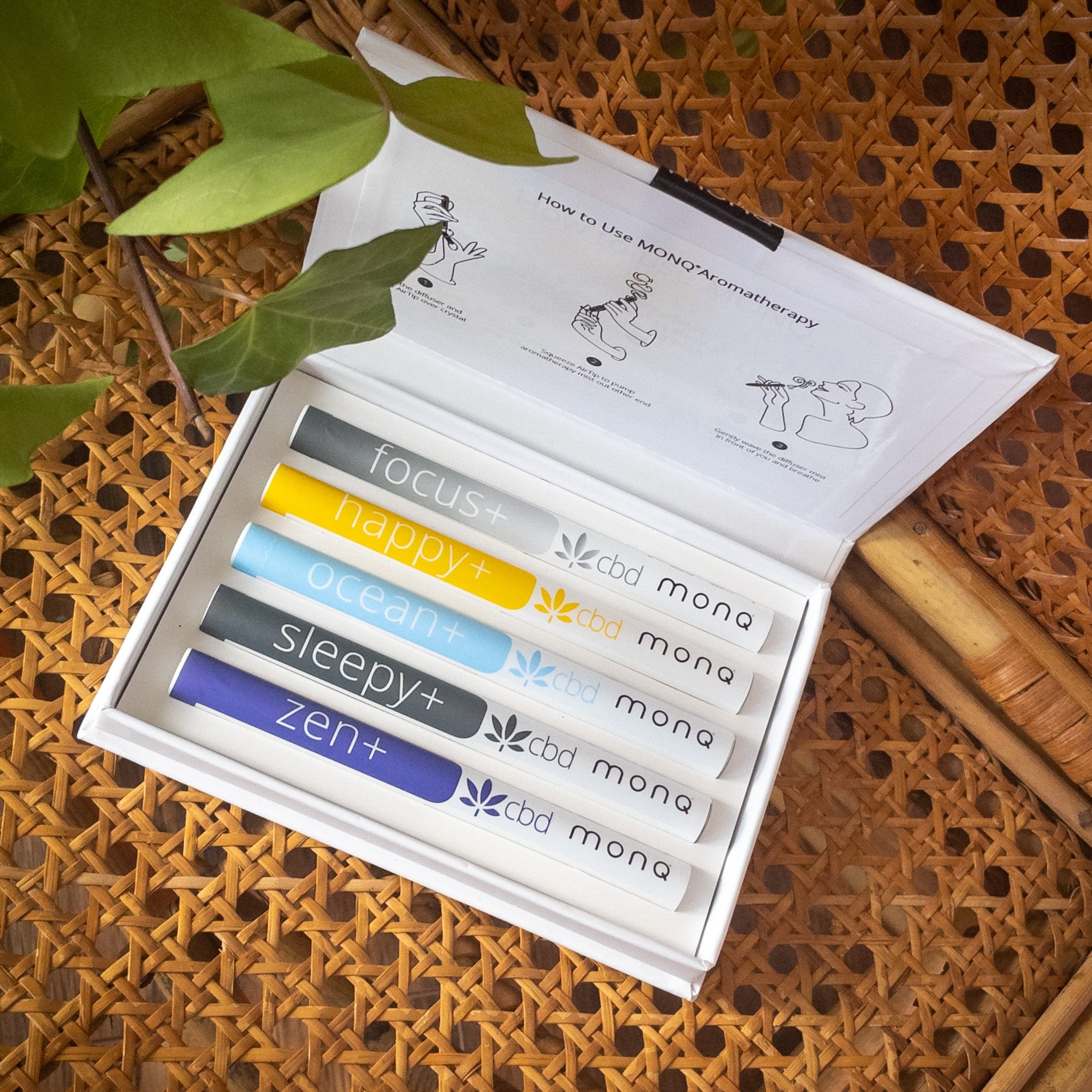
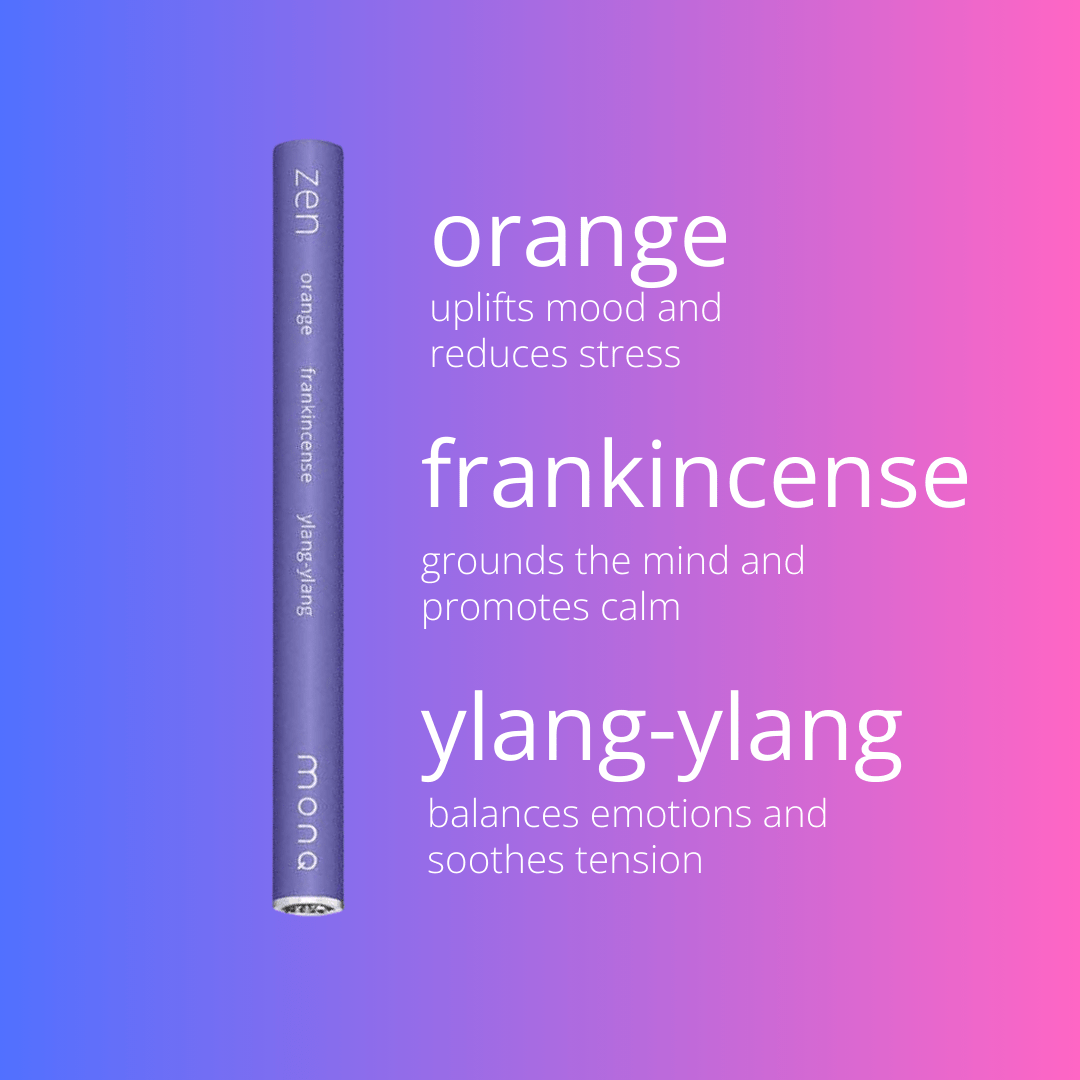
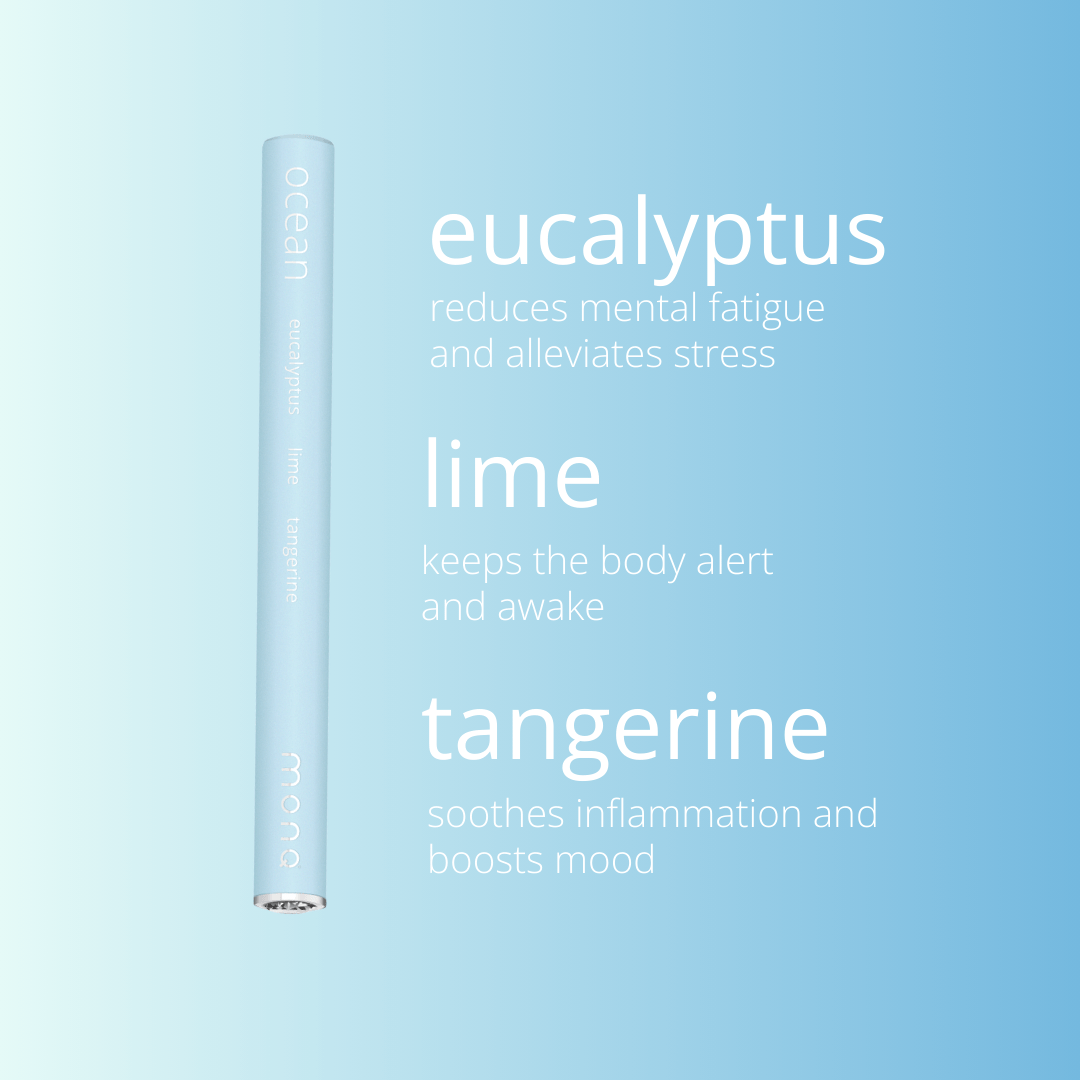
Ginger's warming aromatic profile makes it a natural companion in blends associated with physical comfort, energy, and emotional warmth. While ginger is not a confirmed ingredient in MONQ's standard diffuser blends, it belongs to the same aromatic tradition as other warming botanicals in the MONQ ecosystem - including clove in Relieve MONQ and frankincense in Zen MONQ. Browse the full MONQ collection to find blends that capture similar warming, grounding aromatic qualities.
Understanding how to experience aromatherapy correctly makes a meaningful difference in the aromatic experience - the how to use MONQ guide covers the retro-nasal technique that allows the scent to interact most directly with the olfactory system.
Terpene Connections
Ginger essential oil is sesquiterpene-dominant - zingiberene, its primary compound, is a 15-carbon sesquiterpene rather than the 10-carbon monoterpenes that make up most of the terpenes discussed in this guide. This gives ginger's aromatic character a different weight and persistence than, say, limonene or pinene.
Ginger does contain some amounts of curcumene - a sesquiterpene it shares with turmeric - as well as bisabolene, which also appears in chamomile. These overlapping terpene signatures are part of what creates the aromatic family resemblances between warming, root-derived botanicals across many different cultural traditions.
Frequently Asked Questions
- What does ginger essential oil smell like?
- Ginger essential oil has a warm, spicy, woody, and slightly sweet scent. It is less sharp than raw ginger root but retains the characteristic dry heat and depth that makes ginger instantly recognizable. The top notes are slightly lemony; the base is earthy and resinous.
- How is ginger essential oil extracted?
- Ginger essential oil is most commonly produced through steam distillation of dried or fresh ginger rhizome. CO2 extraction is also used and tends to preserve more of the fresh root's aromatic character.
- Is ginger essential oil safe to use in aromatherapy?
- Ginger essential oil is considered generally safe for aromatherapy use when properly diluted. As with all essential oils, it should not be applied directly to skin without a carrier oil and should not be inhaled into the lungs. With MONQ, you inhale through the mouth and exhale through the nose - allowing the aroma to engage the olfactory system without reaching the lungs.
- What is ginger essential oil used for in traditional medicine?
- Across Ayurvedic, Traditional Chinese, and ancient Mediterranean traditions, ginger root preparations have been used for digestive support, warming, and invigoration. In aromatherapy, ginger essential oil is associated with energy, warmth, and emotional uplift - though these are traditional uses, not medical claims.
Learn how to use MONQ for the best aromatic experience →
Disclaimer: The above information is provided for general wellness and educational purposes only. Please note that while individual essential oil ingredients may have been shown to exhibit certain independent effects when used alone, the specific blends of ingredients contained in MONQ diffusers have not been tested. No specific claims are being made that use of any MONQ diffusers will lead to any of the effects discussed above. Additionally, please note that MONQ diffusers have not been reviewed or approved by the U.S. Food and Drug Administration. MONQ diffusers are not intended to be used in the diagnosis, cure, mitigation, prevention, or treatment of any disease or medical condition. If you have a health condition or concern, please consult a physician or your alternative health care provider prior to using MONQ diffusers. MONQ blends should not be inhaled into the lungs. Why? It works better that way. No Nicotine Ever. Inhale through the mouth, exhale through the nose. MONQ Diffusers are not intended for individuals under 18, or women who are pregnant or nursing.