

Ylang Ylang Essential Oil - An All Natural Oil To Boost Health, Mood, and Energy Levels
Ylang-ylang essential oil has been treasured for centuries across Asia and the South Pacific - valued for its richly sweet floral scent, its deep roots in traditional wellness practice, and its remarkable range of beneficial properties. Inhaled aromatically through the nose, ylang-ylang is one of nature's most distinctive botanicals, and it's a key ingredient used in mindfulness exercises.

The ylang-ylang tree produces distinctive star-shaped flowers that are the source of this treasured essential oil.
History of Ylang-Ylang
The ylang-ylang essential oil comes from the beautiful, long, and almost banana-like flowering petals of the ylang-ylang tree. Named the "flower of flowers," this tropical plant has an incredibly sweet and floral scent recognizable from some distance - even in the middle of a crowded tropical jungle or an urban garden.
A critical ingredient in the legendary perfume formulation that makes Chanel No. 5, this essential oil has been used for bath, skin, and body purposes for hundreds of years. Research into its chemical composition confirms what traditional practitioners knew intuitively: this oil is exceptionally bioactive.
Utilization of the ylang-ylang essential oil stretches back centuries to Indonesia, where indigenous people used the oils of this plant to thicken and add body to their hair - making it one of the original natural hair care ingredients in recorded history.
Today, we understand and appreciate the many benefits of ylang-ylang essential oil that our ancestors had only begun to discover. It's one of the most popular essential oils available, and the rest of this guide explains why.
This Flower of Flowers Can Change Your Life Forever
Found commonly in the tropical rainforests of Asia and the South Pacific - particularly in Indonesia, the Philippines, on Sumatra, Java, and Polynesia - the ylang-ylang flower comes from the ylang-ylang tree, and that's the foundation of this essential oil.
With a number of different types and grades of this essential oil available on the market, it's important to find the right solution with the right properties, the right potency, and the right level of "first extraction." Ylang-ylang Extra Oil is considered by most to be the very best quality - produced ONLY from the very first extraction, which results in Extra Oil containing the highest level of esters and the sweetest, most tropical scent possible.
Hundreds of years ago, indigenous people living in the Philippines brought these plants to village healers to create an oil and ointment used to support skin health and soothe irritation. In other South Pacific islands, the people used this oil as the main ingredient in "Makassar Oil," a preparation that became incredibly popular in England during the Victorian era.
The people of Indonesia not only appreciate the ylang-ylang flowers for the essential oil they make possible, but also consider it one of life's most potent mood-lifters - a central part of newlywed celebrations for generations.
Around the beginning of the 20th century, French chemists began experimenting with the essential oils obtained from the first pressings of the ylang-ylang flowers. They discovered it had a broad range of wellness applications that have since been studied scientifically, particularly for its calming and antimicrobial properties. Modern research has confirmed ylang-ylang's antimicrobial and anti-biofilm activity, supporting what traditional practitioners observed centuries ago.
Our ancestors also utilized the ylang-ylang plant (in both Eastern and Western wellness traditions) for its relaxing and restorative effects - its ability to reduce feelings of tension, promote calm, and ease away irritability.

Ylang-ylang essential oil is steam-distilled from the fresh flowers of the Cananga odorata tree.
Chemical Composition of Ylang-Ylang Essential Oil
The very best ylang-ylang essential oil is produced by the first pressing of the flowers. Quality essential oils can also be produced by the second pressing. After that, active ingredient levels drop significantly.
Ylang-ylang oil has a unique chemical composition. It includes a number of different bioavailable chemical compounds that interact positively with the body's own biochemistry. The composition of these chemical constituents is readily absorbed through inhalation and skin, allowing you to begin experiencing its effects relatively quickly.
Some of the terpenes contained within ylang-ylang essential oil:
- Linalool - studied for its calming and sedative properties
- Farnesol
- Geranial
- Benzyl Acetate
- Eugenol
- Methyl Chavicol
- Pinene
- Beta-Caryophyllene
... And that's just the tip of the iceberg! Together these compounds create ylang-ylang's signature scent profile and contribute to its broad range of wellness benefits.
Common Uses of Ylang-Ylang Essential Oil
There are a tremendous number of significant benefits you can enjoy from ylang-ylang essential oil. Not only has it been studied for its protective properties against surface bacteria, but it may also support your wellness as:
- A mood-lifting botanical - ylang-ylang has been studied for its ability to promote positive emotional states, ease feelings of tension, and support calm. Some research has explored its role in supporting emotional balance and nervous system regulation.
- A natural antiseptic botanical - the oil has been used traditionally to support skin health and soothe minor skin irritation.
- A calming aromatic - inhaled aromatically, ylang-ylang has properties that can quickly soothe tension, relax the body and mind, and bring a tremendous sense of calm.
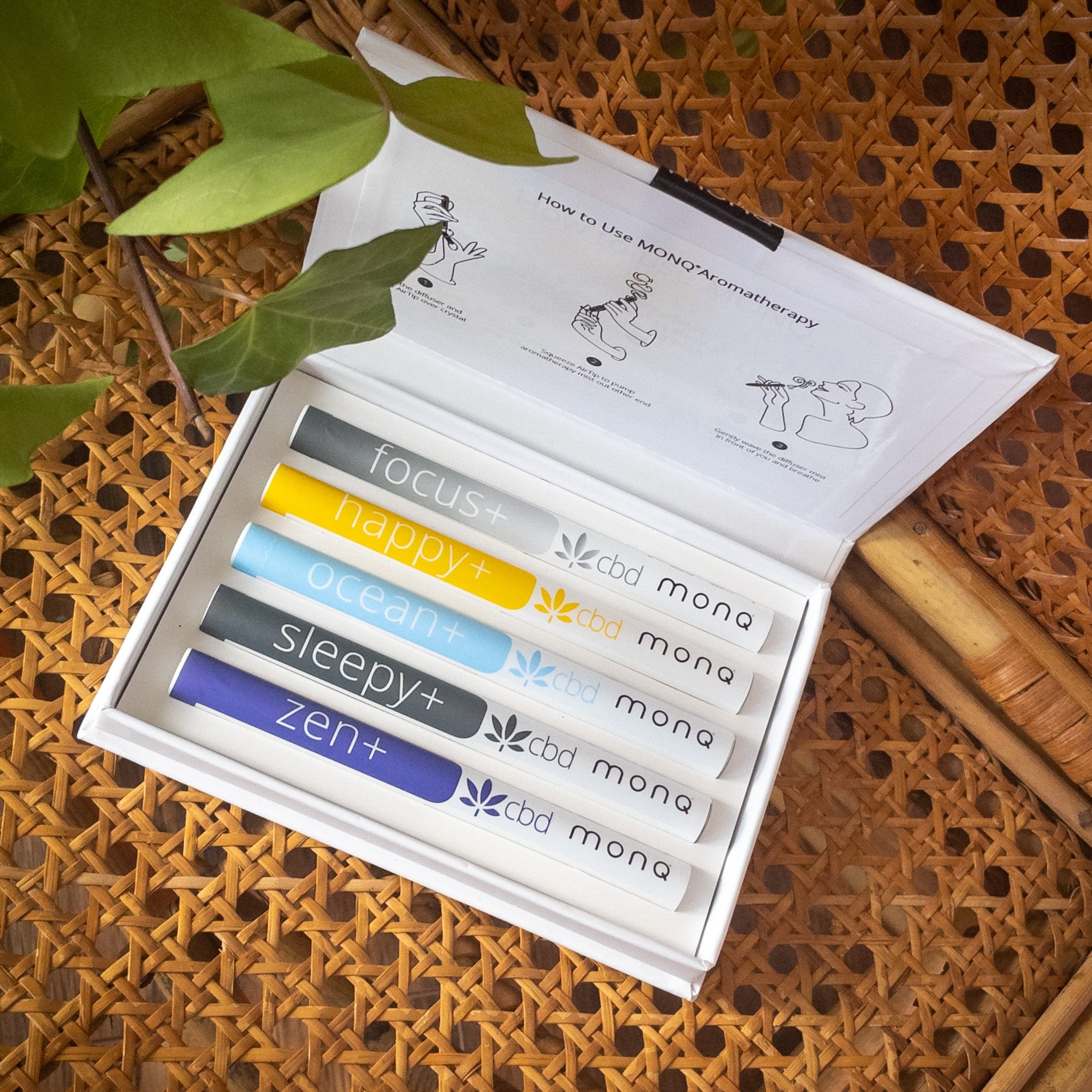
As far as how ylang-ylang delivers these results, there are a number of delivery mechanisms - putting drops of it into a room diffuser, combining with a mild carrier oil and massaging into the skin or hair, or breathing it in through a personal aromatherapy diffuser to help calm the mind, which utilizes ylang-ylang as one of its key botanical ingredients.
Some of the other major benefits you may enjoy when you regularly use ylang-ylang essential oil are highlighted below.
Calms Down Inflammation
Inflammation is one of the most challenging processes in the human body, and it doesn't take much to disrupt overall health and well-being. Ylang-ylang essential oils are recognized as botanically active compounds with anti-inflammatory properties. Aromatic use of this essential oil - adding a few drops beneath your nostrils or using it in a personal diffuser - can help support calm and ease in the body.
May Support Healthy Blood Pressure and Heart Rate
According to information published in peer-reviewed research, aromatic use of ylang-ylang essential oils for 20 minutes was shown to reduce both systolic and diastolic blood pressure readings in study participants. EKG readings showed that clinical test subjects who used this essential oil exhibited a slower heart rate as well.
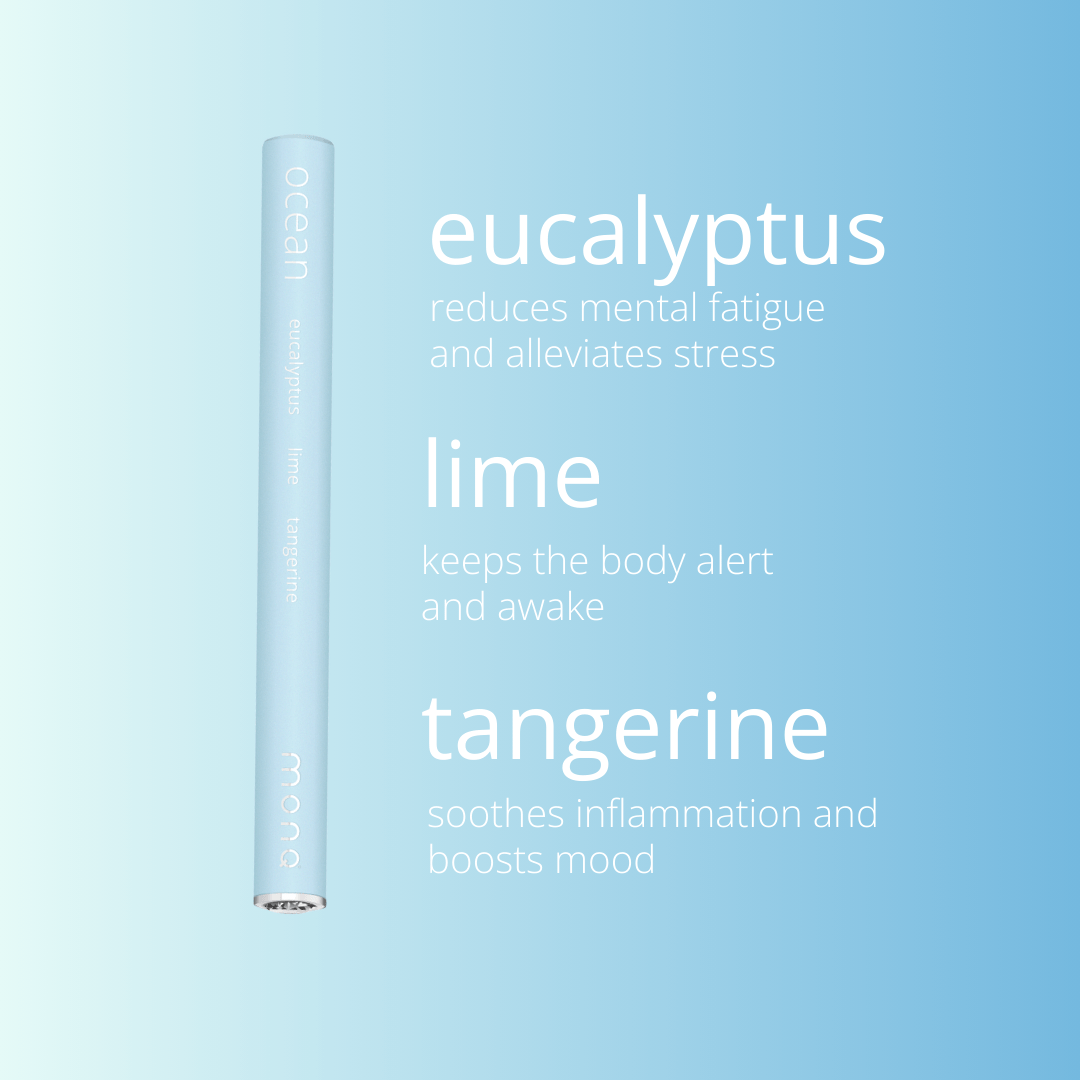
Ylang-ylang essential oil may work well when blended with other calming essential oils like lavender and lemon. Aromatic use - in a room diffuser or personal aromatherapy diffuser - is the recommended method for exploring these benefits.
A Mild and All-Natural Calming Botanical
Ylang-ylang works as a mild, all-natural calming botanical without the concerns associated with synthetic compounds. A 2006 study found that applying a ylang-ylang oil blend over the abdomen for five minutes reduced blood pressure, improved skin temperature regulation, and promoted a sense of calm among participants.
The research supports the centuries-old observation that ylang-ylang is a powerful calming botanical - effective, botanically derived, and well-tolerated by most people.

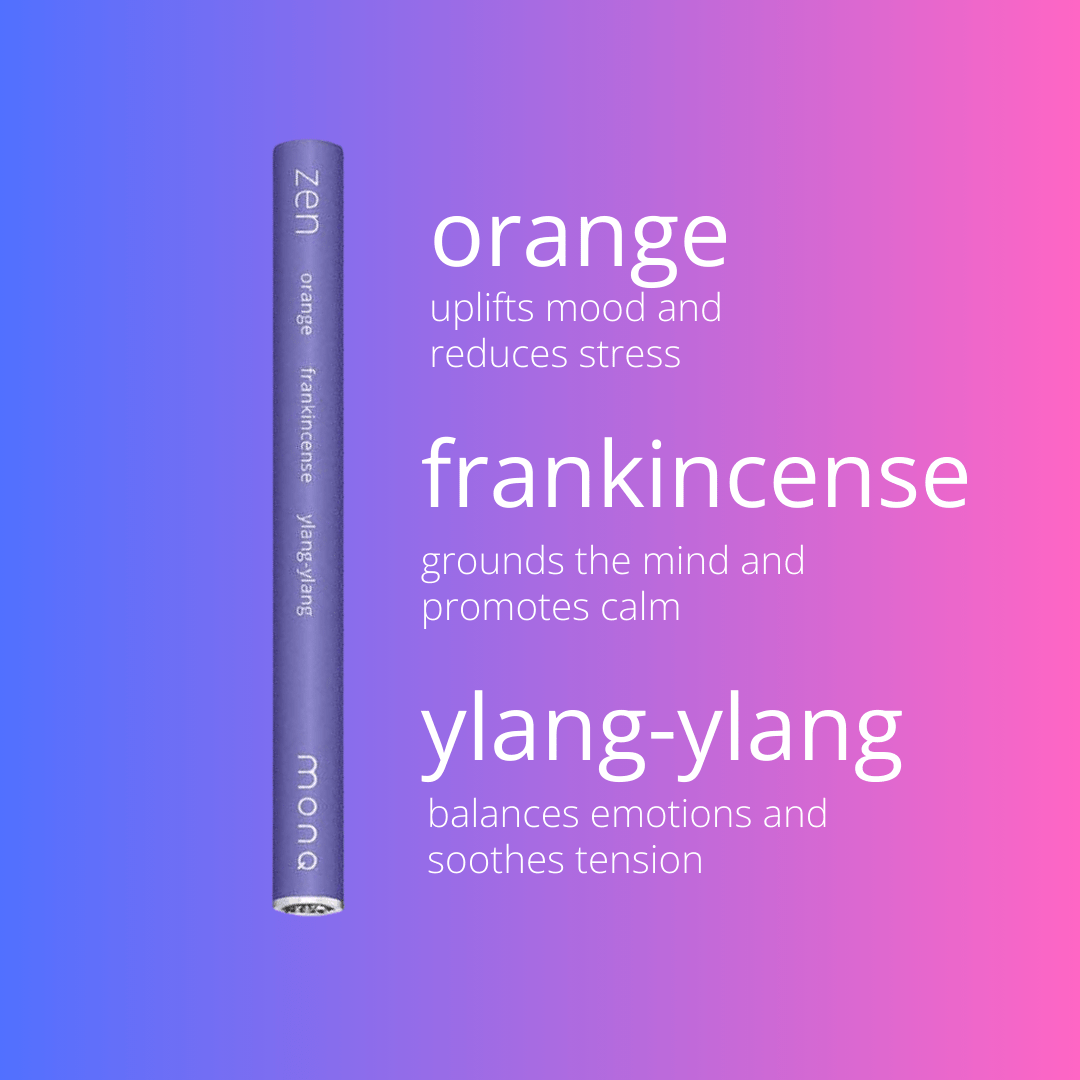
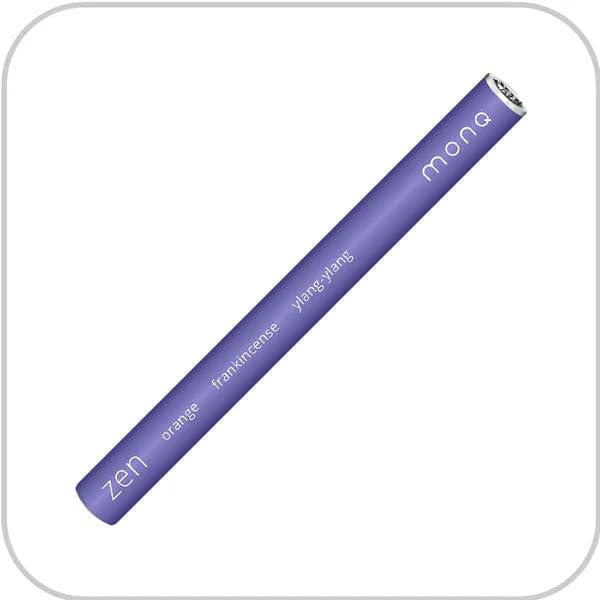
Zen MONQ contains ylang-ylang as one of its key botanical ingredients, alongside frankincense and orange.
Anti-Diabetic Botanical Properties
Some of the terpenoid derivatives and flavonoids found in the ylang-ylang plant have been studied for their potential interaction with aldose reductase, an enzyme in the human body responsible for transforming glucose into sorbitol. Too much intracellular sorbitol can contribute to complications in those living with diabetes. Note: these findings are preliminary and from laboratory research - always consult your physician before making any changes to a diabetes management plan.
Surface Properties Against Biofilm
Ylang-ylang essential oils have been studied not only for topical application but also for surface applications. When combined with other botanical ingredients, ylang-ylang essential oil has been shown to work against biofilm - a slimy surface film of bacteria that can adhere to almost any surface. Ylang-ylang was found capable of disrupting a significant percentage of biofilm produced by various strains of bacteria.
For more on ylang-ylang as an ingredient in aromatherapy blends, see our Ylang-Ylang Essential Oil Uses guide and the fascinating history of ylang-ylang.

An overview of ylang-ylang essential oil's key botanical properties and traditional uses.
Safety and Precautions
As far as safety and wellness precautions are concerned, ylang-ylang essential oil is generally well-tolerated when used appropriately. It takes a high amount of ylang-ylang essential oil to cause any meaningful reaction, even for those with more sensitive skin.
In excessive amounts, however - especially if you're working with a first pressing of the ylang-ylang essential oil - you may experience some of the following:
- Skin sensitivity and irritation
- Dizziness and nausea
- Headaches and mental fogginess
Like most other essential oil options, if you plan to use ylang-ylang oil topically, it's always a good idea to do a small patch test on your skin before applying more broadly. Dilute the ylang-ylang oil in a mild carrier oil for the patch test to reduce any potential irritation.
All in all, instances of negative reactions from using ylang-ylang (especially when used as directed and in appropriate amounts) are not common. For personal aromatic use, a MONQ-style diffuser delivers a controlled, measured amount with each breath - a consistent, enjoyable experience.
Final Thoughts
There are a lot of essential oils out there to choose from, but it's always a good idea to gravitate toward those with centuries of traditional use behind them - like ylang-ylang. Its track record across cultures and generations speaks for itself.
Ylang-ylang may come from one of the most beautiful tropical plants on the planet, but it is so much more than just another pretty face. The botanical compounds in this flower support calm, emotional balance, and overall well-being - and can begin to enhance your daily ritual relatively quickly when used consistently.
You can enjoy ylang-ylang aromatically in a room diffuser, as a topical oil blended with a carrier oil, or through a personal aromatherapy diffuser. If you're curious about the experience, finding inner balance blends ylang-ylang with frankincense and orange into a smooth, grounding aromatic blend. You can also explore what ingredients in Zen help promote relaxation.
The only people who should approach ylang-ylang essential oils with additional care are those who should generally exercise caution with any essential oil: women who are pregnant or nursing, and children under the age of six. For everyone else, the risk profile is low and the wellness potential is significant.
Photo credits: Images via Shopify CDN and MONQ archive.
Disclaimer: The above information is provided for general wellness and educational purposes only. Please note that while individual essential oil ingredients may have been shown to exhibit certain independent effects when used alone, the specific blends of ingredients contained in MONQ diffusers have not been tested. No specific claims are being made that use of any MONQ diffusers will lead to any of the effects discussed above. Additionally, please note that MONQ diffusers have not been reviewed or approved by the U.S. Food and Drug Administration. MONQ diffusers are not intended to be used in the diagnosis, cure, mitigation, prevention, or treatment of any disease or medical condition. If you have a health condition or concern, please consult a physician or your alternative health care provider prior to using MONQ diffusers. MONQ blends should not be inhaled into the lungs. Why? It works better that way. No Nicotine Ever. Inhale through the mouth, exhale through the nose. MONQ Diffusers are not intended for individuals under 18, or women who are pregnant or nursing.










Leave a comment