Ylang Ylang Essential Oil Uses Infographic

Ylang-ylang essential oil, extracted from the fragrant flowers of the Cananga odorata tree, is widely known for its sweet, exotic aroma and powerful therapeutic properties. In aromatherapy, ylang-ylang oil is often used to promote emotional balance and reduce feelings of stress or tension. Its calming and uplifting scent is believed to help alleviate tension, support relaxation, and enhance mood, making it a popular choice for those seeking mental clarity and emotional well-being. Ylang-ylang oil is also thought to promote a sense of calm, making it a great option for reducing feelings of frustration or anger.
In addition to its emotional benefits, ylang-ylang essential oil is highly regarded in skincare and haircare for its ability to support healthy, glowing skin and shiny, strong hair. It is often used in products aimed at balancing oily skin and soothing irritations, thanks to its anti-inflammatory and antimicrobial properties. Ylang-ylang oil is also believed to help nourish and strengthen hair, reducing breakage and promoting shine. As with all essential oils, it is important to properly dilute ylang-ylang oil before topical application, and it’s advisable to consult a healthcare provider, particularly for individuals with sensitive skin or specific health concerns.
Botanical Source and Key Aromatic Compounds
Ylang-ylang (Cananga odorata) is a large tropical tree in the Annonaceae family, native to the Philippines, Indonesia, and surrounding tropical regions of Southeast Asia. The tree produces large, pendulous, intensely fragrant flowers - typically bright yellow - that are harvested by hand, often before dawn when their fragrance is at its most intense. The essential oil is produced by steam distillation, but ylang-ylang is one of the few oils produced through a process of fractional distillation: the distillation is deliberately interrupted at intervals to collect fractions with different aromatic profiles. "Extra" grade (the very first fraction, collected in the first 30 minutes of distillation) is the most intense and most prized by perfumers. Subsequent grades (I, II, III) are progressively lighter and less complex, though all share the fundamental ylang character.
Key Aromatic Compounds
Ylang-ylang has one of the most chemically complex profiles in the aromatic world, which is why it has been a cornerstone of fine perfumery for over a century - it is present in Chanel No. 5 and countless other classic fragrances. Linalool contributes the soft, rounded, slightly sweet quality that makes ylang-ylang accessible despite its intensity. Germacrene-D, a sesquiterpene hydrocarbon, provides woody-green depth and staying power in the base note. Benzyl acetate is an ester with a sweet, jasmine-adjacent character that is one of the primary contributors to ylang-ylang's exotic, intensely floral impression. Benzyl benzoate adds soft, balsamic warmth to the drydown. Farnesol - a delicate sesquiterpene alcohol found in many precious florals - contributes skin-compatible depth and a subtle, rosy-floral quality. Geraniol adds a fresh, rosy facet to the overall composition.
Traditional and Cultural Significance
The name "ylang-ylang" derives from the Tagalog word "ilang-ilang," meaning "wilderness flower" - a reference to the tree's natural habitat in Philippine forests. In the Malay and Filipino wedding traditions, ylang-ylang flowers have been scattered across the marriage bed on a couple's wedding night for centuries - a practice associated with love, fertility, and auspicious new beginnings. In Indonesian ceremonial practice, ylang-ylang flowers appear in ritual bathing preparations for brides. In the Philippines, the flowers are strung into garlands for celebrations and ceremonies, and their perfume is considered one of the defining aromatic signatures of the archipelago.
Aromatherapy Applications
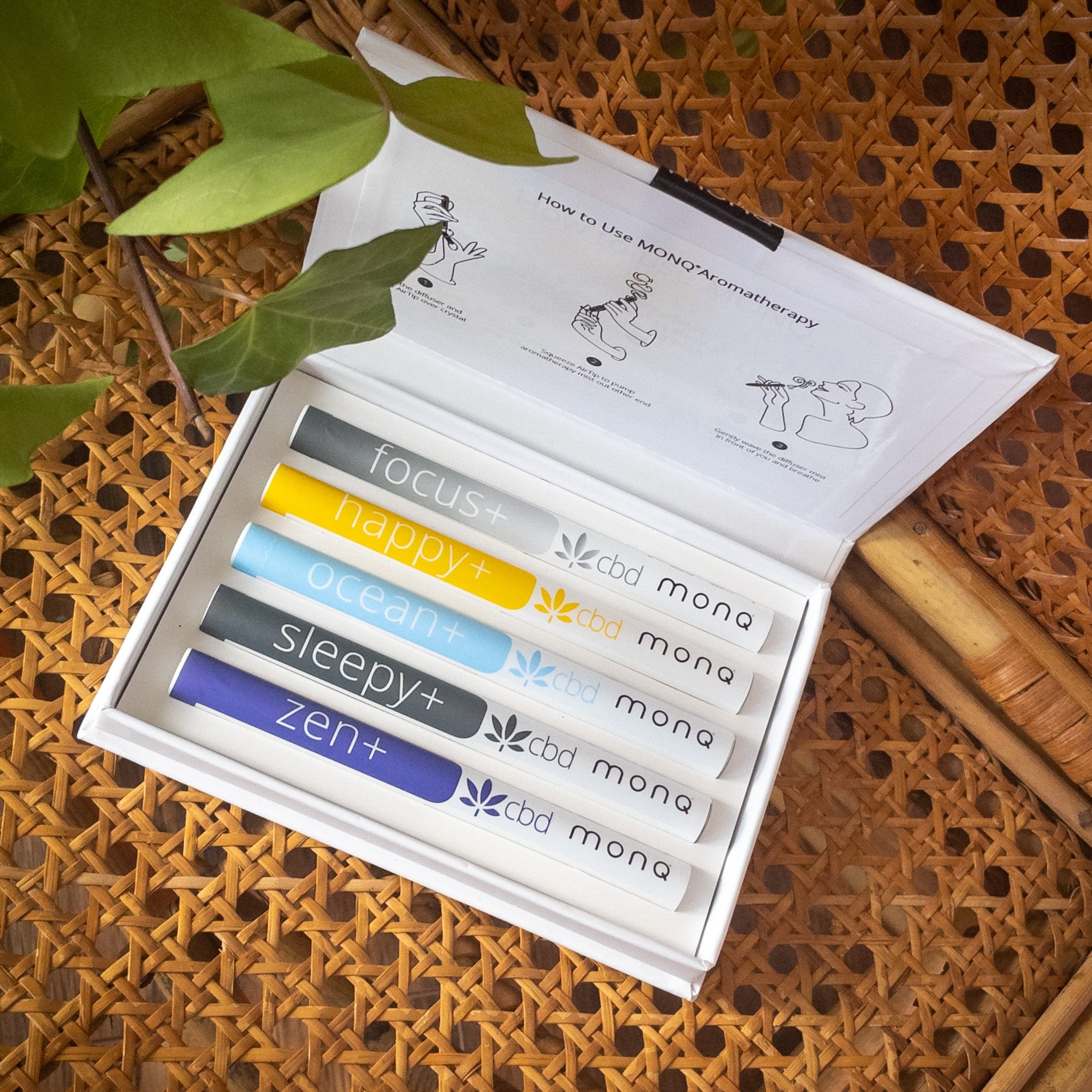
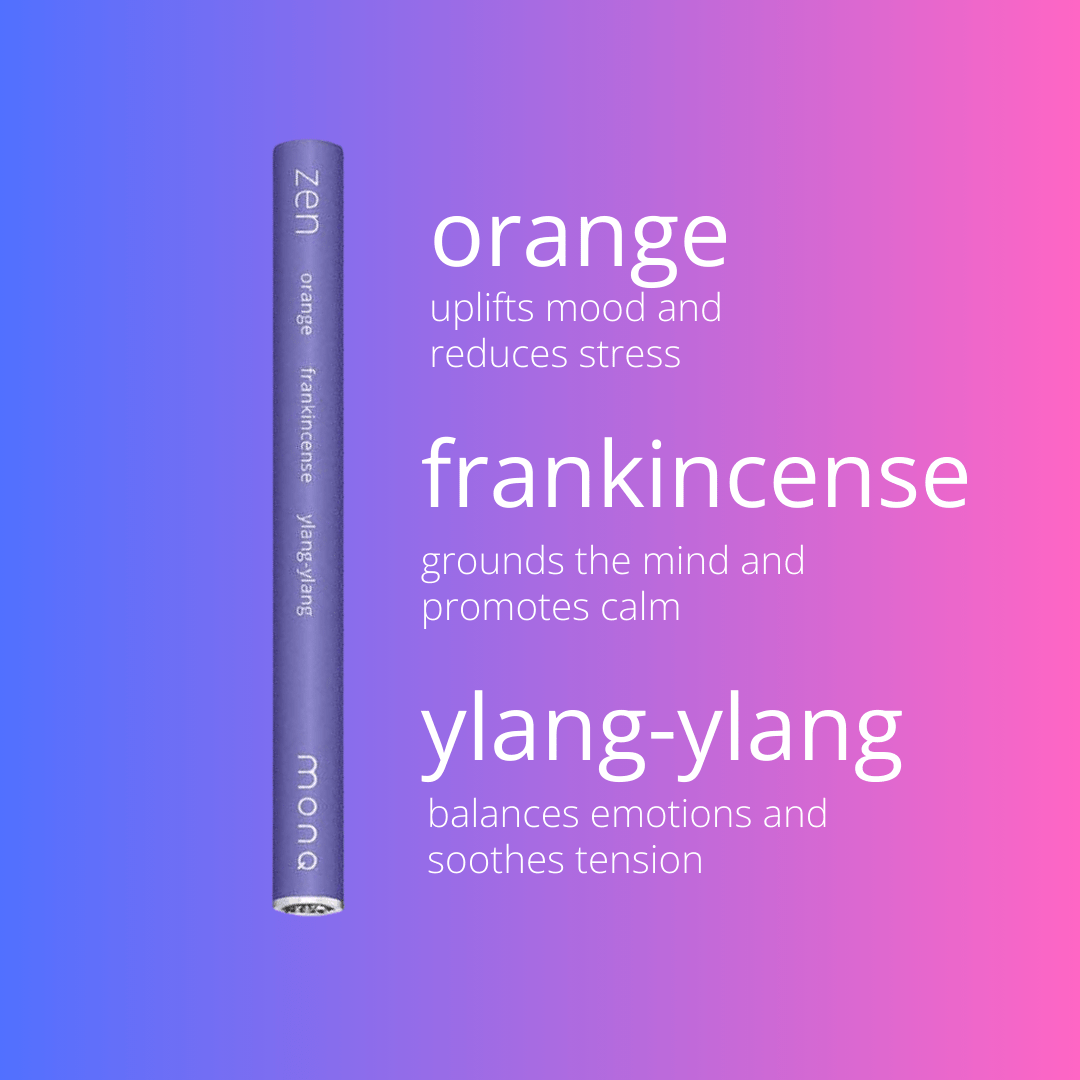
In contemporary aromatherapy, ylang-ylang is associated with emotional opening, sensuality, and the cultivation of joy. Its richly floral, somewhat intoxicating quality makes it effective in blends for emotional release and celebration - but it requires restraint. At high concentrations, ylang-ylang can become overwhelming and even headache-inducing for some individuals; its power lies in appropriate dilution and intentional use rather than abundance. In small amounts (5-10% of a blend), it adds a beautiful, exotic floral depth without dominating. It pairs naturally with bergamot (which lifts and brightens), sandalwood (which grounds and deepens), jasmine (a natural floral companion), and patchouli (which adds earthy depth). In MONQ blends, ylang-ylang's lush, sensual floral character appears in Sexy MONQ and Happy MONQ, contributing the deep, exotic warmth that makes both blends feel rich and celebratory. See the full Ylang-Ylang plant profile for more.
Explore More
Disclaimer: The above information is provided for general wellness and educational purposes only. Please note that while individual essential oil ingredients may have been shown to exhibit certain independent effects when used alone, the specific blends of ingredients contained in MONQ diffusers have not been tested. No specific claims are being made that use of any MONQ diffusers will lead to any of the effects discussed above. Additionally, please note that MONQ diffusers have not been reviewed or approved by the U.S. Food and Drug Administration. MONQ diffusers are not intended to be used in the diagnosis, cure, mitigation, prevention, or treatment of any disease or medical condition. If you have a health condition or concern, please consult a physician or your alternative health care provider prior to using MONQ diffusers. MONQ blends should not be inhaled into the lungs. Why? It works better that way. No Nicotine Ever. Inhale through the mouth, exhale through the nose. MONQ Diffusers are not intended for individuals under 18, or women who are pregnant or nursing.