Davana Essential Oil Benefits

What Is Davana?
Davana (Artemisia pallens) is a small, aromatic annual herb native to southern India, particularly the states of Karnataka, Tamil Nadu, and Andhra Pradesh. It belongs to the Asteraceae family - the same broad botanical family as chamomile and marigold - and shares with those plants a tendency toward rich, complex aromatic chemistry. The plant grows to about one meter in height, producing slender stems with feathery, silvery-green leaves and small yellow flowers. Davana has been cultivated in India for centuries, prized both as a temple flower offered to deities (particularly to Lord Shiva in Hindu tradition) and as a source of one of the most unusual essential oils in the aromatic world.
Steam distillation of the herb's fresh flowers and foliage yields davana essential oil - a substance with an aroma profile so distinct that perfumers consider it in a category of its own. India remains the world's primary source of davana oil, with the harvest occurring once a year after the plants flower.
Aroma Profile: Fruity, Warm, and Curiously Anise-Like
Davana essential oil is one of those aromatics that challenges easy description. Its dominant character is fruity - ripe, jammy, and slightly fermented, reminiscent of dried fruit and honey - but layered beneath that sweetness is a warm, woody earthiness and an unexpected note of anise or licorice. Some people detect a quality reminiscent of aged wine or cognac. Others find it herbaceous in an unusual, almost medicinal way.
What makes davana oil particularly fascinating to perfumers is that it smells different on different people. The oil's behavior on skin varies with individual body chemistry, which means davana-containing fragrances are genuinely personal in a way that few aromatics can claim. In Indian classical perfumery (attars), this quality is seen as a virtue - the fragrance becomes yours rather than simply something you wear.
In aromatic blends, davana tends to act as a modifier and fixative. Its warmth and depth anchor brighter, more volatile top notes while its unusual fruity quality adds a dimension that softens otherwise sharp or linear blends.
Key Aromatic Compounds in Davana Oil
Davanone
Davanone is the defining chemical constituent of davana essential oil and the compound primarily responsible for its distinctive aroma. It is a sesquiterpene ketone found in concentrations typically ranging from 30% to 70% of the oil's total composition. Davanone has no close counterpart in other widely used essential oils, which is part of why davana's scent is so difficult to compare. It contributes the warm, sweet, slightly ethereal quality that makes the oil feel both familiar and exotic simultaneously. The concentration of davanone in the oil varies significantly with harvest time, growing conditions, and distillation method.
Davana Ether
Davana ether is a secondary compound characteristic of high-quality davana oils. It is a bicyclic ether that contributes fruity, balsamic nuances to the overall aromatic profile. Along with davanone, it helps create the oil's characteristic complexity.
Nordavanone and Isodavanone
These closely related sesquiterpene ketones appear alongside davanone in varying proportions and contribute subtle variations in the oil's aromatic depth - slightly different shades of warmth and sweetness that together create the layered, evolving quality experienced as davana oil dries down.
Linalool and Other Supporting Compounds
Smaller concentrations of monoterpene alcohols including linalool contribute a softer, more floral element that rounds out the heavier sesquiterpene base. This supporting cast of lighter compounds gives the oil its accessibility on first impression before the deeper davanone character emerges.
Davana in Indian Perfumery and Traditional Culture
In India, davana has a documented cultural history stretching back at least several hundred years. The fresh plant is used as temple decoration and as a ritual offering, particularly in Karnataka where the herb is cultivated on a significant scale. Its distinctive, long-lasting aroma made it valuable as a natural fragrance material long before the era of industrial essential oil distillation.
In traditional Indian perfumery, davana appears in attars - perfumes made by slowly distilling fragrant materials into a base of sandalwood oil using a low-heat hydro-distillation method. These preparations were prized for their complexity and longevity, and davana's rich, warm character made it a valued component in attars designed to be applied to the skin and allowed to evolve throughout the day.
The herb's association with devotional practice also connects it to a long tradition of aromatic use in Indian ritual contexts, where the boundary between fragrance, medicine, and spiritual practice was much more fluid than it is in contemporary Western aromatherapy.
Aromatherapy Applications
In contemporary aromatherapy practice, davana essential oil is valued for several qualities:
- Grounding and centering: The warm, heavy character of davanone-rich oils tends to support a sense of stability and presence. Aromatic practitioners working with people in states of mental scatter or emotional volatility have found davana useful as part of a grounding blend.
- Emotional warmth: The oil's fruity, balsamic quality has an emotionally warming effect for many people. In this respect it behaves somewhat like other resinous and balsamic oils - benzoin, labdanum, myrrh - in its tendency to create a sense of emotional security and comfort.
- Unique aromatic dimension in blending: Perfumers and aromatherapists who work with complex blends value davana as a modifier that can add unexpected depth and warmth to citrus-heavy or floral compositions without dominating them.
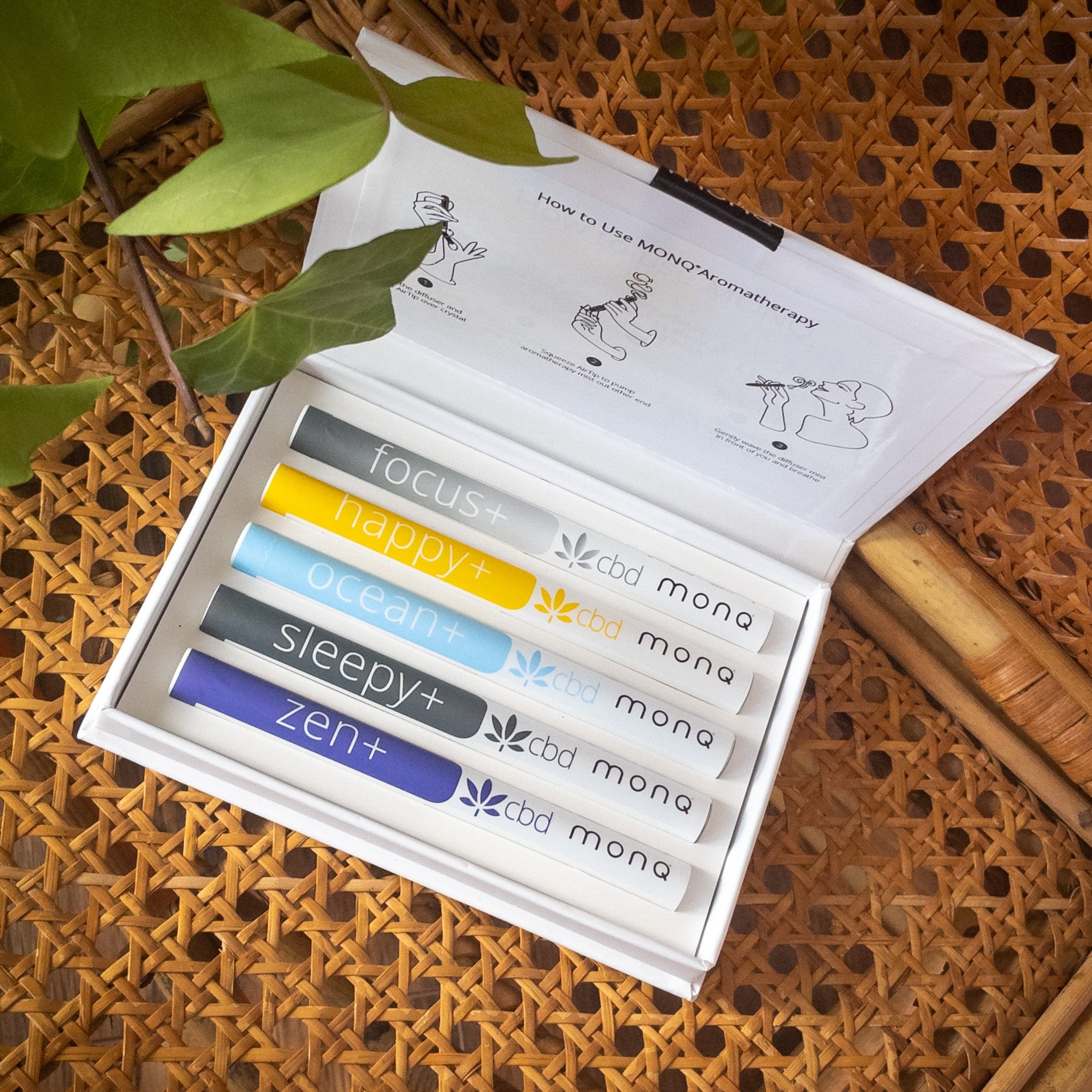
Because davana oil is intense and its aroma can be unexpected on first encounter, it is typically used in small proportions - as a modifier or accent rather than a dominant note. This quality also makes it interesting in MONQ's portable format, where a single brief aromatic draw is designed to deliver the essence of a blend rather than a prolonged exposure.
Davana in MONQ Blends
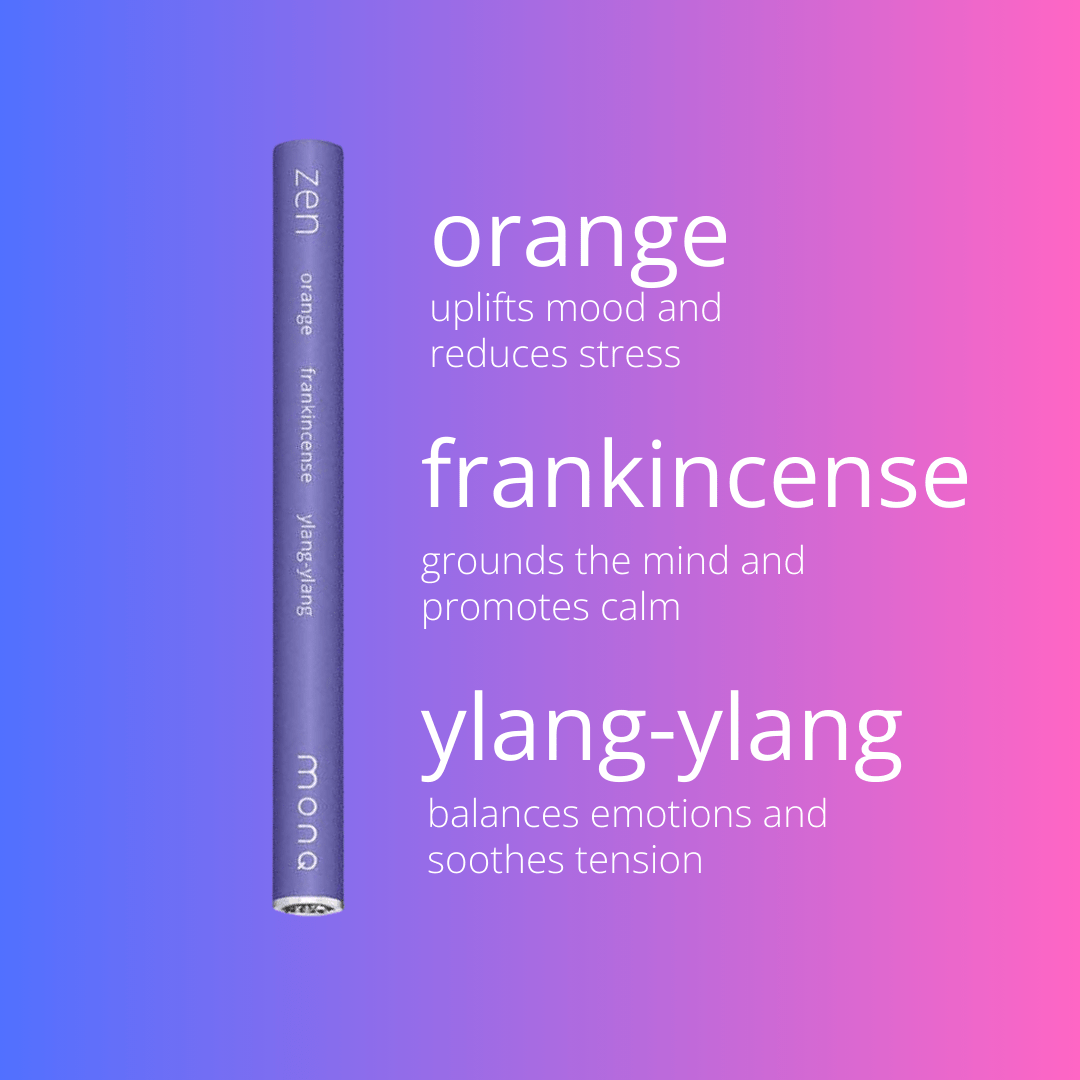
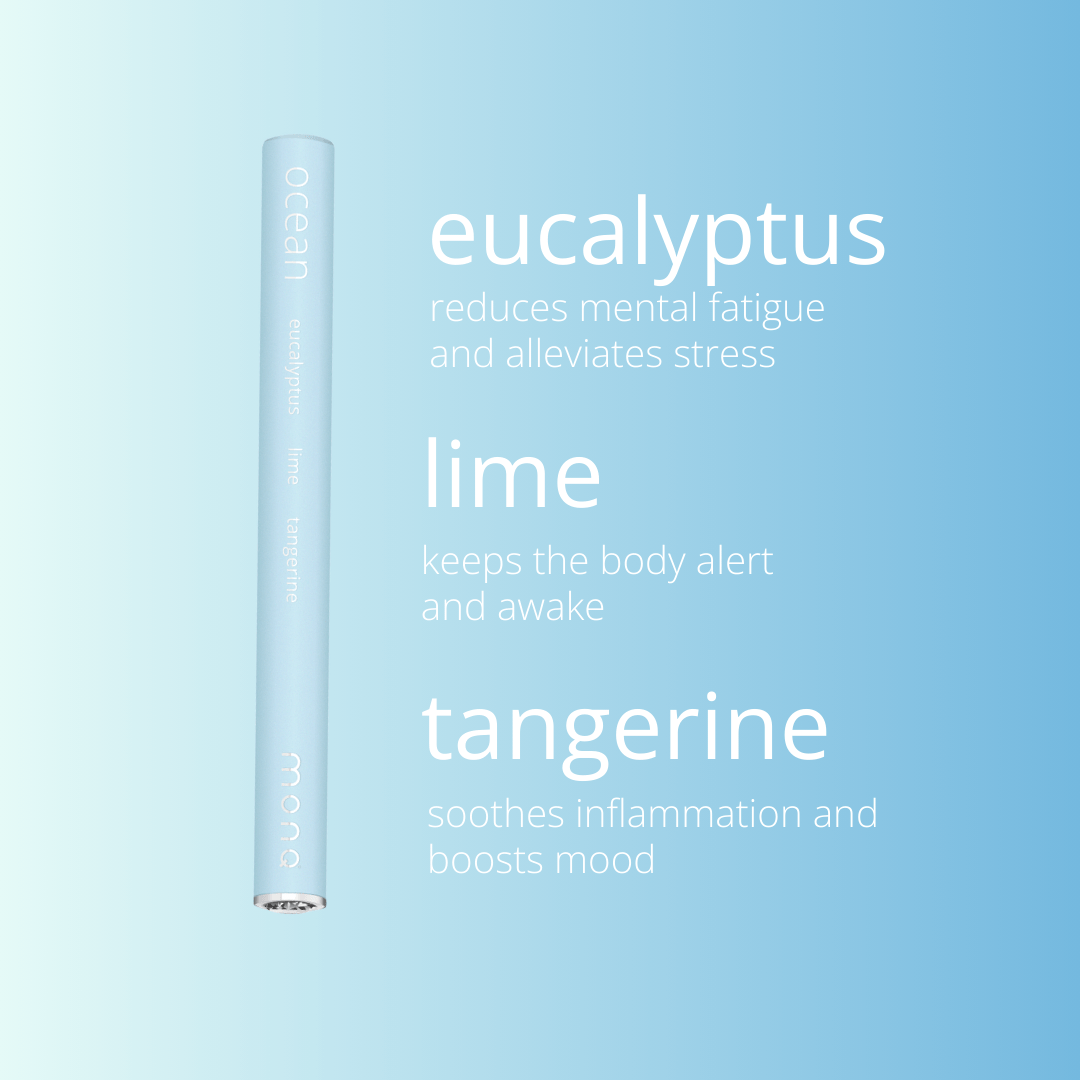
MONQ incorporates davana as part of its commitment to sourcing unusual, botanically significant essential oils from their regions of origin. The oil's warm, fruity complexity - and its tendency to behave differently on different people - aligns with MONQ's philosophy that aromatherapy is a personal, variable experience rather than a uniform one. When davana appears in a MONQ blend, it serves as the unexpected note beneath more familiar ingredients, the element that makes the blend feel layered and alive rather than flat.
To explore how davana and other botanical aromatics compare in their profiles and uses, our guide to geranium essential oil offers a useful companion read - geranium, like davana, is characterized by a complex, multi-dimensional aromatic chemistry that rewards closer attention.
Geranium is one of the most complex florals in the essential oil world - for a comparison with another equally nuanced floral, see our guide to geranium essential oil uses, which explores its rosy-herbal character and how it pairs with other botanicals in MONQ blends.
Disclaimer: The above information is provided for general wellness and educational purposes only. Please note that while individual essential oil ingredients may have been shown to exhibit certain independent effects when used alone, the specific blends of ingredients contained in MONQ diffusers have not been tested. No specific claims are being made that use of any MONQ diffusers will lead to any of the effects discussed above. Additionally, please note that MONQ diffusers have not been reviewed or approved by the U.S. Food and Drug Administration. MONQ diffusers are not intended to be used in the diagnosis, cure, mitigation, prevention, or treatment of any disease or medical condition. If you have a health condition or concern, please consult a physician or your alternative health care provider prior to using MONQ diffusers. MONQ blends should not be inhaled into the lungs. Why? It works better that way. No Nicotine Ever in MONQ Pens. Inhale through the mouth, exhale through the nose. MONQ Diffusers are not intended for individuals under 18, or women who are pregnant or nursing.