Palmrosa Essential Oil Benefits

Palmarosa Essential Oil: The Rosy-Sweet Grass of Indian Aromatherapy
Palmarosa essential oil is one of the botanical world's quieter treasures - less famous than rose or jasmine, but carrying a rosy-sweet floral quality that has made it a valued ingredient in perfumery and aromatherapy for centuries. Distilled from the dried grass of Cymbopogon martinii var. motia, a tall perennial grass native to India and widely cultivated across South and Southeast Asia, palmarosa oil is often called "Indian geranium" because its primary constituent - geraniol - gives it a character reminiscent of both rose and geranium.
Why Geraniol Defines Palmarosa
Palmarosa is one of the richest natural sources of geraniol in the plant world. High-quality palmarosa oil can contain 75-95% geraniol, which gives it a distinctively clean, sweet, rosy-grassy aroma. Geraniol is a monoterpene alcohol also found in rose, geranium, lemongrass, and citronella, but in palmarosa it is present in concentrations rarely matched by any other botanical. This makes palmarosa an economically important aromatic - historically used to extend or adulterate more expensive rose oil, though today it is valued entirely on its own merits.
Beyond geraniol, palmarosa contains geranyl acetate (which adds a fruity, rosy nuance), linalool (which brings a soft lavender-like softness), and minor amounts of other monoterpenes that give the oil its layered character.
Palmarosa in Aromatherapy
In aromatherapy practice, palmarosa is valued for its uplifting, balancing quality. Its aroma has a gentle, approachable sweetness that makes it one of the easier florals to work with in blends - neither as heady as ylang ylang nor as medicinal as geranium. It blends beautifully with rose, geranium, bergamot, sandalwood, cedarwood, and vetiver.
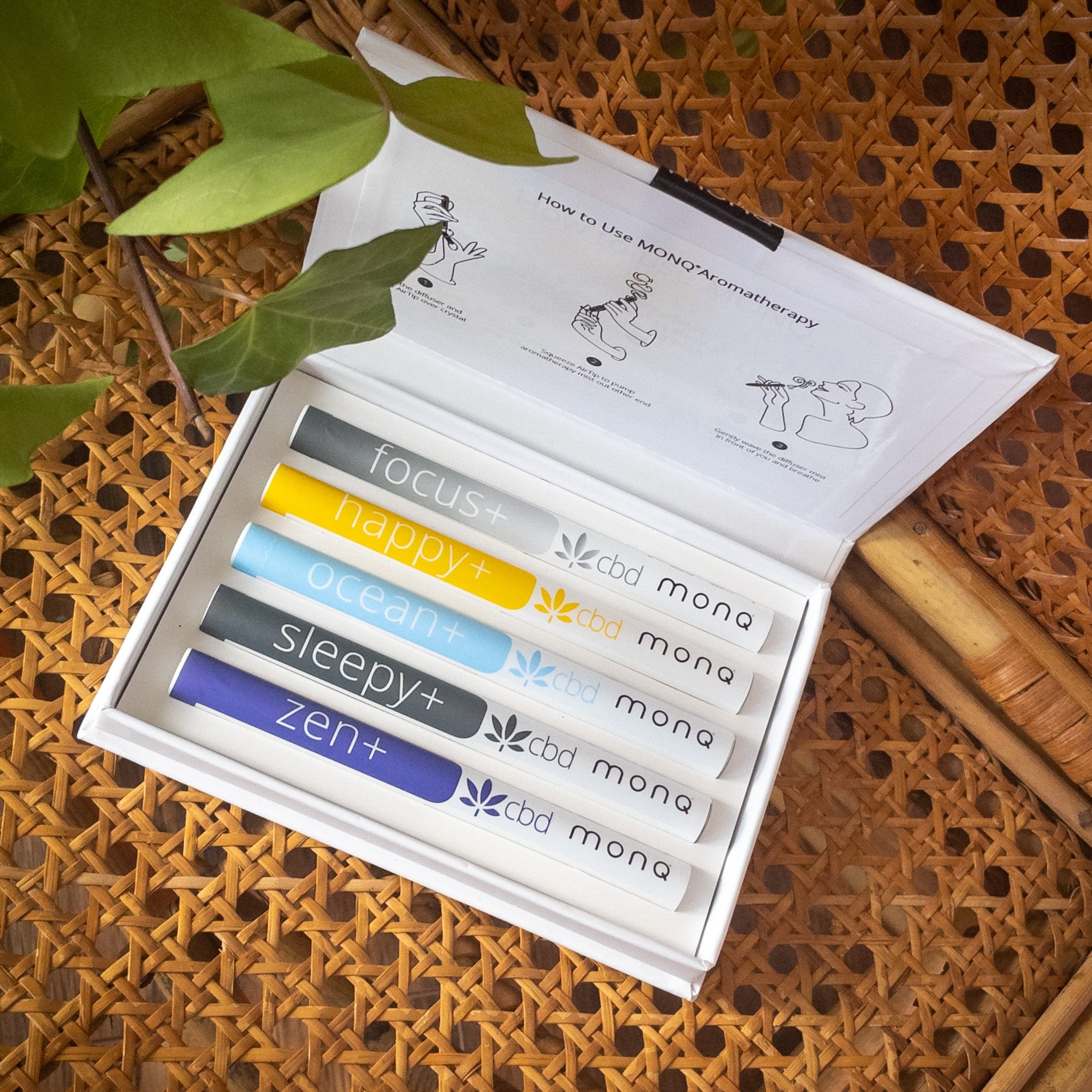
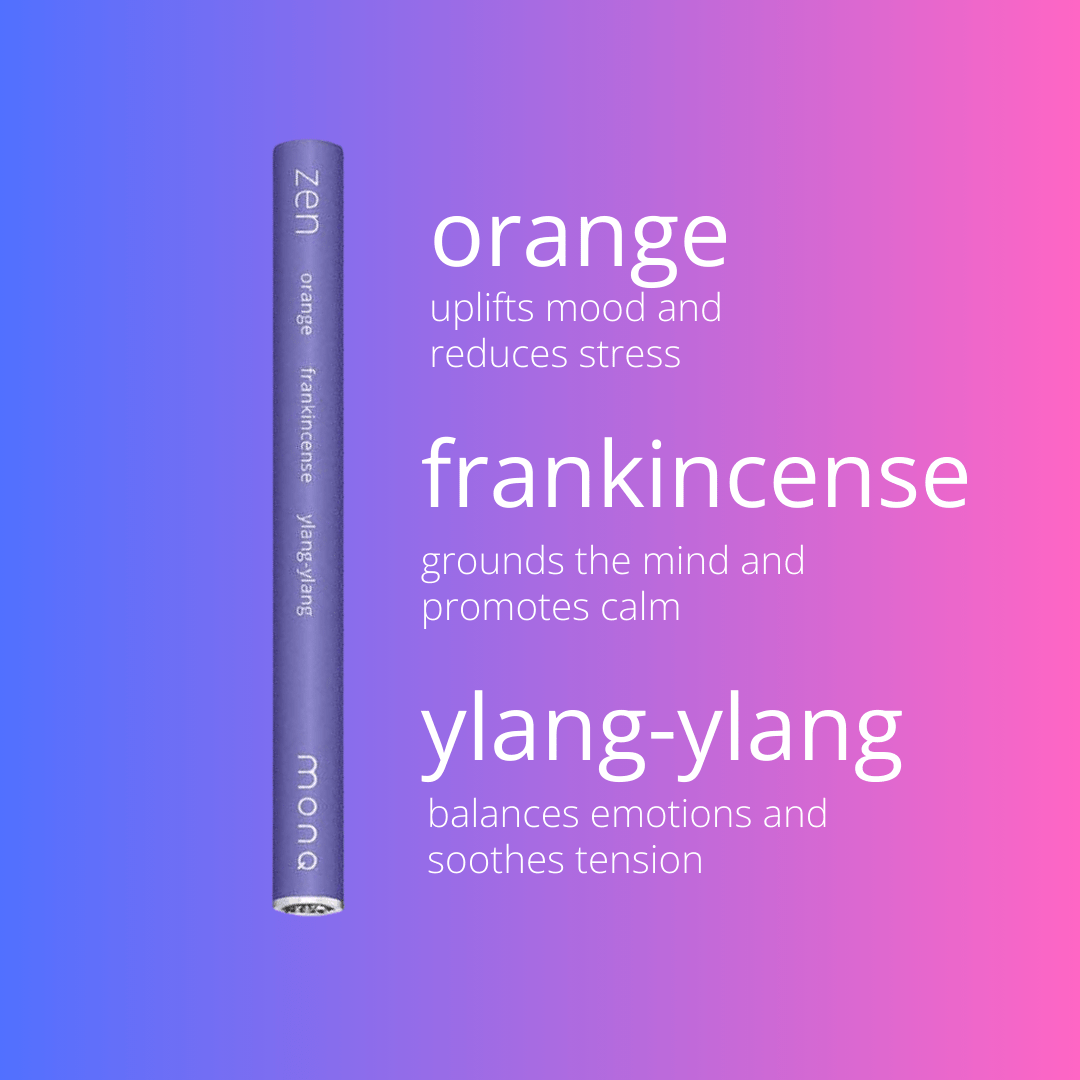
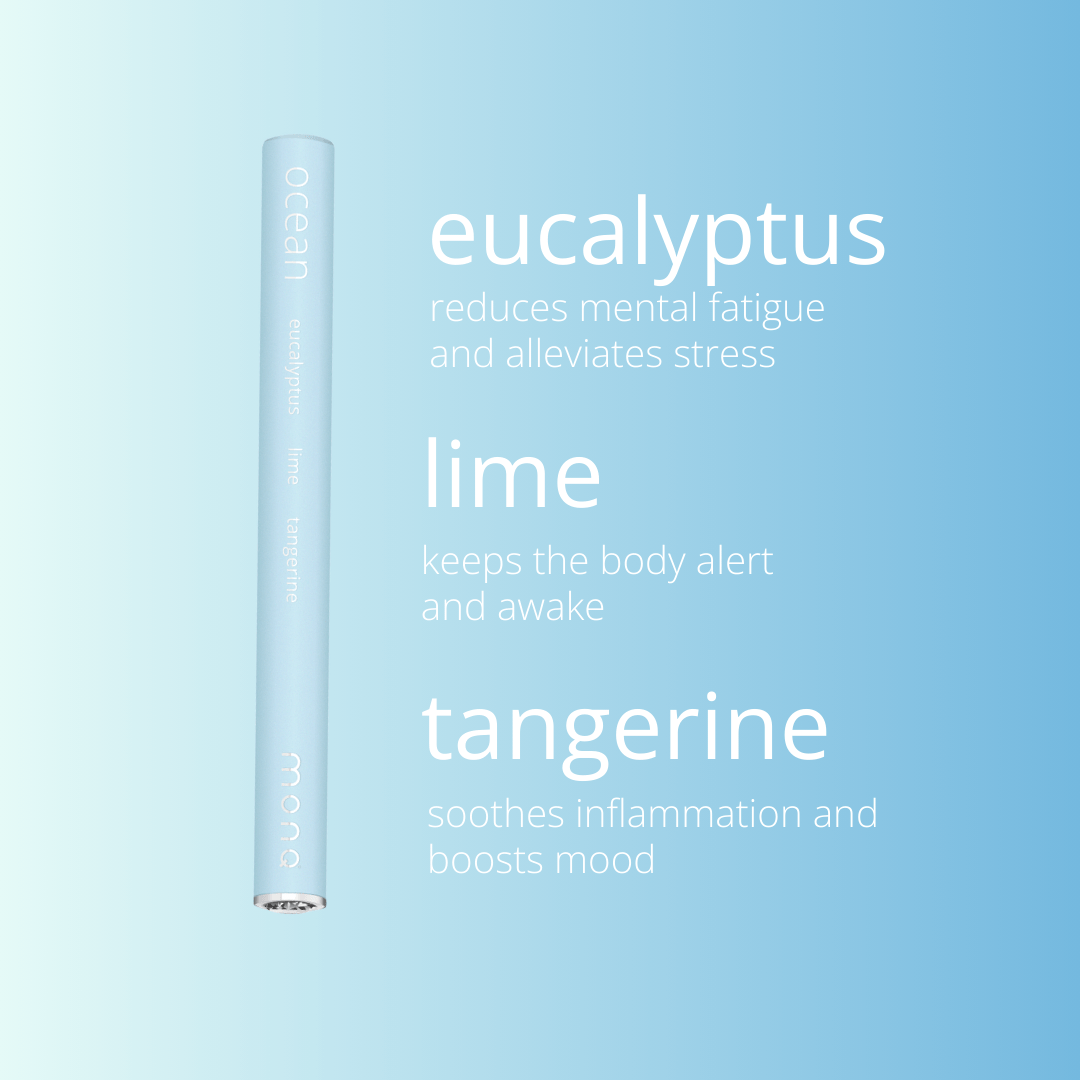
MONQ incorporates palmarosa where a soft rosy note with good aromatic longevity is called for. Like its botanical relative geranium, palmarosa contributes a balancing, softening quality that complements both citrus and wood-based aromatics in a blend. To use your MONQ diffuser, inhale gently through your mouth and exhale through your nose to experience the full aromatic profile.
For comparison, our guide to geranium essential oil explores how these two rosy botanicals compare - both geraniol-rich, but distinct in character and cultivation.
Disclaimer: The above information is provided for general wellness and educational purposes only. Please note that while individual essential oil ingredients may have been shown to exhibit certain independent effects when used alone, the specific blends of ingredients contained in MONQ diffusers have not been tested. No specific claims are being made that use of any MONQ diffusers will lead to any of the effects discussed above. Additionally, please note that MONQ diffusers have not been reviewed or approved by the U.S. Food and Drug Administration. MONQ diffusers are not intended to be used in the diagnosis, cure, mitigation, prevention, or treatment of any disease or medical condition. If you have a health condition or concern, please consult a physician or your alternative health care provider prior to using MONQ diffusers. MONQ blends should not be inhaled into the lungs. Why? It works better that way. No Nicotine Ever. Inhale through the mouth, exhale through the nose. MONQ Diffusers are not intended for individuals under 18, or women who are pregnant or nursing.