Geraniol Terpene Profile

What Is Geraniol?
Geraniol is a naturally occurring monoterpene alcohol - one of the most significant aromatic compounds found in the plant kingdom. Its name comes directly from geranium, one of its richest botanical sources. Geraniol's chemical formula is C10H18O, and it occurs naturally in high concentrations in geranium, rose, palmarosa, citronella, and lemongrass essential oils.
The aroma of geraniol is distinctly floral and rosy - softer and sweeter than its close relative citronellol, with a fresh, slightly fruity quality that makes it one of the most widely used fragrance compounds in both perfumery and aromatherapy. It is also found in smaller concentrations in an extraordinary range of plants: from lavender to coriander, from mace to basil, making it one of the most common aromatic molecules in the natural world.
Geraniol in Aromatherapy
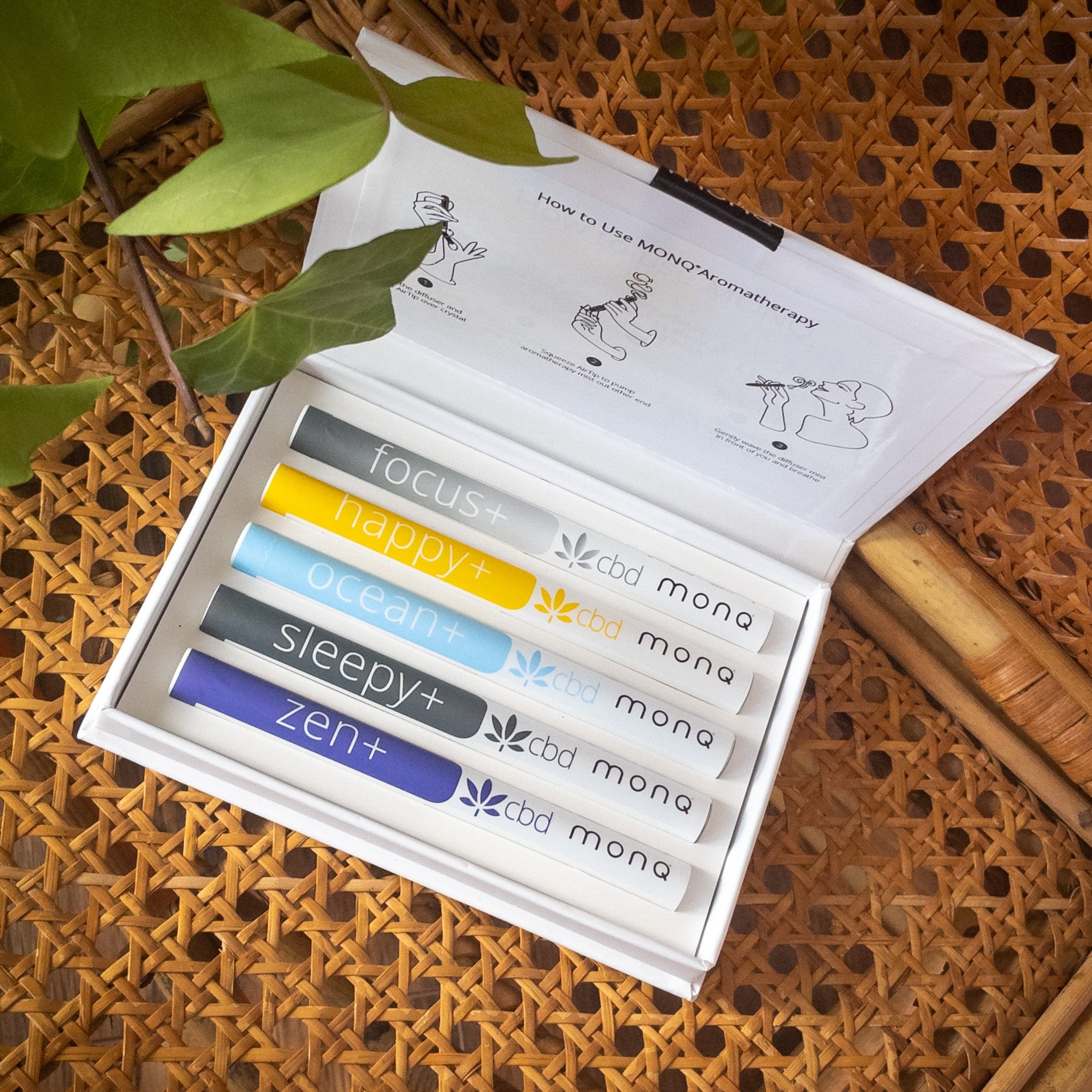
In aromatherapy tradition, geraniol-rich essential oils are associated with emotional balancing and a softening, harmonizing quality in blends. Geranium oil - geraniol's primary botanical source - has long been used to create a sense of emotional equilibrium and gentle calm. In MONQ blends that incorporate floral botanicals, geraniol contributes the characteristic rosy-floral heart note that gives those blends their warmth and depth.
Because geraniol is named after geranium and its concentration in geranium essential oil is among the highest of any botanical, understanding the geranium plant gives important context for understanding this terpene. Our detailed guide to the geranium plant covers its botanical classification, growing regions, and the aromatic chemistry that makes it such a significant source of floral essential oil compounds including geraniol, citronellol, and linalool.
For a full exploration of geranium's aromatic chemistry, cultivation history, and how it appears in MONQ blends, our detailed article on geranium essential oil uses covers everything you need to know about this complex floral aromatic.
Geraniol - the compound that gives palmarosa its distinctive rosy-sweet character - is explored in depth in our terpene guide, and our article on palmarosa essential oil shows how this geraniol-rich grass fits into the broader world of botanical aromatics and MONQ blending.
Disclaimer: The above information is provided for general wellness and educational purposes only. Please note that while individual essential oil ingredients may have been shown to exhibit certain independent effects when used alone, the specific blends of ingredients contained in MONQ diffusers have not been tested. No specific claims are being made that use of any MONQ diffusers will lead to any of the effects discussed above. Additionally, please note that MONQ diffusers have not been reviewed or approved by the U.S. Food and Drug Administration. MONQ diffusers are not intended to be used in the diagnosis, cure, mitigation, prevention, or treatment of any disease or medical condition. If you have a health condition or concern, please consult a physician or your alternative health care provider prior to using MONQ diffusers. MONQ blends should not be inhaled into the lungs. Why? It works better that way. No Nicotine Ever. Inhale through the mouth, exhale through the nose. MONQ Diffusers are not intended for individuals under 18, or women who are pregnant or nursing.