

Are You Breathing Paleo Air? How One Doctor's Midlife Realization Changed How He Breathes
Back in 2014, I realized something that seems obvious in hindsight: traditional aromatherapy had a fundamental problem.
It was passive. It was tied to a room. And it didn't fit the way modern people actually live.
I had spent years as an orthopedic surgeon — someone who thinks hard about the body's mechanisms — and the more I looked at aromatherapy, the more I saw a delivery problem hiding beneath the surface. The molecules were real. The effects were real. But the method of getting them to where they needed to go was hopelessly inefficient.
That gap became the beginning of MONQ.
We Evolved in a Different World
For the vast majority of human history, the air entering our lungs was alive with chemistry. Every forest, meadow, and open landscape continuously emitted hundreds of volatile botanical compounds — terpenes, essential oils, natural aromatics. We evolved immersed in that organic chemistry. Not occasionally. Constantly.
I started calling this "Paleo Air." The idea that the air our ancestors breathed wasn't just "fresh" — it was chemically rich in a way that modern indoor air simply isn't.
Today, the average person spends over 90% of their life indoors. That means your olfactory system — the most ancient and direct sensory pathway into your brain — is receiving almost none of the input it spent hundreds of thousands of years evolving to process.
Think about what that means structurally. You have a sensory system built over millennia to parse the chemistry of the living world around you. And most of us are running it on near-empty, day after day, in filtered office air and climate-controlled apartments.
The Retronasal Shortcut
What struck me about the olfactory pathway wasn't just how ancient it was. It was how direct.
Every other sense — sight, touch, hearing, taste — routes through a relay station in the thalamus before reaching the brain's higher processing centers. Scent doesn't. It goes straight to the limbic system: the seat of emotion, memory, and stress regulation.
That's why a single smell can shift your mood in less than a second. It's not placebo. It's anatomy.
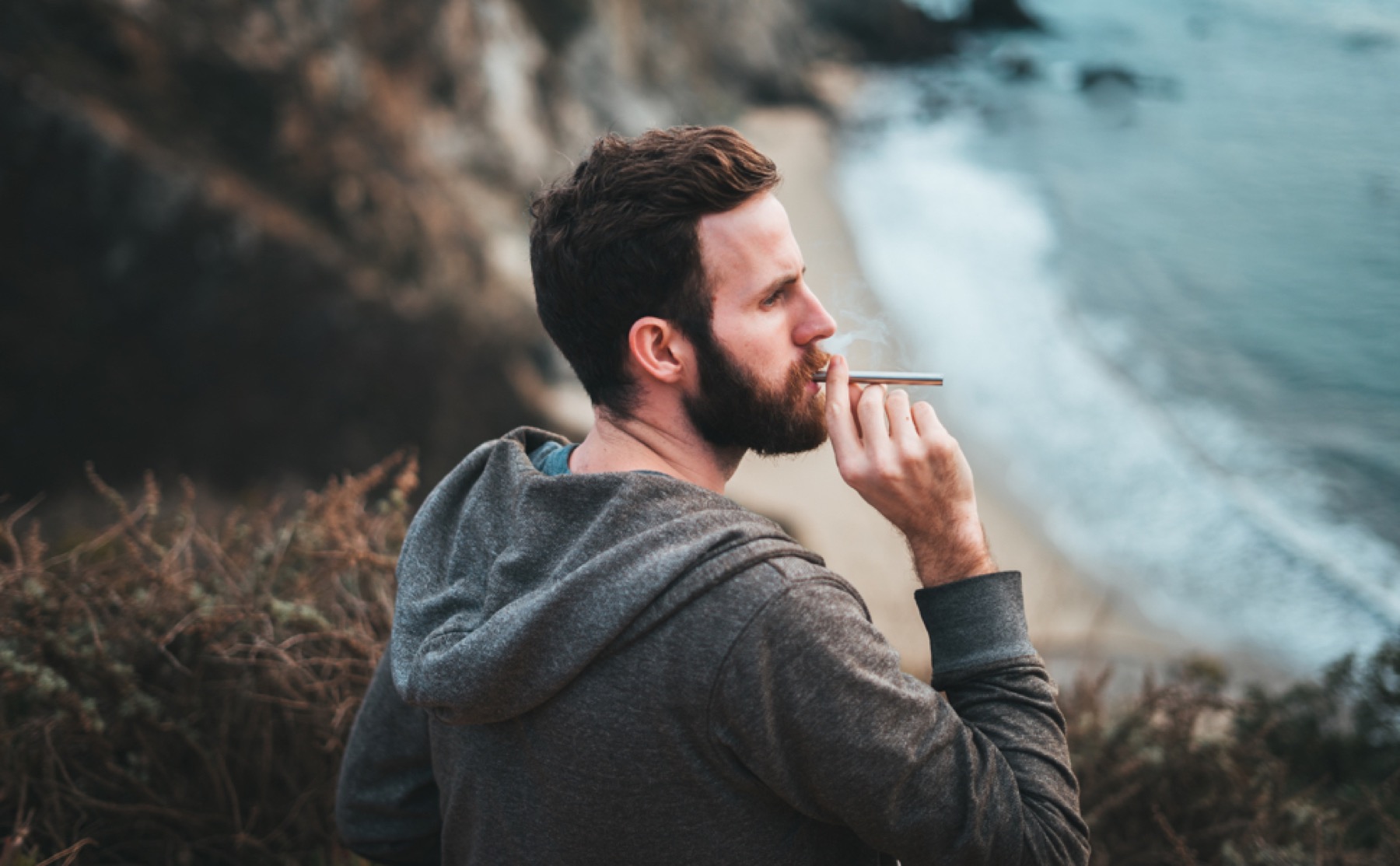
Traditional aromatherapy puts scent in the air and waits for you to passively absorb it. But there's a more direct method: retronasal olfaction. You draw the botanical aromatics into the mouth and release them through the nose, passing them directly over the olfactory bulb at concentration. Faster. More direct. More immediate.
That's the mechanism MONQ is built around. When I understood the pathway, the design of the device followed almost naturally. The question wasn't "how do we make aromatherapy portable?" It was "how do we deliver botanical compounds to the olfactory bulb as efficiently as possible?"
Carrying the Forest With You
Once I understood that the delivery method was as important as the aromatics themselves, the design became clear: it needed to be portable, single-breath, and precise.
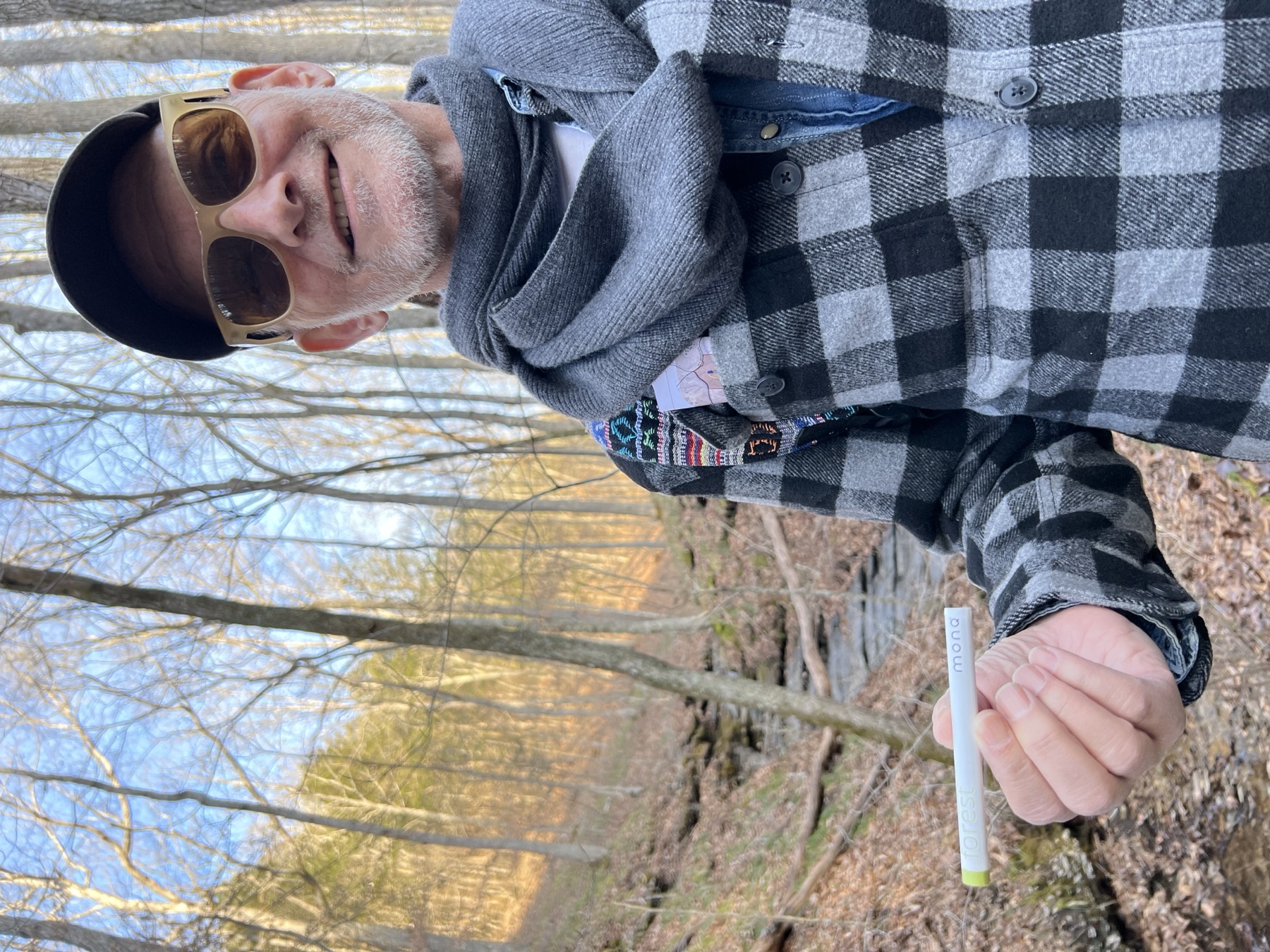
I wanted a way to bring the forest to you — instantly, wherever you were. Not just to make a room smell pleasant, but to actually give your olfactory system the molecular input it was built to receive.
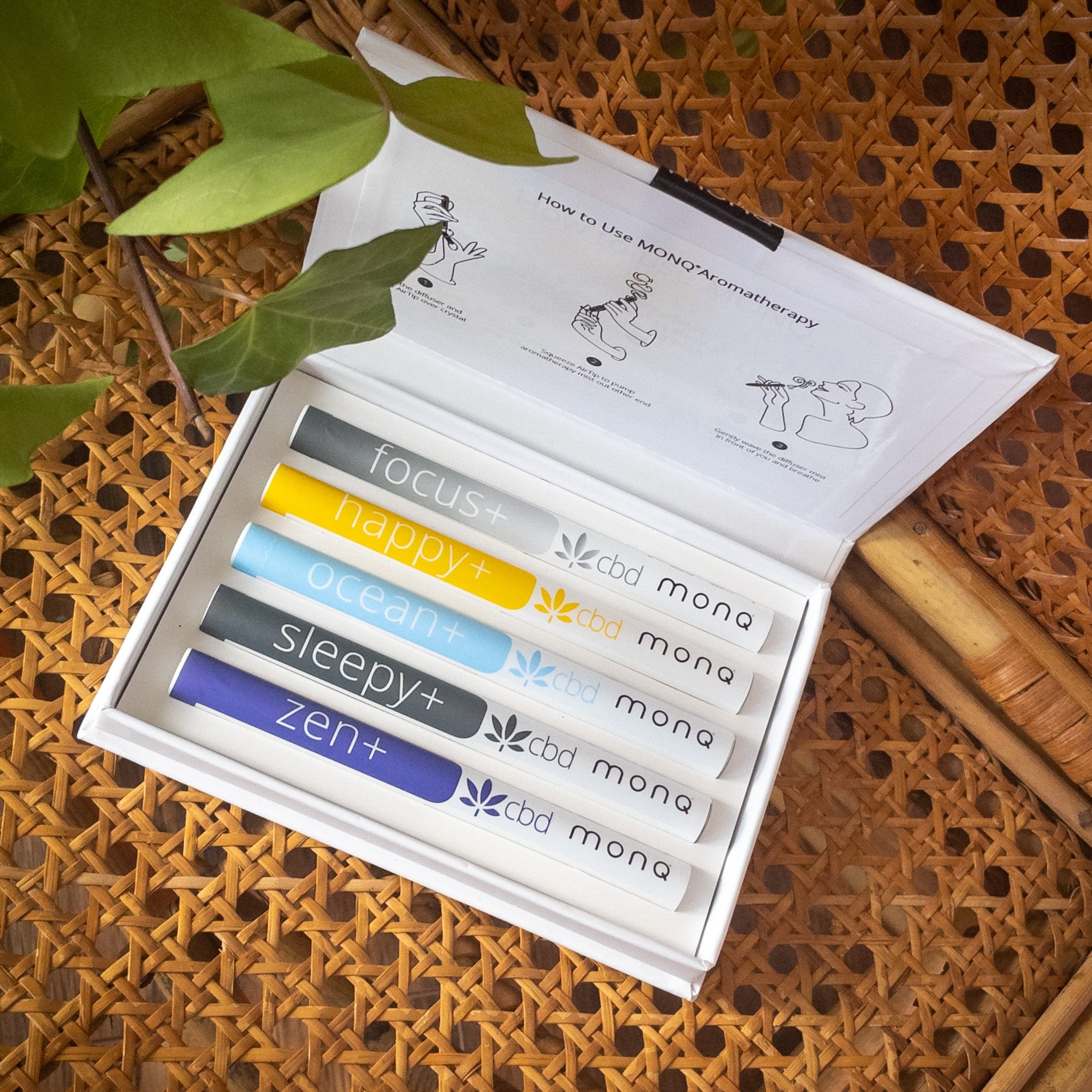
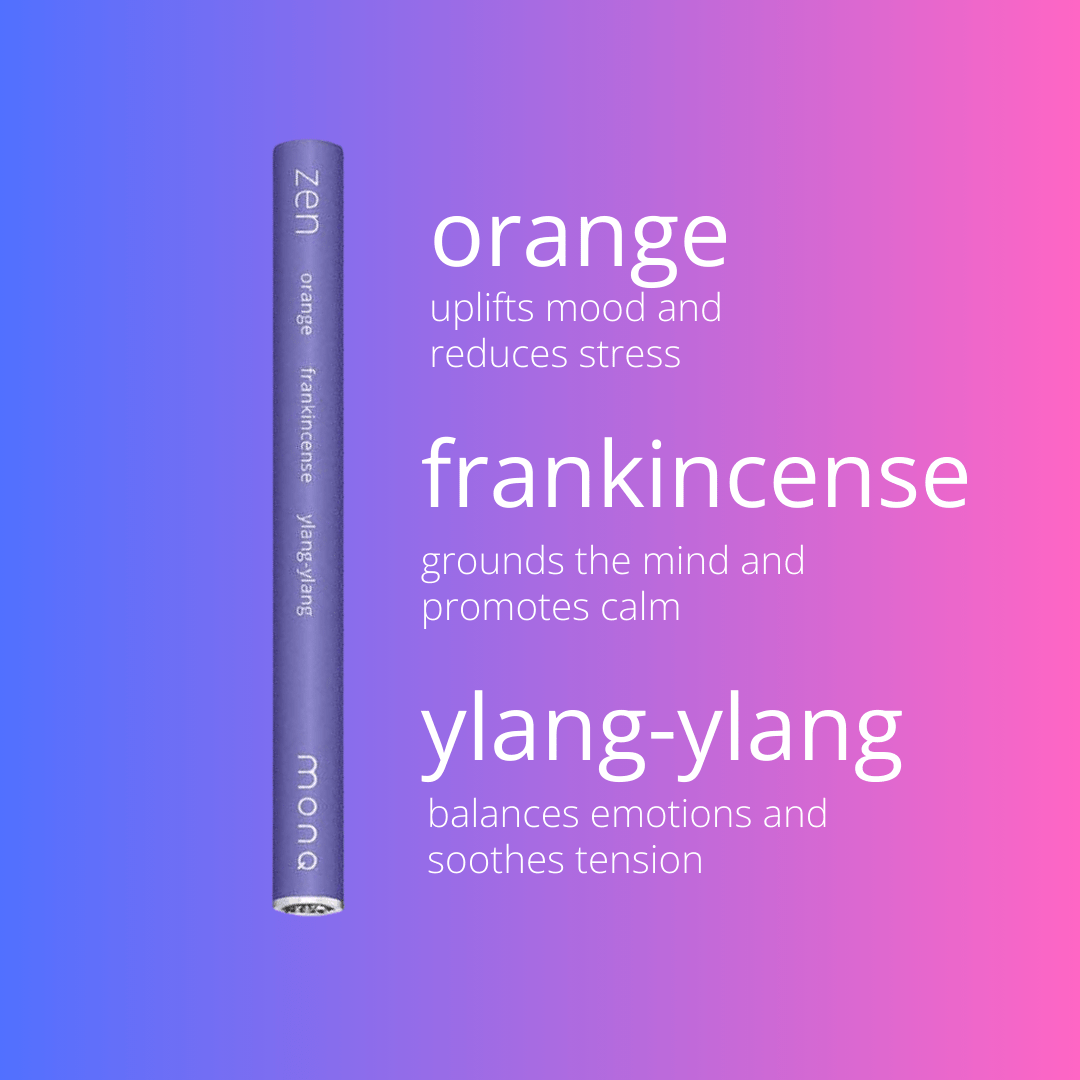
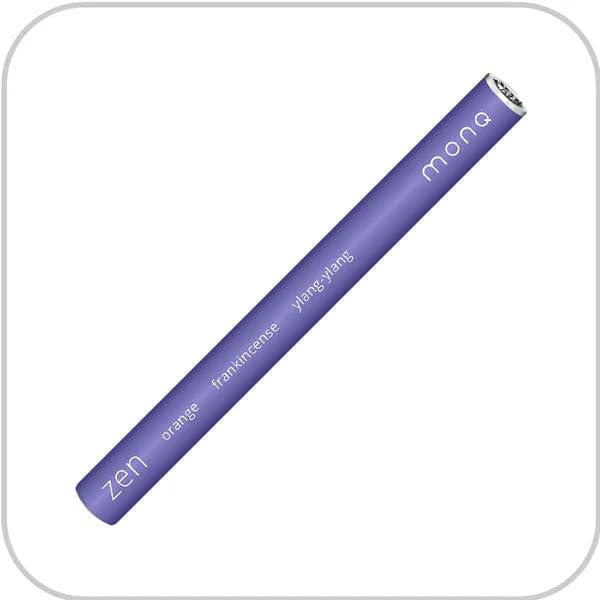
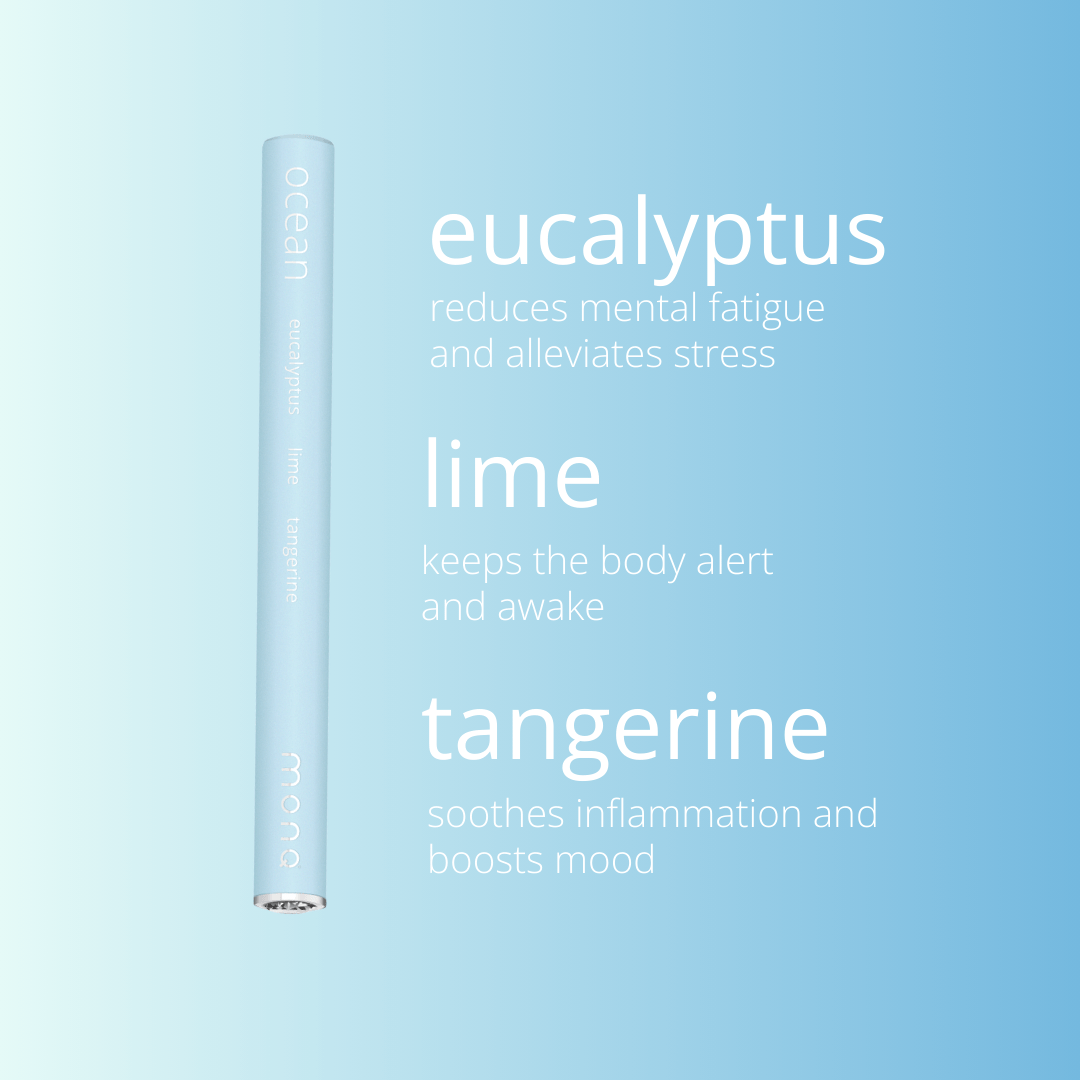
Every MONQ blend is formulated around this principle. Forest brings alpha-pinene and conifer terpenes. Zen brings frankincense and grounding botanicals. Each is a different neurological input for an olfactory system that has been running on empty most of its day.
If you've been curious about what this feels like in practice, the best place to start is with a forest-inspired portable aromatherapy — the blend that started everything for me. If you're drawn to something more grounding, the stress relief on demand offer a different kind of stillness. And if you want to find your fit, you can explore all portable aromatherapy blends and build something that matches how you actually live.
Still at It
You don't have to move to the woods to give your nervous system what it evolved to expect. But you do have to breathe intentionally.
That realization — sitting in my practice in 2014, thinking about how disconnected modern breathing had become from the chemistry we evolved within — is what set all of this in motion. More than a decade later, I'm still thinking about it. Still refining the blends. Still breathing.
That's what I've been doing for over a decade. I'm still at it.
— Eric Fishman, MD, Founder, MONQ
Further reading:
Forest bathing as an integrative strategy for mental and cardiovascular health — Frontiers in Public Health, 2026
The science behind Paleo Air and terpene deficiency — MONQ
Your brain has been waiting for this: the science of secondary metabolites — MONQ Forest Bathing Series
Frankincense (Boswellia carterii) — ancient aromatics and the limbic system — MONQ Ingredient Library
These statements have not been evaluated by the Food and Drug Administration. This product is not intended to diagnose, treat, cure, or prevent any disease. No Nicotine. Ever.










Leave a comment