

Ancient Essential Oils from Around the World
Essential oils are not some untested new product or passing trend. These concentrated plant extracts have been used for wellness, spiritual practice, and aromatic purposes for thousands of years. The earliest evidence of essential oil use dates to around 18,000 BC, and every major civilization in recorded history has developed its own tradition of working with aromatic botanicals. As the NIH's National Center for Complementary and Integrative Health notes, aromatherapy continues to be practiced worldwide as a complementary approach to supporting well-being.

These oils can be found all over the world. Each region has contributed its own botanical traditions, shaped by climate, native plant species, and centuries of cultural practice. Healthline's guide to essential oils provides a thorough overview of how these concentrated plant compounds are extracted and used today. Below are some of the most versatile oils and the places where their traditions originate. MONQ's essential oil ingredient library provides detailed profiles for each of these botanicals.
Rosemary Essential Oil from the Mediterranean
Some of the oldest indications of the use of rosemary come from Egypt. It was used by both the Pharaohs and laborers. This oil was applied to workers and soldiers to help them maintain energy and focus during long, demanding tasks.
This essential oil is also valued for its positive effect on motivation and concentration, making it a popular choice for students and professionals who want to stay focused and clear. The plant itself is part of the mint family, and related plants include basil, myrtle, clary sage, and lavender.
Lemon Essential Oil from Italy

Lemon essential oil is a powerful antioxidant with a history stretching back to ancient Italy, where lemons were prized for both culinary and wellness purposes. The oil is known for providing an energizing lift and supporting clear thinking - qualities that have made it a staple in aromatherapy for centuries.
Lemon oil is also valued for its cleansing properties. In the home, it can be used as a natural freshener and surface cleaner when diluted properly. Its bright, citrus scent has been shown to support positive mood states. Understanding how scent shapes the way you feel helps explain why citrus oils have remained popular across so many cultures and centuries.
Frankincense from the Ancient Middle East
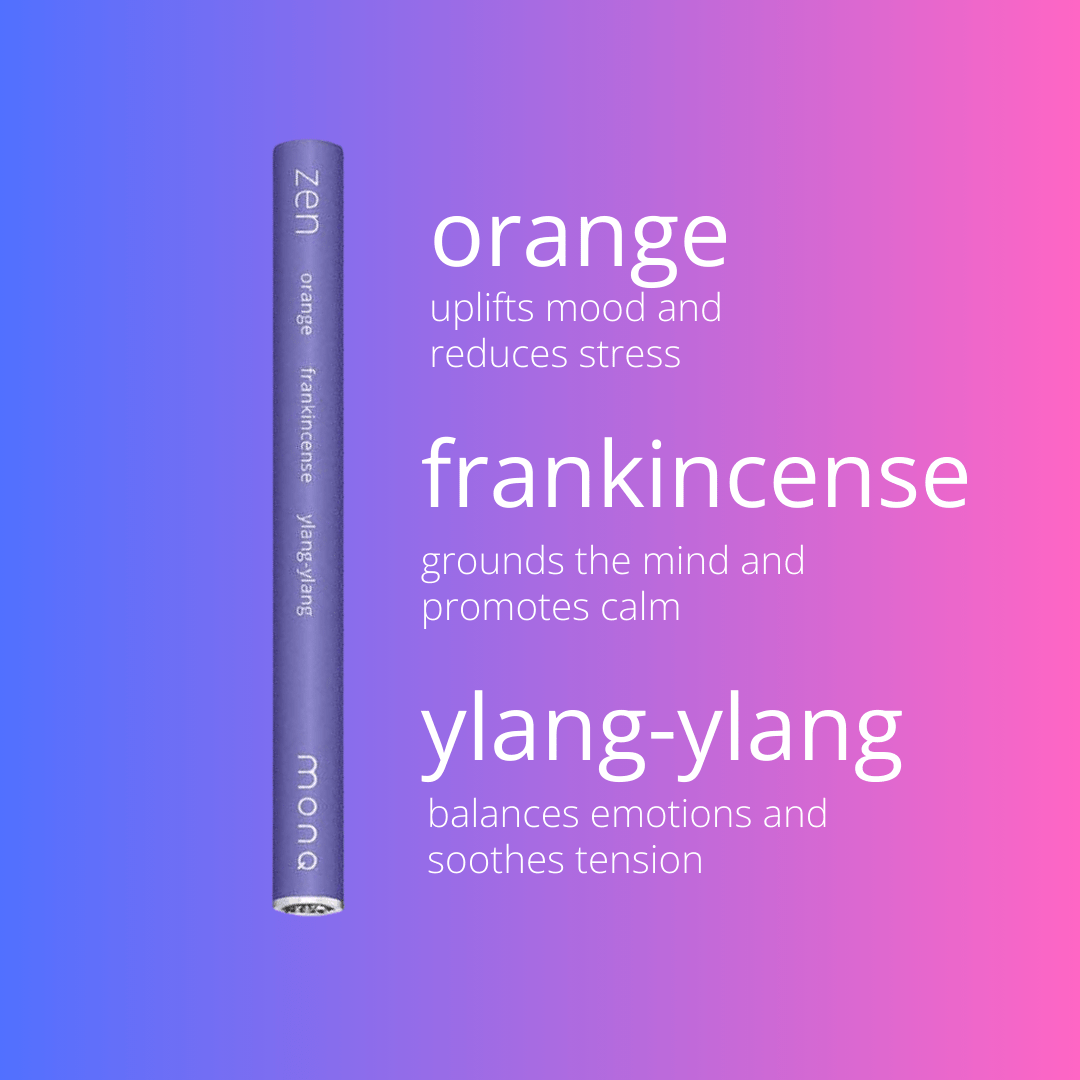
Frankincense has been used since the days of the Old and New Testaments and was considered more valuable than gold in many ancient cultures. This resin-based oil was burned in temples, used in embalming, and traded across vast distances along the ancient incense routes. Today, frankincense remains one of the most respected essential oils for promoting calm, focus, and spiritual grounding.

Modern research on frankincense has focused on its aromatic compounds, particularly boswellic acids and terpenes. The Medical News Today guide to terpenes explains how these aromatic molecules interact with the body's systems. Frankincense is a key ingredient used in mindfulness exercises and the Peace MONQ blend, carrying forward a tradition of contemplative use that spans thousands of years.
Ylang-Ylang Essential Oil from Southeast Asia
Ylang-ylang has deep roots in the Philippines and Indonesia, where the Cananga tree's star-shaped flowers have been used in traditional wellness practices for generations. The name translates roughly to "flower of flowers," reflecting the high regard in which this botanical has been held across Southeast Asian cultures.
This essential oil is particularly valued for its ability to promote relaxation and reduce tension. It is commonly used in aromatherapy to support emotional balance and has a sweet, floral scent that many find deeply calming. Learn how reconnecting with terpenes supports the body's natural equilibrium.
Ginger Essential Oil from Asia
Ginger has been used in traditional Chinese and Ayurvedic wellness practices for over 5,000 years. Its essential oil, extracted from the root, carries a warm, spicy aroma that has been valued for supporting digestive comfort, circulation, and overall vitality.

In traditional Chinese practice, ginger was considered a warming herb that could support the body's internal balance. In India, it was a cornerstone of Ayurvedic formulations. Today, ginger essential oil remains one of the most widely used botanicals in aromatherapy, valued for its grounding warmth and its ability to support a sense of well-being during travel and seasonal changes. For more on how natural compounds support daily well-being, explore essential oils as nature's wellness tools.
Geranium Essential Oil from South Africa
Geranium essential oil traces its roots to South Africa, where the Pelargonium plant grows abundantly. Ancient Egyptians used geranium oil for promoting healthy, radiant skin, and this tradition continued through European herbalism into modern aromatherapy.
Geranium oil is valued for its balancing properties - it is one of the few essential oils considered to both uplift and calm simultaneously. This makes it particularly versatile for aromatherapy blending. The aromatherapy for stress guide explores how botanicals like geranium support the body's natural relaxation response.
Oregano Essential Oil from Turkey and the Mediterranean

While most people know oregano as a kitchen herb, its essential oil has a long history of traditional use in the Mediterranean region, particularly in Turkey and Greece. Ancient Greeks used oregano extensively, and the name itself comes from the Greek words "oros" (mountain) and "ganos" (joy) - literally "joy of the mountain."
Oregano essential oil contains carvacrol and thymol, two powerful aromatic compounds that have been the subject of significant modern research. Its strong, herbaceous scent is distinctive and has been used traditionally to support respiratory comfort and overall vitality. Explore the full 84 fascinating facts about aromatherapy for more on the rich history connecting ancient botanical traditions to modern essential oil science.
A Living Tradition
The essential oils used today are not inventions of modern wellness culture. They are the continuation of traditions that stretch back millennia - from Egyptian temples to Chinese apothecaries, from Mediterranean hillsides to Southeast Asian flower gardens. Each bottle of essential oil carries forward centuries of accumulated knowledge about the relationship between plants and human well-being.
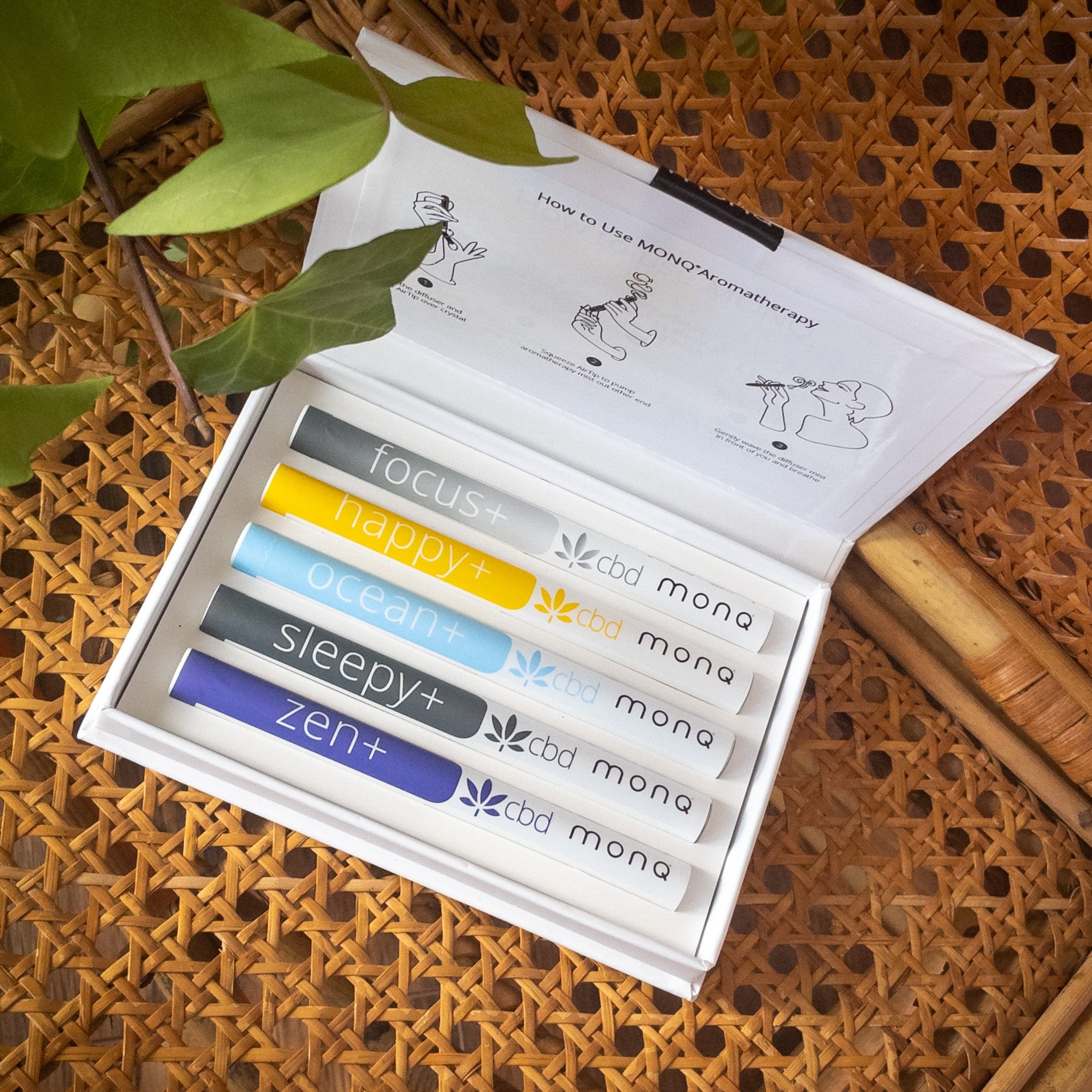
MONQ's signature blends draw on these ancient traditions, combining botanicals from around the world into portable aromatherapy experiences. Whether you are drawn to the grounding calm of frankincense to find inner balance, the bright energy of citrus in Happy MONQ, or the deep comfort of Relieve MONQ, you are connecting with botanical traditions that have supported human wellness since the earliest civilizations.
Explore the full collection of MONQ diffusers to find the blend that resonates with you, or visit the Dr. MONQ Wellness Guide for a deeper look at the science behind aromatherapy.
Disclaimer: The above information is provided for general wellness and educational purposes only. Please note that while individual essential oil ingredients may have been shown to exhibit certain independent effects when used alone, the specific blends of ingredients contained in MONQ diffusers have not been tested. No specific claims are being made that use of any MONQ diffusers will lead to any of the effects discussed above. Additionally, please note that MONQ diffusers have not been reviewed or approved by the U.S. Food and Drug Administration. MONQ diffusers are not intended to be used in the diagnosis, cure, mitigation, prevention, or treatment of any disease or medical condition. If you have a health condition or concern, please consult a physician or your alternative health care provider prior to using MONQ diffusers. MONQ blends should not be inhaled into the lungs. Why? It works better that way. No Nicotine Ever. Inhale through the mouth, exhale through the nose. MONQ Diffusers are not intended for individuals under 18, or women who are pregnant or nursing.










Leave a comment