Sandalwood Essential Oil Benefits Infographic
🎁 Welcome to MONQ! Buy One Get One 50% Off Sitewide
(Automatically applied at checkout)

Sandalwood essential oil, derived from the heartwood of the Santalum album tree, is renowned for its calming, grounding, and uplifting properties. Its rich, woody aroma has made it a staple in both aromatherapy and spiritual practices for centuries, often used to enhance meditation, promote relaxation, and relieve stress. Sandalwood oil is believed to support emotional balance by calming the mind and encouraging a deep sense of peace. It is also valued for its potential to improve focus, mental clarity, and overall emotional well-being.
Beyond its emotional benefits, sandalwood essential oil is prized in skincare for its anti-inflammatory and antimicrobial properties. It is commonly used to promote healthy, hydrated skin, helping to soothe dryness, irritation, and blemishes. Sandalwood oil is also known for its ability to support the skin's natural rejuvenation process, making it a popular ingredient in anti-aging skincare products. As with any essential oil, it is important to dilute sandalwood oil before topical use and to consult a healthcare provider, particularly for those with sensitive skin or specific health concerns.
What Is Sandalwood Essential Oil?
Sandalwood essential oil is steam-distilled from the dense, fragrant heartwood and roots of mature sandalwood trees. Santalum album - Indian or Mysore sandalwood - is the most prized species, requiring 40 to 80 years to reach full aromatic maturity. This slow growth cycle is what makes authentic sandalwood oil one of the most valuable and carefully sourced botanicals in the world.
Australian sandalwood (Santalum spicatum) is a widely available alternative with a drier, slightly less creamy scent profile. Both species are used in aromatherapy, though Indian sandalwood is the traditional standard for perfumery and ceremonial use.
The oil's dominant compounds are the sesquiterpene alcohols alpha-santalol and beta-santalol, which together comprise 70 to 90 percent of the oil. These compounds are responsible for sandalwood's characteristic creamy, warm, balsamic depth - and are the primary focus of research into its aromatic properties.
The Scent Profile
Sandalwood is a base note - it anchors a fragrance and provides lasting depth long after top notes have faded. Its scent character is:
- Warm and creamy - rich, smooth, enveloping
- Woody and resinous - deep, earthy, without sharpness
- Milky and soft - a quiet sweetness that never becomes cloying
- Grounding - an almost meditative quality that slows the pace of a fragrance
Sandalwood is among the most blendable base notes in existence - it works with florals, citrus, resins, spices, and lighter woods equally well. Its smoothness softens sharp edges and adds persistence to lighter aromatic compounds.
Aromatherapy Uses of Sandalwood
Grounding and Centering
Sandalwood's most widely recognized use in aromatherapy is as a grounding agent. Its scent has an inherently settling quality - it slows mental activity, reduces internal noise, and creates a sense of stillness. This is why sandalwood has been burned as incense in spiritual traditions across India, Japan, Tibet, and the Middle East for thousands of years. It creates a ceremonial atmosphere, signaling the mind to shift from active to contemplative states.
Meditation and Focus Support
Sandalwood is a traditional companion for meditation practice. The depth and persistence of its scent provide a stable aromatic anchor throughout a session - unlike lighter top notes that dissipate quickly, sandalwood maintains a consistent presence. This olfactory continuity supports sustained focus and helps the practitioner return to a centered state when the mind wanders.
Stress and Tension Support
Sandalwood's calming effects on the nervous system make it a frequently recommended oil for moments of stress or heightened mental tension. Its slow, warm character has the opposite of an alerting effect - it invites the body to breathe more deeply and the mind to settle. Used in the evening or during rest, it can serve as an aromatic signal that the demands of the day are finished.
Sleep Preparation
Alongside its stress-easing properties, sandalwood supports the wind-down phase before sleep. Its grounding, calming character pairs naturally with other sleep-supportive botanicals - and is commonly found in evening blends for exactly this reason. As a base note, it lingers in the environment longer than most essential oils, providing an extended aromatic context for rest.
Mood and Emotional Balance
Sandalwood has a reputation for emotional warmth - it creates a sense of quiet confidence and self-possession without either sedating or stimulating. In traditional Ayurvedic practice, it is associated with the heart and emotional center, used to bring balance during periods of agitation, grief, or excessive mental activity.
Sandalwood in MONQ Blends
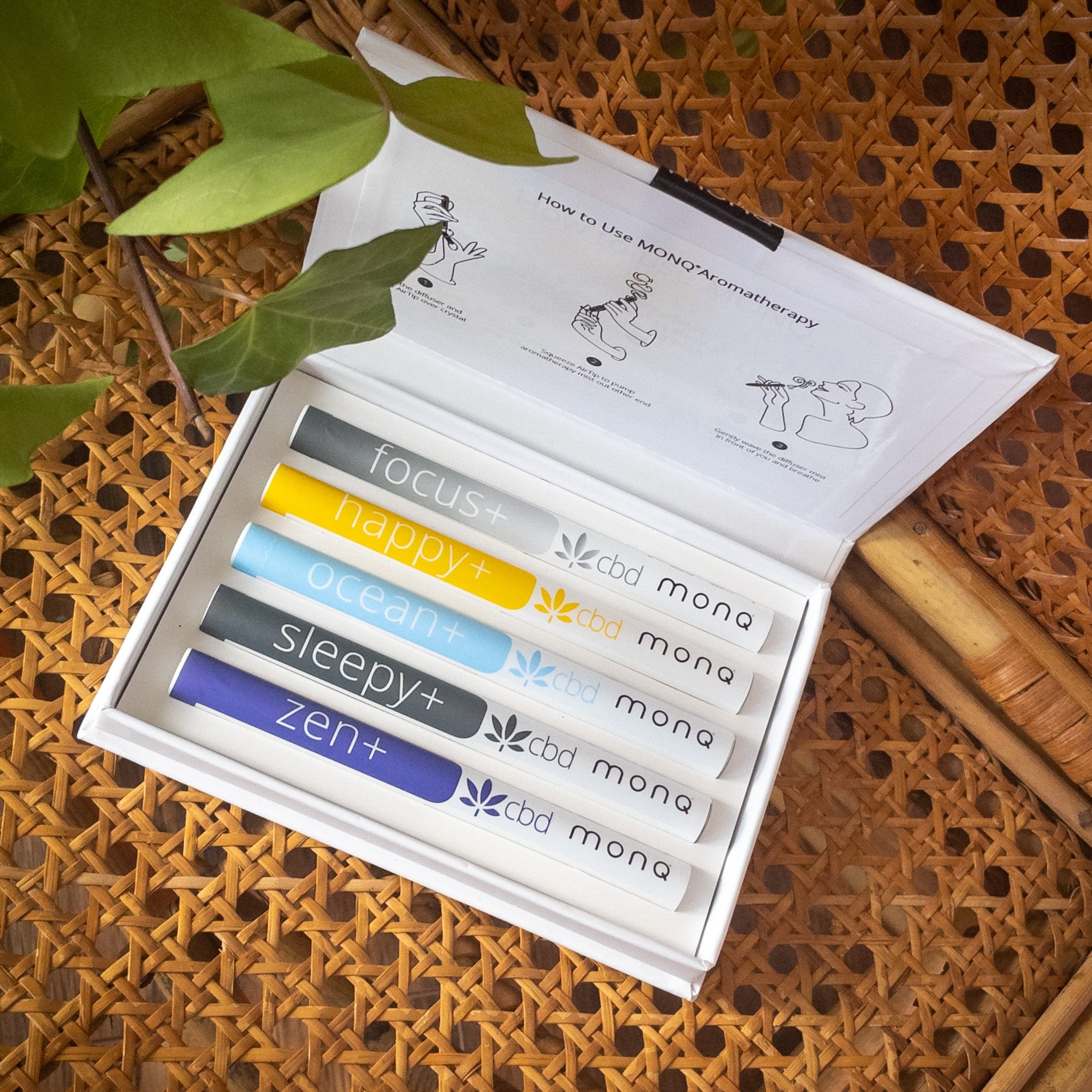
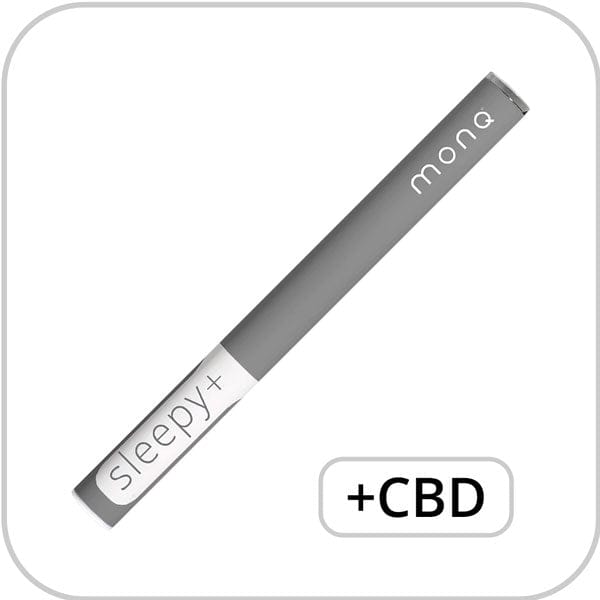
Sandalwood is a key ingredient in Sleepy MONQ, MONQ's signature evening blend. Here, sandalwood anchors a trio of bergamot, chamomile, and lavender with its characteristic warm, woody depth - providing the grounding base note that allows the lighter florals and citrus to bloom above it. The result is a blend that moves from fresh and soft to warm and enveloping, designed for the transition from evening activity to restful calm.
Sleepy MONQ is also available as Sleepy MONQ+CBD, which adds American-grown CBD isolate (0.0% THC) to the same botanical formula. Both versions are intended for use as part of an evening ritual, not during active work or focus hours.
Sandalwood is one of MONQ's most grounding base ingredients - bringing the slow, meditative character of ancient aromatic tradition into a modern, portable format.
Sustainability and Sourcing
Because Indian sandalwood requires decades of growth to reach aromatic maturity, responsible sourcing is a critical concern. Overharvesting has placed Santalum album under significant pressure in its native range, and the species is now regulated in India with strict harvest quotas. When purchasing sandalwood essential oil, look for sourcing from certified sustainable plantations in Australia and the Pacific Islands, which have developed responsible cultivation programs to meet global demand without depleting natural populations.
Australian sandalwood (Santalum spicatum) has emerged as a high-quality, more sustainably available alternative and is increasingly used by aromatherapy formulators as a responsible choice without significant compromise on aromatic character.
How to Use Sandalwood Essential Oil
- Diffuser: Add 3 to 4 drops to a water-based diffuser during meditation, evening relaxation, or yoga practice
- Topical (diluted): Mix into a carrier oil at 2 to 3 percent concentration for pulse points or dry skin areas - never apply undiluted
- Personal aromatherapy: MONQ portable diffusers deliver sandalwood's grounding character on demand, wherever you are
- Blending: Sandalwood functions as a fixative in blends - add to other oils to extend their longevity and smooth sharp edges
- Evening ritual: Pair with lavender and chamomile for a complete pre-sleep aromatic environment
If you're drawn to warm, woody base notes for grounding and meditation, you may also want to explore our guide to buddha wood essential oil, an Australian aromatic with a dry, earthy-woody character that pairs naturally with sandalwood in complex blends.
Disclaimer: The above information is provided for general wellness and educational purposes only. Please note that while individual essential oil ingredients may have been shown to exhibit certain independent effects when used alone, the specific blends of ingredients contained in MONQ diffusers have not been tested. No specific claims are being made that use of any MONQ diffusers will lead to any of the effects discussed above. Additionally, please note that MONQ diffusers have not been reviewed or approved by the U.S. Food and Drug Administration. MONQ diffusers are not intended to be used in the diagnosis, cure, mitigation, prevention, or treatment of any disease or medical condition. If you have a health condition or concern, please consult a physician or your alternative health care provider prior to using MONQ diffusers. MONQ blends should not be inhaled into the lungs. Why? It works better that way. No Nicotine Ever in MONQ Pens. Inhale through the mouth, exhale through the nose. MONQ Diffusers are not intended for individuals under 18, or women who are pregnant or nursing.