

Nurturing Mental Wellness

As we embark on the journey of assessing our well-being, it is crucial to recognize that true health extends beyond just the physical realm. May has held the mantle of Mental Health Month since 1949, serving as a meaningful reminder of the significance of nurturing our mental landscapes for a fulfilling life. Yet the need to care for our minds does not end when the calendar page turns - mental wellness is a year-round commitment that deserves the same attention we give our physical health.
Understanding Mental Health: More Than the Absence of Illness
Mental health is not simply the absence of mental illness. At its highest expression, it empowers individuals to maintain equilibrium amidst life's constant change, fostering adaptability and resilience. The World Health Organization defines mental health as a state of well-being in which every individual realizes his or her own potential, can cope with the normal stresses of life, can work productively, and is able to make a contribution to their community.
Mental illness, by contrast, encompasses a wide range of conditions that affect mood, cognition, and behavior - shaping our experiences and relationships in diverse ways. According to the National Institute of Mental Health, nearly one in five adults in the United States lives with a mental illness each year. One in seventeen contends with more complex conditions such as bipolar disorder or severe depression.
The Numbers That Tell a Deeper Story
Mental health conditions often take root far earlier than many people realize. Startlingly, over 75% of all mental health conditions fully develop by age 24. This pivotal period underscores the importance of early intervention and keen observation. Recognizing the early signs of mental health challenges in young people - shifts in mood, withdrawal from activities, changes in sleep or appetite - can make a profound difference in outcomes.
The scope of mental health awareness extends well into adulthood, where stressors like workplace pressure, financial strain, and relationship challenges can erode mental fortitude over time. Biochemical imbalances and genetic predispositions also factor into the equation. Remarkably, even dietary habits can significantly influence brain function and emotional well-being - the gut-brain connection is an active area of research that continues to reveal just how deeply our physical and mental states are intertwined.
Why Mental Health Awareness Matters
Robust mental health equips us with the tools to navigate stress and enhances cognitive function, propelling personal and communal achievements. When we are mentally well, we make better decisions, maintain stronger relationships, and engage more fully with life. Conversely, untreated mental health challenges can spill into every corner of existence - affecting sleep, productivity, physical health, and the ability to experience joy.
Yet despite meaningful strides in treatment accessibility, mental health conditions often go unaddressed due to persistent misconceptions and stigma. People may delay seeking help for years, waiting until a crisis forces the issue. Societal attitudes are slowly evolving, and that evolution depends on each of us choosing to speak openly, listen without judgment, and treat mental health with the same seriousness we give a broken bone or a persistent fever.
Practical Steps for Nurturing Mental Wellness
Cultivating mental wellness does not require dramatic gestures. The most effective approaches are often woven quietly into daily life:
Establish Grounding Rituals
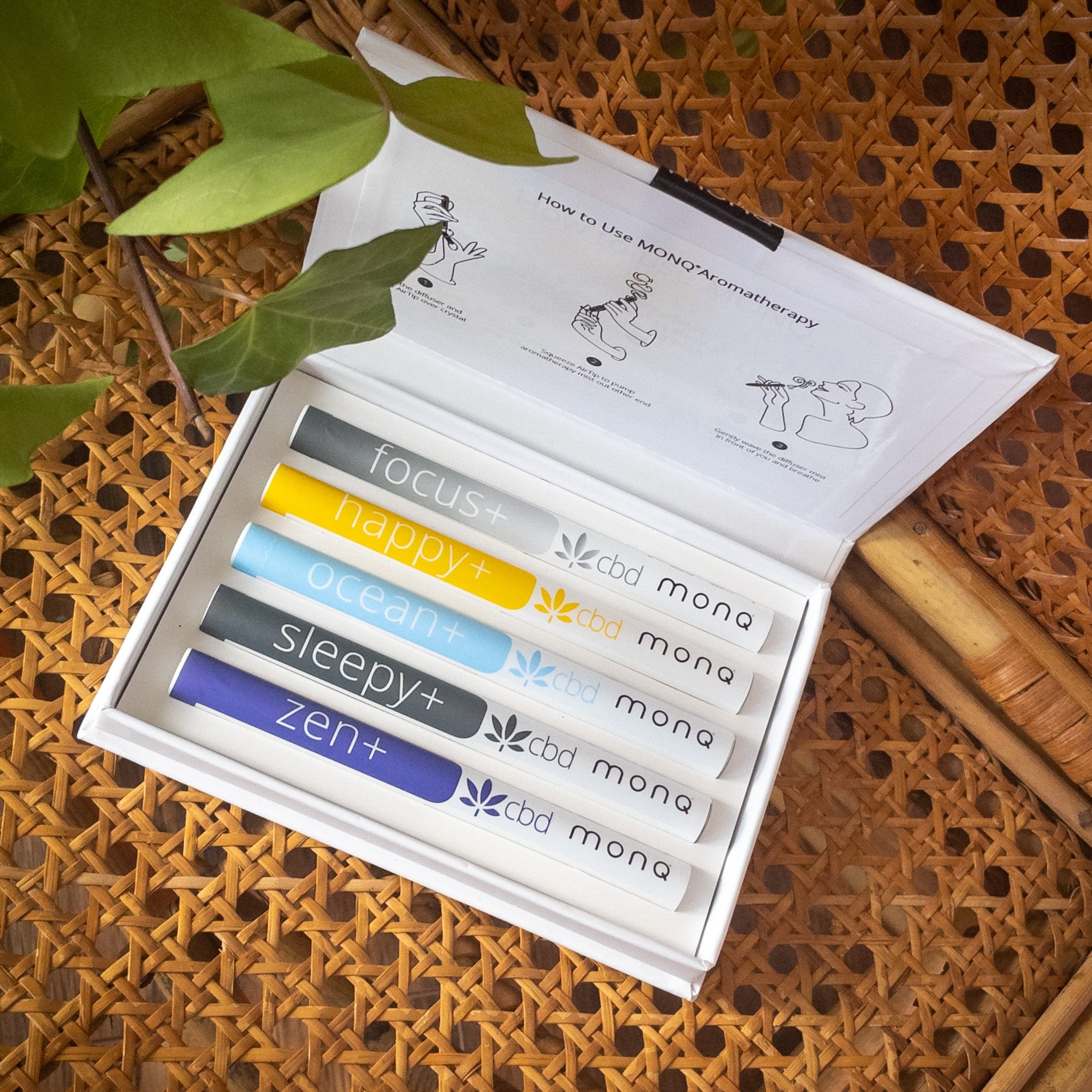
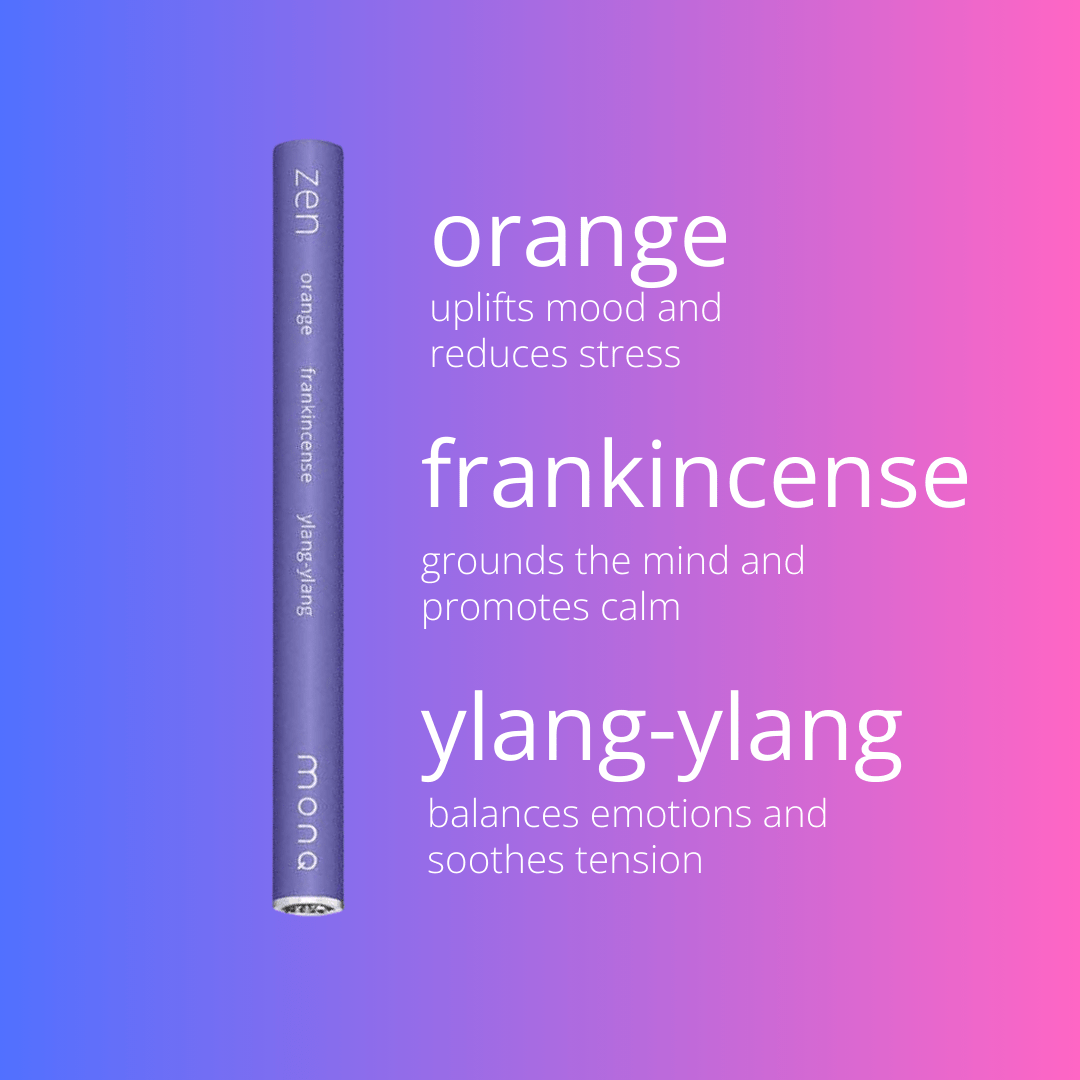
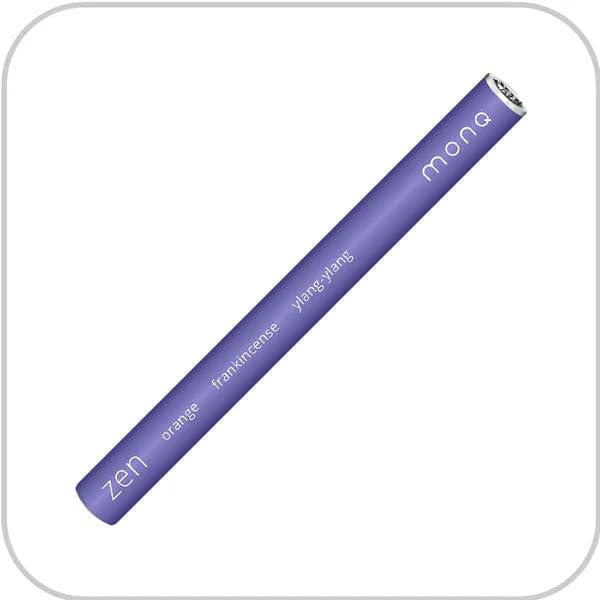
Starting and ending the day with intentional practices builds a sense of stability. This might mean five minutes of deep breathing each morning, a short walk at dusk, or journaling before bed. These rituals signal to the nervous system that it is safe to settle. Many people find that incorporating calming aromatherapy into these moments deepens the sense of grounding - blends featuring lavender, chamomile, and ylang-ylang have long been used in wellness traditions to support a relaxed mental state. Zen MONQ, with its blend of frankincense, sweet orange, and ylang-ylang, makes a natural companion to a mindfulness practice.
Prioritize Sleep
Sleep and mental health are deeply interconnected. Poor sleep can worsen mood regulation, increase the emotional reactivity of the amygdala, and impair the prefrontal cortex's ability to apply rational thinking. Making sleep a non-negotiable priority - with consistent bedtimes, a cool dark room, and a wind-down ritual - is one of the highest-leverage investments you can make in your mental well-being. If racing thoughts make sleep elusive, Sleepy MONQ, blending lavender, chamomile, and bergamot, can help create a sensory transition from the busyness of the day to the calm of night.
Move Your Body
Physical activity is one of the most well-researched and effective supports for mental wellness. Even moderate exercise - a 30-minute walk, a yoga session, or cycling - has been shown to reduce the markers of psychological distress and improve mood. Movement releases endorphins, supports healthy sleep architecture, and provides a sense of competence and agency that can be profoundly grounding when life feels out of control.
Cultivate Connection
Social connection is a fundamental human need. Isolation can amplify negative thought patterns and reduce access to practical support. Investing time in relationships - whether with family, friends, or community - builds the kind of resilient social fabric that buffers against life's difficulties. Sharing personal experiences of mental health challenges, when you feel ready and safe, is one of the most powerful ways to reduce stigma and remind others that they are not alone.
Breathe with Intention
The breath is one of the few physiological functions that operates both automatically and voluntarily - making it a uniquely accessible tool for nervous system regulation. Slow, diaphragmatic breathing activates the parasympathetic nervous system, counteracting the stress response. Pairing intentional breathing with aromatherapy can amplify this effect. Peace MONQ, featuring frankincense, rosemary, and yellow mandarin, offers a serene aromatic backdrop for breathwork and meditation.
Building a Culture of Mental Wellness
Mental wellness is not only an individual pursuit - it is a collective one. Families, workplaces, schools, and communities all play a role in either reinforcing or dismantling the conditions that support mental health. Combatting negative stigmas fosters a culture of openness, empowering individuals to seek assistance without fear or shame. Acknowledging mental illness as a natural and treatable facet of human experience emboldens people to seek support early, before concerns escalate into crises.
When we extend compassion to ourselves and to others navigating mental health challenges, we participate in something larger - a cultural shift toward wholeness. Sharing personal experiences becomes invaluable not just for the speaker but for the listener who may recognize their own struggle and feel less alone.
For those seeking additional support, the American Psychological Association offers evidence-based resources on building resilience and finding professional care.
The Role of Aromatherapy in a Mental Wellness Toolkit
Aromatherapy has been used across cultures for thousands of years as a tool for emotional regulation and mental clarity. While aromatherapy is not a treatment for mental illness, many people find that incorporating calming or uplifting scents into their daily rituals helps create the conditions for greater ease, focus, and emotional balance. The olfactory system has a uniquely direct connection to the limbic system - the brain's emotional center - which may explain why certain scents can shift mood and mental state so quickly.
MONQ's personal aromatherapy diffusers bring this ancient practice into modern life in a portable, accessible format. Whether you are building a morning grounding ritual, winding down after a demanding day, or simply pausing to breathe, Happy MONQ - with its blend of fennel, thyme, and vanilla - can help bring a sense of warmth and lightness to the moment.
Explore MONQ's full collection at our story and mission page to learn more about the science and philosophy behind our blends.*
Disclaimer: The above information is provided for general wellness and educational purposes only. Please note that while individual essential oil ingredients may have been shown to exhibit certain independent effects when used alone, the specific blends of ingredients contained in MONQ diffusers have not been tested. No specific claims are being made that use of any MONQ diffusers will lead to any of the effects discussed above. Additionally, please note that MONQ diffusers have not been reviewed or approved by the U.S. Food and Drug Administration. MONQ diffusers are not intended to be used in the diagnosis, cure, mitigation, prevention, or treatment of any disease or medical condition. If you have a health condition or concern, please consult a physician or your alternative health care provider prior to using MONQ diffusers. MONQ blends should not be inhaled into the lungs. Why? It works better that way. No Nicotine Ever. Inhale through the mouth, exhale through the nose. MONQ Diffusers are not intended for individuals under 18, or women who are pregnant or nursing.










Leave a comment