

Mind and Muscle: The Exercise-Wellness Connection

Did you know? Flexing your muscles does more than just sculpt your physique - it also polishes your mind. The realm of exercise extends far beyond just physical prowess; it dances with the intricate choreography of mental health.
In our tech-driven age, where screens and stress are constant companions, ensuring mental agility and resilience is paramount. And regular, invigorating exercise is your ticket to that cognitive vitality.
Journey into the Heart of Exercise and Mental Well-being
Mental health challenges are sprouting at an alarming pace, affecting every age group. Causes are multifaceted, ranging from dietary choices and social media immersion to, unsurprisingly, a sedentary lifestyle.
But there is hope on the horizon. Introducing a measure of movement into daily routines can be transformative. Experts are heralding exercise not just as a preventive measure for mental decline but also as an essential pillar for mental rejuvenation.
With its power to rejuvenate the body, stimulate the mind, and calm the nerves, exercise has made a promising debut in therapeutic realms. Its standout feature? Mitigating the taxing effects of stress.
Six Ways Exercise Elevates Mental Well-being
-
Brain Sculpting: A thriving brain craves movement. Research suggests that exercise bolsters white matter, pivotal for efficient neural communication. Moreover, exercise sparks BDNF (brain-derived neurotrophic factor) expression, promoting brain growth and offsetting stress-induced wear and tear. A comprehensive review published in Neuroscience and Biobehavioral Reviews details the mechanisms by which aerobic exercise supports neuroplasticity and cognitive function.
-
Stress Resilience: Ever felt the jolt of sudden danger? That is your body's fight-or-flight reflex in action. Persistent stress, however, can be deeply draining. Exercise functions as a biological training ground for the stress response - regular movement reinforces resilience and reduces the physiological impact of daily stressors over time.
-
Neurotransmitter Balance: What gives athletes their post-workout sense of ease and wellbeing? It is partly the cascade of neurotransmitters released during sustained movement - compounds like dopamine, serotonin, and endorphins that shape mood and motivation. This is the biochemical basis of what people often call the "runner's high," and it is accessible to anyone who moves consistently, not just elite athletes.
-
Empowering Self-Image: Flexing your physical capabilities does wonders for self-belief. Consistent exercise over time strengthens not just the body but your sense of agency and confidence in your own capacity. The process of setting movement goals - however modest - and meeting them is genuinely transformative for self-perception.
-
Nature's Mood-Lifter: Going outside is not just about the sun-kissed glow. Sunlight delivers Vitamin D, a natural mood supporter. Couple that with outdoor exercise and you tap into nature's full aromatic toolkit - including terpenes, the plant-derived secondary metabolites that MONQ was founded to help people reconnect with. These compounds, found abundantly in forests, parks, and even city gardens, play a meaningful role in the mood-lifting effect of outdoor movement.
-
Protecting Memory: As years advance, the brain's memory center - the hippocampus - tends to shrink, increasing the risk of cognitive decline. A life that includes consistent exercise functions as long-term support for your memory bank. Research published in British Journal of Sports Medicine has found that exercise interventions support improved memory performance in adults across age groups.
The Aromatherapy-Exercise Connection
One underexplored dimension of the exercise-wellness relationship involves aromatherapy. When you exercise outdoors - especially in natural environments like forests, parks, or near water - you are breathing in a complex mixture of plant-derived compounds, including terpenes, that contribute to what researchers call the "restorative environment" effect. These are not trivial background elements; they are part of why outdoor exercise tends to feel meaningfully different from the same workout performed indoors.
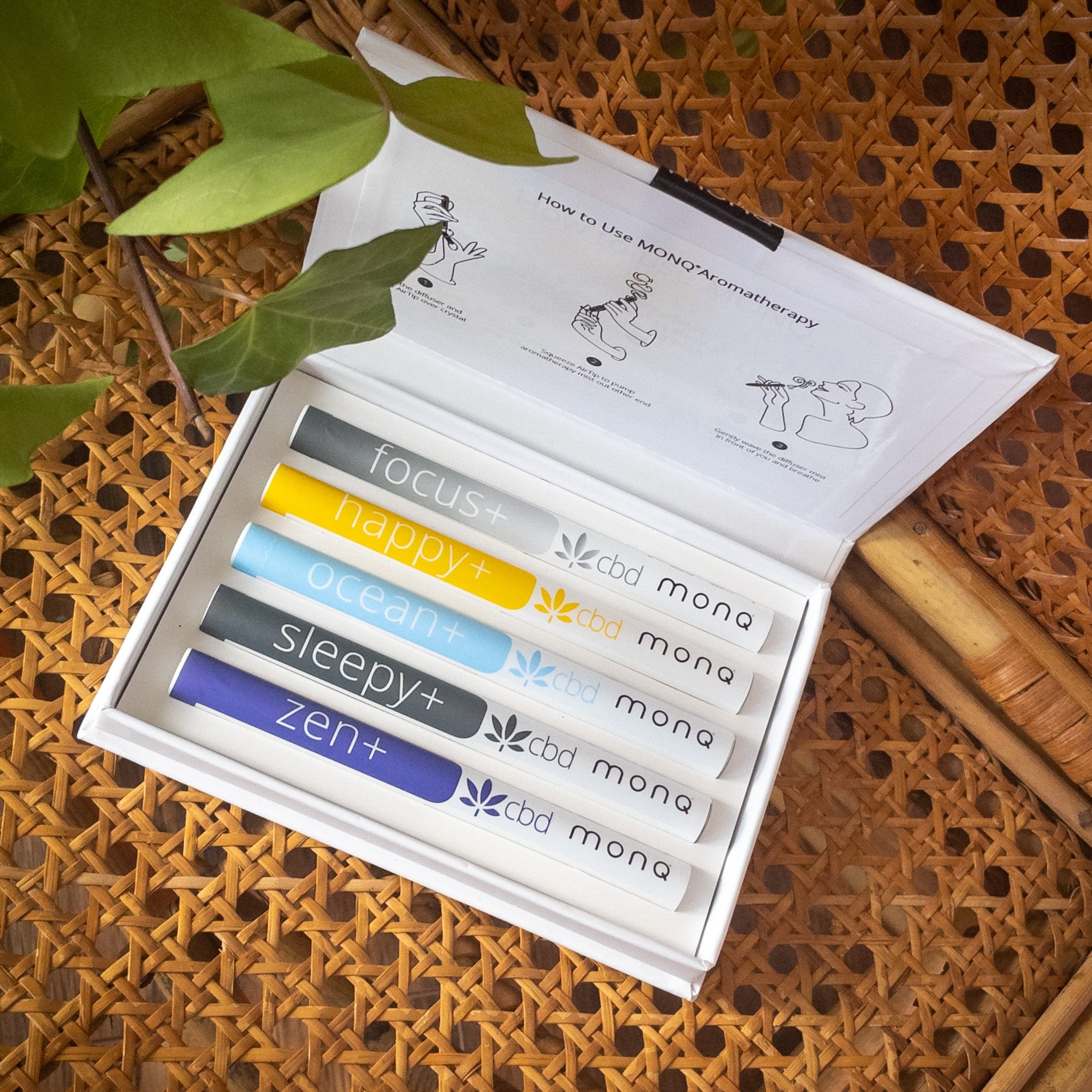
MONQ personal aromatherapy diffusers can bring elements of this aromatic environment into your indoor movement practice. The Forest MONQ blend captures the distinctive aromatic profile of a wooded environment - pine, cedar, and earthy base notes - while the Fresh MONQ blend delivers the bright, clarifying aromatics of open air. Used before or after exercise, these blends support the sensory environment that complements physical movement.
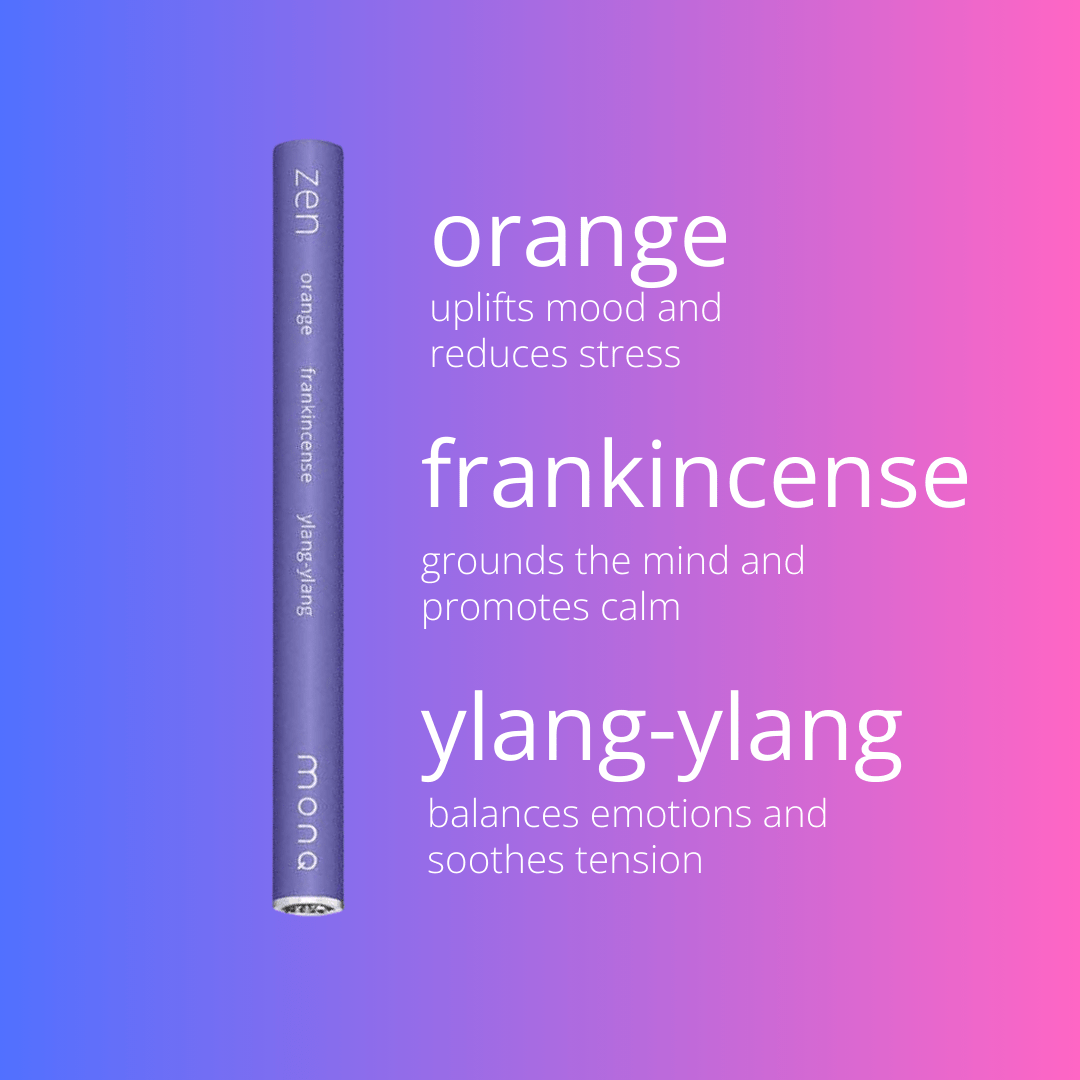
For those who practice yoga, meditation, or breathwork as part of their wellness routine, the Zen MONQ blend is designed specifically to support a calm, focused mental state - the kind that makes mindful movement more effective and more enjoyable.
How Much Exercise Is Enough?
Here is the good news: you do not need to run a marathon to access the mental benefits of exercise. Research consistently shows that even modest, consistent movement delivers significant cognitive and emotional returns. Most guidelines suggest that 150-200 minutes of moderate-intensity movement per week - roughly 20-30 minutes most days - is sufficient to support meaningful improvements in mood, cognition, and stress resilience.
The key variable is consistency, not intensity. A gentle 20-minute walk taken daily does more for long-term mental wellness than an occasional intense workout followed by days of sedentary recovery. Find movement that you genuinely enjoy, because sustainable wellness is built on practices you actually want to repeat.
Putting It All Together
Craving a sculpted physique might call for intensive regimes, but to access the mental and emotional benefits of exercise, the bar is much lower. Step outside, elevate your heartbeat, move for 20-30 minutes. That is genuinely enough to begin shifting your neurochemistry, supporting your memory, and building stress resilience over time.
As days roll by, tailor your routines to your comfort and goals. Harmonize your movement practice with the rhythms of overall well-being - including quality sleep, nutrient-rich food, meaningful connection, and, where it fits naturally, the supportive presence of aromatherapy as a sensory companion to your daily practice.
Disclaimer: The above information is provided for general wellness and educational purposes only. Please note that while individual essential oil ingredients may have been shown to exhibit certain independent effects when used alone, the specific blends of ingredients contained in MONQ diffusers have not been tested. No specific claims are being made that use of any MONQ diffusers will lead to any of the effects discussed above. Additionally, please note that MONQ diffusers have not been reviewed or approved by the U.S. Food and Drug Administration. MONQ diffusers are not intended to be used in the diagnosis, cure, mitigation, prevention, or treatment of any disease or medical condition. If you have a health condition or concern, please consult a physician or your alternative health care provider prior to using MONQ diffusers. MONQ blends should not be inhaled into the lungs. Why? It works better that way. No Nicotine Ever. Inhale through the mouth, exhale through the nose. MONQ Diffusers are not intended for individuals under 18, or women who are pregnant or nursing.










Leave a comment