

Exploring the Realm of Energy Healing

In the contemporary world, energy healing - an ancient practice rooted in diverse cultural traditions - is experiencing a significant surge of interest. Despite sometimes being misunderstood or dismissed by those unfamiliar with its principles, energy healing has attracted growing attention from wellness practitioners, researchers, and individuals seeking more integrative approaches to health. This exploration offers insights into its fundamental principles, historical traditions, and practical applications for personal well-being.
Tracing the Origins of Energy Healing
While energy healing may seem novel to many Westerners, its roots stretch deep into the ancient past. Cultures across the world recognized the existence of subtle energy systems within the human body and developed sophisticated practices for working with those systems to support health and vitality.
Traditional Chinese Medicine (TCM), one of the world's oldest continuously practiced medical systems, is built on the concept of qi (sometimes written "chi") - the vital life force that flows through pathways in the body called meridians. When qi flows freely and in balance, health is maintained. When it becomes blocked, stagnant, or depleted, illness may follow. Practices like acupuncture, acupressure, tai chi, and qigong are all designed to influence this energy flow.
Ayurveda, the traditional medicine system of India, describes a similar organizing principle through the concept of prana - the life force that animates all living things. The chakra system, which maps seven major energy centers along the spine from root to crown, offers a complementary framework for understanding how energy organizes within the body and how different centers correspond to different aspects of physical, emotional, and spiritual experience.
Archaeological discoveries, including ancient stone tools used for acupuncture-like practices dating back thousands of years, attest to humanity's long history of working with the body's subtle energy systems. Across civilizations - from the Aztecs to ancient Egypt - evidence suggests a deep and persistent understanding of energy healing principles that transcended cultural boundaries.
Perspectives on Health: East versus West
Western medicine has historically focused on the physical and biochemical mechanisms of disease - identifying pathogens, correcting structural abnormalities, and managing symptoms through pharmaceutical or surgical intervention. This approach has produced extraordinary achievements and saved countless lives.
Ancient and Eastern healing traditions, however, approach health from a different angle. Rather than focusing primarily on symptom management, these traditions view symptoms as manifestations of underlying imbalances in the body, mind, or spirit. A persistent headache is not merely a problem to be suppressed with medication but a signal from the body that something in the whole system needs attention. Rather than treating the headache in isolation, the practitioner asks: what is out of balance? What is the body trying to communicate?
This holistic framework does not reject the value of Western medicine - rather, it invites a more complete picture of health that considers the person's whole life context, not only their presenting symptoms. The growing field of integrative medicine attempts to bridge these two perspectives, drawing on the strengths of both.
Energy Healing in the Modern World
Energy healing practices continue to evolve and gain recognition in contemporary healthcare settings. Reiki, a Japanese practice developed in the early twentieth century, is now offered in hospitals and clinical settings around the world. According to the Healthline Health Reference, research on Reiki has explored its potential to support relaxation, reduce the subjective experience of distress, and complement conventional medical care during procedures and recovery.
Other energy-based practices gaining mainstream recognition include:
- Therapeutic Touch: A nursing practice that involves the practitioner sensing and redirecting the patient's energy field to support healing.
- Healing Touch: Similar to Therapeutic Touch, this evidence-informed practice is used in nursing and integrative health settings and has been studied in the context of post-surgical recovery and chronic pain management.
- Acupuncture: Now widely accepted in Western healthcare, particularly for pain management, acupuncture is one of the energy healing practices with the most robust body of clinical research.
- Sound Healing: Using vibration - through singing bowls, tuning forks, or voice - to influence the body's energy field and support relaxation and well-being.
- Breathwork: Specific breathing techniques designed to alter the body's physiological state and access deeper layers of emotional and energetic experience.
Quantum Physics and the New Science of Energy
The emergence of quantum physics has provided a new conceptual framework that some researchers believe offers scientific grounding for understanding energy healing. At the quantum level, matter is not solid and fixed but dynamic and relational - a field of potential that collapses into specific forms through observation and interaction. The boundaries between objects, between bodies, between self and environment, are far less distinct at the quantum level than they appear in our everyday experience.
This does not prove the mechanisms of energy healing, but it does challenge the materialist assumptions that led many Western scientists to dismiss it outright. The conversation between ancient wisdom and emerging science is one of the most interesting intellectual territories in contemporary wellness research.
Aromatherapy as an Energy Practice
Aromatherapy has its own long history as a form of energetic and vibrational medicine. Essential oils carry the aromatic intelligence of plants - concentrated expressions of each plant's life force, evolved over millions of years for specific biological functions. Many energy healing traditions incorporate specific oils or plant materials for their perceived ability to clear, calm, uplift, or ground the energetic field.
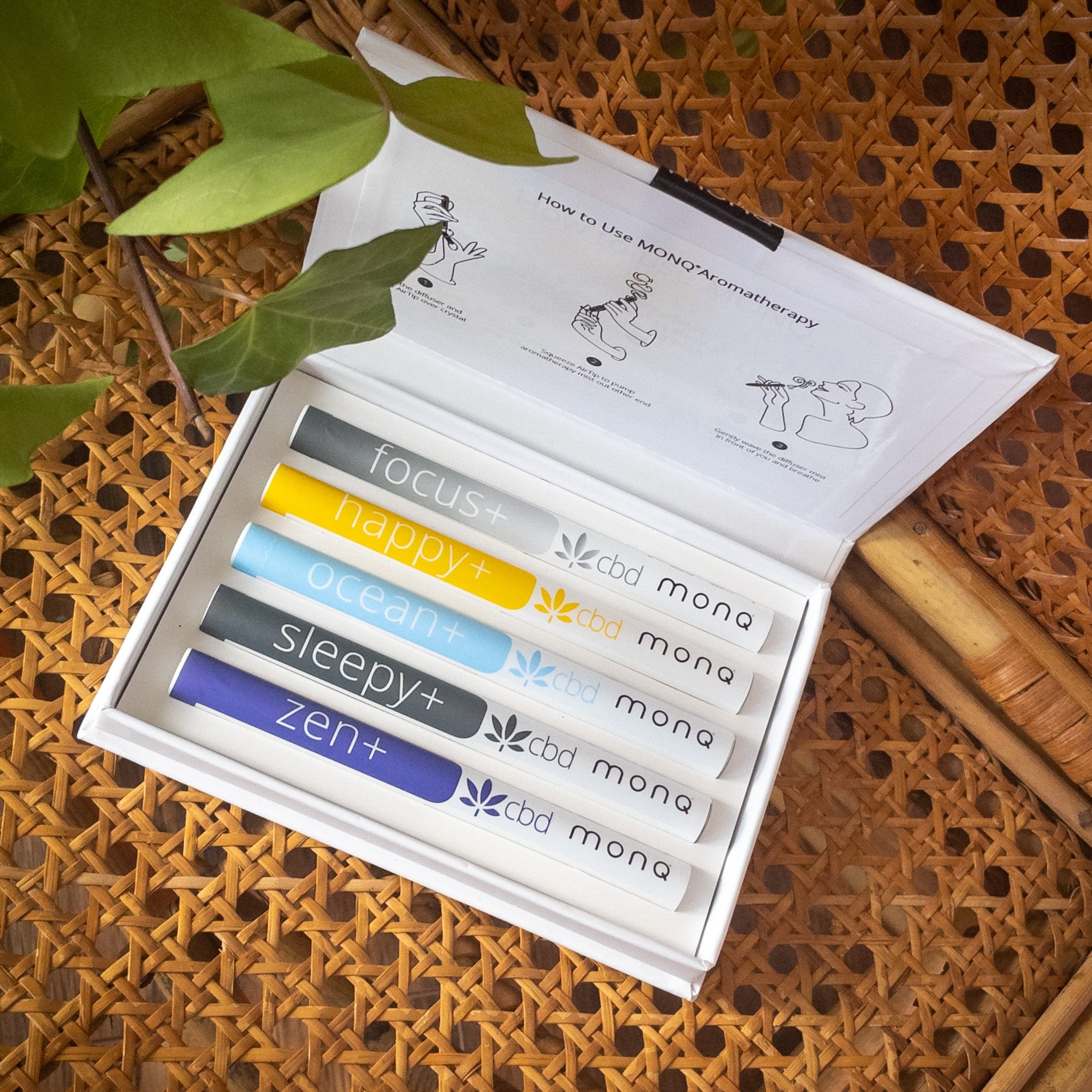
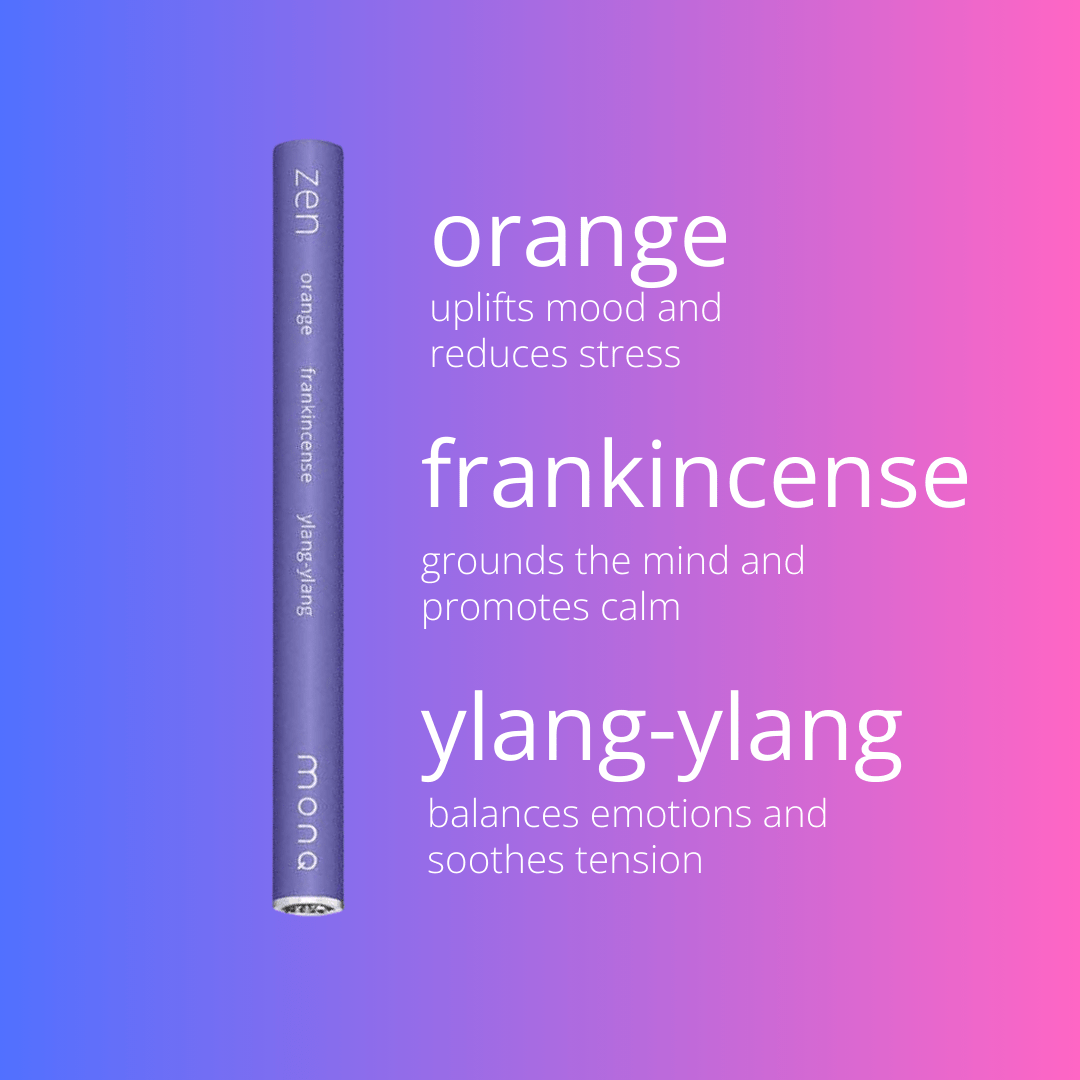
In practical terms, aromatherapy can support energy healing practices by creating a sensory environment that promotes deep relaxation, presence, and openness to the healing process. Peace MONQ, with its grounding blend of frankincense, rosemary, and yellow mandarin, has been a natural companion to meditative and healing practices for many practitioners. Zen MONQ, featuring the deeply centering energy of frankincense and ylang-ylang, supports the kind of still presence that energy healing often requires.
Integrating Energy Healing into a Wellness Practice
You do not need to become an expert or invest in specialized training to begin exploring energy healing practices. Many are accessible, simple, and can be woven into daily life with ease:
- Begin a morning meditation practice that includes attention to the breath and body sensation.
- Explore qigong or tai chi videos online as an introduction to movement-based energy practices.
- Book a session with a certified Reiki practitioner to experience hands-on energy work.
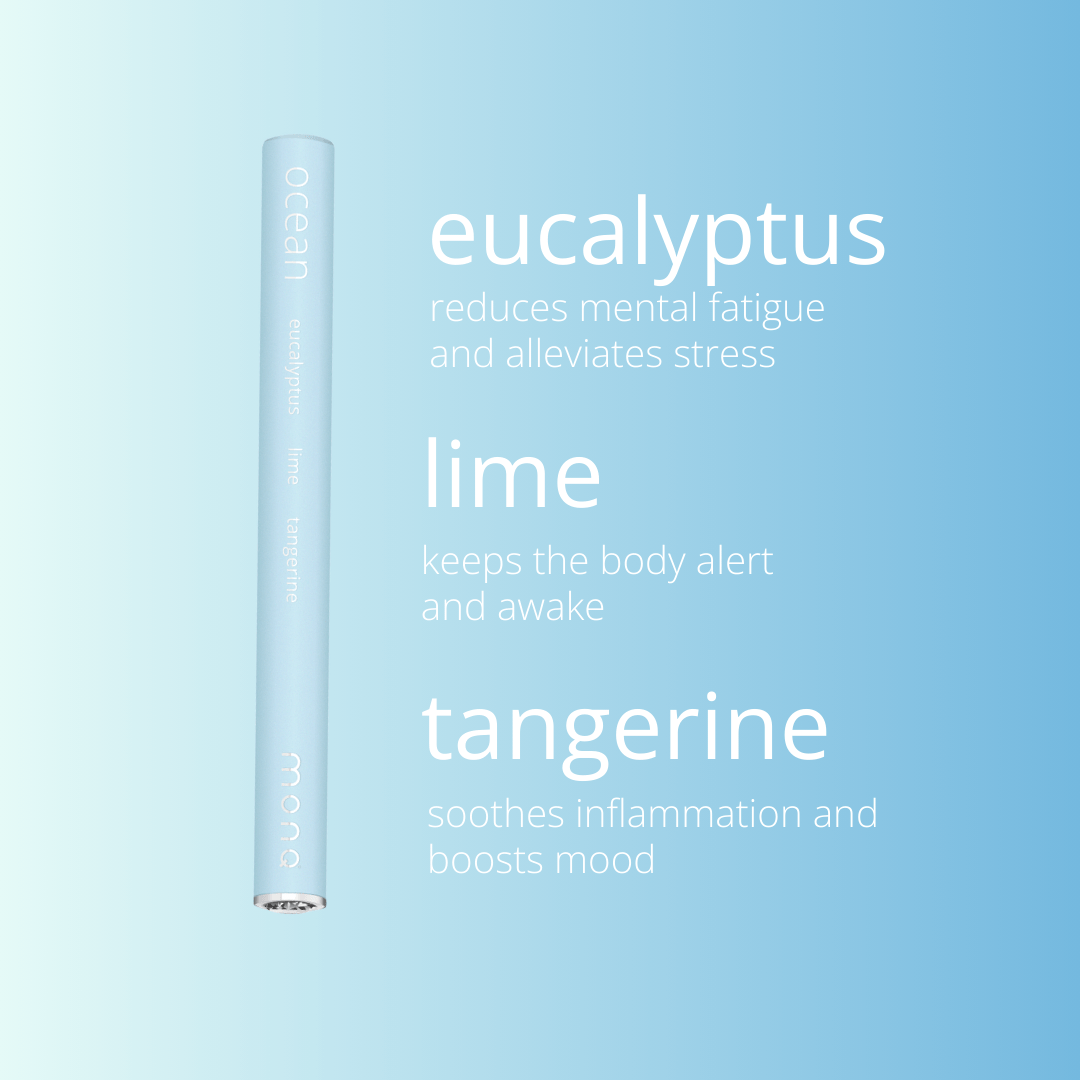
- Create a calming aromatherapy ritual - lighting a candle, diffusing essential oils, or using a personal diffuser - as a daily grounding practice.
- Spend time in nature, which many traditions regard as the most effective source of energetic renewal.
Energy healing, with its ancient roots and growing scientific dialogue, offers a compelling complement to conventional approaches to health. By understanding its historical significance and contemporary relevance, each person can make informed decisions about incorporating these practices into their own wellness journey.
For those interested in the intersection of aromatherapy and holistic wellness, MONQ's Dr. MONQ Wellness Guide offers deeper exploration of how scent and botanical intelligence can support a more grounded, intentional life. Happy MONQ, with its warm, uplifting blend of fennel, thyme, and vanilla, brings a sense of vitality and joy to any wellness ritual.*
Disclaimer: The above information is provided for general wellness and educational purposes only. Please note that while individual essential oil ingredients may have been shown to exhibit certain independent effects when used alone, the specific blends of ingredients contained in MONQ diffusers have not been tested. No specific claims are being made that use of any MONQ diffusers will lead to any of the effects discussed above. Additionally, please note that MONQ diffusers have not been reviewed or approved by the U.S. Food and Drug Administration. MONQ diffusers are not intended to be used in the diagnosis, cure, mitigation, prevention, or treatment of any disease or medical condition. If you have a health condition or concern, please consult a physician or your alternative health care provider prior to using MONQ diffusers. MONQ blends should not be inhaled into the lungs. Why? It works better that way. No Nicotine Ever. Inhale through the mouth, exhale through the nose. MONQ Diffusers are not intended for individuals under 18, or women who are pregnant or nursing.










Leave a comment