

Discover the Flexibility Advantage

Flexibility is not just about touching your toes. It is about unlocking a cascade of physical and mental benefits that ripple through every dimension of your daily life. From reducing discomfort to improving posture, boosting circulation, and even sharpening mental clarity, the practice of developing and maintaining flexibility is one of the most accessible and underrated investments you can make in your long-term well-being. Ready to stretch your way to a better version of yourself? Let's explore how.
What Flexibility Actually Means for Your Body
Flexibility refers to the range of motion available at a joint or group of joints. It is influenced by the elasticity of the muscles, tendons, and ligaments surrounding that joint, as well as by the nervous system's willingness to allow that range of motion to be accessed. This is an important distinction - flexibility is not purely a structural property of tissue but a dynamic relationship between your body and your nervous system.
Picture joints gliding smoothly, muscles moving with ease, and your posture standing naturally tall without effort. That is the lived experience of genuine flexibility. Beyond the physical feats that flexibility enables - the yoga pose, the deep squat, the easy overhead reach - flexibility safeguards joint health, improves movement patterns, and supports impeccable posture. It is the key to unlocking your body's full functional potential well into later life.
Stretching: Your Back's Best Friend
Back discomfort is among the most common physical complaints in the modern world, and much of it is rooted in tight, shortened muscles and poor movement patterns reinforced by long hours of sitting. The hip flexors, hamstrings, and thoracic spine are particularly prone to tightening in sedentary lifestyles, pulling on the lumbar spine and creating the persistent ache that many people accept as an unavoidable feature of adult life.
Regular stretching targets these key areas, lengthening tight structures and giving the spine the mobile support it needs. A consistent stretching practice does not just relieve existing discomfort - it builds the kind of muscular balance that prevents new problems from developing. Think of it as maintenance for the structural system that holds you upright through everything you do.
Ease Tension Headaches with Targeted Stretching
Many tension headaches originate not in the head itself but in the neck, shoulders, and upper back - areas that become chronically tight under the weight of stress, forward head posture, and time spent looking at screens. The suboccipital muscles at the base of the skull, the trapezius, and the levator scapulae are frequent contributors to tension-type head discomfort.
Gentle, consistent stretching of the cervical spine and shoulder girdle can significantly reduce the frequency and intensity of tension headaches for many people. Movements like neck rolls, chin tucks, upper trapezius stretches, and thoracic opening exercises create space in exactly the areas that tend to compress under stress. Pairing these stretches with aromatherapy can deepen the relaxation response - the olfactory system has a direct pathway to the nervous system, and calming scents can help the muscles release more fully. Relieve MONQ, with its blend of chamomile, eucalyptus, copaiba, and ginger, is a natural companion to a stretch session focused on easing physical tension.
Stretching Safely: A Gentle, Sustainable Approach
The old "no pain, no gain" philosophy has no place in a thoughtful flexibility practice. Overstretching - pushing into pain or forcing a joint beyond its comfortable range - can cause micro-tears in muscle tissue, trigger the stretch reflex (which actually makes the muscle contract rather than lengthen), and lead to the kind of injury that sets progress back significantly.
The effective approach is slow, consistent, and respectful of the body's signals. Here are the core principles:
- Warm up first: Cold muscles are less pliable and more prone to injury. A five-minute walk, light cycling, or gentle joint circles prepares the tissues for deeper work.
- Breathe continuously: Holding the breath activates the sympathetic nervous system and can cause muscles to guard. Full, relaxed breaths signal safety and allow deeper release.
- Hold static stretches for 30-60 seconds: Research suggests that holds under 15 seconds produce minimal lasting change. Longer holds allow the nervous system to adapt and the muscle spindles to reset.
- Never force through sharp pain: Mild tension is appropriate. Sharp, stabbing, or joint pain is a stop signal.
- Be consistent over time: Flexibility adapts slowly. Weekly stretching produces some benefit; daily practice produces transformation.
Enhancing your stretching session with calming essential oils can create an environment that supports deeper release. Lavender, cedarwood, and helichrysum are among the botanicals traditionally associated with muscular relaxation and ease.
Dynamic Stretching: Moving Flexibility
Not all stretching is static. Dynamic stretching - controlled, repetitive movements that take joints through their range of motion - is particularly valuable as a warm-up before athletic activity and as a general practice for maintaining functional flexibility in daily life.
Examples include leg swings, arm circles, hip rotations, walking lunges with a torso twist, and spinal cat-cow movements. These movements improve circulation, rehearse movement patterns, and keep the nervous system engaged without the sustained hold of static stretching. They feel more like movement than stretching - less meditation, more dance - and can be enjoyable precisely because of that quality.
Yoga and Pilates: Community and Guidance
For those new to flexibility work, or those who want structured guidance and the motivation of shared practice, yoga and Pilates classes offer both. Yoga traditions incorporate flexibility, strength, balance, and breath in an integrated system that supports the whole body. Pilates emphasizes the deep stabilizing muscles of the core that underpin all movement quality.
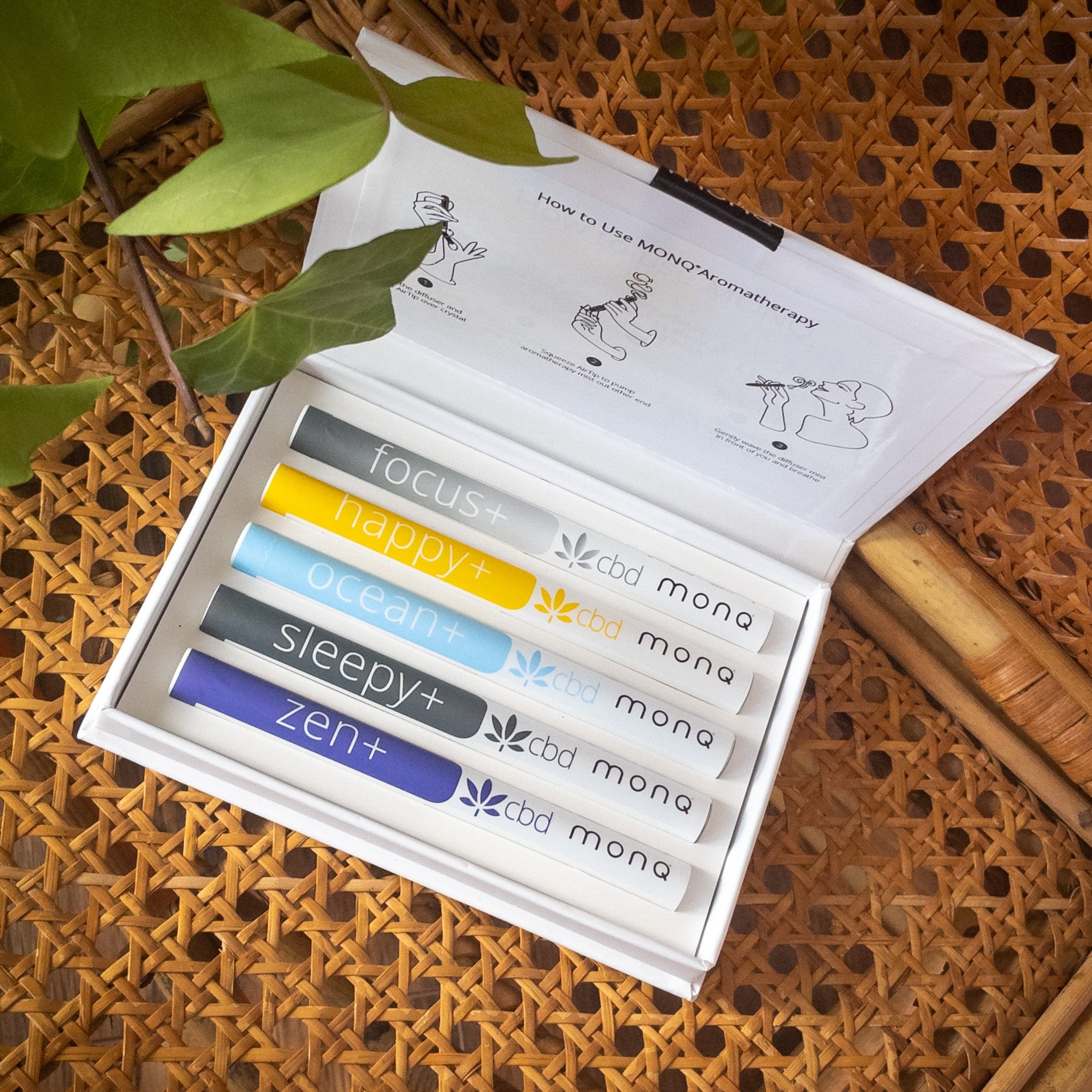
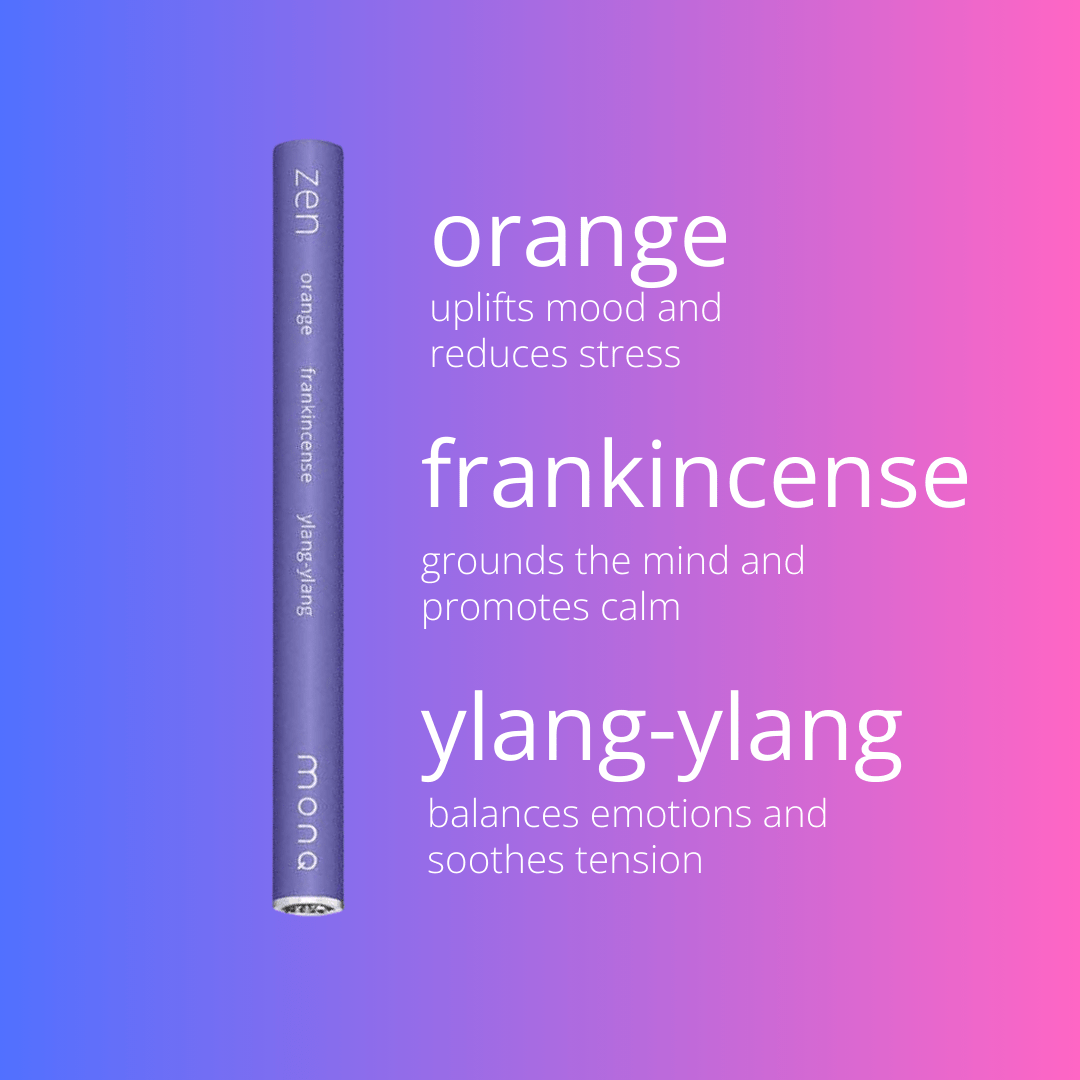
Many practitioners find that the mindfulness inherent in yoga practice carries benefits beyond the physical - including greater emotional regulation and a deepened capacity for presence. Pairing a yoga practice with aromatherapy can further support this integration. Zen MONQ, with its grounding blend of frankincense, sweet orange, and ylang-ylang, provides a beautiful aromatic backdrop for yoga or mindful stretching.
Flexibility and Mental Well-Being
The body and mind are not separate systems, and the benefits of flexibility extend beyond the physical. Regular movement practice has been shown to support mood, reduce stress markers, and improve cognitive function. The process of cultivating flexibility - learning to be patient with the body, to honor its limits while gently expanding them, to stay present with sensation - is itself a training in the mental qualities that support overall well-being.
Flexibility is not about competing with the person on the next mat. It is about honoring your body's unique needs and trajectory. Everyone's range of motion is different and influenced by genetics, injury history, age, and practice history. The person who can barely reach their knees today may be sitting comfortably in a deep forward fold six months from now - if they show up consistently and stretch with intelligence and care.
For support in your movement and wellness journey, Peace MONQ - with frankincense, rosemary, and yellow mandarin - offers a serene aromatic environment for reflection and restoration. Explore more about how aromatherapy supports an active, wellness-oriented lifestyle at our Maximize Your Experience guide.
Unlock the door to a more flexible, comfortable life. With consistent stretching, you will move with greater ease, experience less chronic discomfort, and carry yourself with a quiet confidence that comes from a body that feels well-tended.*
Disclaimer: The above information is provided for general wellness and educational purposes only. Please note that while individual essential oil ingredients may have been shown to exhibit certain independent effects when used alone, the specific blends of ingredients contained in MONQ diffusers have not been tested. No specific claims are being made that use of any MONQ diffusers will lead to any of the effects discussed above. Additionally, please note that MONQ diffusers have not been reviewed or approved by the U.S. Food and Drug Administration. MONQ diffusers are not intended to be used in the diagnosis, cure, mitigation, prevention, or treatment of any disease or medical condition. If you have a health condition or concern, please consult a physician or your alternative health care provider prior to using MONQ diffusers. MONQ blends should not be inhaled into the lungs. Why? It works better that way. No Nicotine Ever. Inhale through the mouth, exhale through the nose. MONQ Diffusers are not intended for individuals under 18, or women who are pregnant or nursing.










Leave a comment