Kava Kava Benefits Infographic

What Is Kava Kava?
Kava kava - also known simply as kava - is derived from the root of Piper methysticum, a plant in the pepper family native to the Pacific Islands, where it has been cultivated and deeply revered for at least 3,000 years. The plant grows throughout Polynesia, Melanesia, and Micronesia, with Hawaii, Fiji, Tonga, Vanuatu, and Samoa among its most historically significant cultivation regions. Kava occupies a central place in Pacific Island cultures - its root preparations are used in ceremonial contexts, social gatherings, diplomatic rituals, and traditional wellness practices that are as meaningful today as they have been for generations.
In traditional Pacific Islander practice, kava root is prepared by grinding or chewing the root, mixing the resulting material with water, and straining it to produce a ceremonial drink shared communally. The kava ceremony is a profound cultural institution - it establishes trust between strangers, seals agreements, welcomes guests, and marks important life transitions. Beyond ceremony, kava has been used throughout its native range as a traditional wellness botanical for supporting calm, ease, and a sense of relaxed clarity. Traditional healers across the Pacific have worked with kava as a tool for quieting mental noise and supporting restful states.
The essential oil and aromatic extracts derived from kava root carry some of the botanical's characteristic warm, earthy, slightly peppery and woody scent - a grounding aromatic profile that reflects the plant's deep cultural associations with peace, connection, and intentional calm.
The Science Behind Kava Kava
Kava root's most studied active compounds are a group of unique molecules called kavalactones (also spelled kavapyrones), which include kavain, dihydrokavain, methysticin, dihydromethysticin, yangonin, and desmethoxyyangonin. These compounds are largely responsible for kava's documented effects on the central nervous system, where they interact with GABA receptors, sodium ion channels, and dopamine pathways to produce effects associated with calm and ease. In aromatic form - as essential oil or botanical extract used in scent experiences - kava's compounds engage the olfactory system along the same direct neurological pathway used by all aromatic botanicals.
When kava's aromatic molecules reach the olfactory epithelium and trigger limbic system responses, the neurological pattern tends toward calming and settling - consistent with kava's millennia-long traditional use as a relaxing, peace-inducing botanical. The oil's earthy, peppery-woody scent profile activates limbic pathways associated with grounding and emotional ease, making it a natural aromatic choice for moments of stress, overstimulation, or the desire to transition into a more settled state of mind. The olfactory route - mouth in, nose out - is particularly well-suited to delivering kava's calming aromatic character where the limbic brain can most directly respond to it.
How MONQ Uses Kava Kava
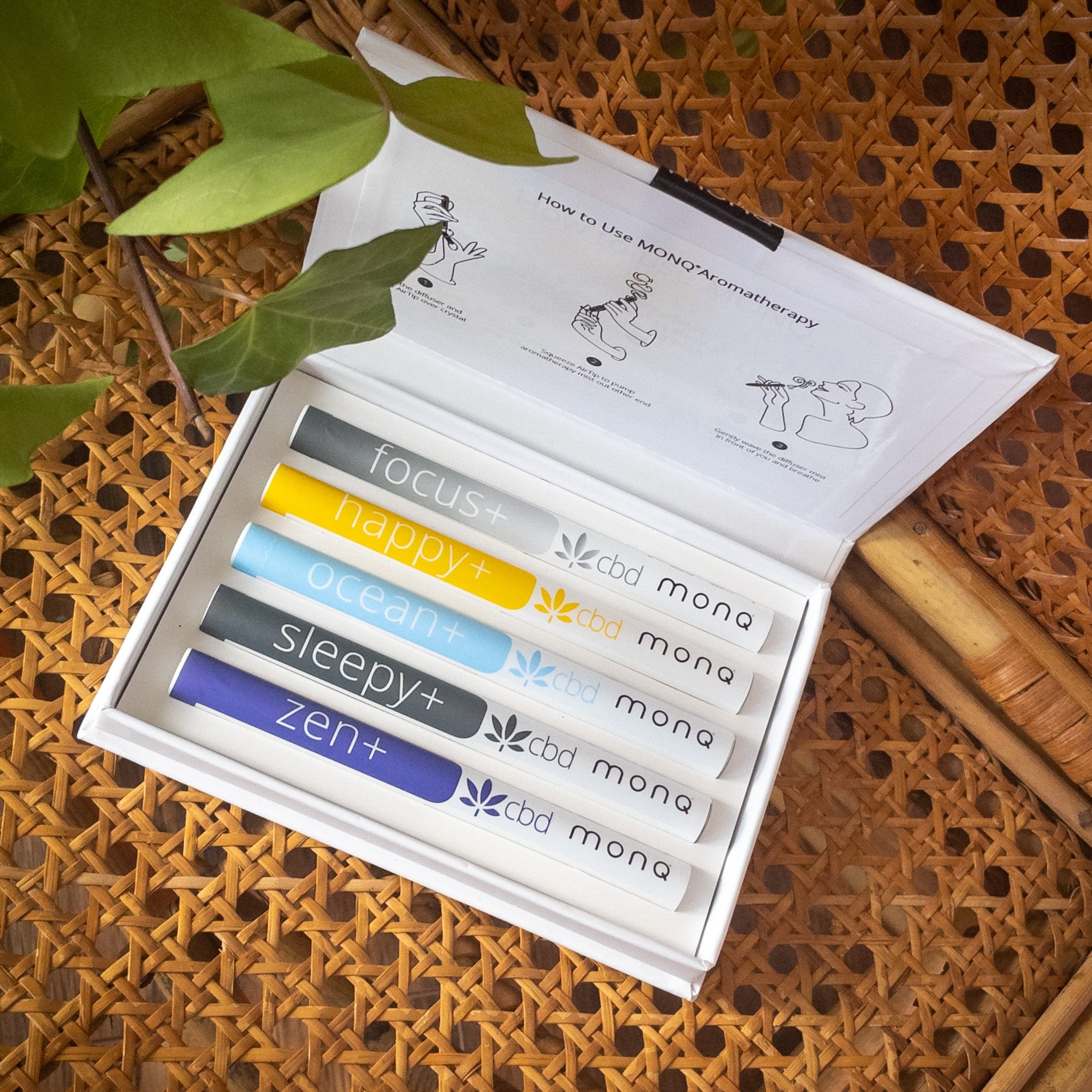
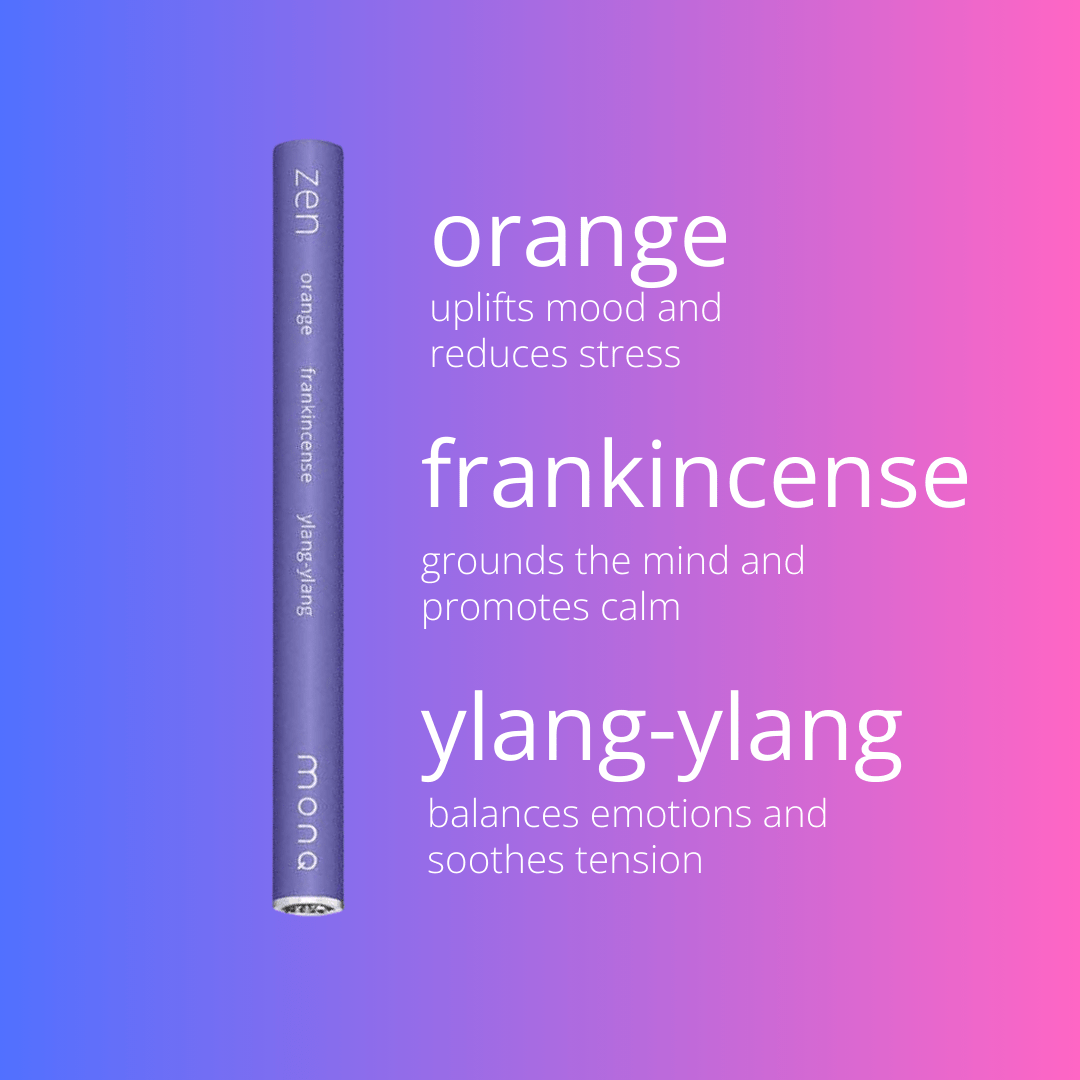
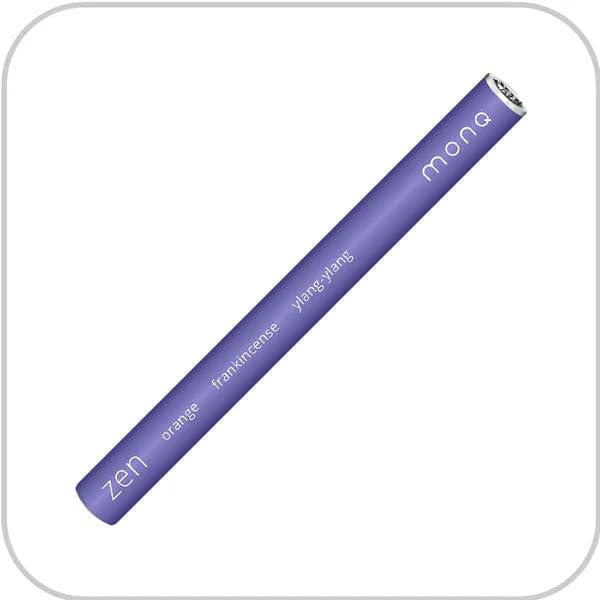
MONQ incorporates kava kava aromatic extract in blends designed to support calm, ease, and a sense of settled presence. Its grounding, earthy character makes it a natural complement to other centering botanicals like sandalwood, frankincense, and vetiver, contributing depth and traditional wellness resonance to blends intended for relaxation, mindful moments, and the transition from active engagement to intentional rest. Zen MONQ and other calming-oriented blends benefit from kava's Pacific heritage as one of the world's most respected botanical allies for peace of mind.
When you draw MONQ's aromatic mist through your mouth and exhale through your nose, kava's aromatic compounds travel the direct olfactory pathway to the limbic brain. The result is a breath that carries the weight of 3,000 years of Pacific Island wisdom about the relationship between botanical aromatics and human wellbeing - a simple, intentional moment of calm made portable and accessible wherever you are.
Explore More
Disclaimer: The above information is provided for general wellness and educational purposes only. Please note that while individual essential oil ingredients may have been shown to exhibit certain independent effects when used alone, the specific blends of ingredients contained in MONQ diffusers have not been tested. No specific claims are being made that use of any MONQ diffusers will lead to any of the effects discussed above. Additionally, please note that MONQ diffusers have not been reviewed or approved by the U.S. Food and Drug Administration. MONQ diffusers are not intended to be used in the diagnosis, cure, mitigation, prevention, or treatment of any disease or medical condition. If you have a health condition or concern, please consult a physician or your alternative health care provider prior to using MONQ diffusers. MONQ blends should not be inhaled into the lungs. Why? It works better that way. No Nicotine Ever. Inhale through the mouth, exhale through the nose. MONQ Diffusers are not intended for individuals under 18, or women who are pregnant or nursing.