Holy Basil Essential Oil Uses Infographic

Holy Basil, also known as Tulsi, is a revered herb in Ayurvedic medicine, valued for its wide range of therapeutic benefits. Its essential oil is often used in aromatherapy to support emotional well-being, reduce stress, and promote a sense of calm and balance. Holy Basil is known for its adaptogenic properties, which may help the body cope with physical and emotional stress, making it a popular choice for those seeking relief from STRESS or fatigue.
In addition to its emotional benefits, Holy Basil essential oil is also recognized for its potential to support respiratory health and strengthen the immune system. The oil's natural antimicrobial and anti-inflammatory properties may help alleviate respiratory congestion and support overall wellness. As with all essential oils, it is important to dilute Holy Basil oil properly and consult a healthcare provider before use, especially for individuals with sensitive skin or specific health concerns.
Botanical Profile and Key Compounds
Holy Basil belongs to the Lamiaceae (mint) family and is distinct from the sweet or culinary basil (Ocimum basilicum) familiar from Italian cooking. The full botanical name Ocimum tenuiflorum (also classified as O. sanctum) refers to a plant with small, slightly serrated leaves and delicate flowers that range from white to pale purple. It is native to the Indian subcontinent and Southeast Asia, though it is now cultivated widely across tropical regions. Two main chemotypes are recognized commercially: an eugenol-dominant variety (the most widely traded) and a methyl eugenol-dominant variety with a slightly different aromatic profile.
Key Aromatic Compounds
The dominant compound in most commercial Holy Basil essential oil is eugenol - a phenylpropanoid with the distinctive clove-like, warm, slightly spicy character that is immediately recognizable in the oil's aroma. Eugenol is the same compound that gives clove bud oil its characteristic intensity, though in Holy Basil it appears in a more complex, more herbal context that gives it a different overall character. Alongside eugenol, methyl eugenol contributes a slightly sweeter, less sharp variant of the eugenol quality. Linalool - a soft, floral monoterpene alcohol found across many aromatic plants - adds a gentling, rounded quality. Beta-caryophyllene, a sesquiterpene found across the plant kingdom, contributes a subtle woody-spicy depth to the base note. Camphor may be present in some chemotypes, adding a clarifying, slightly cooling quality that reinforces the oil's association with mental clarity.
Ayurvedic Heritage
In the Ayurvedic system of medicine - one of the world's oldest continually practiced medical traditions - Holy Basil is classified as a Rasayana herb: a category of plants considered deeply rejuvenating and life-enhancing, used to support overall vitality and resilience rather than targeting specific conditions. The Charaka Samhita, one of the foundational Ayurvedic texts, references Tulsi repeatedly as a support for respiratory wellness, mental clarity, and immune resilience. The plant is considered sattvic in the Ayurvedic classification of foods and herbs - meaning it promotes clarity, purity, and spiritual receptivity. This classification has made it not just a medicinal plant but a sacred one, integrated into daily devotional practice in a way unusual for any botanical.
Aromatherapy Applications
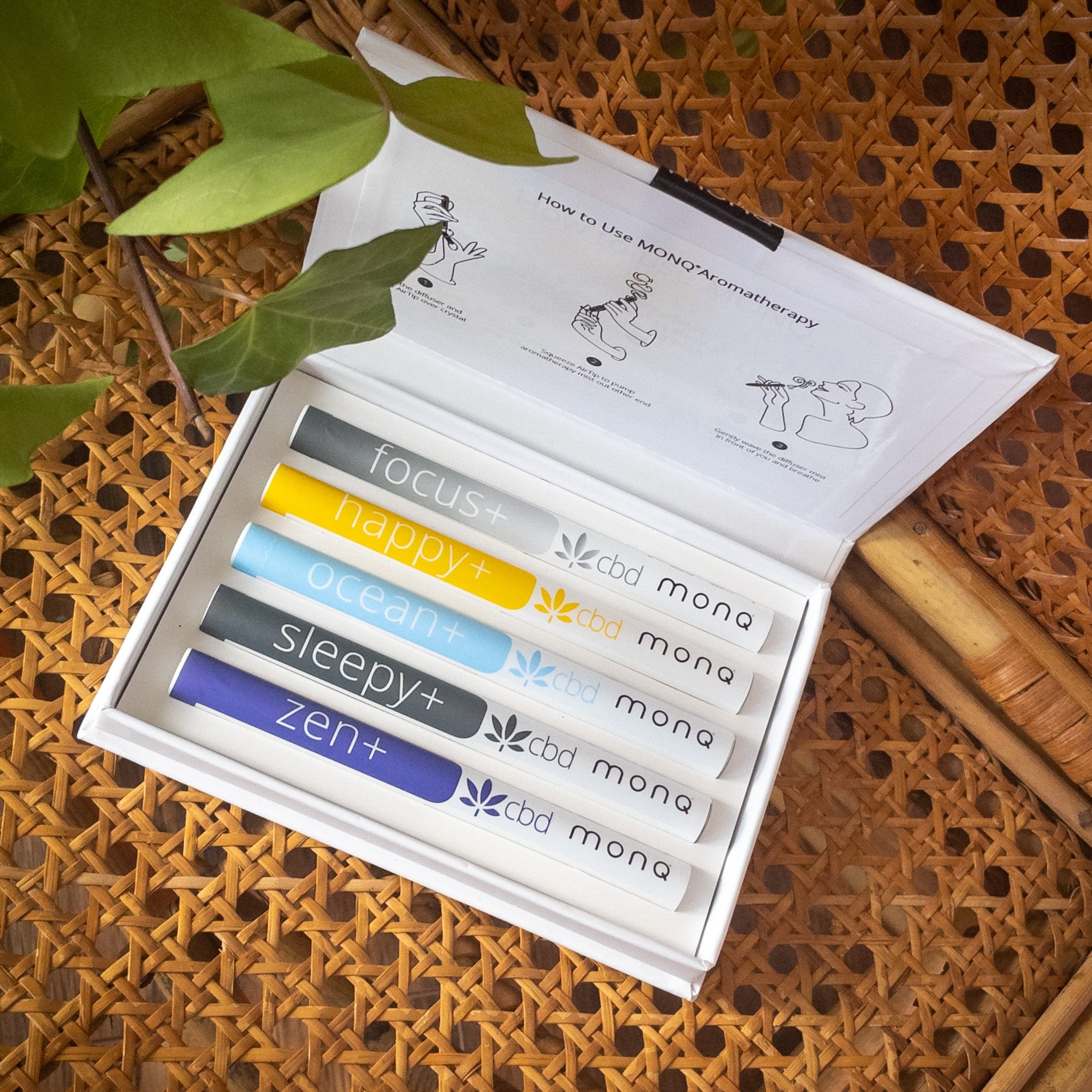
In contemporary aromatherapy, Holy Basil essential oil is used primarily as a warming, clarifying, centering addition to blends designed for focus and mental alertness. Its clove-spiced warmth creates a sense of grounded attention rather than the stimulated alertness of camphor-dominant oils or the bright energy of citrus. It pairs particularly well with rosemary (which it complements and deepens without competing), frankincense (which grounds and stabilizes its warmth), and clary sage (which adds a softer, more contemplative quality to the blend). In Focus MONQ, Holy Basil contributes a grounding spice note that anchors the blend's emphasis on mental clarity and sustained attention. See the full Holy Basil plant profile for more detail on this remarkable botanical.
Explore More
Disclaimer: The above information is provided for general wellness and educational purposes only. Please note that while individual essential oil ingredients may have been shown to exhibit certain independent effects when used alone, the specific blends of ingredients contained in MONQ diffusers have not been tested. No specific claims are being made that use of any MONQ diffusers will lead to any of the effects discussed above. Additionally, please note that MONQ diffusers have not been reviewed or approved by the U.S. Food and Drug Administration. MONQ diffusers are not intended to be used in the diagnosis, cure, mitigation, prevention, or treatment of any disease or medical condition. If you have a health condition or concern, please consult a physician or your alternative health care provider prior to using MONQ diffusers. MONQ blends should not be inhaled into the lungs. Why? It works better that way. No Nicotine Ever. Inhale through the mouth, exhale through the nose. MONQ Diffusers are not intended for individuals under 18, or women who are pregnant or nursing.