Himalayan Cedarwood Essential Oil Uses

Himalayan cedarwood essential oil, extracted from the wood of the Himalayan cedar tree, is known for its deep, grounding, and woody aroma. It is often used in aromatherapy to promote relaxation, reduce stress, and bring emotional balance. The calming properties of this oil help to support a peaceful, focused mind. Himalayan cedarwood can also contribute to clearer breathing by supporting respiratory health, making it a popular choice for those seeking comfort from congestion.
In addition to its emotional and respiratory benefits, Himalayan cedarwood is recognized for its potential skincare properties. It is believed to help reduce the appearance of blemishes and support overall skin health, thanks to its antimicrobial and soothing qualities. As with all essential oils, proper dilution is essential, and it is always recommended to consult a healthcare provider before use, especially for individuals with sensitive skin or underlying health concerns.
What Is Himalayan Cedarwood?
Himalayan cedarwood comes from Cedrus deodara, a large evergreen conifer native to the western Himalayas, growing at elevations between 1,500 and 3,200 meters. "Deodara" derives from the Sanskrit word meaning "timber of the gods," a name that reflects how deeply this tree has been woven into the spiritual and cultural fabric of the region for thousands of years. The essential oil is steam-distilled from the heartwood, which concentrates the tree's most potent aromatic compounds. The result is a rich, warm, slightly sweet woody oil that is heavier and more complex than many other cedarwood varieties.
Key Active Compounds
The therapeutic character of Himalayan cedarwood essential oil comes largely from its sesquiterpene content. The most notable compound is cedrol, a sesquiterpene alcohol that research suggests may support calm and relaxation. A Japanese study examining cedrol found that inhalation was associated with decreased heart rate and blood pressure in participants, pointing to potential parasympathetic nervous system support. The parasympathetic state, sometimes called "rest and digest," is precisely the physiological mode the body needs to transition smoothly into sleep.
Alongside cedrol, Himalayan cedarwood contains alpha-cedrene and beta-cedrene, sesquiterpene hydrocarbons that contribute to the oil's woody, balsamic depth, as well as atlantone, a ketone that adds a subtle warmth and is also found in Atlas cedarwood. Together these compounds create a complex aromatic profile that is both grounding and gently sedating in quality.
How Himalayan Cedarwood Differs From Other Cedars
Not all cedarwood essential oils are the same. Atlas cedarwood (Cedrus atlantica) is distilled from trees grown in the Atlas Mountains of Morocco and Algeria. Its aroma is somewhat lighter and more camphorous than Himalayan cedarwood, with a higher proportion of atlantone relative to cedrol. Texas cedarwood (Juniperus ashei) is not technically a true cedar at all; it belongs to the juniper genus and produces a sharper, greener, more resinous scent with a different compound profile. Himalayan cedarwood sits in a category of its own: richer, more balsamic, and more deeply grounding, making it especially well-suited to sleep and evening wellness rituals.
Traditional and Ayurvedic Uses
In Ayurvedic practice, Cedrus deodara has been used for centuries as a remedy for calming the mind and balancing the nervous system. It is traditionally associated with reducing what Ayurveda calls "vata imbalance," a state of restlessness and scattered energy. The wood itself was historically used in temple construction and meditation spaces, valued for its ability to create an atmosphere of stillness and presence. This traditional reverence aligns closely with what modern aromatherapy research suggests about the oil's calming effects.
Using Himalayan Cedarwood for Sleep
For evening wellness, Himalayan cedarwood pairs beautifully with other botanicals known for sleep support. Research suggests lavender and chamomile work synergistically with cedarwood to create a layered, deeply calming aromatic experience. A room diffuser used in the hour before bed, or direct inhalation from a personal aromatherapy diffuser, are common ways to incorporate this oil into a pre-sleep ritual. Users report that the scent's grounding quality helps quiet a busy mind and ease the physical tension that can make it hard to settle at the end of the day.
Consistency matters with aromatherapy for sleep. Using the same scent each evening as part of a wind-down routine trains the nervous system to associate that aroma with the coming of rest, deepening the response over time.
Himalayan Cedarwood in MONQ
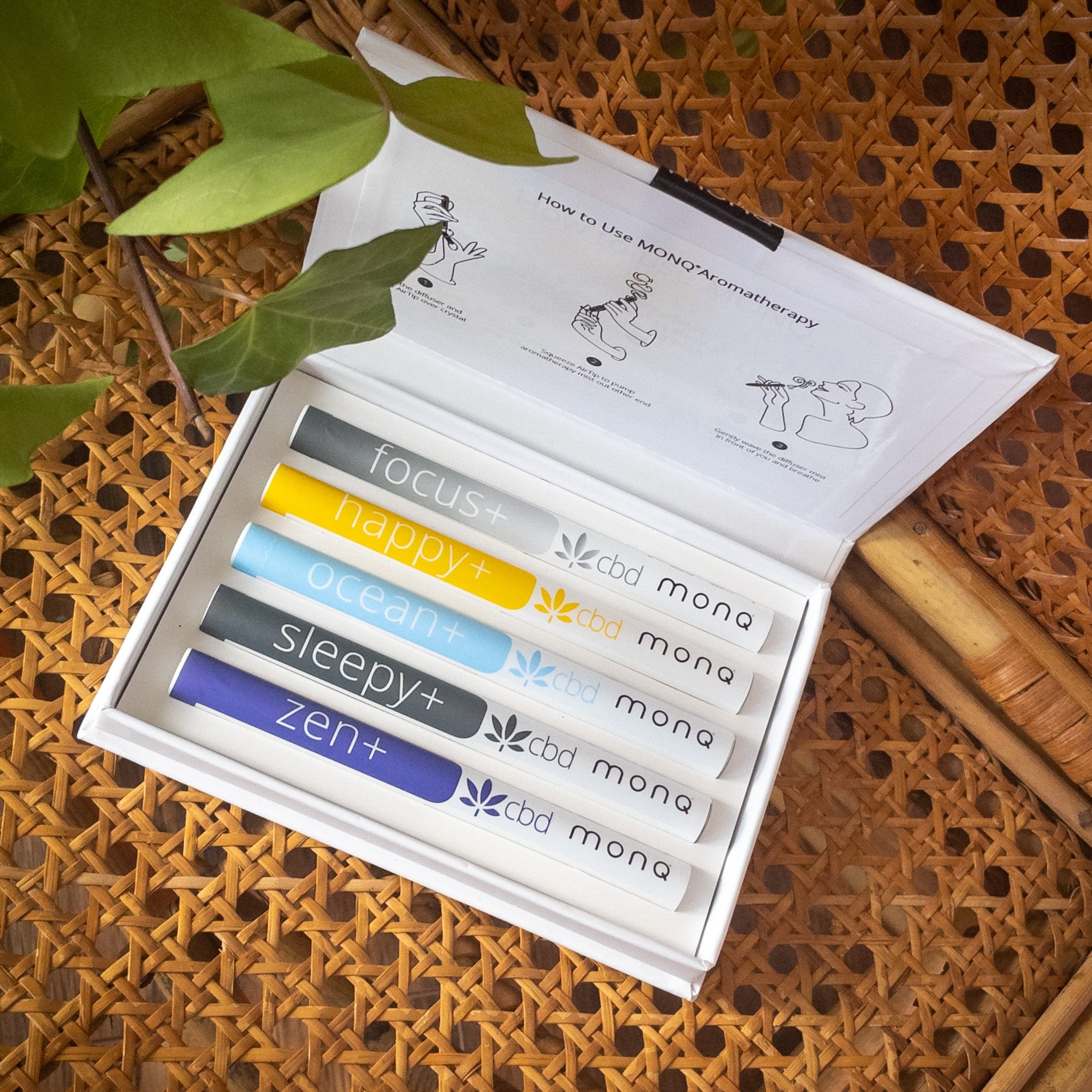
Himalayan cedarwood is not part of MONQ's current Sleepy formula. Learn more at Sleepy MONQ.
Disclaimer: The above information is provided for general wellness and educational purposes only. Please note that while individual essential oil ingredients may have been shown to exhibit certain independent effects when used alone, the specific blends of ingredients contained in MONQ diffusers have not been tested. No specific claims are being made that use of any MONQ diffusers will lead to any of the effects discussed above. Additionally, please note that MONQ diffusers have not been reviewed or approved by the U.S. Food and Drug Administration. MONQ diffusers are not intended to be used in the diagnosis, cure, mitigation, prevention, or treatment of any disease or medical condition. If you have a health condition or concern, please consult a physician or your alternative health care provider prior to using MONQ diffusers. MONQ blends should not be inhaled into the lungs. Why? It works better that way. No Nicotine Ever. Inhale through the mouth, exhale through the nose. MONQ Diffusers are not intended for individuals under 18, or women who are pregnant or nursing.