Frankincense Essential Oil Uses

Frankincense Essential Oil: History, Properties, and Aromatherapy Uses
Frankincense essential oil is one of the most historically significant aromatic resins in the world. Derived from the dried sap of Boswellia trees - particularly Boswellia sacra and Boswellia carteri - this oil has been traded across the Arabian Peninsula, North Africa, and South Asia for over five thousand years. Ancient Egyptians burned frankincense resin in temples and used it in embalming rituals. In the ancient world, its value was comparable to gold, and it appears in religious ceremonies across Christianity, Judaism, Islam, Hinduism, and Buddhism.
The essential oil is produced by steam distilling the hardened resin that oozes naturally from cuts made in the tree bark. The result is a pale yellow to amber oil with a complex, layered aroma: warm and slightly woody at the base, with a fresh, slightly citrusy top note and a soft balsamic sweetness that gives frankincense its signature depth. Its primary aromatic constituents include alpha-pinene, limonene, linalool, and boswellic acid derivatives - compounds that contribute both its distinctive scent profile and its long history in wellness traditions.
Frankincense in Aromatherapy
In contemporary aromatherapy practice, frankincense is prized for its grounding, centering quality. Its aroma tends to slow and deepen breathing naturally, making it a traditional companion for meditation, prayer, and contemplative practice. Many aromatherapy practitioners describe frankincense as a "bridge" oil - one that helps quiet mental chatter and create a sense of inward stillness without inducing heaviness or sedation.
Frankincense blends exceptionally well with sandalwood, myrrh, cedarwood, lavender, and citrus oils. In perfumery, it functions as a natural fixative that helps anchor lighter top notes and extend the longevity of a blend on the skin.
MONQ and Frankincense
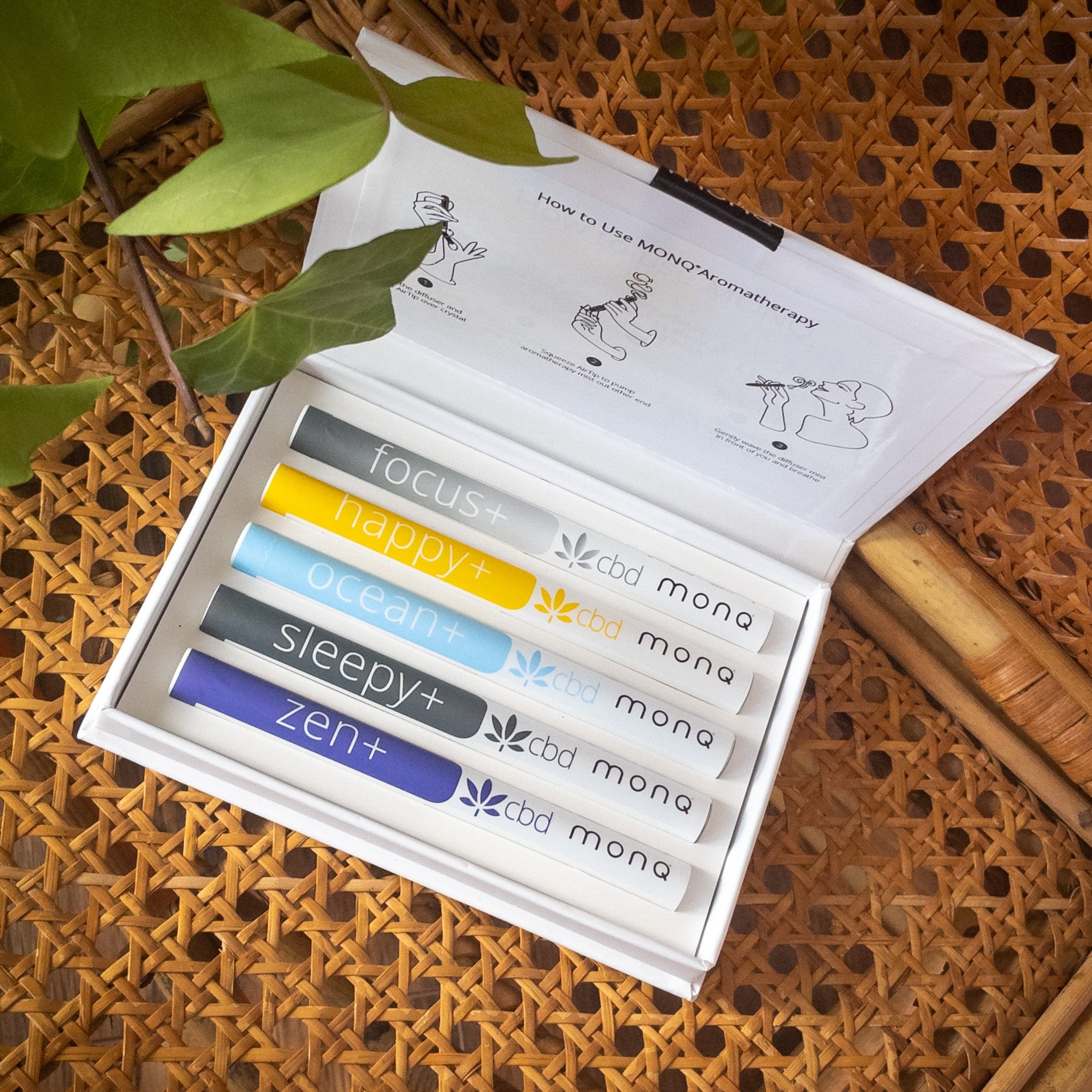
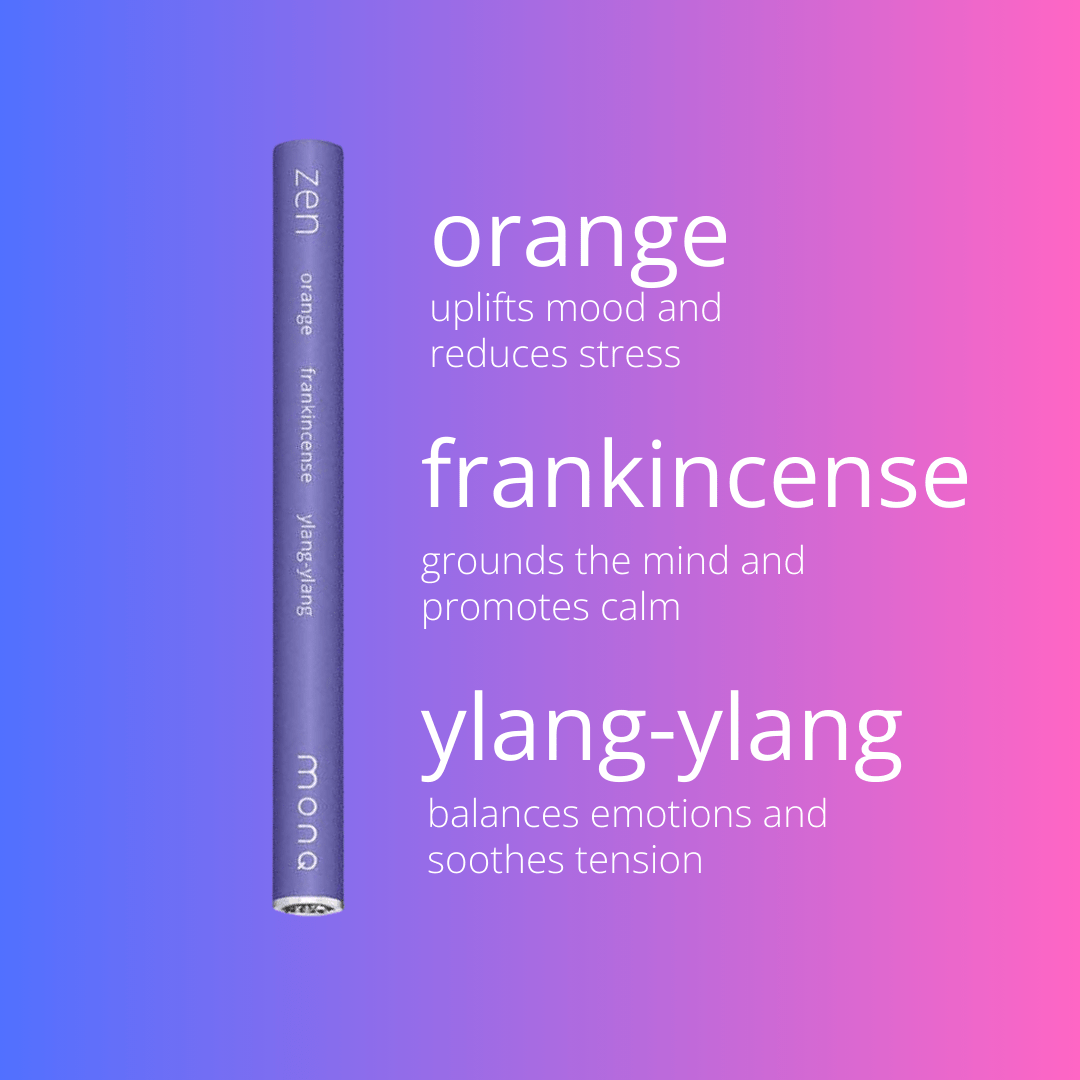
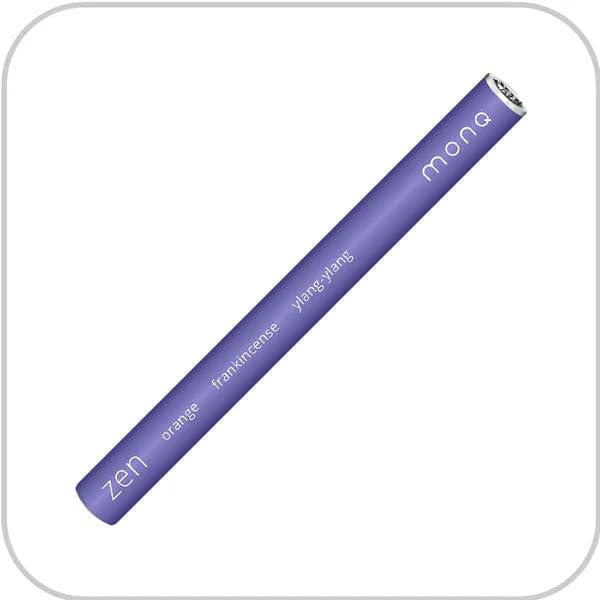
MONQ incorporates frankincense in several of its botanical blends, including Zen MONQ, where it contributes the warm, meditative base that the blend is known for. MONQ's personal aromatherapy diffuser is designed to be held gently to the lips; inhale through your mouth and exhale through your nose to fully experience the aromatic profile. This method allows the scent to move through your nasal passages on the exhale, where olfactory receptors most fully process it.
If you are exploring resins and ancient aromatics, frankincense pairs naturally with myrrh (another Boswellia-adjacent resin), benzoin (a warm, vanilla-adjacent balsam), and copaiba (a South American resin with a similarly clean, woody depth).
Boswellia Frereana: The Elusive Northern Frankincense
Boswellia frereana (also called "Maydi" in Somali) grows in the dry mountains of northern Somalia and Somaliland - a more remote and climatically harsh habitat than the more commonly traded B. sacra of Oman or B. carteri of Ethiopia and Somalia's southern coast. Frereana resin produces an essential oil with a distinctly different aromatic character: drier, more resinous, and woodier than the warm, slightly citrusy sweetness of sacra. The top note carries a subtle lemony-pine quality, but the heart and base are austere and ancient in character. Notably, frereana contains no incensole acetate - the compound in sacra that researchers have associated with its mood-lifting, centering quality in aromatherapy - making the two oils chemically and experientially distinct despite sharing a genus.
Frereana has a long history as "Coptic frankincense," used for centuries in Ethiopian Orthodox Christian churches - a tradition that continues today - where it is prized for its dry, clean smoke and its ability to create a sense of sacred stillness without sweetness. Because the resin is harvested from wild trees in a region with limited access and significant geopolitical complexity, frereana is rarer and more expensive than common frankincense varieties. Over-tapping of wild Boswellia trees across East Africa has raised legitimate sustainability concerns, and responsible sourcing is increasingly important for this species. In aromatherapy, frereana's more austere character makes it particularly well-suited for focused, contemplative practice - a companion for stillness rather than warmth. See our full guide to Frankincense Frereana.
Explore More
Disclaimer: The above information is provided for general wellness and educational purposes only. Please note that while individual essential oil ingredients may have been shown to exhibit certain independent effects when used alone, the specific blends of ingredients contained in MONQ diffusers have not been tested. No specific claims are being made that use of any MONQ diffusers will lead to any of the effects discussed above. Additionally, please note that MONQ diffusers have not been reviewed or approved by the U.S. Food and Drug Administration. MONQ diffusers are not intended to be used in the diagnosis, cure, mitigation, prevention, or treatment of any disease or medical condition. If you have a health condition or concern, please consult a physician or your alternative health care provider prior to using MONQ diffusers. MONQ blends should not be inhaled into the lungs. Why? It works better that way. No Nicotine Ever. Inhale through the mouth, exhale through the nose. MONQ Diffusers are not intended for individuals under 18, or women who are pregnant or nursing.