Carvacrol Terpene Profile

Carvacrol is a powerful phenolic compound found primarily in oregano and thyme essential oils. Known for its warm, herbaceous aroma, carvacrol is highly regarded for its potential antimicrobial, anti-inflammatory, and antioxidant properties. It may support the immune system by helping to defend against harmful microorganisms and promoting overall wellness. Additionally, carvacrol has been used to soothe digestive discomfort and reduce inflammation, making it a versatile ingredient in natural remedies.
While carvacrol offers numerous health benefits, it is essential to use it with caution, as its potency can cause irritation if not diluted properly. For individuals with sensitive skin or pre-existing health conditions, consulting with a healthcare provider before use is highly recommended.
Carvacrol is a powerful phenolic compound found primarily in oregano and thyme essential oils. Known for its warm, herbaceous aroma, carvacrol is highly regarded for its potential antimicrobial, anti-inflammatory, and antioxidant properties. It may support the immune system by helping to defend against harmful microorganisms and promoting overall wellness. Additionally, carvacrol has been used to soothe digestive discomfort and reduce inflammation, making it a versatile ingredient in natural remedies. Its potent properties also extend to its potential neuroprotective effects, with some studies suggesting it may help protect nerve cells from damage. In aromatherapy, carvacrol's warm, herbaceous scent can create a sense of comfort and grounding, making it beneficial for both mental and physical wellbeing.
Carvacrol and Thymol: Structural Isomers with Shared Character
Carvacrol and thymol are structural isomers - they share the same molecular formula but differ in the position of a single hydroxyl group. That one positional difference produces two compounds with distinct but closely related aromatic and functional profiles. Thymol is the dominant phenol in thyme essential oil: slightly sweeter, with a clean medicinal quality. Carvacrol shares thymol's warm, herbaceous backbone with a slightly spicier edge. In a well-formulated blend, they work in concert, each amplifying and complementing the other.
Both compounds have been studied for antimicrobial properties - carvacrol in particular has been the subject of considerable research. In aromatherapy, their shared warm, clarifying quality positions them as mood-supportive ingredients, contributing to blends that feel energizing and affirming rather than heavy or sedating.
Warming, Clarifying, Uplifting
In aromatic blending, warm herbaceous notes like carvacrol and thymol serve an important structural function. They provide a middle register that anchors lighter citrus top notes and prevents heavier base notes from becoming oppressive. This warm-herbal layer is what keeps an uplifting blend from feeling thin or fleeting. It creates a sense of substance and vitality - the feeling of warmth and aliveness that the best mood-oriented blends carry.
Carvacrol's contribution to a blend registers not just as a scent but as a physiological signal: warm, grounded, present. The limbic system - which processes aromatic input and drives emotional response - responds to this quality with something that feels like an upswing: engagement, alertness, and a mild but real sense of positivity.
Carvacrol in Happy MONQ
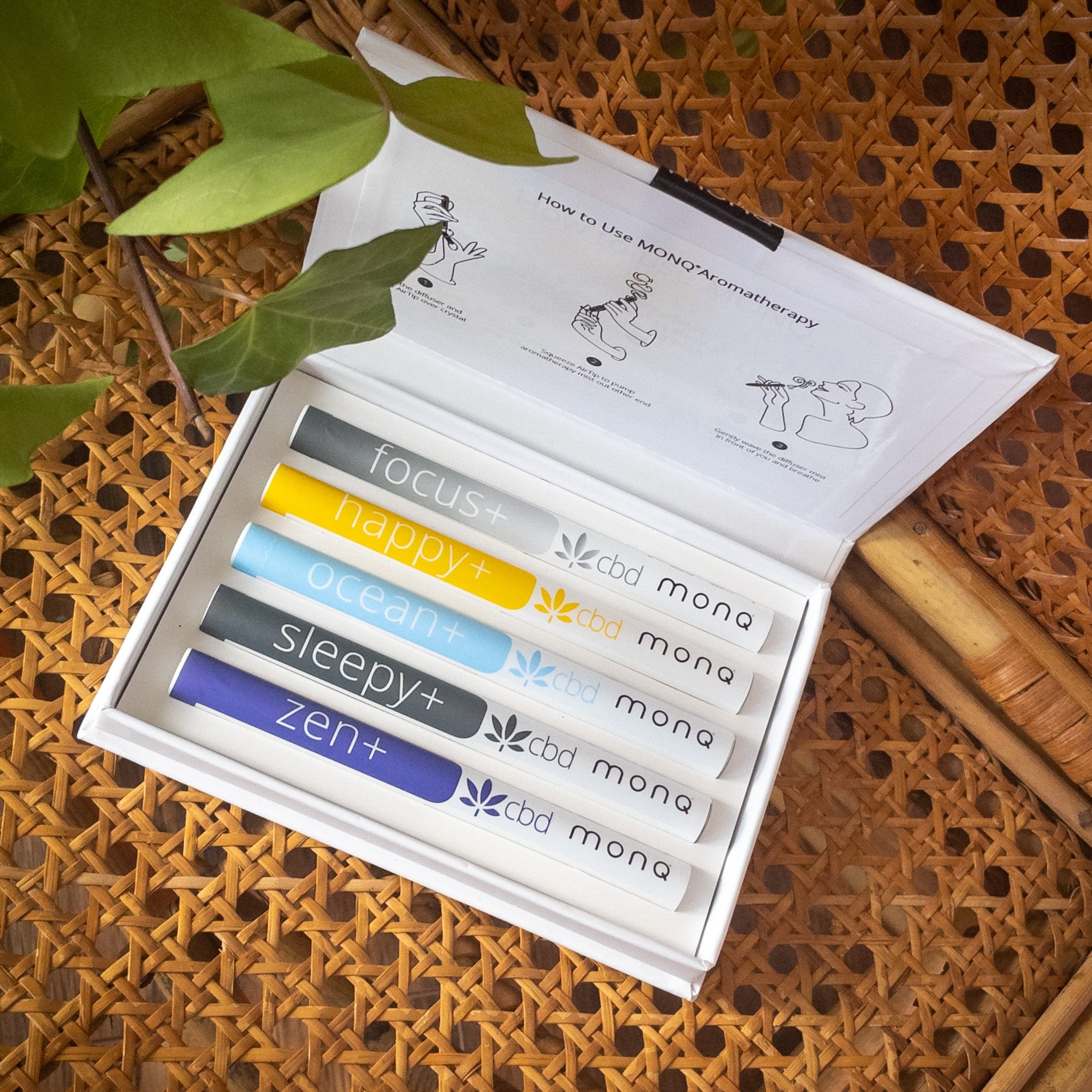
Happy MONQ includes thyme essential oil, which carries both carvacrol and thymol as its primary phenolic compounds. In the Happy blend, thyme's warm herbaceous quality supports the citrus and botanical top notes, adding body and an uplifting, energized character to a formula designed to brighten mood and promote a sense of joy. The carvacrol contribution is part of what makes Happy feel vital and warm rather than simply sweet.
Explore the blend: Shop Happy MONQ. For more on how aromatherapy supports mood, visit Aromatherapy for Mood.
Disclaimer: The above information is provided for general wellness and educational purposes only. Please note that while individual essential oil ingredients may have been shown to exhibit certain independent effects when used alone, the specific blends of ingredients contained in MONQ diffusers have not been tested. No specific claims are being made that use of any MONQ diffusers will lead to any of the effects discussed above. Additionally, please note that MONQ diffusers have not been reviewed or approved by the U.S. Food and Drug Administration. MONQ diffusers are not intended to be used in the diagnosis, cure, mitigation, prevention, or treatment of any disease or medical condition. If you have a health condition or concern, please consult a physician or your alternative health care provider prior to using MONQ diffusers. MONQ blends should not be inhaled into the lungs. Why? It works better that way. No Nicotine Ever. Inhale through the mouth, exhale through the nose. MONQ Diffusers are not intended for individuals under 18, or women who are pregnant or nursing.