Camphene Benefits

Camphene: A Complete Guide to This Fascinating Terpene
Camphene is a naturally occurring terpene found in the essential oils of a wide range of aromatic plants. Known for its fresh, woody, and slightly spicy scent, camphene is one of the more structurally interesting and historically significant terpenes in the botanical world. It appears in camphor tree, fir needle, rosemary, nutmeg, sage, and many other plants that humans have used for millennia in medicine, ceremony, and daily life. Understanding camphene means exploring its chemistry, its natural sources, its history, and its place in modern aromatherapy.
What Is a Terpene?
Before diving into camphene specifically, it helps to understand the broader category it belongs to. Terpenes are a large and diverse class of organic compounds produced by plants - and some insects and fungi - primarily as secondary metabolites. They are the main constituents of plant essential oils and are responsible for most of the characteristic aromas we associate with herbs, trees, flowers, and spices.
Terpenes are classified by size: monoterpenes contain 10 carbon atoms, sesquiterpenes contain 15, diterpenes 20, and so on. Most of the aromatic terpenes in essential oils are monoterpenes or sesquiterpenes. They can be further categorized by their structural shape: acyclic (open chain), monocyclic (one ring), and bicyclic (two rings).
Camphene: Chemical Structure and Classification
Camphene is a bicyclic monoterpene - meaning it has a 10-carbon backbone arranged into two interlocking rings. Its molecular formula is C10H16, shared with many other monoterpenes, but its distinctive fused ring structure gives it a rigid, compact geometry that shapes both its physical properties and its aromatic character.
Structurally, camphene is closely related to pinene and borneol - a family of bicyclic compounds found throughout coniferous trees and aromatic herbs. Its melting point is relatively high for a terpene (around 52 degrees Celsius), meaning it can exist as a solid at room temperature - an unusual property that historically made it useful in various industrial applications before synthetic alternatives became available.
Its CAS number is 79-92-5, and it is listed as a GRAS (Generally Recognized As Safe) substance by the FDA for food flavoring applications, reflecting its long history of safe human exposure.
Natural Sources of Camphene
Camphene occurs naturally in a wide range of plants. Some of the richest natural sources include:
- Camphor tree (Cinnamomum camphora): One of the primary sources historically, camphor tree products have been used in Asian medicine and ceremony for thousands of years. The wood, leaves, and extracted camphor contain camphene alongside camphor and other terpenoids.
- Fir needle oils: Various species of fir tree (Abies spp.) produce essential oils rich in camphene, contributing to the characteristic crisp, forest-air aroma associated with coniferous forests.
- Rosemary (Salvia rosmarinus): A culinary and aromatic herb with a long history in Mediterranean wellness traditions, rosemary essential oil contains meaningful amounts of camphene alongside camphor, 1,8-cineole, and alpha-pinene.
- Nutmeg (Myristica fragrans): The essential oil of nutmeg contains camphene as one of its constituents, contributing to the warm, slightly medicinal edge beneath nutmeg's characteristic spice profile.
- Sage (Salvia officinalis): Sage essential oil is another source of camphene, sitting alongside thujone, camphor, and linalool in its complex aromatic profile.
- Ginger (Zingiber officinale): Ginger root essential oil contains trace to moderate amounts of camphene, part of what gives it its fresh, slightly woody edge beneath the dominant zingy-spicy character.
- Cypress (Cupressus sempervirens): Cypress essential oil contains camphene alongside alpha-pinene and cedrol, producing its characteristically fresh, woody, resinous aroma.
History of Use
Camphene itself was not identified as a distinct chemical compound until the 19th century, when the science of terpene chemistry began to develop. However, the plants that contain it have been used by humans for thousands of years, and the aromatic qualities associated with camphene-rich botanicals appear throughout ancient medical and ceremonial traditions.
Camphor - derived from camphor tree and closely related to camphene chemically - was one of the most prized medicinal and aromatic substances in ancient China, India, Egypt, and the Arab world. It was traded across the Silk Road and featured in texts from the Tang Dynasty, Ayurvedic traditions, and medieval European herbal medicine. The aromatic resins and wood of coniferous trees rich in camphene and pinene were burned in ceremony by cultures across the northern hemisphere - from the incense traditions of Shinto practice in Japan to the ritual fires of indigenous peoples across Siberia and North America.
In the 19th century, camphene took on a surprising role in early industrial history: it was used as an illuminating fuel for oil lamps before petroleum became widely available. Distilled from turpentine, camphene-based lamp fuel was widely used in the mid-1800s, though it was ultimately replaced due to its flammability.
Camphene and the Olfactory System
Camphene's aromatic character is described as woody, earthy, camphoraceous, and slightly piney - with a coolness that is less sharp than menthol but more grounded than a citrus note. In the vocabulary of olfactory perception, it sits in the same territory as fir needle, fresh forest air, and the cool, resinous quality of old-growth wood.
When camphene-containing plants are used in aromatherapy, their scent molecules reach the olfactory receptors in the nasal epithelium and travel via the olfactory nerve directly to the limbic system - the brain's emotional and autonomic control center. This direct pathway is why forest-air aromas, camphor notes, and coniferous scents have such immediate and powerful associations with clarity, coolness, and grounded calm. The nose recognizes these scents as the chemical signatures of clean, plant-rich environments, and the brain responds accordingly.
Aromatherapy Applications
In aromatherapy, camphene-containing essential oils are valued for their ability to contribute a fresh, clarifying quality to blends. Because camphene is rarely used alone - it appears as one constituent among many in complex essential oil profiles - its aromatic contribution is always part of a larger botanical conversation. In practice, camphene-rich oils are often incorporated into blends intended to support:
- A sense of mental clarity and alertness
- Fresh, forest-like, or outdoor-inspired aromatic environments
- Breathwork and respiratory-comfort-focused aromatic rituals
- Grounded, earthy aromatic experiences that feel connected to nature
Comparison to Alpha-Pinene
Camphene is frequently compared to alpha-pinene, another bicyclic monoterpene found in coniferous trees and many aromatic herbs. The two compounds share a similar molecular framework and many of the same natural sources - they often co-occur in the same essential oils, from fir needle to rosemary to juniper. However, alpha-pinene has a sharper, cleaner, more resinous pine character, while camphene adds a slightly warmer, earthier, more camphoraceous note. Together, they create the layered, complex quality of forest air that researchers have associated with the physiological benefits of phytoncide exposure in Shinrin-yoku (forest bathing) studies.
MONQ and Botanical Terpene Blends
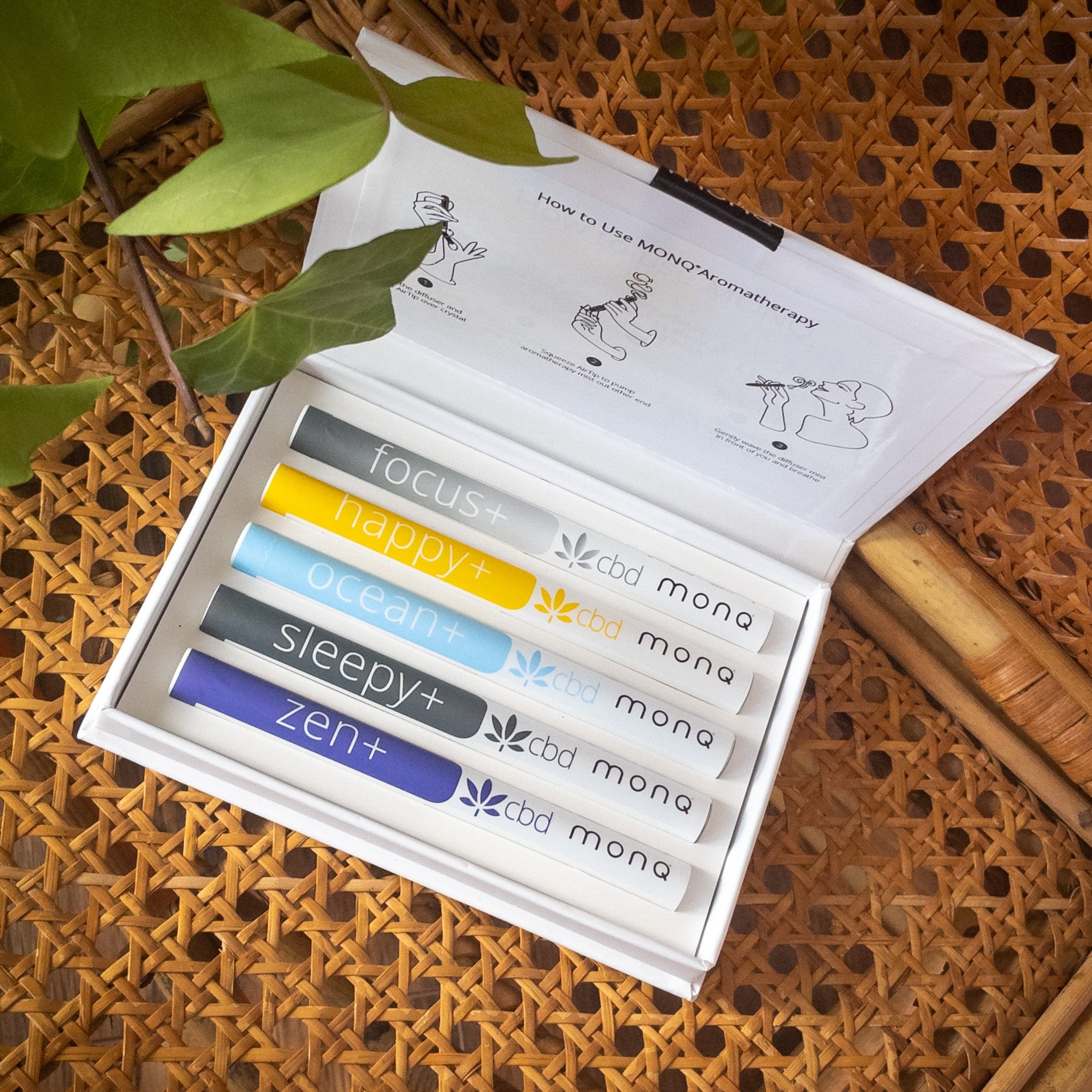
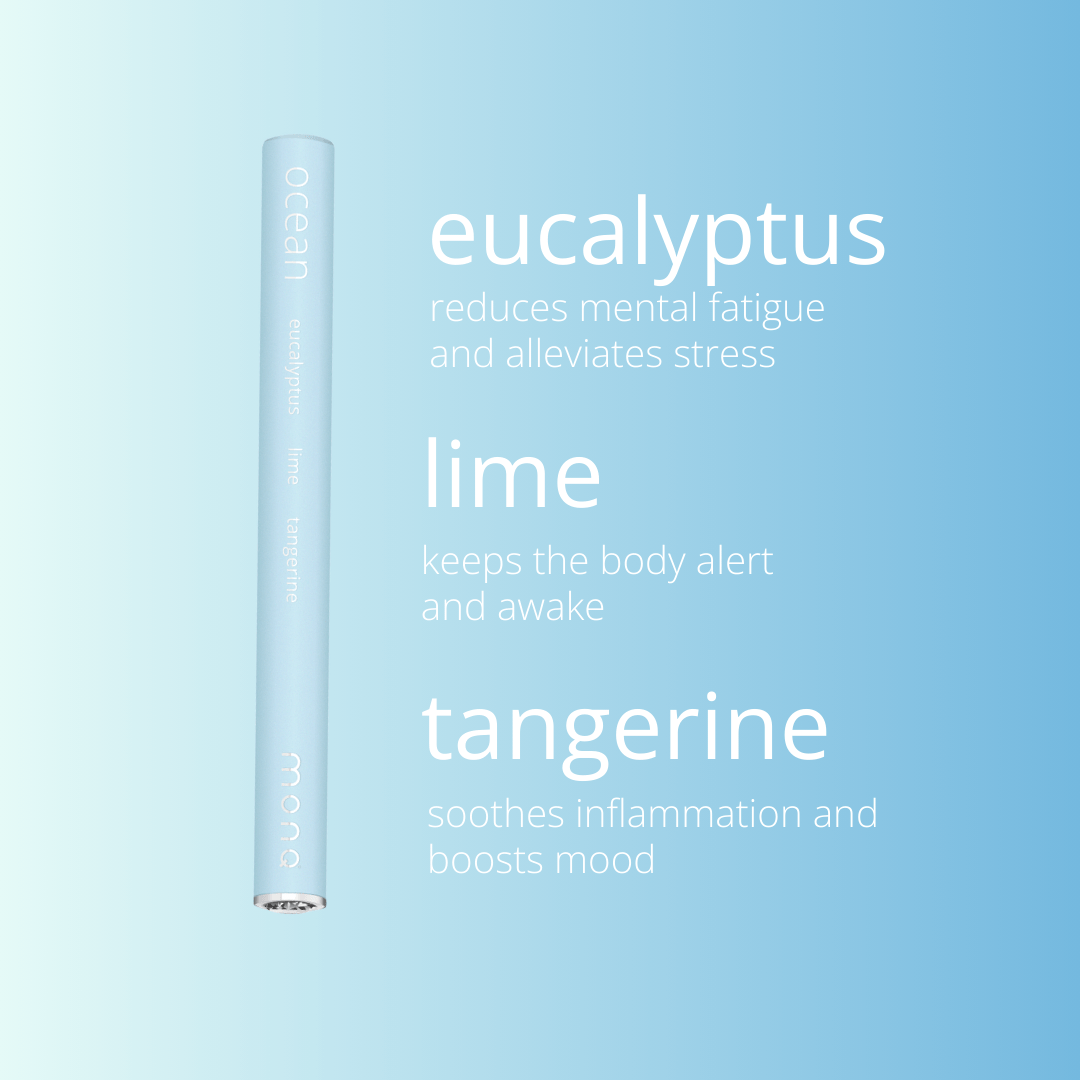
MONQ incorporates carefully selected botanical essences - many of which are rich in terpenes like camphene, pinene, and linalool - into personal aromatherapy diffusers for intentional daily use. For clean, clarifying aromatic experiences, explore Focus MONQ or Ocean MONQ. For a deeper look at the ingredients that go into each blend, visit our Essential Oil Ingredients page.
Disclaimer: The above information is provided for general wellness and educational purposes only. Please note that while individual essential oil ingredients may have been shown to exhibit certain independent effects when used alone, the specific blends of ingredients contained in MONQ diffusers have not been tested. No specific claims are being made that use of any MONQ diffusers will lead to any of the effects discussed above. Additionally, please note that MONQ diffusers have not been reviewed or approved by the U.S. Food and Drug Administration. MONQ diffusers are not intended to be used in the diagnosis, cure, mitigation, prevention, or treatment of any disease or medical condition. If you have a health condition or concern, please consult a physician or your alternative health care provider prior to using MONQ diffusers. MONQ blends should not be inhaled into the lungs. Why? It works better that way. No Nicotine Ever. Inhale through the mouth, exhale through the nose. MONQ Diffusers are not intended for individuals under 18, or women who are pregnant or nursing.