Bitter Orange Essential Oil

What Is Bitter Orange?
Bitter orange (Citrus aurantium) is a flowering citrus tree native to Southeast Asia that has traveled across continents over centuries of trade and cultivation. Distinct from the sweet oranges found in modern grocery stores, bitter orange bears intensely fragrant blossoms and a thick-skinned fruit whose peel yields one of the most complex and storied essential oils in botanical history. The tree was introduced to the Mediterranean by Arab traders around the 10th century and quickly became a cornerstone of European perfumery and folk wellness traditions.
Three different essential oils are produced from this single plant: the cold-pressed peel oil (known as bitter orange), the steam-distilled flower oil (neroli), and the leaf and twig oil (petitgrain). The peel oil is the most widely used in aromatherapy and carries a bright, slightly tart citrus scent with warm, floral undertones. Traditional Mediterranean herbalists used it to support digestion and uplift low spirits, while its concentrated fragrance made it a prized addition to the early French perfume trade. In Ayurvedic traditions, bitter orange was considered a warming, stimulating botanical particularly suited to dispelling mental heaviness.
Through centuries of use across Europe, the Middle East, and Asia, bitter orange became synonymous with the kind of sharp, clear awakening that only true citrus botanicals can provide. Its scent is immediate and unambiguous - a burst of brightness that cuts through mental fog and invites a moment of fresh orientation.
The Science Behind Bitter Orange
The primary aromatic constituents of bitter orange essential oil include limonene (which can comprise 90% or more of the oil), along with myrcene, alpha-pinene, linalool, and small amounts of bergapten. Limonene is among the most studied aroma compounds in modern research, and its presence in high concentrations gives bitter orange its characteristic energizing quality. When inhaled and processed through the olfactory system, limonene activates scent receptors that send signals directly to the limbic system - the brain's emotional and motivational center - supporting feelings of brightness and mental clarity.
Linalool, though present in smaller amounts, adds a soft floral counterpoint to bitter orange's sharp citrus edge. This compound is associated with a calming influence that tempers limonene's energizing quality, creating a balanced aromatic experience rather than a purely stimulating one. The synergy between these constituents is what gives bitter orange its distinctive character: alert without being agitated, bright without being sharp. The olfactory pathway delivers these compounds directly to the brain's limbic structures without passing through the digestive system, making inhalation one of the most direct routes for aromatic plant compounds to engage with emotional processing centers.
How MONQ Uses Bitter Orange
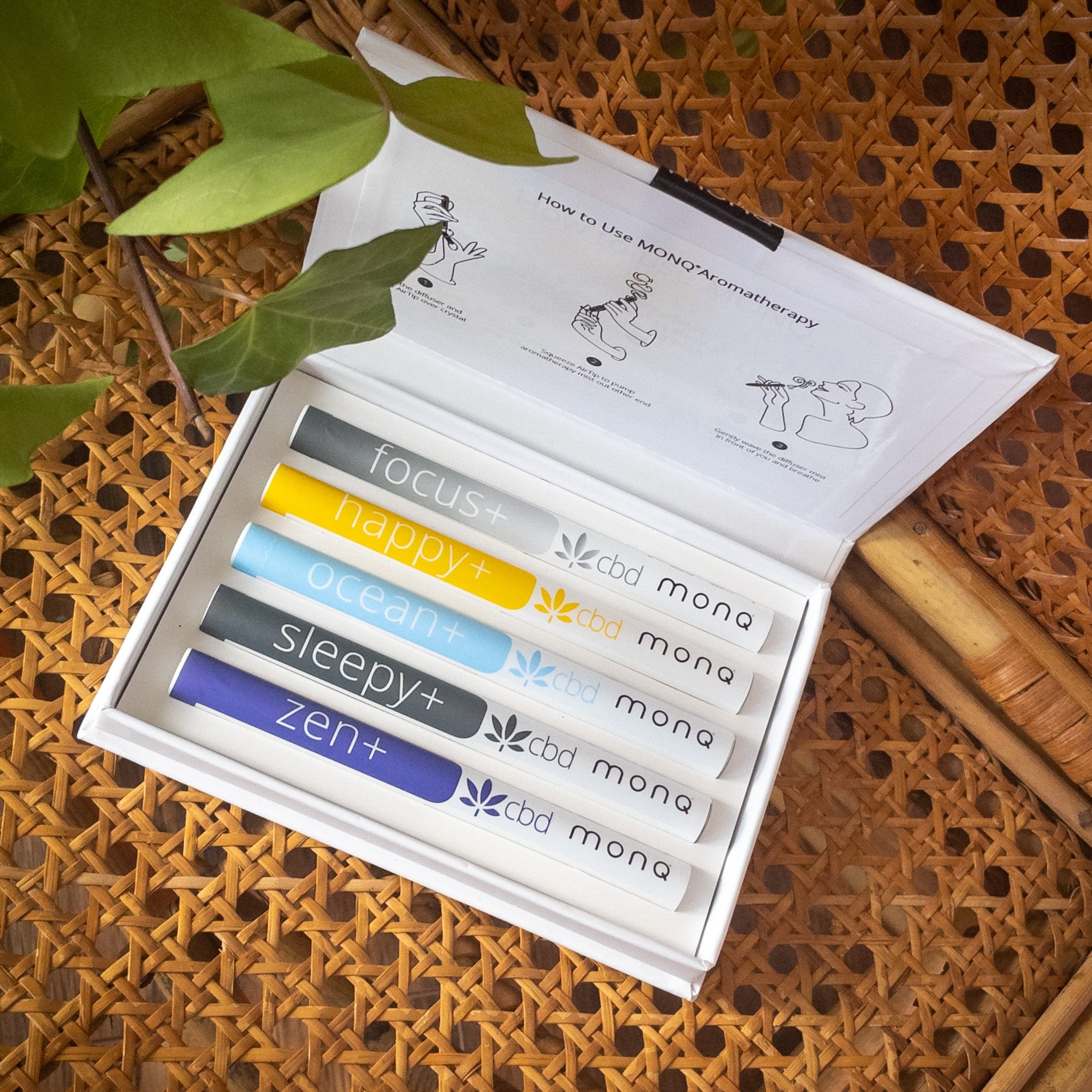
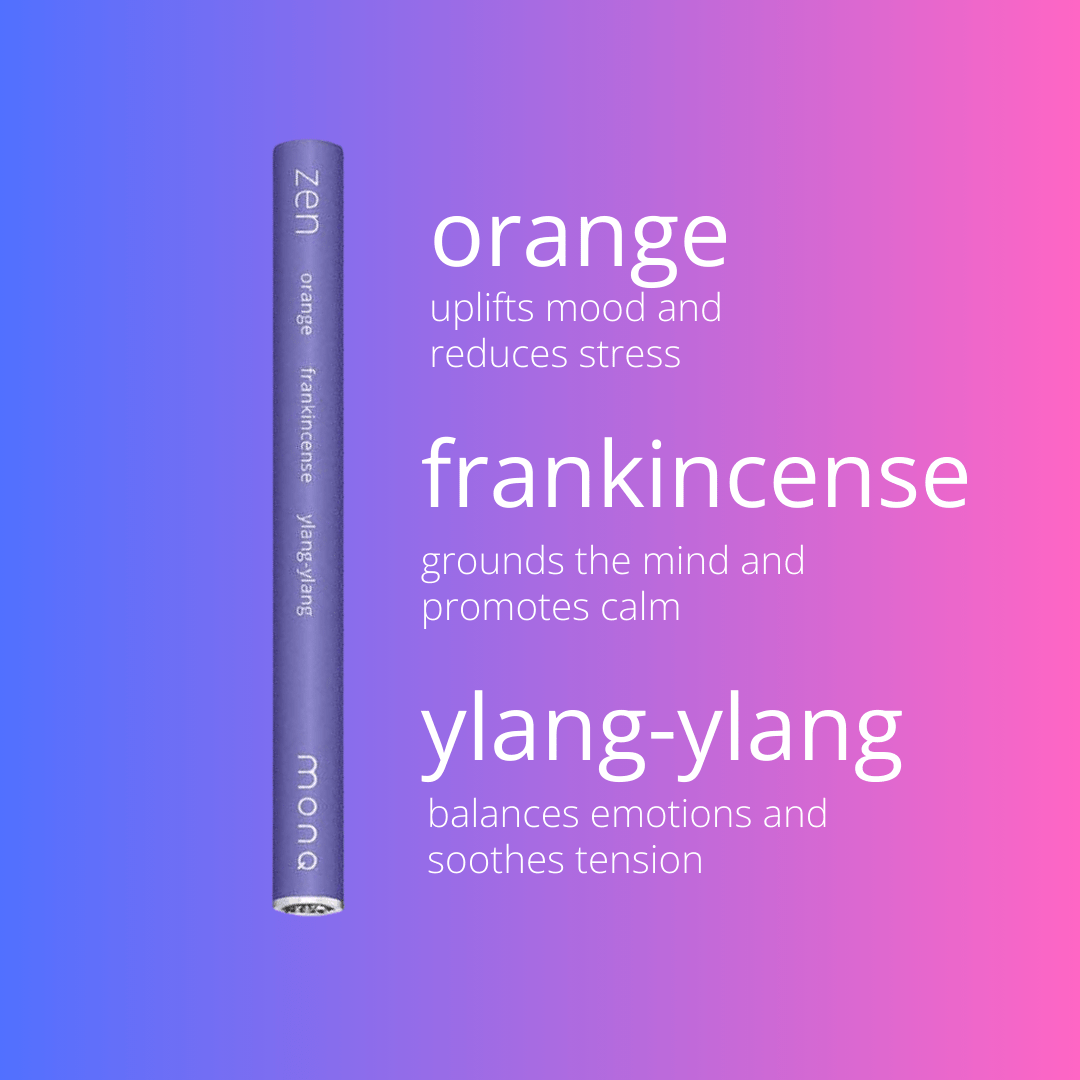
Bitter orange is featured in Happy MONQ, MONQ's iconic blend designed to support a light, optimistic state of mind. Within that blend, bitter orange contributes its signature citrus lift - a clean, immediate brightness that pairs beautifully with the floral and herbal notes of other botanicals in the Happy formula. The result is a multi-layered aromatic experience where bitter orange provides the energetic forward note that sets the tone for the entire blend.
MONQ's retronasal breath method - inhaling gently through the mouth, then exhaling through the nose - allows the bitter orange aromatics to travel the complete olfactory pathway from back of mouth to nasal epithelium to limbic system. This method ensures the full complexity of the oil reaches the scent receptors intact. A few intentional breaths with Happy MONQ can serve as a simple ritual for shifting your internal state toward lightness and openness.
Explore More
Disclaimer: The above information is provided for general wellness and educational purposes only. Please note that while individual essential oil ingredients may have been shown to exhibit certain independent effects when used alone, the specific blends of ingredients contained in MONQ diffusers have not been tested. No specific claims are being made that use of any MONQ diffusers will lead to any of the effects discussed above. Additionally, please note that MONQ diffusers have not been reviewed or approved by the U.S. Food and Drug Administration. MONQ diffusers are not intended to be used in the diagnosis, cure, mitigation, prevention, or treatment of any disease or medical condition. If you have a health condition or concern, please consult a physician or your alternative health care provider prior to using MONQ diffusers. MONQ blends should not be inhaled into the lungs. Why? It works better that way. No Nicotine Ever. Inhale through the mouth, exhale through the nose. MONQ Diffusers are not intended for individuals under 18, or women who are pregnant or nursing.