

Your Nose Has a Backdoor Into Your Brain: The Science of Smell

Of the five senses we learn about in school — sight, sound, taste, touch, and smell — four of them have something in common that most people never realize.
Sight, sound, taste, and touch all pass through a relay station deep inside the brain called the thalamus before reaching their primary sensory cortex. Think of the thalamus as a mail room: incoming information is sorted, processed, and directed to the right destination.
Smell is different. Entirely.
The Unusual Architecture of the Olfactory Pathway
When you inhale an aromatic molecule — alpha-pinene from a pine tree, for example, or linalool from a lavender field — it dissolves in the mucus layer inside your nose and binds to olfactory sensory neurons. Those neurons signal the olfactory bulb, which sends information directly to regions including the piriform cortex, parts of the amygdala, and the entorhinal cortex — a gateway to the hippocampus.
These are the brain's centers for emotion, memory formation, and emotional response. And olfaction reaches them without stopping at the thalamic checkpoint first.
Why You Feel a Smell Before You Name It
This unusual routing has a practical consequence that most of us have experienced but never had language for.
You walk into a room and feel something — relaxed, uneasy, suddenly nostalgic — before you've consciously identified the scent. Only a moment later do you recognize lavender in the air, or realize the room smells exactly like your grandmother's kitchen.
Your brain was already evaluating the aroma's familiarity, pleasantness, and significance while your conscious mind was still catching up.
That is remarkable, and it is not a flaw or a curiosity. It is a feature of ancient biology.
Olfaction and the Ancient Brain
Long before humans had language, or prefrontal cortices capable of making spreadsheets and to-do lists, living things were sensing chemicals in their environment. Chemical sensing helped organisms distinguish nutrients from toxins, recognize potential mates, and detect potential threats.
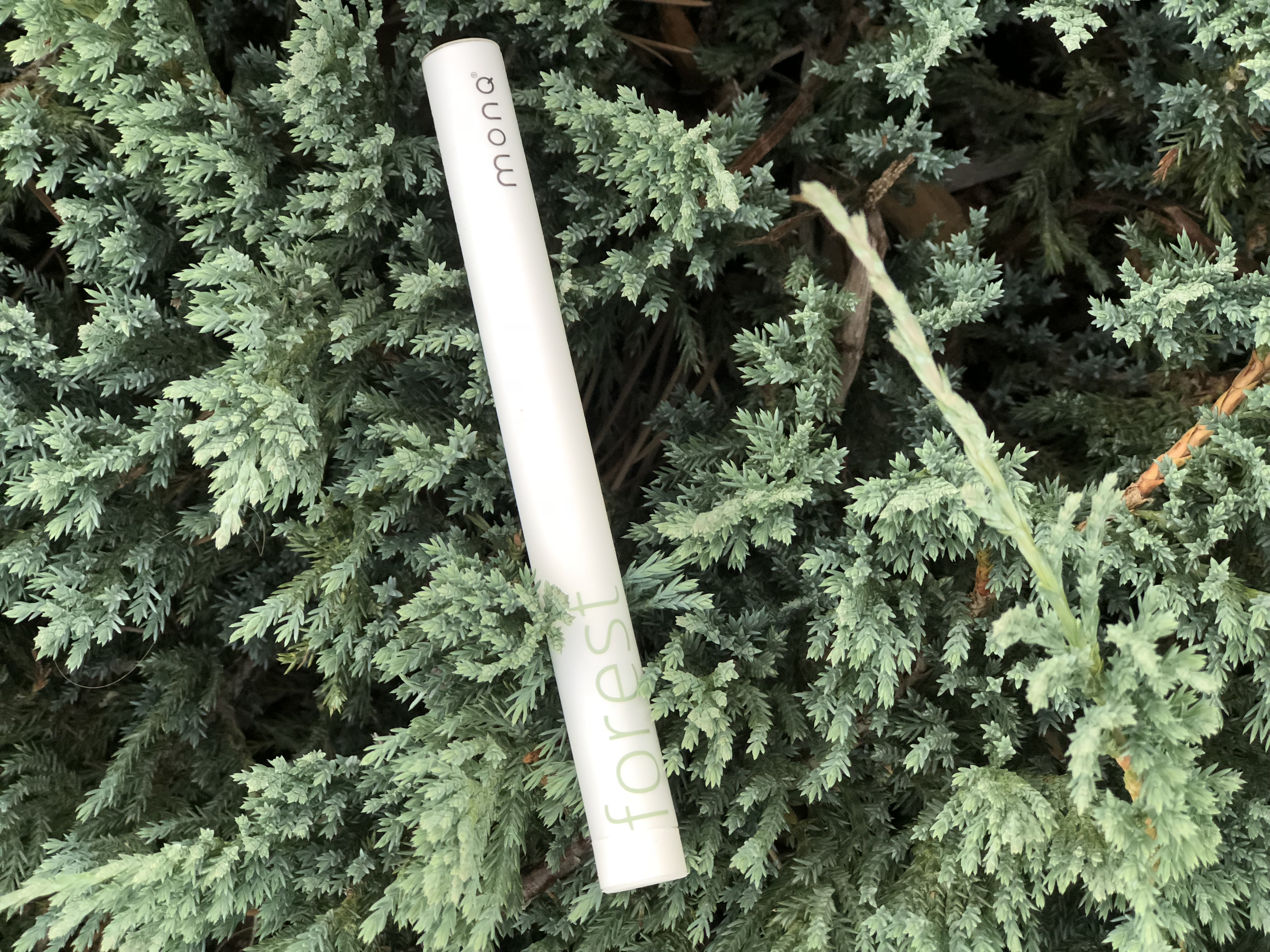
In humans, smell remains unusually intertwined with emotion and memory in ways that other senses simply are not. This is why spending time among trees — a practice the Japanese call Shinrin-yoku, or forest bathing — has measurable effects on mood, cortisol levels, and heart rate. The aromatic compounds released by trees (primarily terpenes like alpha-pinene, limonene, and myrcene) engage this ancient olfactory-emotional pathway directly.

What This Means for Intentional Aromatherapy
This does not mean every aroma produces the same response in every person. Biology, personal memory, context, and expectation all matter. The same scent that calms one person may remind another of an unpleasant experience.
But it does mean that aroma is more than decoration. A scent can shape how a moment feels — and what that moment calls to mind years later.
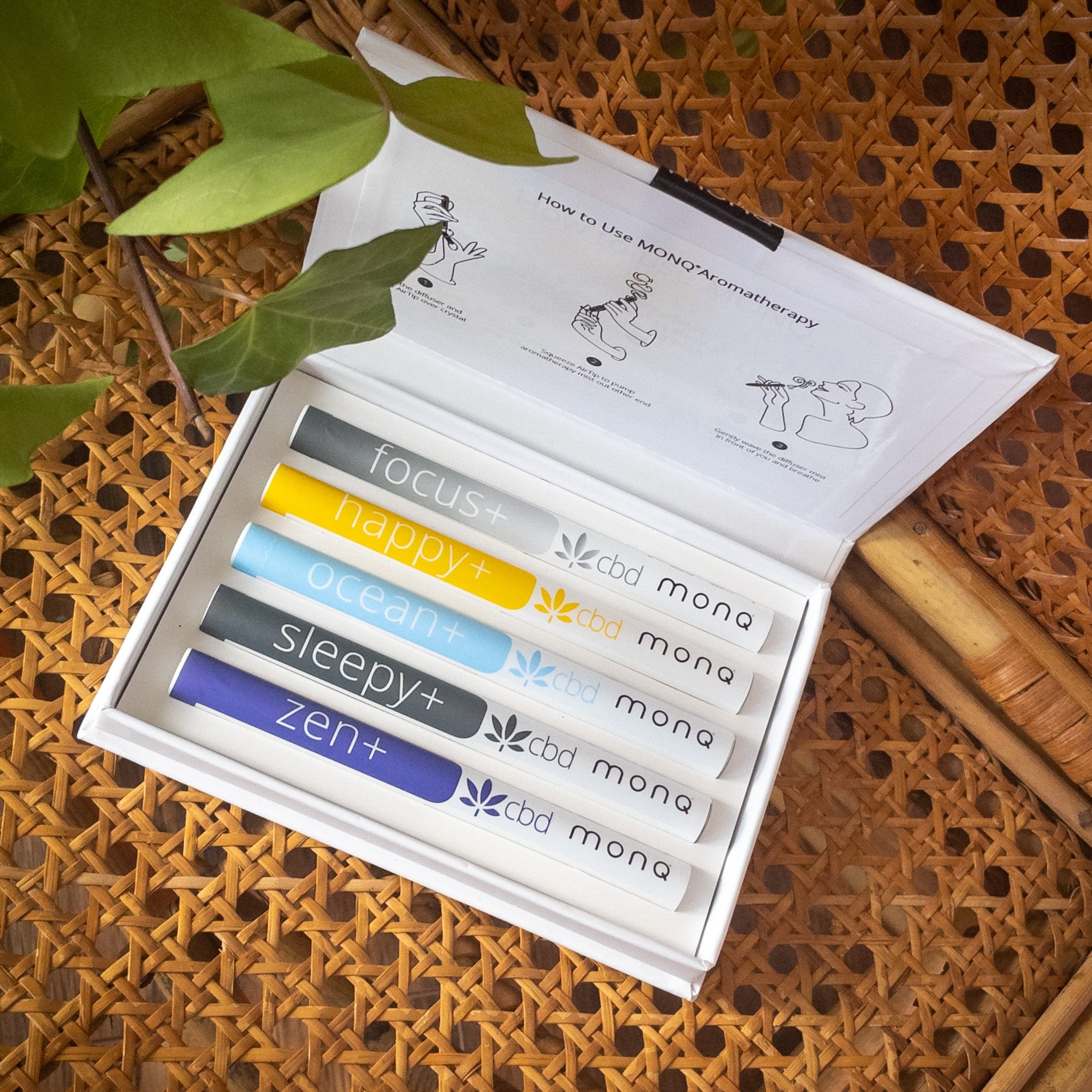
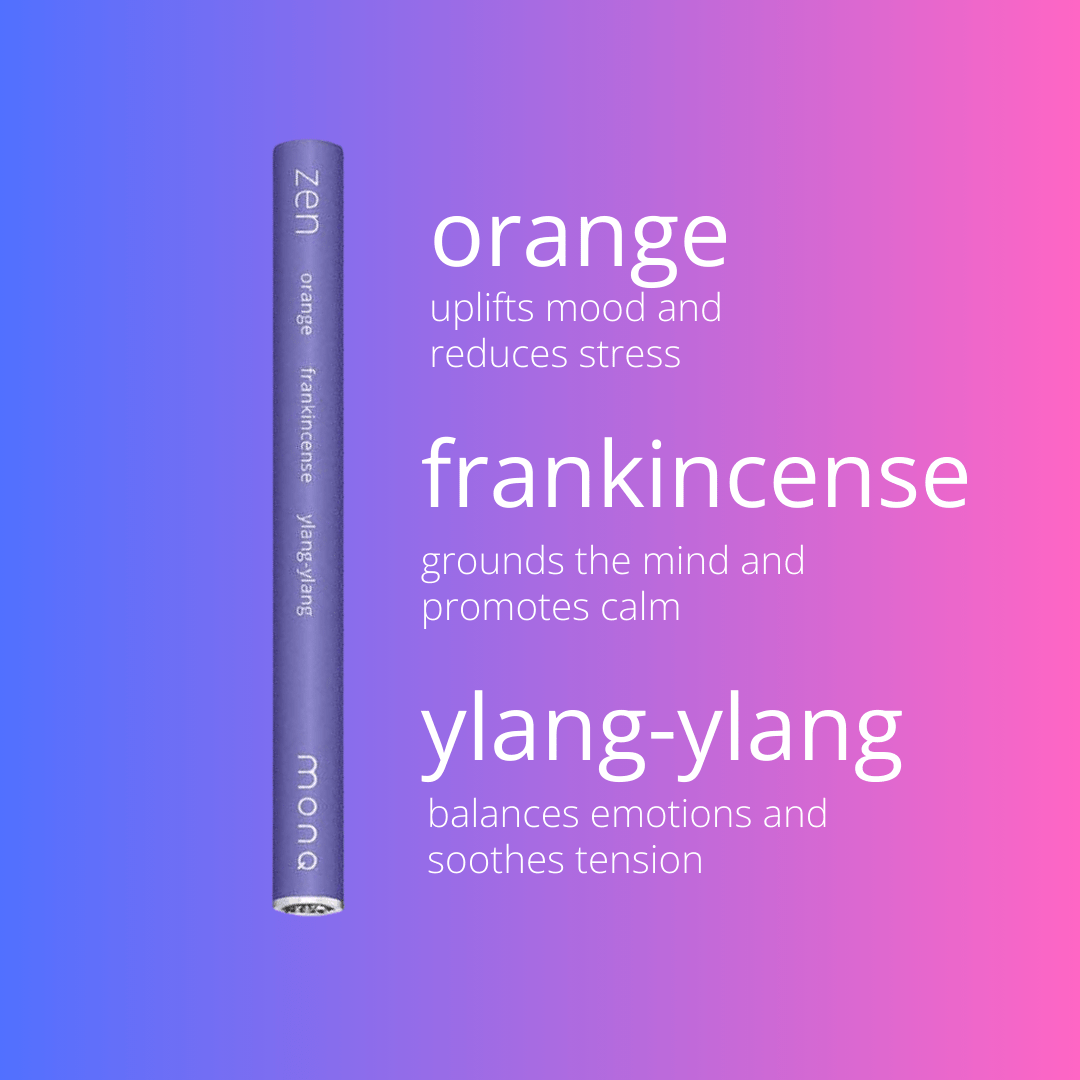
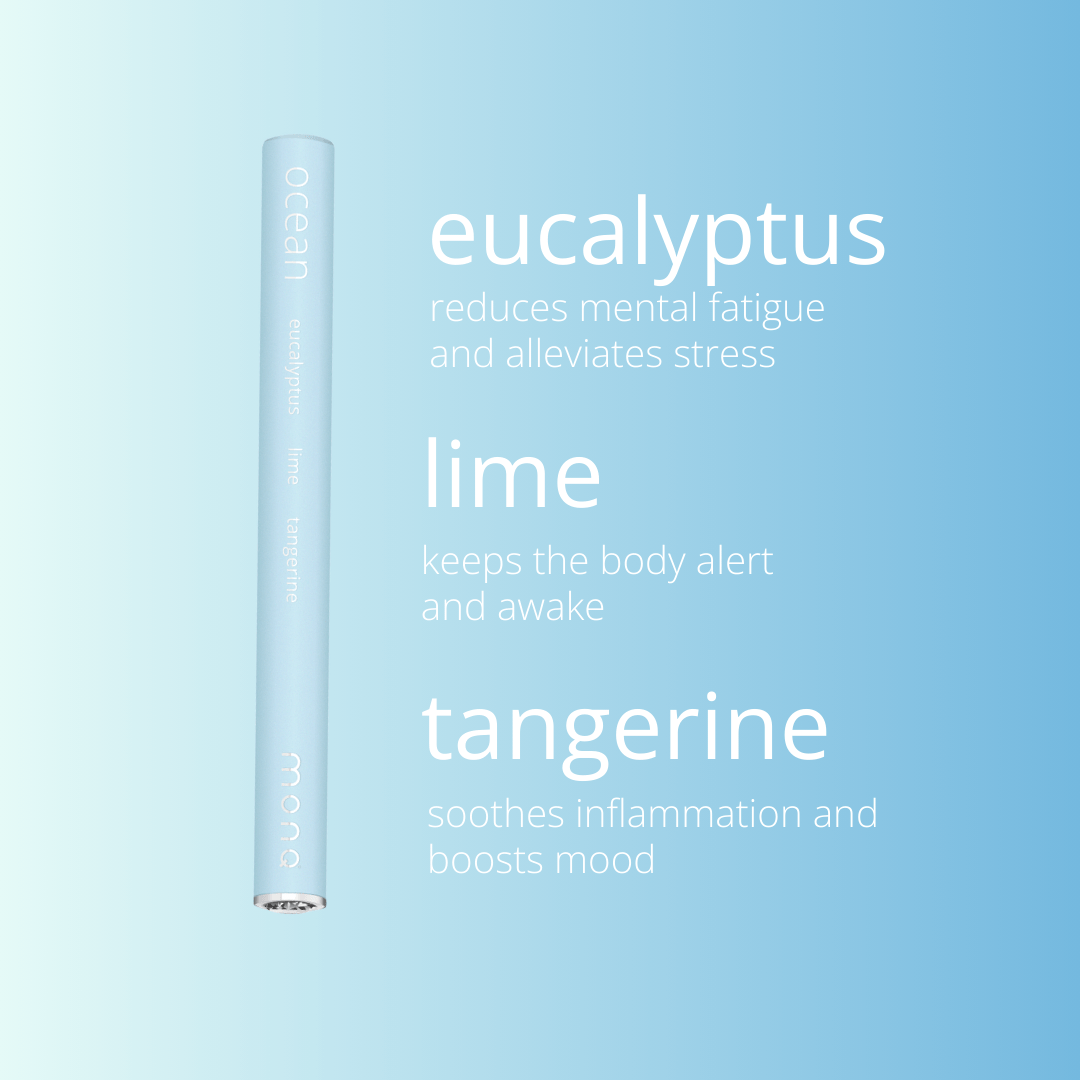
That insight is the foundation of MONQ. Rather than passively diffusing fragrance into a room, MONQ was designed around deliberate breathing and carefully composed aromatic blends — engaging the olfactory pathway intentionally, breath by breath.
Explore blends crafted around this principle:
• reduce stress
• brain fog
• personal aromatherapy diffusers
The Takeaway
Your nose has been doing something remarkable your entire life — connecting aroma to experience in ways that bypass conscious filtering and reach directly into emotion and memory.
Understanding that pathway is the first step toward using it intentionally. Whether you're spending time in a forest, practicing breathing rituals, or working with aromatic blends at home, you're engaging one of the most ancient and direct sensory systems in the human brain.
Further reading:
Effects of forest environment (Shinrin-yoku) on health promotion and disease prevention — Environ Health Prev Med, 2022
What is Terpene Deficiency? The science of Paleo Air — MONQ
Frankincense (Boswellia carterii) and the olfactory system — MONQ Ingredient Library
These statements have not been evaluated by the Food and Drug Administration. This product is not intended to diagnose, treat, cure, or prevent any disease. No Nicotine. Ever.










Leave a comment