

The Proust Effect: Why a Smell Can Take You Back 30 Years in Half a Second

You catch a smell while walking down a street — and before you can name it, you're somewhere else entirely.
Your grandmother's kitchen. Summer camp. The backseat of your parents' car on a road trip thirty years ago.
For a moment, you don't merely remember the place. You feel returned to it: the atmosphere, the light, the emotion, even the particular version of yourself who lived inside that moment.
Then it passes. And you're standing on the sidewalk again, slightly stunned, wondering what just happened.
Marcel Proust and the Madeleine
This experience has a name: the Proust Effect.
It takes its name from Marcel Proust's In Search of Lost Time, in which the narrator dips a madeleine into tea — and is instantaneously, involuntarily transported back to his childhood in Combray. The experience doesn't feel like a memory in the ordinary sense. It feels like return.
Proust wrote more than 4,000 pages trying to understand it. Scientists have spent decades trying to explain it. And the explanation, when it arrives, is surprisingly satisfying.
The Neuroscience Behind the Poetry
Smell is the only sense that connects directly to the brain regions governing emotion and autobiographical memory — without passing through the thalamic relay station that filters all other sensory input.
When an aromatic molecule enters your nose, it travels almost immediately to the olfactory bulb, which sends signals to the amygdala (the brain's emotional center) and the hippocampus (where autobiographical memories are formed and retrieved). This happens faster than conscious identification.
The result: a smell can make you feel something before you know what you're smelling.
This helps explain why memories evoked by scent often feel more emotionally immediate than memories triggered by a photograph or a name. A photograph makes you think: "I remember that." A smell can make you feel: "I'm there again."
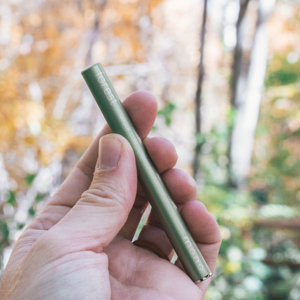
The Proust Effect in the Forest
This is one of the reasons that forest bathing — immersive time spent among trees, known in Japan as Shinrin-yoku — has such powerful effects on mood and emotional wellbeing.
The terpenes released by conifers, eucalyptus, and other forest trees (alpha-pinene, beta-pinene, limonene, and others) engage the olfactory pathway directly. For many people, the scent of a forest doesn't just smell pleasant — it carries the emotional resonance of every forest they've ever stood in, every moment of calm or freedom those places represented.
The forest doesn't merely smell like the past. It can feel like a return to a more spacious version of oneself.
Creating New Associations Intentionally
Here is what is less well understood: this capacity does not belong only to the past.
You can create new scent associations deliberately.
Use a specific aromatic blend during the same meditative practice, again and again. Over time, its scent becomes a sensory cue — a bookmark placed at the entrance to a state you want to revisit.
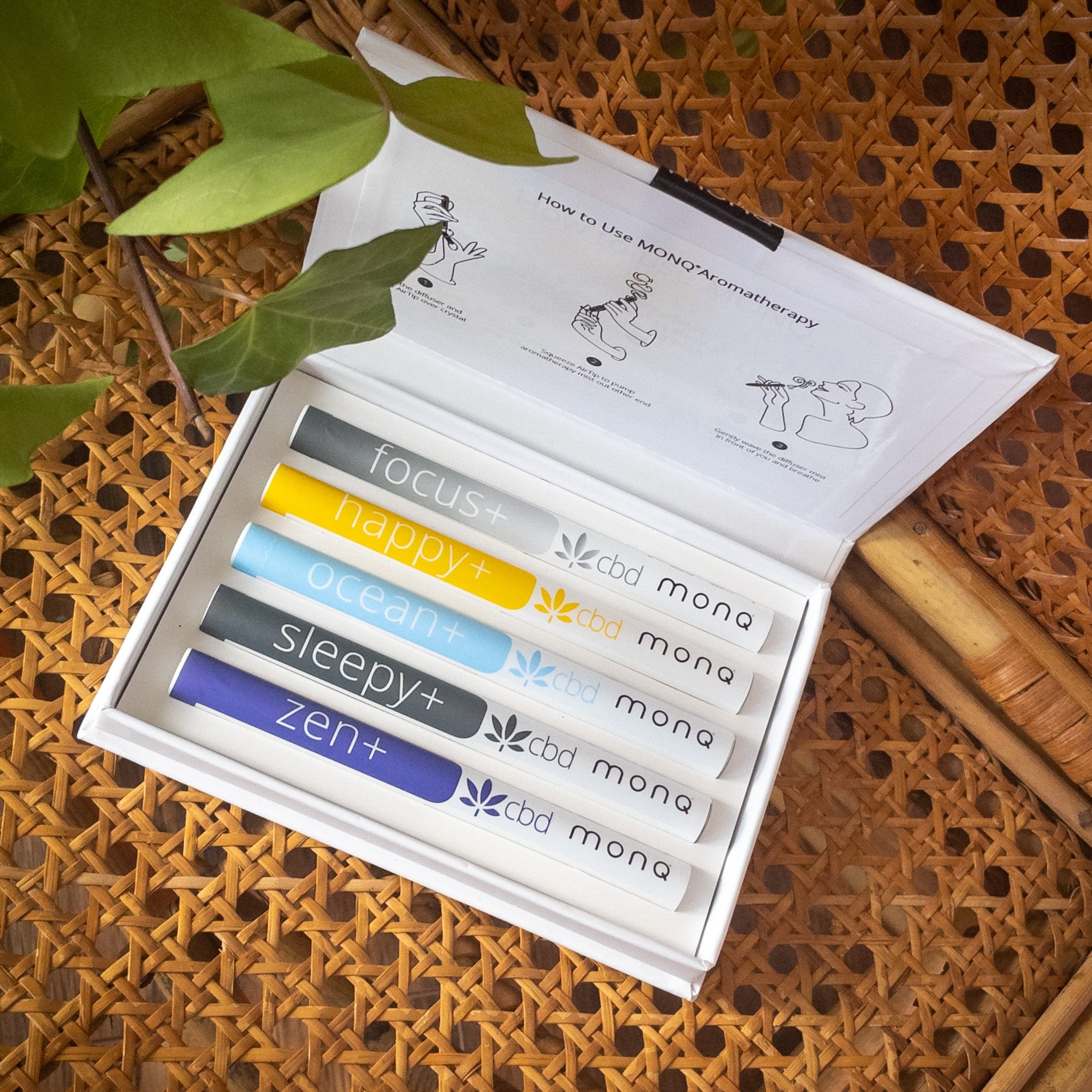
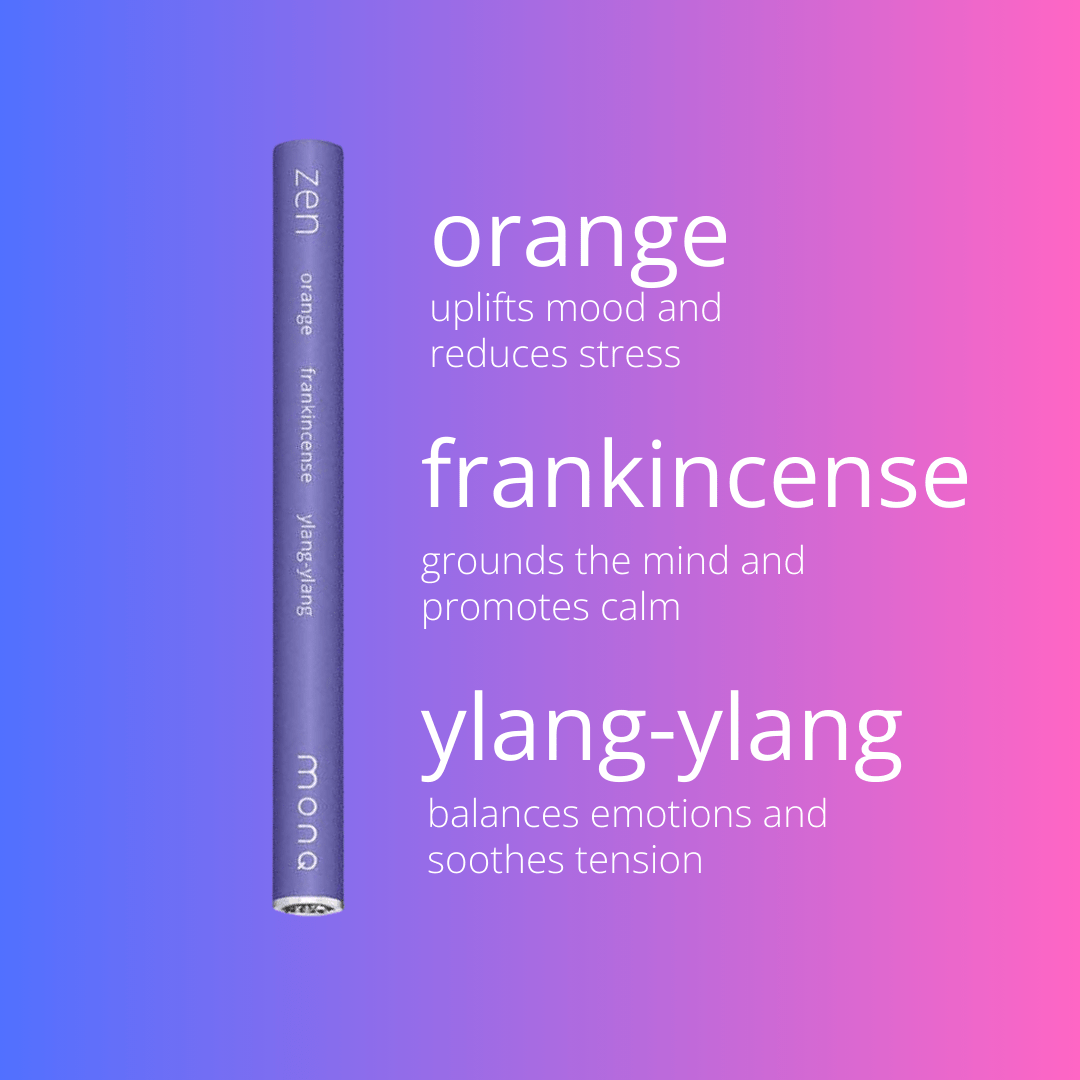
- Use a calm the mind as part of your morning practice, and its aroma begins to signal: "This is the moment I become quiet."
- Use a mental clarity when you begin concentrated work: "Now I concentrate."
- Use restful night: "Now I let the day go."
The scent doesn't create the practice for you. It becomes woven into the practice — a sensory anchor that, over repetition, begins to carry the emotional weight of every session it's accompanied.
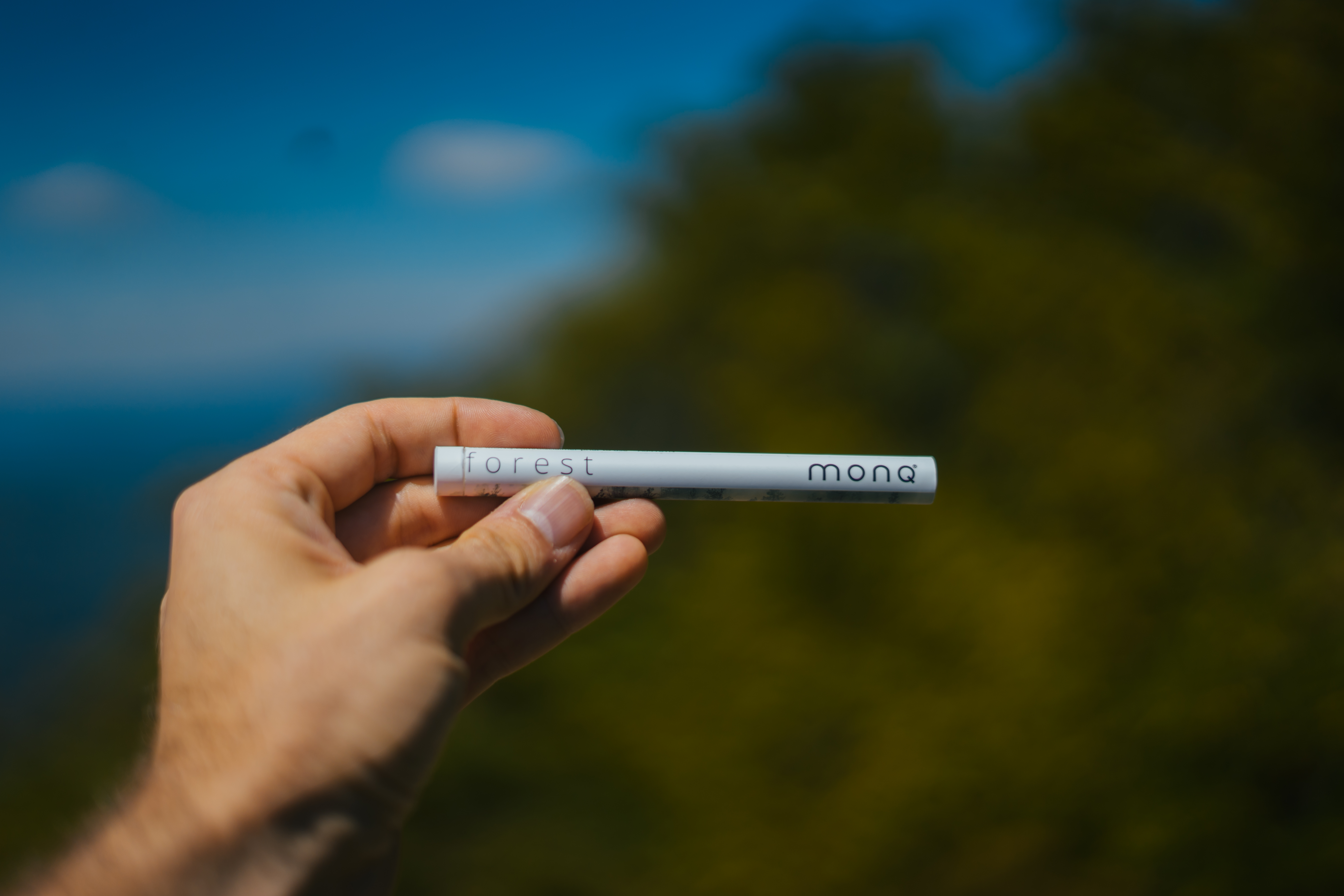
Building Your Future Proust Moment
Proust spent 4,000 pages chasing the past through scent. But the same neuroscience that explains involuntary recall also explains intentional association.
Someday, the scent of a particular botanical blend may return you — not to a childhood memory — but to a version of yourself you chose to become: calmer, more focused, more present.
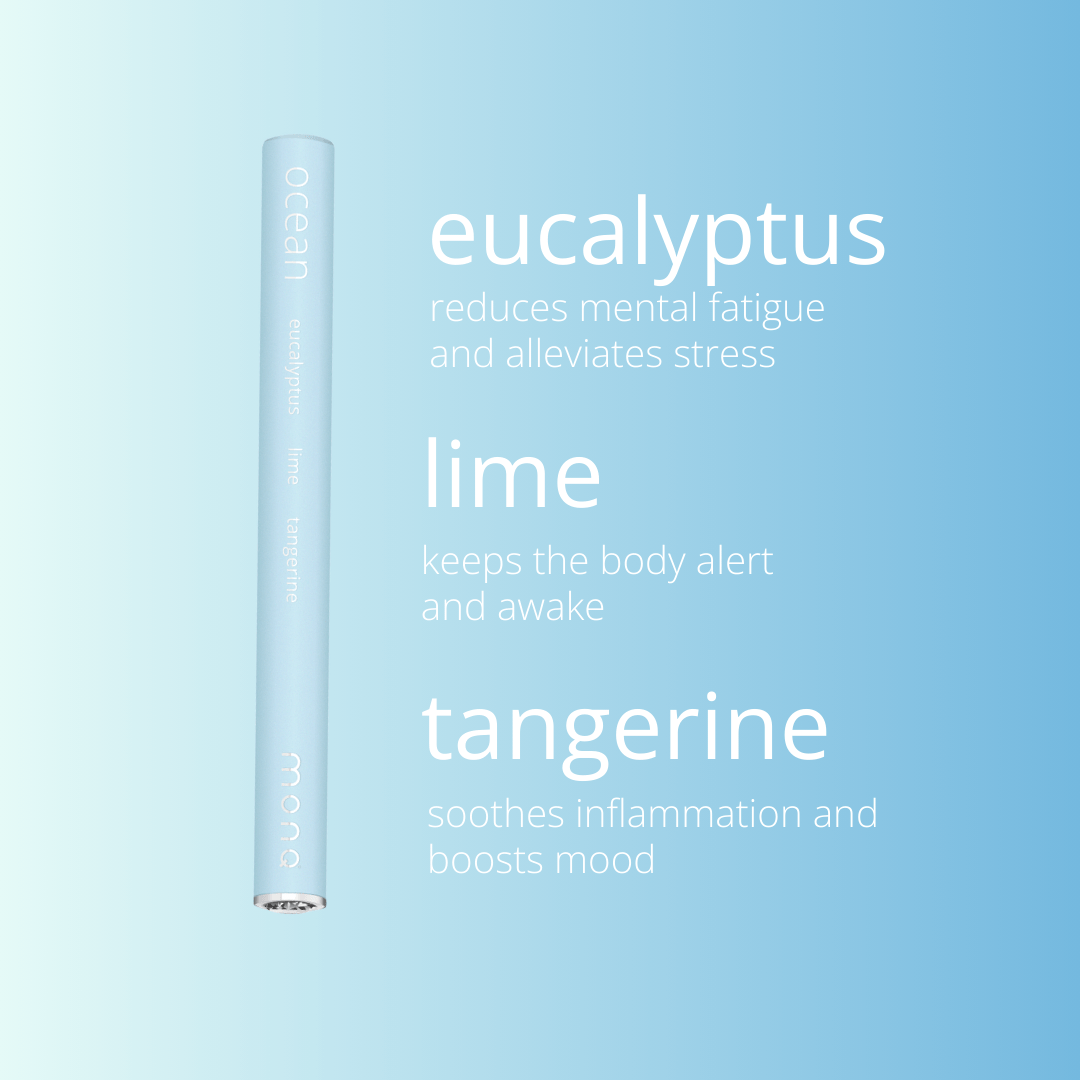
The olfactory pathway works in both directions. It can surprise you with the past. Or you can use it, deliberately and patiently, to build into the future. Explore portable essential oil diffusers to find your anchor.
Further reading:
Forest bathing as an integrative strategy for mental and cardiovascular health — Frontiers in Public Health, 2026
Terpene deficiency and Paleo Air: why indoor living changes how you feel — MONQ
Pinyon pine resin — a grounding aromatic with deep olfactory roots — MONQ Ingredient Library
These statements have not been evaluated by the Food and Drug Administration. This product is not intended to diagnose, treat, cure, or prevent any disease. No Nicotine. Ever.










Leave a comment