

Embracing a Zero Waste Lifestyle: Small Steps, Big Impact

You have likely heard the buzz around "zero waste" lately. While it is not a new concept, the awareness of our environmental footprint is finally gaining traction. At first glance, the term might seem daunting - especially in a world where so much comes packaged in plastic. But the essence of zero waste is about mindful consumption, not perfection. It is a philosophy of intention, not an impossible standard.
Understanding Zero Waste
Reducing waste does not mean you have to eliminate all waste entirely - though some dedicated practitioners work toward that goal. The zero waste movement is fundamentally about making conscious choices to reduce what we throw away, adopting sustainable practices along the way, and rethinking the relationship between what we consume and what we discard.
The concept draws inspiration from natural systems, where waste from one process becomes input for another. A forest generates no landfill because every fallen leaf, every dead branch, every shed bark becomes part of the living cycle. The zero waste movement asks: what would it look like if human systems worked the same way?
You do not need to start by purchasing every eco-friendly product on the market. Begin by using what you already have. If you have a stash of plastic shampoo bottles or several toothbrushes, use them up before considering sustainable alternatives. When you are ready to replace an item, explore whether there is a more environmentally friendly option or a way to repurpose what you already own.
Why Zero Waste Matters: The Plastic Problem
It is easy to feel overwhelmed by the ubiquity of plastic, especially in grocery stores. The problem extends far beyond our trash bins. According to the Earth Day organization, plastic pollution has reached staggering proportions in our oceans and ecosystems, with predictions that plastics could outweigh fish in our seas by 2050. These plastics harm marine life, increase the risk of coral diseases, and trap aquatic animals.
Microplastics - tiny particles less than 5mm in diameter - are another serious concern. They seep into ecosystems through everyday products like exfoliants and synthetic clothing fibers. As plastics degrade over time, they release harmful chemicals into the soil, water, and air. Scientists have found microplastics in remote mountain snowpack, deep ocean trenches, and even in human blood - a reminder that the plastic crisis is not a distant environmental issue but a personal health matter too.
The 5 R's: A Framework for Zero Waste Living
Most zero waste advocates organize their approach around a simple hierarchy of principles:
Refuse
The most powerful step is often the first one: simply say no to things you do not need. Refuse single-use bags, disposable straws, promotional plastic items, and unnecessary packaging. Before accepting any new item, ask whether you truly need it and what will happen to it when its useful life ends.
Reduce
Pare back what you already own and what you continue to acquire. This is not about deprivation - it is about intentionality. Fewer, better things create less waste and often bring more satisfaction than a home overflowing with items that go unused.
Reuse
Invest in durable, reusable alternatives: a stainless steel water bottle, cloth produce bags, a set of beeswax wraps instead of plastic wrap, glass containers for food storage. Each reusable item eliminates potentially hundreds of single-use disposables over its lifetime.
Recycle
Recycling is important, but it is the fourth priority rather than the first resort. Not all materials are truly recyclable in practice - contamination, economics, and local facility limitations mean that much of what people put in recycling bins still ends up in landfills. Learning what your local system actually accepts helps ensure that your recycling efforts translate into real diversion from waste streams. The EPA's recycling resources are a reliable starting point.
Rot
Composting organic matter - food scraps, paper, yard waste - returns valuable nutrients to the soil and keeps methane-generating organic material out of landfills. Even apartment dwellers can compost using compact countertop bins or local community compost programs.
Making Simple Changes: Where to Begin
You do not have to become a DIY expert or completely overhaul your lifestyle overnight. Simple, incremental changes compound into significant impact. Here are practical places to start:
- Kitchen: Switch to reusable produce bags, invest in a set of glass storage containers, compost food scraps, and choose products with minimal or compostable packaging.
- Bathroom: Transition to shampoo bars, refillable deodorant, bamboo toothbrushes, and plastic-free dental floss. Look for personal care products - including aromatherapy products - that prioritize sustainable packaging.
- Shopping: Bring your own bags, buy in bulk when possible, choose local and seasonal produce to reduce packaging and food miles, and opt for secondhand goods when available.
- Home: Choose cleaning products with refillable packaging, make your own simple cleaners with vinegar and baking soda, and switch to energy-efficient appliances and LED bulbs.
The Personal Benefits of Reducing Waste
While the environmental case for zero waste is compelling, reducing waste also offers meaningful personal benefits that make the lifestyle change its own reward:
Healthier Eating Habits
Cutting down on single-use packaging often means buying more fresh and whole foods - fruits, vegetables, legumes, and bulk dry goods. This shift naturally reduces reliance on processed foods, which tend to come in the most plastic. The result is often a healthier diet alongside a lighter environmental footprint.
Financial Savings
Reusable items have an upfront cost but deliver savings over time. A quality reusable water bottle replaces hundreds of single-use plastic bottles annually. Cooking from scratch with bulk ingredients typically costs far less than buying packaged convenience foods. Many zero waste practitioners find that their household spending drops noticeably once they stop buying disposables routinely.
Reduced Clutter and Greater Clarity
There is a psychological lightness that comes with owning less and wasting less. When our choices align with our values, it creates a sense of integrity and ease. Many people report that transitioning toward zero waste prompted a broader simplification of their lives - less time shopping, less mental energy managing excess stuff, and more space for what genuinely matters.
A Cleaner, Safer Home Environment
Many conventional cleaning and personal care products contain synthetic fragrances and chemicals that off-gas into indoor air. Transitioning to natural alternatives - including plant-based essential oils for aromatherapy and cleaning - can meaningfully improve the quality of your indoor air. MONQ's commitment to environmental stewardship reflects a similar philosophy: that the choices we make about what we bring into our bodies and homes ripple outward into the world.
Aromatherapy and Sustainable Living
Sustainable living and aromatherapy have a natural affinity. Essential oils are derived from plants - a renewable resource when sourced responsibly. Building a grounding aromatherapy ritual into your daily routine can also reduce reliance on synthetic air fresheners and conventional fragrance products that often contain undisclosed chemicals and come in single-use plastic packaging.
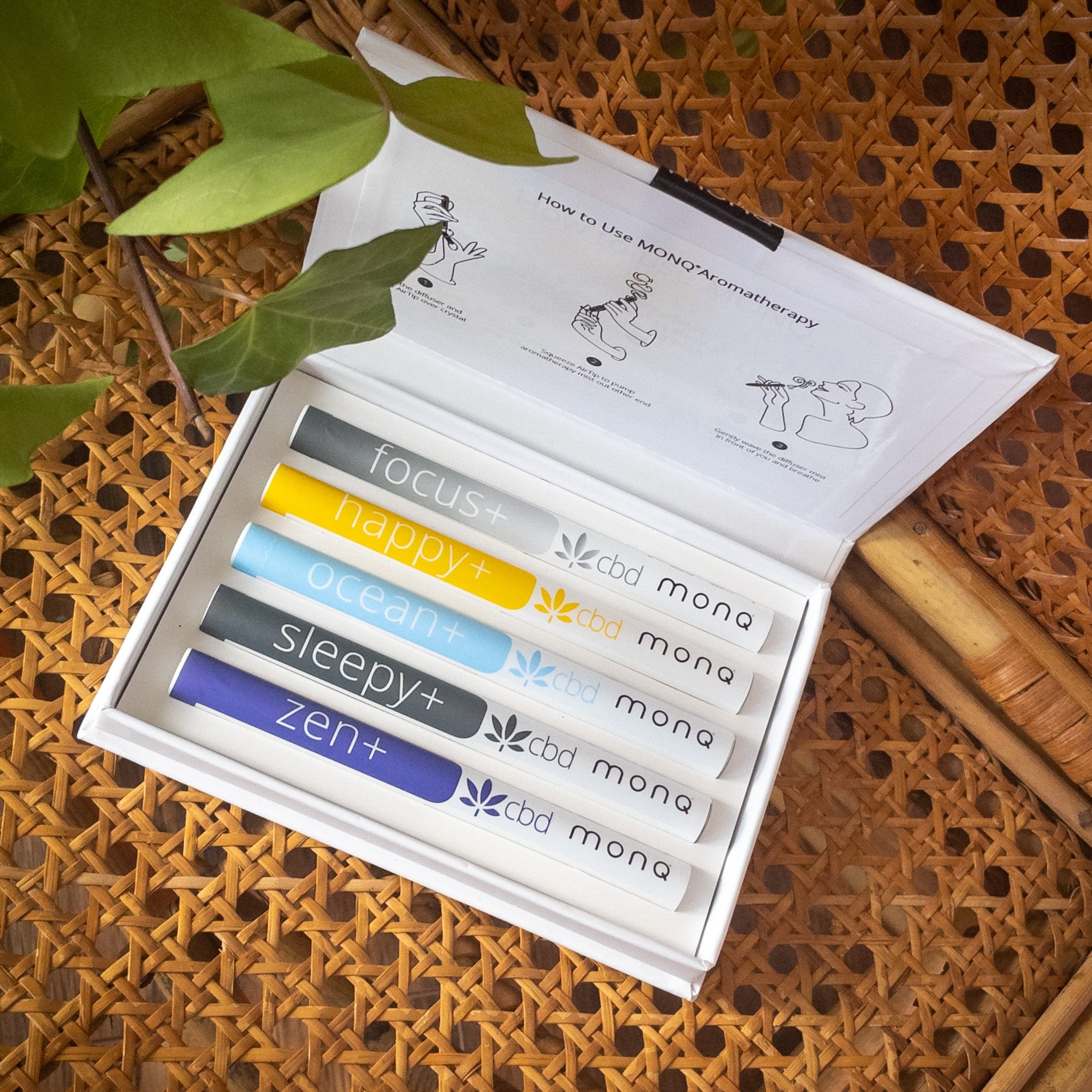
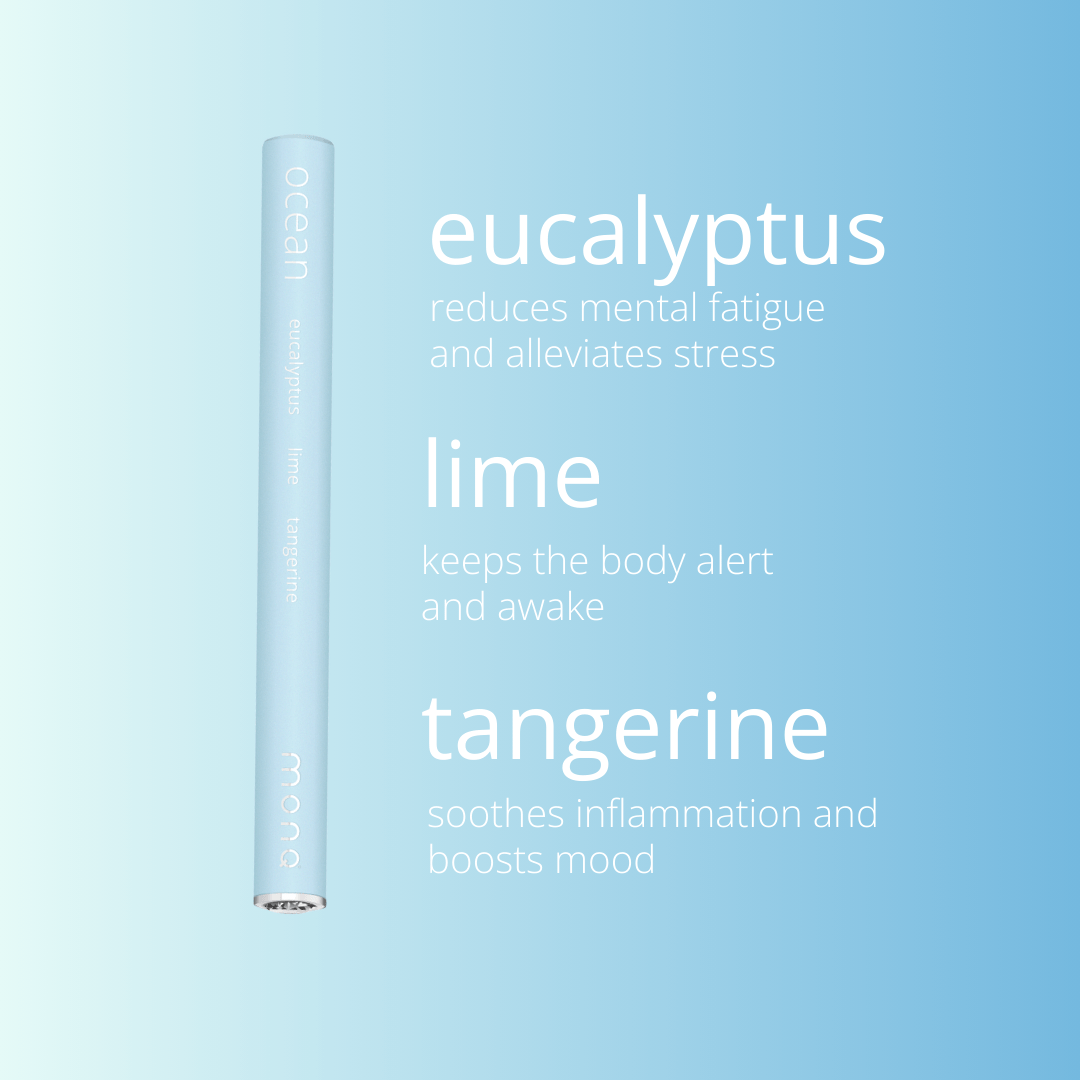
Forest MONQ, featuring Siberian fir, frankincense, pinyon pine, and Douglas fir, offers an evocative connection to the natural world and is a beautiful complement to an intentional, nature-honoring lifestyle. Ocean MONQ, with its blend of eucalyptus, lime, and tangerine, brings the freshness of the sea into your daily routine - a fitting reminder of what we are working to protect.
Every step toward zero waste is a step worth taking. The journey does not require perfection - only intention, consistency, and a willingness to keep learning.*
Disclaimer: The above information is provided for general wellness and educational purposes only. Please note that while individual essential oil ingredients may have been shown to exhibit certain independent effects when used alone, the specific blends of ingredients contained in MONQ diffusers have not been tested. No specific claims are being made that use of any MONQ diffusers will lead to any of the effects discussed above. Additionally, please note that MONQ diffusers have not been reviewed or approved by the U.S. Food and Drug Administration. MONQ diffusers are not intended to be used in the diagnosis, cure, mitigation, prevention, or treatment of any disease or medical condition. If you have a health condition or concern, please consult a physician or your alternative health care provider prior to using MONQ diffusers. MONQ blends should not be inhaled into the lungs. Why? It works better that way. No Nicotine Ever. Inhale through the mouth, exhale through the nose. MONQ Diffusers are not intended for individuals under 18, or women who are pregnant or nursing.










Leave a comment