

Rhododendron Essential Oil: Aroma, History, and Responsible Use

Rhododendron is a large and diverse botanical genus known for ornamental flowers and a long cultural history. Some species have also been used in regional aromatic traditions. Those traditions are historically interesting, but they should not be treated as proof of medical effectiveness.
Botanical Identity Matters
The name “rhododendron” covers many different species, and their chemistry and safety are not interchangeable. Some parts of some rhododendron species can be toxic. Consumers should never gather, distill, drink, or apply an unidentified rhododendron plant based on general information found online.
Aroma and Traditional Context
Commercial rhododendron essential oil is typically described as fresh, green, floral, and gently balsamic. In Himalayan communities, aromatic plant materials have historically appeared in incense and ceremonial practices. This cultural record helps explain the plant’s aromatic significance; it does not establish that the oil can treat respiratory, digestive, liver, kidney, infectious, or pain-related conditions.
What Laboratory Findings Mean
Researchers sometimes test isolated botanical compounds against cells or microorganisms in laboratory settings. Such experiments can help scientists identify questions for further study. They do not demonstrate that ordinary household use of an essential oil will prevent infection, “kill bacteria” inside the body, improve organ function, or relieve symptoms.
Responsible Use
Use only a properly identified product from a reputable supplier and follow its directions. Do not ingest essential oils. Do not place undiluted essential oil on the skin. Keep essential oils away from children and pets, and consult a qualified professional if you have a medical condition, take medication, or are uncertain about individual suitability.
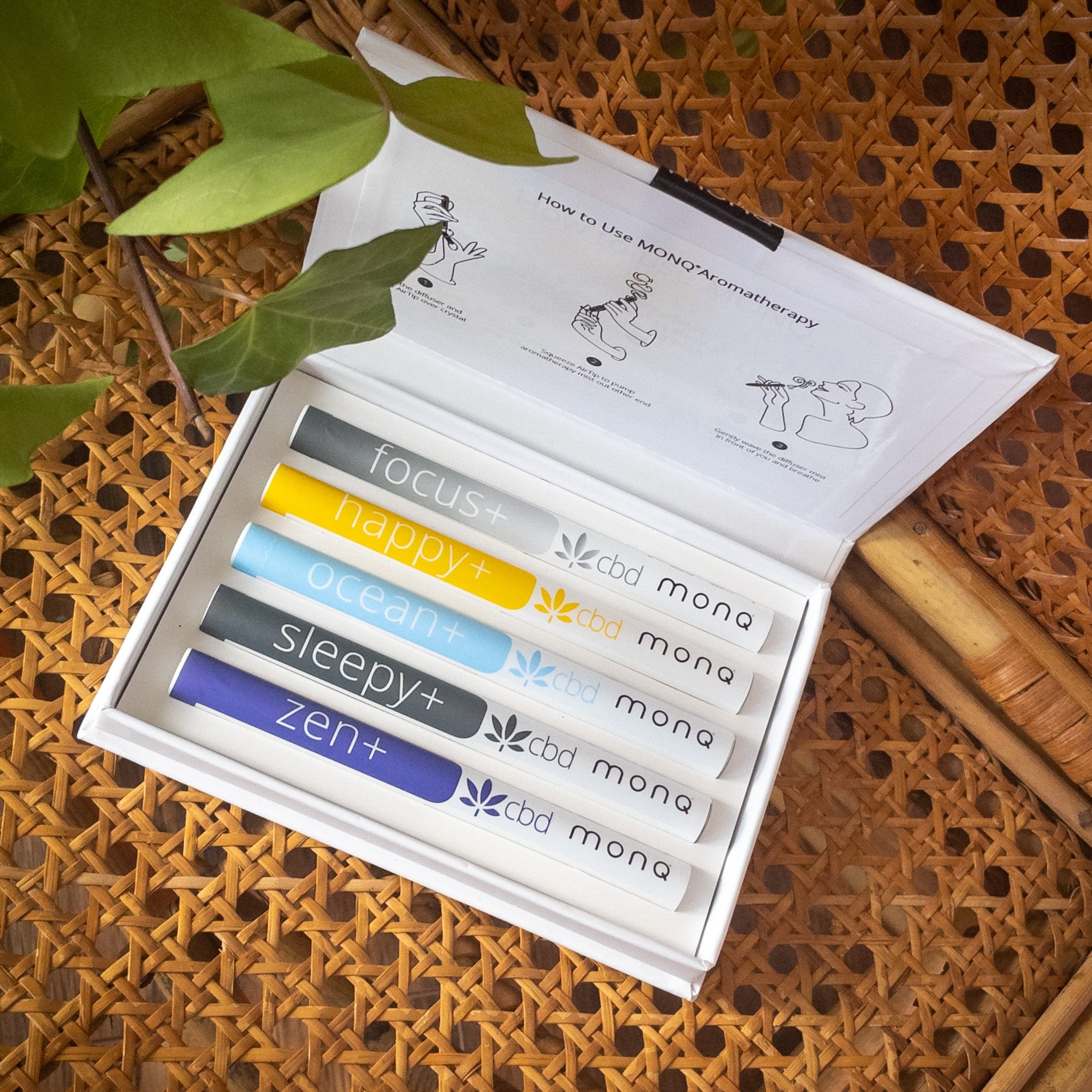
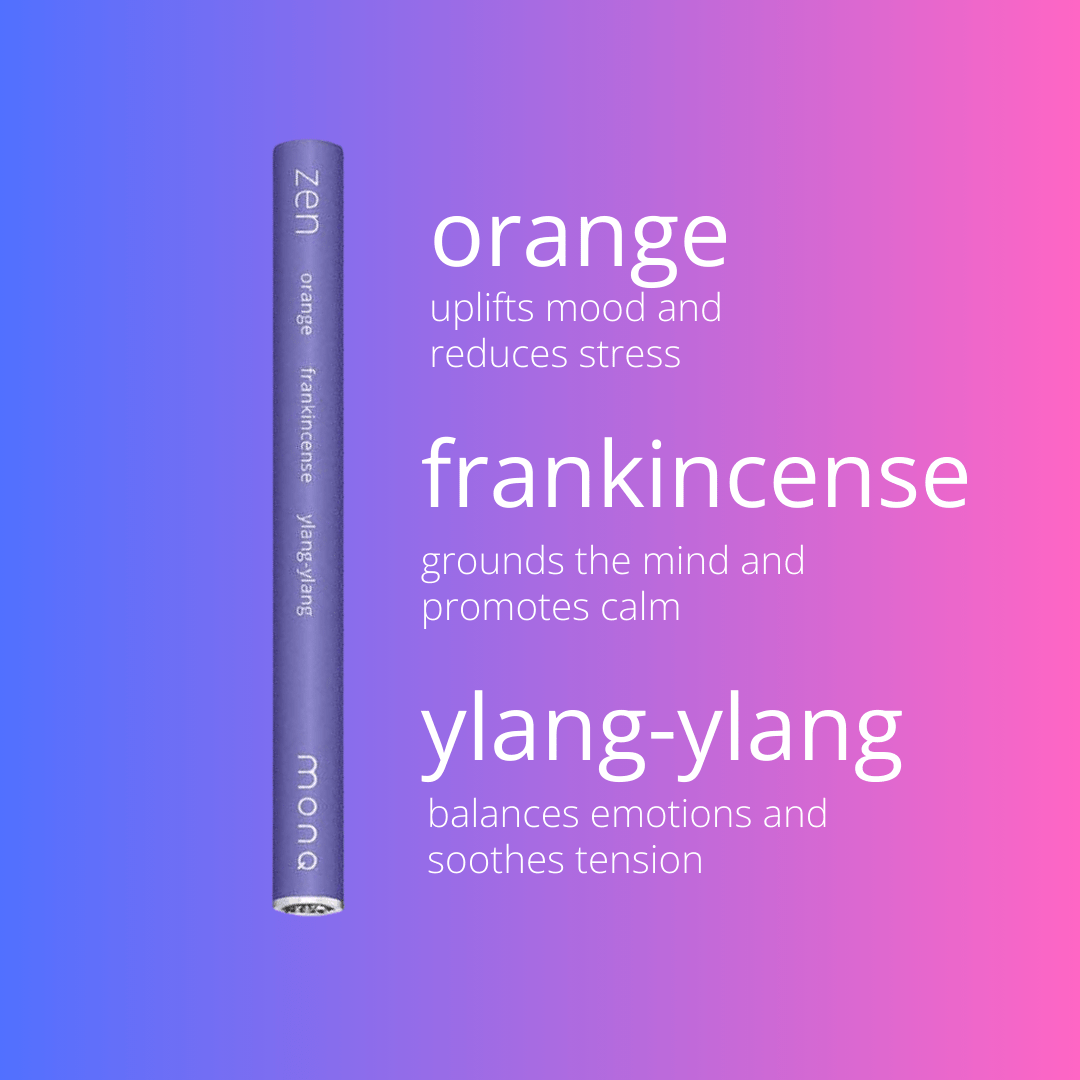
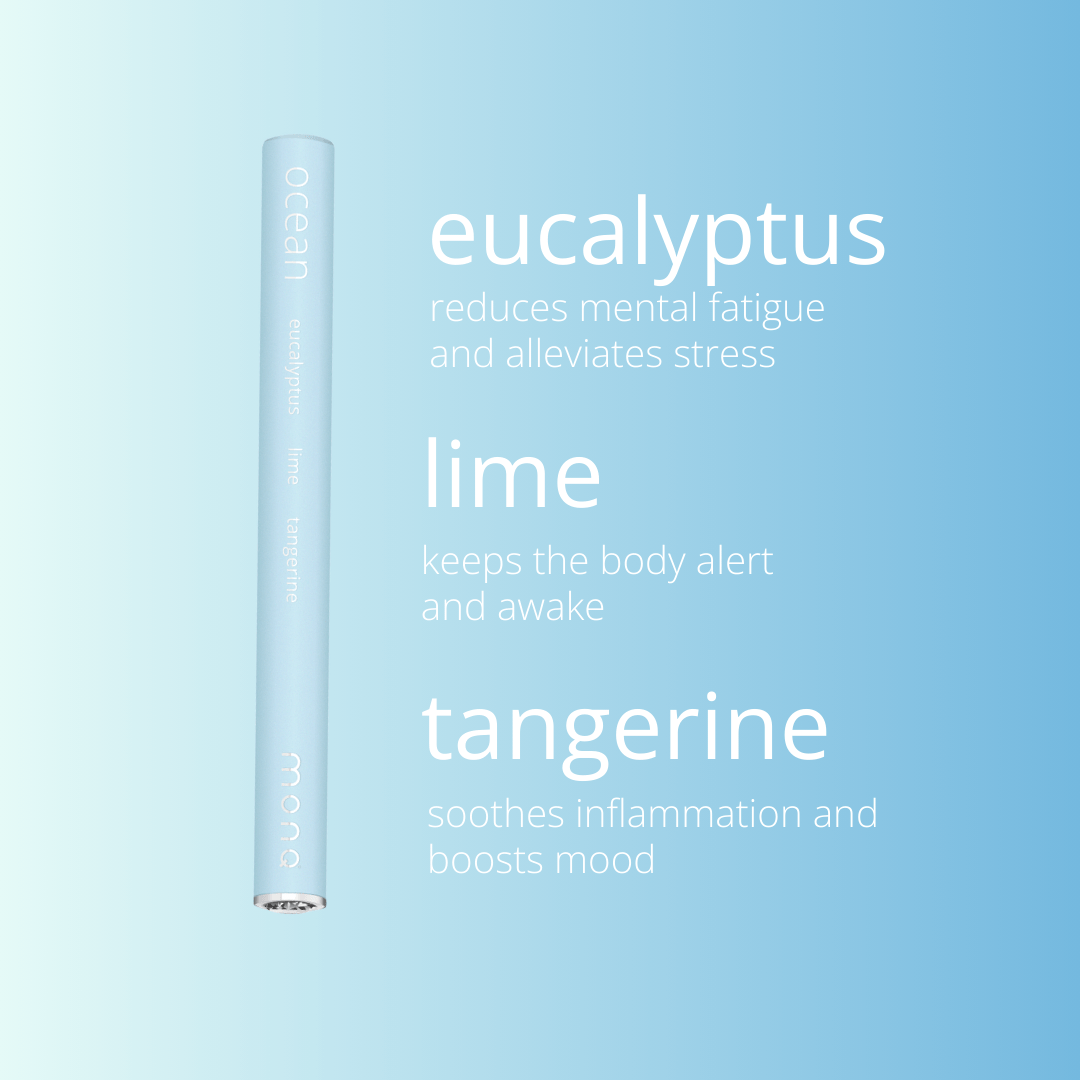
Disclaimer: The above information is provided for general wellness and educational purposes only. Please note that while individual essential oil ingredients may have been shown to exhibit certain independent effects when used alone, the specific blends of ingredients contained in MONQ diffusers have not been tested. No specific claims are being made that use of any MONQ diffusers will lead to any of the effects discussed above. Additionally, please note that MONQ diffusers have not been reviewed or approved by the U.S. Food and Drug Administration. MONQ diffusers are not intended to be used in the diagnosis, cure, mitigation, prevention, or treatment of any disease or medical condition. If you have a health condition or concern, please consult a physician or your alternative health care provider prior to using MONQ diffusers. MONQ blends should not be inhaled into the lungs. Why? It works better that way. No Nicotine Ever. Inhale through the mouth, exhale through the nose. MONQ Diffusers are not intended for individuals under 18, or women who are pregnant or nursing.










Leave a comment