

Olive Oil is Known as Liquid Gold and Here is Why
Olive oil is known as liquid gold, and for a good reason. This oil is a vegetable oil, but unlike most other vegetable oils it is extracted from the fruit rather than from the seed. Olive oil is a common staple of the Mediterranean diet, which is now thought to be one of the healthiest cultural diets. It has far more use than just for cooking, though - it can also be used as a carrier oil for essential oils. Healthline's review of 11 proven benefits of olive oil provides a thorough overview of both its nutritional and topical applications.

Olive oil - prized as "liquid gold" across Mediterranean cultures for thousands of years
History of Olive Carrier Oil
Olive oil has been in use for thousands of years. The ancient Greeks, Phoenicians, and Romans grew olive trees and would extract the juices from the fruit. As the Olive Oils from Spain historical archive documents, olive cultivation and oil production have been central to Mediterranean life since at least 3000 BC.
Of those cultures, the Greeks placed the most importance on olive oil, and on the olive tree in general. Crowns of olive branches would be presented to athletes in the Olympic Games, and athletes would rub olive oil onto their bodies in preparation for massage - something that still happens today. The NIH Office of Dietary Supplements identifies olive oil as one of the richest dietary sources of vitamin E, the antioxidant compound that also makes it valuable as a carrier oil for topical aromatherapy applications.
Chemical Properties of Olive Oil
There are two main components of olive oils that are of interest to people who wish to use the oil in aromatherapy: fatty acids and phenols. Fatty acids are of interest because of the nutritional implications and because of the way that the acids can affect the oxidative stability of the oils.
The main fatty acid in olive oil is oleic acid, which can make up between 59.3% and 77.3% of the oil depending on the variety of olive in question. The next most common acid is palmitic acid, which makes up between 4.33% and 8.99%, followed by linoleic acid (although some olive oils contain up to 17% linoleic acid), stearic acid, linolenic acid, and palmitoleic acid.
Olive oil also contains sterols, which are thought to be beneficial in terms of helping to reduce the amount of cholesterol absorbed by the body, and hydrocarbons such as beta-carotene, which can act as an antioxidant. They also contain vitamin E, which is a tocopherol with antioxidant properties. A comprehensive review of Vitamin E in dermatology published in the Indian Dermatology Online Journal highlights the photoprotective and moisturizing properties that make vitamin E-rich oils particularly valuable in skincare applications.
Uses for Olive Carrier Oil
Pre-Shampoo Hair Treatment
Gently warm olive oil, then massage it into the ends of the hair and into your scalp. Leave it for 10 to 20 minutes, and then rinse it out with a mild shampoo. The fatty acids in the olive oil will nourish your hair and moisturize your scalp, leaving you with healthy-looking hair.
A Lip Scrub

A simple lip scrub - olive oil, sugar, and a dash of lemon juice
Combine olive oil with some coarse sugar and a dash of lemon juice to make an all-natural, exfoliating and moisturizing lip scrub. This is particularly good for the winter months. If your lips are dry and flaky because of the weather, then this scrub will help to nourish and protect them.
Makeup Remover
If you find alcohol-based facial cleansers too drying for your skin, try a dab of olive oil on your cotton pads. Since "oil attracts oil," cleansing your skin with olive oil can help to remove some of the excess sebum, and any dirt with it, leaving you with fresh and healthy skin.
Nail and Cuticle Conditioner

Olive oil as a nail bath and cuticle softener
If you struggle with weak, dry nails and hard cuticles, try using olive oil as part of a nail bath and cuticle softener. This can be particularly helpful for people who do a lot of work with their hands, or those who work in kitchens and spend a lot of time with wet hands.
Skin Moisturizer and Support
Olive oil is an intense moisturizer, making it a good choice for supporting skin comfort in conditions like eczema and contact dermatitis. A study on the emollient effects of olive oil published in Dermatitis confirmed its benefits as a gentle moisturizer for sensitive skin. In addition, because it is a non-irritating moisturizer, it can be useful as a base for blending with other botanical oils. A study on the antimicrobial activity of olive oil published in the Annals of Clinical Microbiology and Antimicrobials documented its natural antimicrobial properties.
Sunburn Soother
Sunburn is incredibly painful. Olive oil can be combined with aloe vera juice to create a soothing topical blend. A small amount of lavender essential oil (properly diluted in the olive oil carrier) adds aromatic calm to the experience. The aromatherapy for stress guide explores how calming scents support the body's natural comfort response.
Foot Oil

Olive oil foot massage - moisturizing and deeply relaxing
Apply warm olive oil to your feet, put on a pair of old socks, and leave it overnight. Wake up to much softer feet. Adding a few drops of peppermint essential oil can create a cooling, refreshing sensation. Explore the MONQ essential oil ingredient library to find botanical pairings that complement olive oil as a carrier.
Exfoliating Scrub
Combine olive oil with sea salt or brown sugar to create a full-body exfoliating scrub. This removes dead skin cells while the olive oil moisturizes the fresh skin underneath. Add essential oils to customize the experience - lemon for energy, lavender for calm, or rosemary for invigoration.
What Essential Oils Pair Well With Olive Oil
Olive oil is a versatile carrier that pairs well with most essential oils. Some particularly effective combinations include:
- Lavender - the calming properties of lavender essential oil complement olive oil's moisturizing qualities for a relaxing massage blend. Sleepy MONQ captures this same calming botanical profile in portable form.
- Ylang-ylang - this floral oil adds a luxurious, mood-lifting dimension to olive oil massage blends.
- Rosemary - the stimulating terpenes in rosemary pair with olive oil for an invigorating post-exercise rub. Relieve MONQ offers a similar aromatic profile for on-the-go comfort.
- Tea tree - known for its purifying properties, tea tree in olive oil creates an effective natural skincare blend.
The Medical News Today guide to terpenes explains how the aromatic compounds in these essential oils interact with olive oil's fatty acid profile to create effective topical blends. Learn more about essential oils as nature's wellness tools.
All-Purpose Wellness Salves
Olive oil makes an excellent base for homemade salves. Combine melted beeswax with olive oil (a ratio of about 1:4 works well), add your chosen essential oils, and pour into a small tin or jar. As it cools, it will solidify into a smooth, portable salve. Popular combinations include lavender and chamomile for calm, or eucalyptus and peppermint for respiratory comfort. The aromatherapy for mood guide can help you choose the right botanical profile for your intended use.

Homemade scrub with olive oil and natural ingredients
Safety and Precautions
Skin Sensitivity Checks
While olive oil is generally well-tolerated, it is always wise to do a patch test before applying any new oil to a large area of skin. Apply a small amount to the inside of your wrist and wait 24 hours. If no irritation develops, the oil is likely safe for broader use. A clinical study on olive oil and contact sensitivity published in Contact Dermatitis found that while rare, some individuals can develop sensitivity to olive oil - making patch testing a worthwhile precaution.
Proper Dilutions
When using olive oil as a carrier for essential oils, proper dilution is important. A general guideline is 2-3 drops of essential oil per teaspoon of carrier oil for adults. For children or those with sensitive skin, use 1 drop per teaspoon. Never apply undiluted essential oils directly to skin.
Phototoxicity Awareness
Some essential oils, particularly citrus oils like lemon and bergamot, can cause phototoxicity when applied to skin that is then exposed to sunlight. A study on phototoxicity of essential oils intended for cosmetic use published in Food and Chemical Toxicology details which oils carry this risk. If using citrus oils in an olive oil blend, avoid direct sun exposure on the treated area for at least 12 hours.
Massage Safety
When using olive oil for massage, especially on others, be aware of nut and plant allergies. While olive oil is not a nut oil, cross-contamination can occur with blended products. Always ask about allergies before performing a massage with any botanical oil.
Olive Oil and Aromatherapy: A Natural Partnership
The tradition of combining olive oil with aromatic botanicals stretches back to ancient Egypt and Greece, where perfumed olive oil was used in temples, baths, and wellness rituals. Today, that same principle drives modern aromatherapy: using carrier oils to deliver concentrated essential oil compounds safely and effectively to the skin and olfactory system.
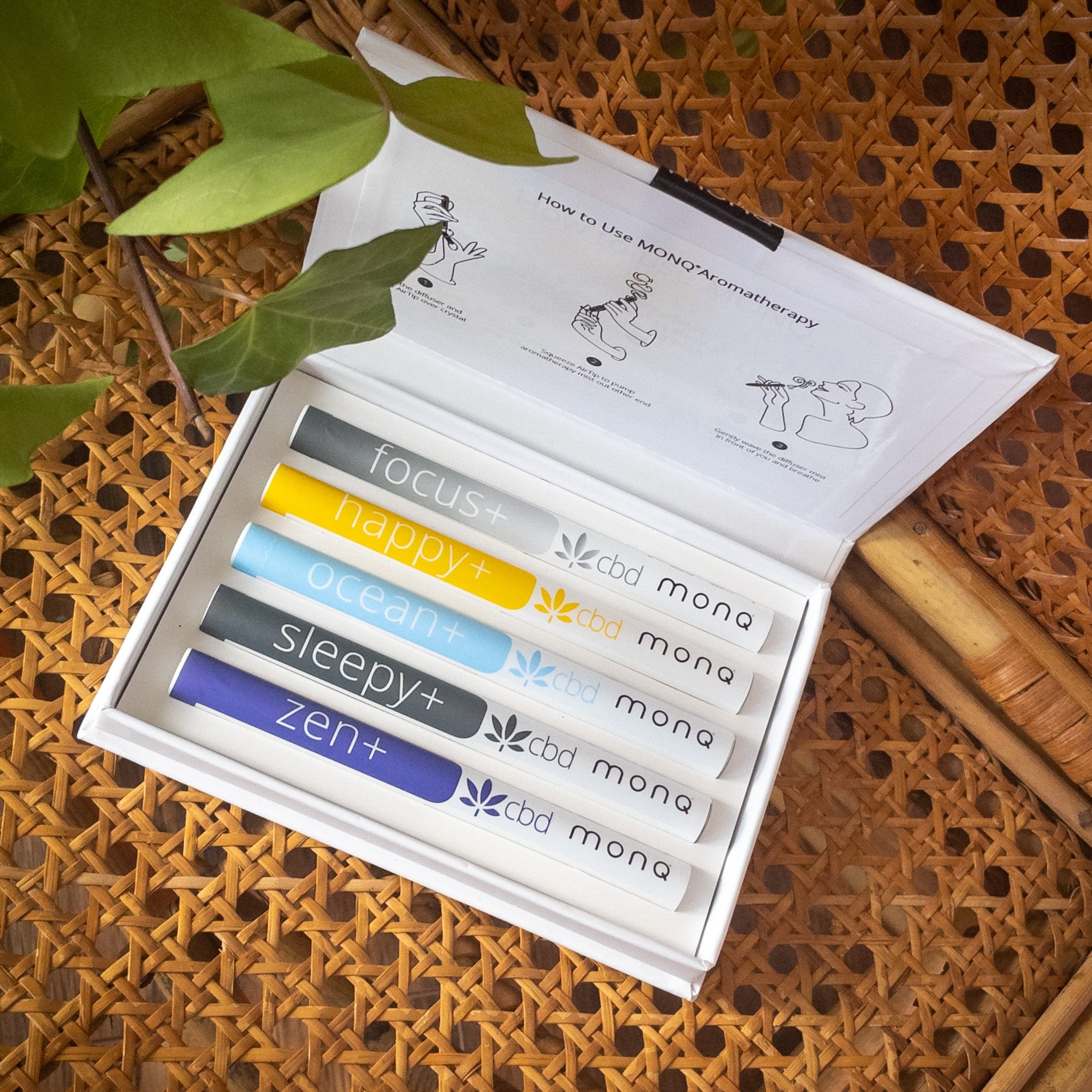
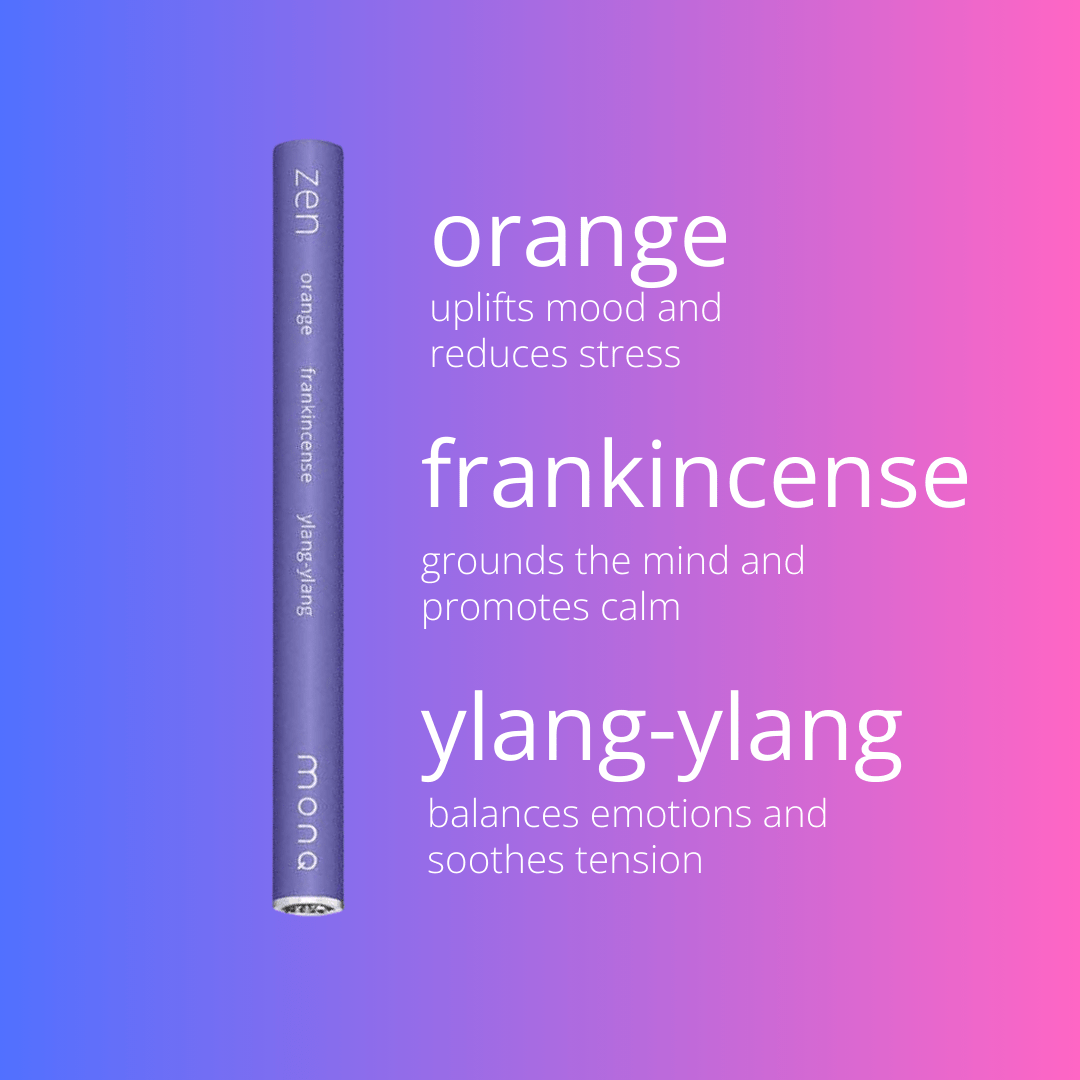
While topical application is one pathway, aromatic inhalation offers a complementary approach. Zen MONQ delivers frankincense, orange, and ylang ylang terpenes through a gentle breathing method - no carrier oil needed, no skin application required. Explore the full range of MONQ signature blends or browse the complete MONQ diffuser collection to find the blend that complements your wellness practice. The aromatherapy for sleep guide explains how calming botanicals support restful evenings.
Photo credits: MONQ, Shutterstock, Pixabay
Disclaimer: The above information is provided for general wellness and educational purposes only. Please note that while individual essential oil ingredients may have been shown to exhibit certain independent effects when used alone, the specific blends of ingredients contained in MONQ diffusers have not been tested. No specific claims are being made that use of any MONQ diffusers will lead to any of the effects discussed above. Additionally, please note that MONQ diffusers have not been reviewed or approved by the U.S. Food and Drug Administration. MONQ diffusers are not intended to be used in the diagnosis, cure, mitigation, prevention, or treatment of any disease or medical condition. If you have a health condition or concern, please consult a physician or your alternative health care provider prior to using MONQ diffusers. MONQ blends should not be inhaled into the lungs. Why? It works better that way. No Nicotine Ever. Inhale through the mouth, exhale through the nose. MONQ Diffusers are not intended for individuals under 18, or women who are pregnant or nursing.










Leave a comment