

Frankincense Oil: The Ancient Oil for Modern Healing
Few botanical ingredients carry as much history as frankincense. Traded along ancient spice routes, burned in temples across civilizations, and referenced in some of humanity's oldest written records, frankincense has been valued for thousands of years as both a sacred substance and a wellness tool. Today, frankincense essential oil remains one of the most respected and widely used aromatherapy ingredients - and with good reason.
Understanding frankincense means understanding where it comes from, why it has endured, and how its remarkable aromatic properties can be woven into a modern wellness practice.
The Origins of Frankincense: A Resin With Deep Roots
Frankincense comes from trees in the Boswellia genus, primarily Boswellia sacra, Boswellia carterii, and Boswellia serrata. These slow-growing trees thrive in the harsh, arid environments of the Arabian Peninsula, northeastern Africa (particularly Somalia and Ethiopia), and parts of South Asia. They are remarkably resilient plants, capable of growing in rocky soil with very little water.
The resin is harvested through a process called tapping or wounding. Harvesters make shallow cuts in the tree's bark, and the tree responds by secreting a milky white sap. Over several days, this sap hardens into teardrop-shaped globules of resin called frankincense tears. These tears are then collected, dried, and either burned directly as incense or processed into essential oil through steam distillation.
The resulting essential oil is complex and layered. Its scent profile includes notes that are woody, balsamic, slightly spicy, and deeply earthy, with a subtle sweetness and a clean, almost medicinal quality underneath. Many people describe frankincense's scent as grounding and centering - something that seems to quiet the noise of the external world.
Frankincense Through History
The history of frankincense is essentially the history of human civilization's relationship with botanical wellness and ritual. Ancient Egyptians burned frankincense resin in religious ceremonies and used the resulting kohl (ground charcoal from burned resin) as cosmetic eye liner. The trade of frankincense was so economically significant that it helped shape the political geography of ancient Arabia and the Horn of Africa.
In ancient Rome and Greece, frankincense was burned at altars and used in burial rites. Chinese medicine incorporated forms of boswellia resin for their traditionally recognized properties. Ayurvedic traditions in India have used Boswellia serrata for centuries in preparations intended to support joint wellness and overall balance.
The Three Wise Men of biblical narrative famously brought frankincense as one of their gifts - a choice that communicates just how highly this substance was valued in the ancient world. At certain historical moments, frankincense was worth more by weight than gold.
This long legacy of use across such diverse cultures is part of what makes frankincense so compelling from an aromatherapy perspective. When a botanical ingredient has been sought out and treasured by so many independent civilizations over such a long span of time, that accumulated human experience deserves attention.
The Aromatic Profile: What Makes Frankincense Special
Frankincense essential oil's complex chemistry is responsible for its multifaceted scent. The primary aromatic compounds include alpha-pinene, limonene, myrcene, and several sesquiterpene compounds including incensole acetate, which is thought to contribute to frankincense's distinctive character.
The scent itself is difficult to describe to someone who hasn't encountered it - it is warm without being sweet, earthy without being heavy, and has a quality of stillness that is hard to find in other botanicals. It sits in the base-to-middle register of aromatic compositions, making it an excellent anchor for more volatile top notes.
In blending terms, frankincense pairs beautifully with citrus notes (where it adds depth and longevity to lighter top notes), with other resins and woods (where it creates complex, layered compositions), and with floral or herbal notes (where it provides grounding without overwhelming).
Frankincense in Aromatherapy: Traditional Uses and Modern Applications
Across traditional aromatherapy practice, frankincense is most consistently associated with three areas: mental grounding and calm, support for reflective or meditative states, and respiratory wellness through its clean, opening aromatic quality.
Grounding is perhaps frankincense's most recognized attribute in modern aromatherapy. Its deep, resonant scent profile has a tendency to bring the attention back into the present moment - making it a popular choice for meditation rooms, yoga studios, and any environment where mindfulness practice is happening. The same quality that made it prized for temple rituals thousands of years ago makes it valued in contemporary wellness spaces today.
Frankincense is also associated with transitions and quiet reflection. Many practitioners use it during times of stress or change, finding that its ancient, stable scent profile provides a sense of continuity and calm.
The respiratory-wellness dimension of frankincense comes from its slightly camphoraceous undertones and its clean aromatic quality. Like other resinous botanicals, it has traditionally been used in preparations intended to support open, comfortable breathing - a use that is well-represented in historical botanical records across multiple cultures.
Frankincense in MONQ Blends
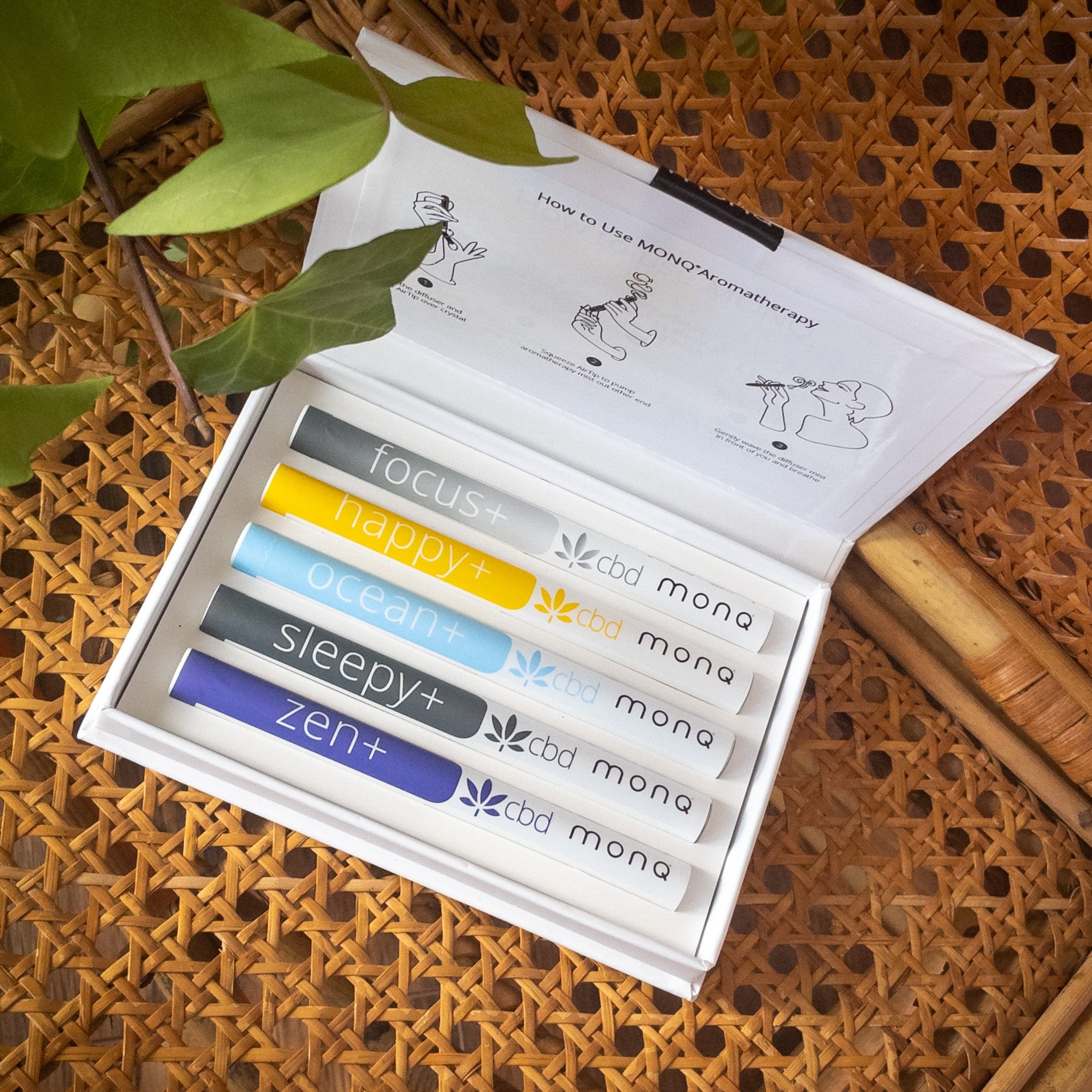
MONQ incorporates frankincense in blends where its grounding, contemplative properties can do their best work.
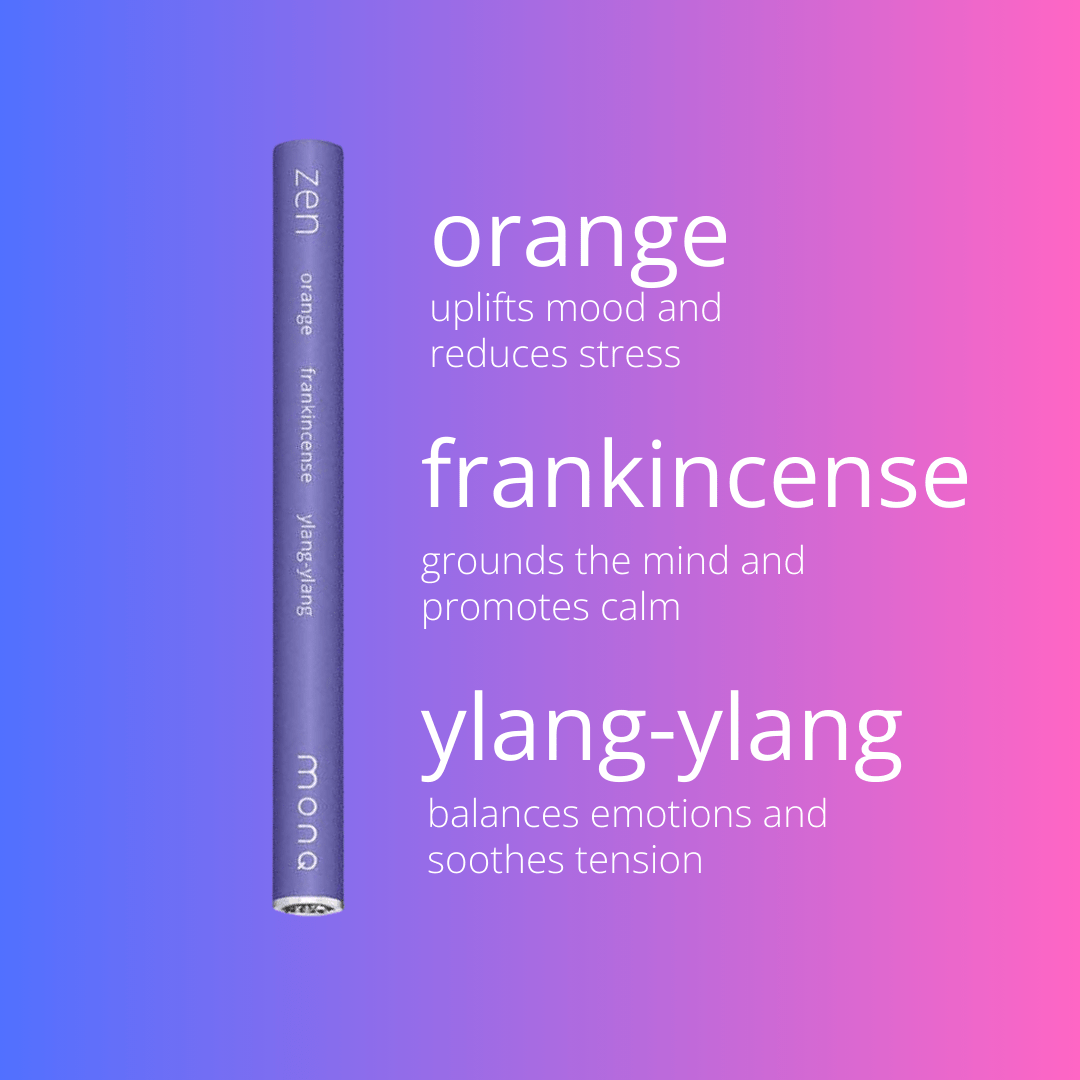
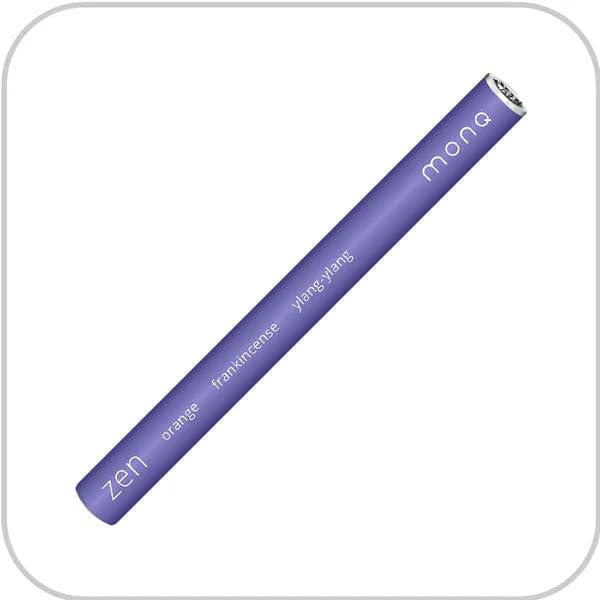
A blend created for meditation for beginners uses frankincense as a key component in creating its deeply calming, meditative aromatic experience. Combined with sweet orange and ylang-ylang, the frankincense in Zen provides that quiet, centering foundation that makes the blend feel genuinely settling.
The Forest MONQ blend also benefits from frankincense's resinous, woody depth, where it sits alongside Siberian fir and pinyon pine to create an immersive forest-floor experience. The same grounding quality that made frankincense valued for ancient ritual translates beautifully into a woodland aromatherapy composition.
Sourcing and Sustainability
One important consideration with frankincense today is sustainability. Boswellia trees are facing increasing pressure from over-tapping, land conversion, and climate change. Responsible sourcing has become an important topic in the essential oil industry, and consumers increasingly want to know that the botanical products they use come from ethical, sustainable supply chains.
At MONQ, we take ingredient quality and responsible sourcing seriously. The frankincense we use in our blends is selected for both aromatic quality and responsible origin.
Adding Frankincense to Your Wellness Routine
For anyone building a thoughtful aromatherapy practice, frankincense is an essential ingredient to understand and explore. Its long history, complex aromatic profile, and traditional associations with grounding and calm make it one of the most versatile and meaningful botanicals available.
Whether you are new to aromatherapy or a longtime enthusiast, experiencing frankincense in a well-crafted blend context - designed to calm the mind - offers a direct sensory connection to one of humanity's oldest botanical traditions. The scent is immediate and recognizable, and its effect on the quality of a quiet moment is something worth experiencing firsthand.
Explore the full MONQ collection to discover which blends incorporate frankincense and other foundational aromatherapy botanicals.
Disclaimer: The above information is provided for general wellness and educational purposes only. Please note that while individual essential oil ingredients may have been shown to exhibit certain independent effects when used alone, the specific blends of ingredients contained in MONQ diffusers have not been tested. No specific claims are being made that use of any MONQ diffusers will lead to any of the effects discussed above. Additionally, please note that MONQ diffusers have not been reviewed or approved by the U.S. Food and Drug Administration. MONQ diffusers are not intended to be used in the diagnosis, cure, mitigation, prevention, or treatment of any disease or medical condition. If you have a health condition or concern, please consult a physician or your alternative health care provider prior to using MONQ diffusers. MONQ blends should not be inhaled into the lungs. Why? It works better that way. No Nicotine Ever. Inhale through the mouth, exhale through the nose. MONQ Diffusers are not intended for individuals under 18, or women who are pregnant or nursing.










Leave a comment