

Allspice Essential Oil - A Caribbean Treasure
🎁 Welcome to MONQ! Buy One Get One 50% Off Sitewide
(Automatically applied at checkout)
Allspice is one of the most underappreciated botanicals in the essential oil world. Despite its name, allspice is not a blend of multiple spices - it is a single plant, Pimenta dioica, native to the Caribbean and Central America. The name comes from the fact that its aroma combines notes of cinnamon, clove, and nutmeg in one remarkable berry. Healthline's guide to allspice provides a thorough overview of its nutritional profile and documented benefits.

Allspice berries - a single spice that combines the aromas of cinnamon, clove, and nutmeg
History of Allspice
Allspice has deep roots in Caribbean and Central American culture. The Mayans used allspice to embalm their leaders and as a flavoring for chocolate drinks. When Christopher Columbus encountered allspice on his voyages, he believed he had found pepper - which is why allspice is sometimes called "Jamaica pepper" or "pimento" (from the Spanish pimienta, meaning pepper).
The spice quickly became popular in European cuisine after Columbus brought it back to Spain, and Jamaica became the world's primary producer - a position it holds to this day. Allspice trees thrive in tropical climates and can grow up to 40 feet tall, producing small white flowers followed by the green berries that are harvested and dried to produce the familiar brown allspice berries. Learn more about allspice and its botanical profile on the MONQ allspice ingredient page.
Chemical Compounds
The essential oil of allspice is rich in a diverse range of aromatic compounds, which is what gives it that remarkable multi-spice character. The primary active compound is eugenol, which can make up 60-80% of the oil. Eugenol is the same compound that gives clove its distinctive warm, spicy aroma - explaining why allspice and clove smell so similar.

Warm spices - allspice shares aromatic compounds with cinnamon, clove, and nutmeg
Beyond eugenol, allspice essential oil contains:
- Beta-caryophyllene - a sesquiterpene also found in black pepper and copaiba, studied for its interaction with the body's endocannabinoid system
- 1,8-cineole (eucalyptol) - the same compound found in eucalyptus and rosemary, associated with respiratory comfort and mental clarity. A study on 1,8-cineole's role in skin protection documented its role as an antioxidant compound.
- Methyleugenol - contributing to the sweet, warm undertone
- Quercetin - a powerful flavonoid antioxidant. A review published in Inflammation Research examined quercetin's role in modulating inflammatory cell function.
The Medical News Today guide to terpenes explains how these aromatic molecules interact with the body's systems. The NIH's National Center for Complementary and Integrative Health recognizes aromatherapy as a complementary practice with a growing evidence base.
Wellness Properties of Allspice Essential Oil
Digestive Comfort
Allspice has been used traditionally throughout the Caribbean for supporting digestive comfort. The eugenol content is thought to support healthy digestive function, and allspice tea remains a common folk preparation in Jamaica and other Caribbean nations. This traditional use aligns with the broader pattern of warm, spicy essential oils supporting digestive wellness. Related warm spices like cinnamon and ginger share similar traditional applications.
Muscle and Joint Comfort
The warming quality of allspice essential oil (when properly diluted in a carrier oil) makes it a traditional choice for topical application to sore muscles and stiff joints. The eugenol and beta-caryophyllene in allspice both have documented interactions with the body's comfort-signaling pathways. For aromatic support, Relieve MONQ captures a similar warming, comforting botanical profile.
Mood and Emotional Support
The warm, complex aroma of allspice is widely regarded as comforting and mood-lifting. Its combination of sweet, spicy, and woody notes creates an aromatic profile that many people find grounding and emotionally stabilizing. The aromatherapy for mood guide explains how warm aromatic compounds like eugenol support positive emotional states.
Antioxidant Properties
Allspice is remarkably rich in antioxidant compounds. A study on polyphenol-rich extracts of Pimenta dioica berries published in Nutrition and Cancer documented significant antioxidant activity from allspice compounds. The quercetin and eugenol content contribute to allspice's position as one of the most antioxidant-dense spices available.
Cardiovascular Wellness
Traditional Caribbean medicine has long used allspice preparations for cardiovascular support. A study on aqueous extracts of Pimenta dioica published in Methods and Findings in Experimental and Clinical Pharmacology documented the plant's traditional cardiovascular-supportive properties in a controlled laboratory setting.

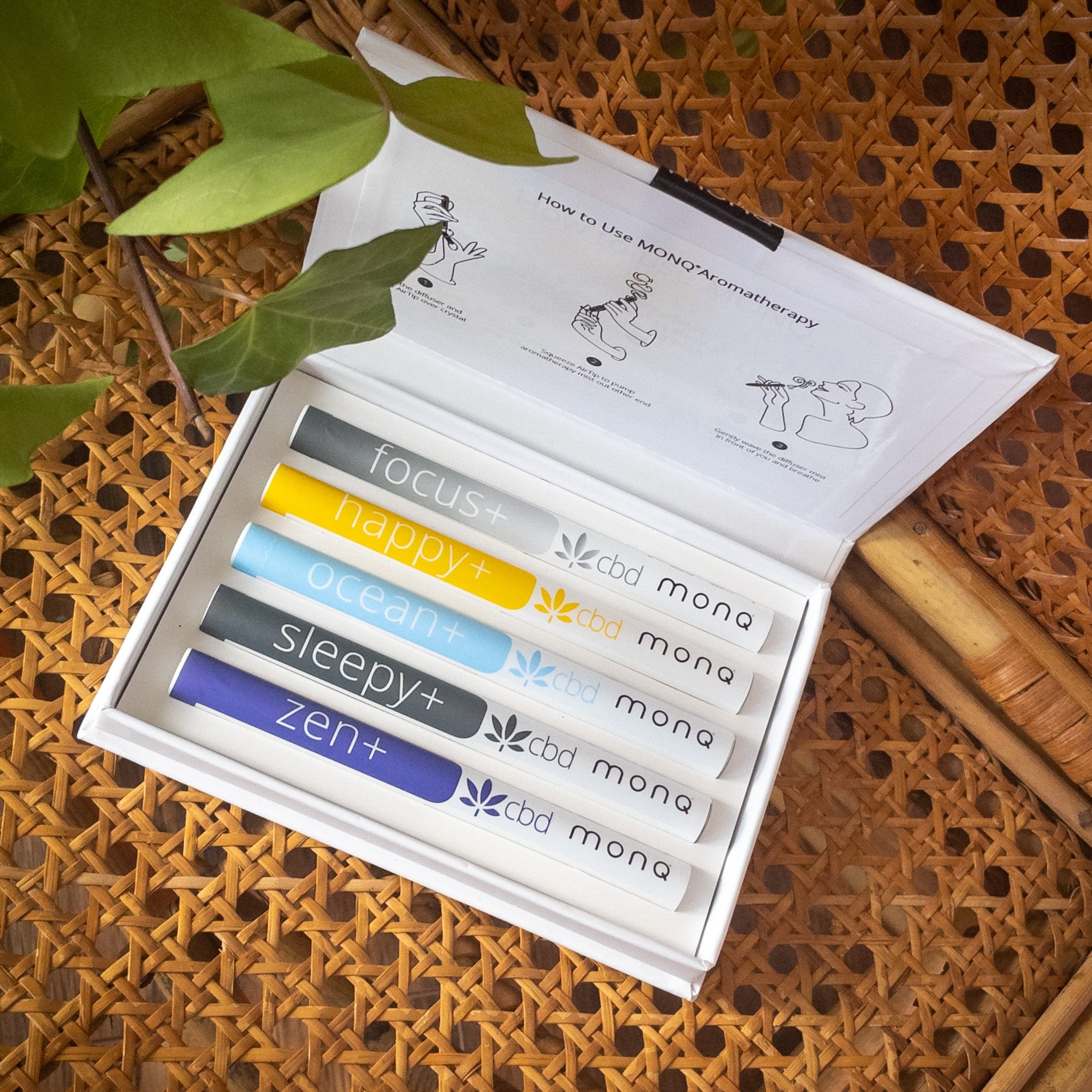
Happy MONQ - warm, uplifting aromatherapy with botanical compounds related to allspice
How to Use Allspice Essential Oil
Aromatic Use
Diffuse allspice essential oil in a room diffuser for a warm, comforting atmosphere - particularly effective during autumn and winter months. It blends well with orange, cinnamon, clove, and vanilla for a rich, inviting aromatic experience. Happy MONQ captures a similar warm, uplifting aromatic profile in a portable format.
Topical Use
Always dilute allspice essential oil in a carrier oil before applying to skin. A ratio of 1-2 drops per teaspoon of carrier oil is appropriate for most adults. Olive oil, coconut oil, or jojoba oil all work well as carriers. Apply to sore muscles or stiff joints for warming comfort. Explore the MONQ essential oil ingredient library for more on carrier oils and blending.
In the Kitchen
While essential oil grade allspice should not be ingested, the whole berries and ground spice remain a staple in Caribbean cooking, baking, and pickling. The same aromatic compounds that make allspice essential oil valuable for aromatherapy are what make the spice so distinctive in jerk seasoning, pumpkin pie, and mulled cider.
Precautions
Allspice essential oil is potent due to its high eugenol content. Always dilute before topical use and perform a patch test first. Avoid use during pregnancy. Keep out of reach of children. Do not ingest essential oil grade allspice. The WebMD overview of allspice provides additional safety information and dosage considerations.
If you have sensitive skin, start with a lower dilution ratio. Allspice can cause skin irritation in some individuals, particularly those with sensitivities to eugenol. The aromatherapy for stress guide offers alternative approaches for those who prefer inhalation-based aromatherapy over topical application.

Whole spices - allspice pairs beautifully with cinnamon, clove, and ginger in aromatic blends
Allspice and Aromatherapy
Allspice's remarkable terpene complexity - combining the warmth of eugenol, the depth of beta-caryophyllene, and the clarity of 1,8-cineole in a single botanical - makes it one of the most versatile essential oils available. Its Caribbean origins connect it to a vibrant tradition of plant-based wellness that predates European contact by centuries.
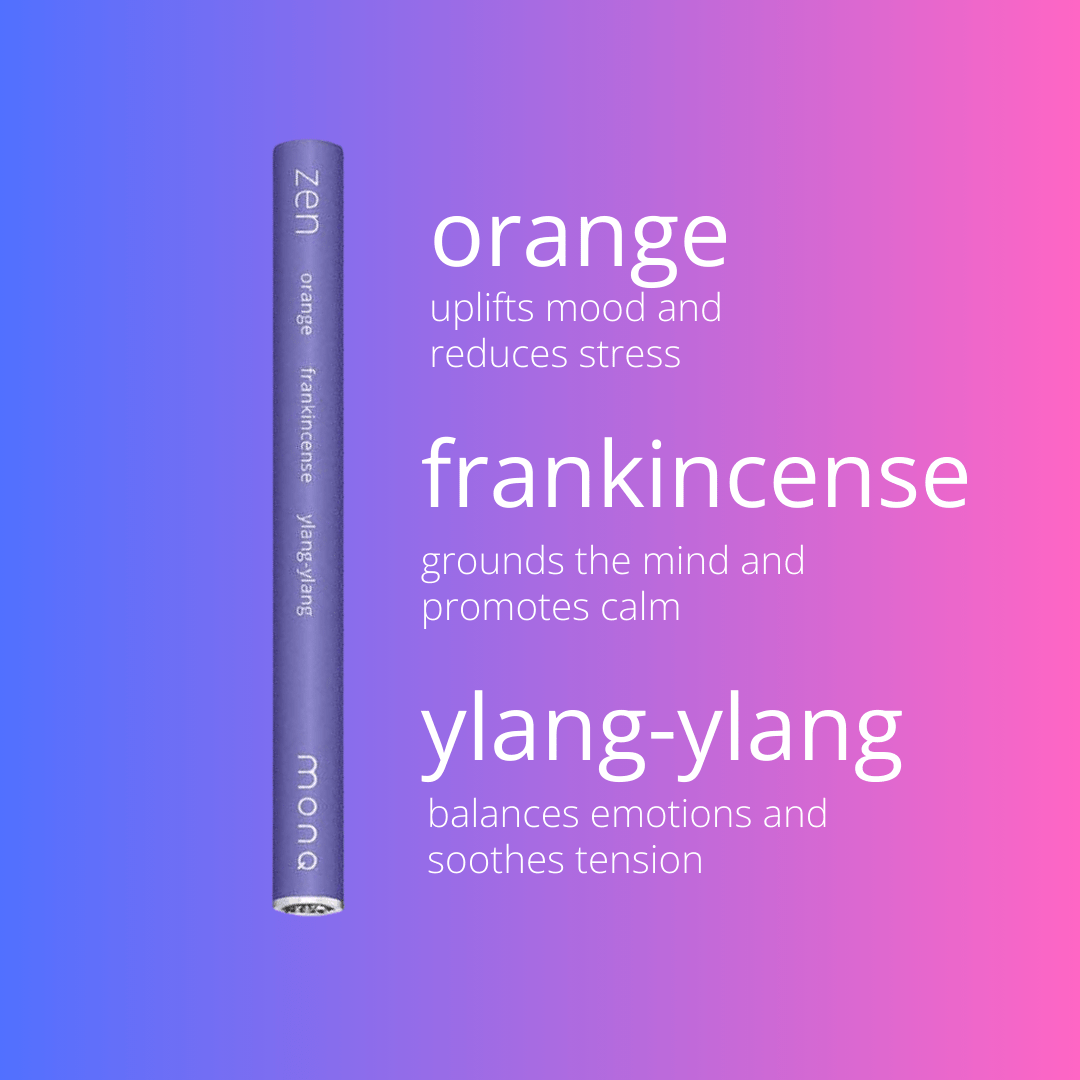
For a portable aromatherapy experience with similarly warm, uplifting botanical compounds, explore Zen MONQ or Happy MONQ. Browse the full range of MONQ signature blends or the complete MONQ diffuser collection to find the blend that fits your practice.
Photo credits: Pixabay, MONQ
Disclaimer: The above information is provided for general wellness and educational purposes only. Please note that while individual essential oil ingredients may have been shown to exhibit certain independent effects when used alone, the specific blends of ingredients contained in MONQ diffusers have not been tested. No specific claims are being made that use of any MONQ diffusers will lead to any of the effects discussed above. Additionally, please note that MONQ diffusers have not been reviewed or approved by the U.S. Food and Drug Administration. MONQ diffusers are not intended to be used in the diagnosis, cure, mitigation, prevention, or treatment of any disease or medical condition. If you have a health condition or concern, please consult a physician or your alternative health care provider prior to using MONQ diffusers. MONQ blends should not be inhaled into the lungs. Why? It works better that way. No Nicotine Ever in MONQ Pens. Inhale through the mouth, exhale through the nose. MONQ Diffusers are not intended for individuals under 18, or women who are pregnant or nursing.












Leave a comment