

Using Meditation For Headache Relief
What can be more debilitating than a pounding head? Tension in the head and neck can easily send you straight into hibernation. But have you ever considered trying meditation to help ease that discomfort? While it might sound a bit unconventional, mindfulness and meditation are increasingly being recognized as effective tools for soothing tension.
While researchers are still exploring all the exact causes of head and neck tension, many agree that high levels of stress can make the situation significantly worse. Nonetheless, there’s a growing body of knowledge and evidence suggesting that behavioral interventions, such as mindfulness and meditation, can be highly effective at naturally supporting your comfort.
Mindfulness Meditation as a Means of Tension Relief
Mindfulness encompasses various practices that are meant to keep a person calmly aware of their bodily states, emotions, consciousness, thoughts, sensations, and their environment within the present moment. In other words, it is the act of focusing your attention on the present moment, ideally from a completely non-judgmental mindset.
The core purpose of mindfulness is taking an inventory of the current state of your body and mind, essentially shifting your focus onto feeling rather than thinking. In the context of soothing head tension, mindfulness meditation is often considered a powerful means of stress reduction, since stress and tension are so intricately linked.
Mindfulness has two key aspects: observing and stopping.
- Stopping means “being” rather than “doing.” It enables a gentle, quiet, and focused concentration from moment to moment, which is typically achieved by focusing purely on the breath. Stopping allows for observation through mindfulness, allowing whatever exists in the moment to be exactly as it is without trying to fix or manipulate it in any way.
- Observing entails expanding your field of awareness beyond your breathing to include body sensations, thoughts, and emotions—without becoming attached to them.
Controlled research has demonstrated how mindfulness can improve our overall response to physical discomfort and stress. Studies continue to suggest that mindfulness likely plays a key role in managing tension and maintaining a balanced, comfortable state.
The Effects of Meditation on the Mind

Researchers are currently trying to learn more about what exactly happens in the body while a person is meditating. Meditation may help calm the part of the nervous system that’s responsible for stress. Frequent tension in the head and neck can be aggravated or triggered by environmental stressors. Mind-body techniques like meditation can help relieve that discomfort by addressing the underlying tension.
Studies evaluating functional brain activity have demonstrated that naturally occurring neurotransmitters like melatonin, dopamine, cortisol, serotonin, and norepinephrine all tend to respond to meditation in a way that helps counteract the adverse effects of stress.
For example, melatonin, the sleep-wake hormone of the body, and dopamine, responsible for executive functions of the brain, are often found to increase with meditation. Norepinephrine and cortisol, which are the body’s "fight or flight" chemicals, have been shown to decrease with the regular practice of meditation. A 2023 study published in Mindfulness further highlights how meditation practice correlates directly with improved outcomes for managing episodic tension.
Evidence for Meditation as a Soothing Tool
Mindfulness and Stress Reduction
In a small study focused on stress reduction, meditation was suggested as a powerful way to relieve the intensity of tension. Researchers assigned participants to either a standard care routine or an 8-week program called mindfulness-based stress reduction (MBSR), which involves yoga and mindfulness meditation. The groups that participated in MBSR meditated for about 30 minutes daily.
The participants would meet weekly for a session and were asked to perform daily assignments on meditation and yoga. The MBSR class started with mindful eating, mindfulness of breathing, and a body scan—a sequential mindful attention to all body parts. The subsequent classes encouraged the integration of meditation and mindfulness into daily activities, such as washing the dishes or taking a shower.
A conspicuous theme of this course entailed teaching the participants how to use MBSR skills as a way of minimizing the negative effects of stress, along with developing proactive coping strategies during stressful situations. According to researchers, the participants who practiced meditation were able to cultivate a better sense of personal control over their tension.
Stress is a widely recognized trigger for discomfort, and mindfulness has been shown to be incredibly effective at combating it. According to Medical News Today, establishing a healthy, low-stress routine is one of the most effective ways to support long-term wellness.
How to Use Meditation for Tension Relief
Learning how you can consciously relax your body can help you release the physical effects of stress, thereby lessening the intensity of your discomfort. The next time tension seems to be coming on, take about 10 minutes of your time to practice this short meditation to soothe the area.
Find a Relaxed Posture
Get into a comfortable, seated position, or lie down if possible. If you’ve chosen to sit down, stretch upward through your head’s crown and let your shoulders slide away from your ears.
Take Deep Breaths

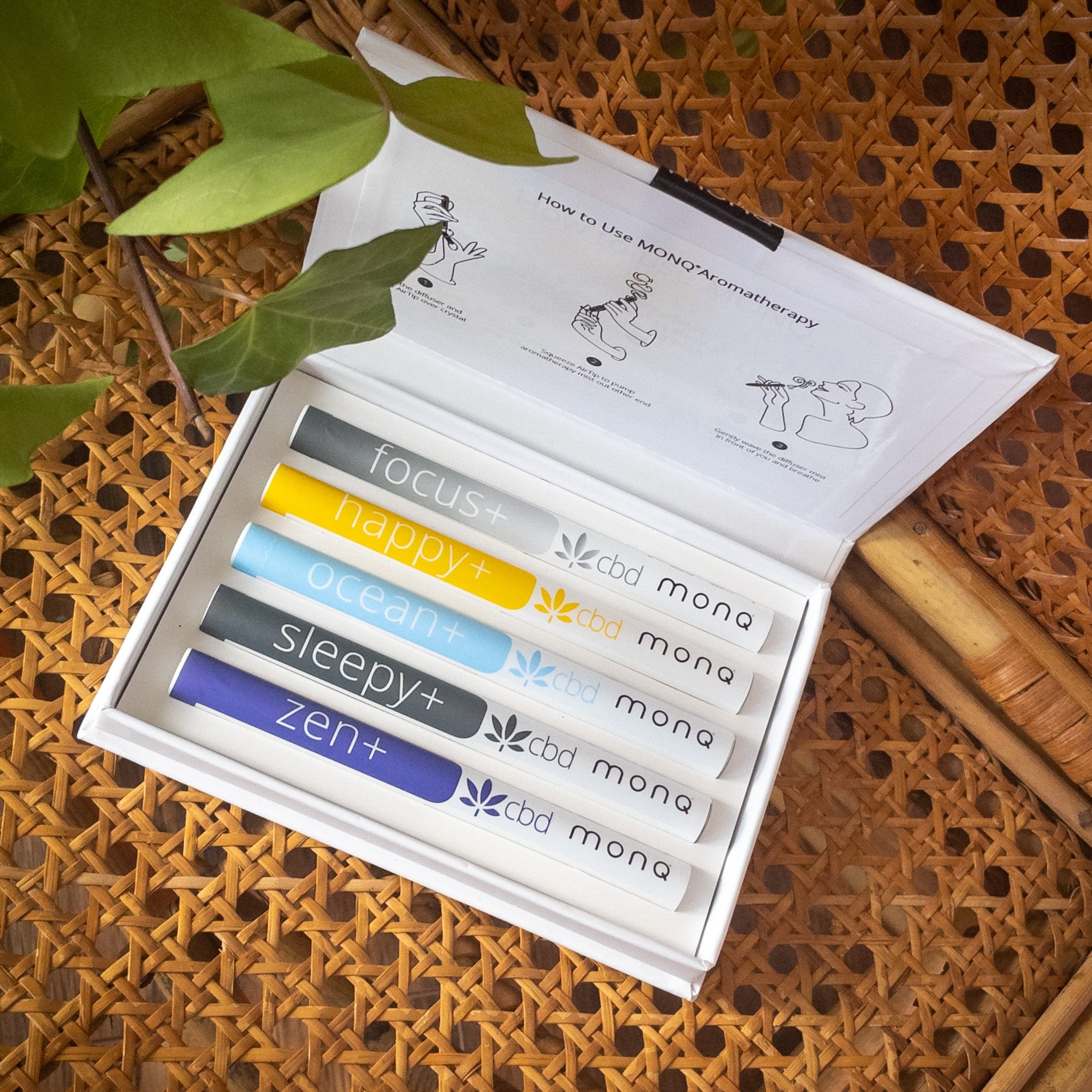
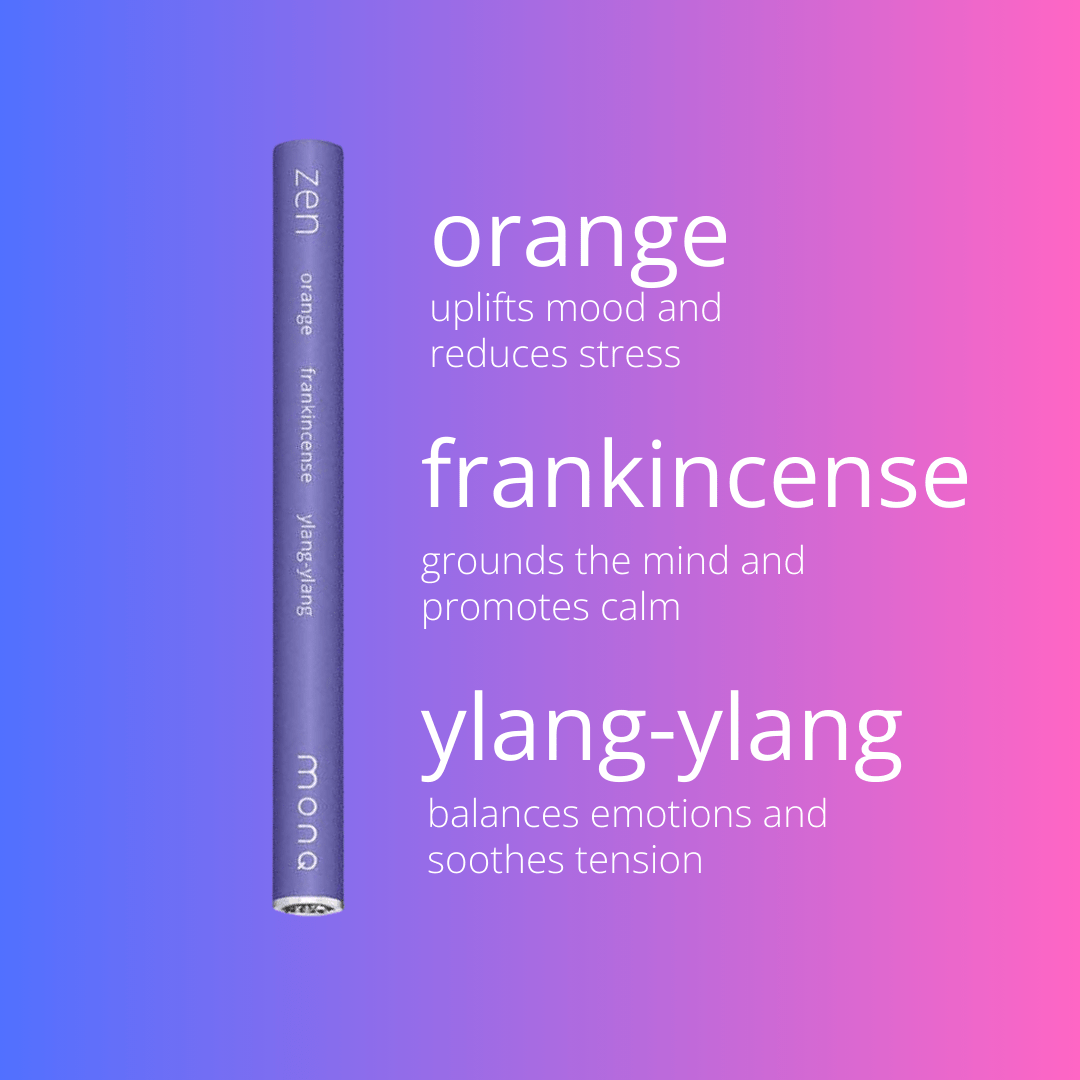
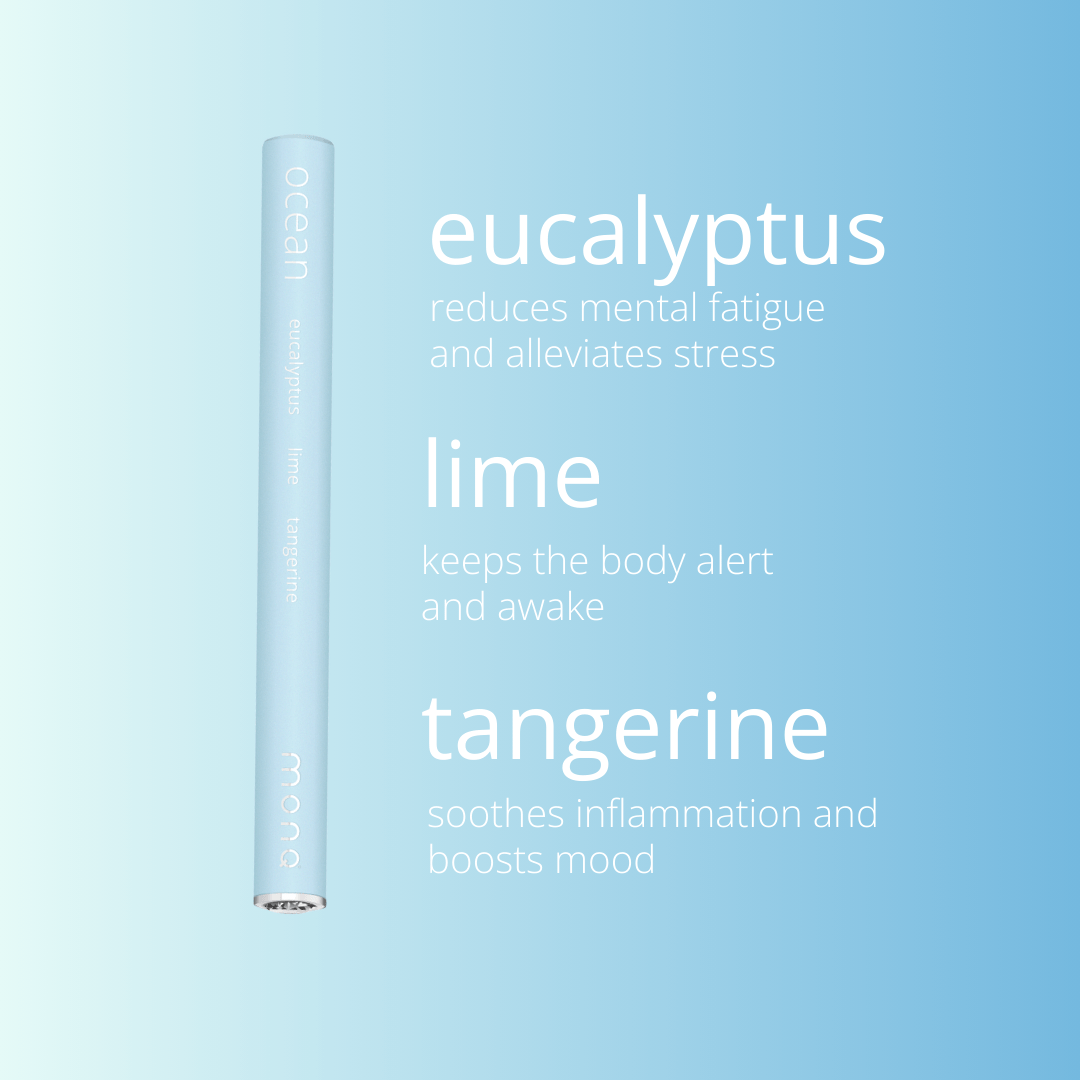
Now close your eyes and take 10 deep breaths. Concentrate on making each of your inhales and exhales as long as possible. Every time you breathe out, try to relax as deeply as you can. You may also find it helpful to incorporate aromatherapy into your breathing. Essential oil blends designed to ease tension, such as Relieve MONQ, can provide a comforting, grounding aroma during your practice.
Scan Your Skull for Tension Points
While holding your body still, shift your focus upward toward the crown of your head. Start seeking out the various points of tension mentally. Whenever you find a point that feels tight, start to imagine all that tension breaking up and fading away. Systematically release the tension as you scan your head and neck.
Scan the Rest of Your Body
Once you’ve finished scanning your head, move downwards toward your neck and shoulders. Imagine the tension crumbling and breaking up like a pile of sand as you shift your focus through your body. Continue this through your arms, hands, torso, and legs. After you’ve made it to your feet, reverse the process and begin scanning back upwards.
Focus on the Sound of Your Breath
When you finish relaxing your body mentally, focus on calming your mind. Do this by redirecting your attention to the sound of your exhales for about 2 to 3 minutes. Once your mind starts to wander, simply draw it back to your breath.
Basic Breathing Exercise
If you only have a few minutes, giving spiritual meditation or simple breathwork a try can be incredibly beneficial. Here’s how to do a simple breathing exercise:
- Find a quiet room where you will not be disturbed. Put your phone on silent.
- Sit in a comfortable position and close your eyes.
- Focus your attention on your breathing, without interfering with its natural flow. Become aware of the air passing through your nostrils and filling your lungs.
- In case your mind wanders, make a point of bringing your attention back to your breath. Notice how relaxing it is to simply let your body breathe at its most natural pace.
- Let everything go. Let go of your thoughts and anxieties. Just be in the moment.
The Bottom Line
All in all, meditation is what you make of it. Whether you succeed in finding your zen space while channeling energy from within, nothing beats having a moment of quiet and peace in the middle of a stressful day. If you’ve been struggling to find the perfect combination of routines to ease tension, meditation is a wonderful, natural tool to add to your wellness practice.
Disclaimer: The above information is provided for general wellness and educational purposes only. Please note that while individual essential oil ingredients may have been shown to exhibit certain independent effects when used alone, the specific blends of ingredients contained in MONQ diffusers have not been tested. No specific claims are being made that use of any MONQ diffusers will lead to any of the effects discussed above. Additionally, please note that MONQ diffusers have not been reviewed or approved by the U.S. Food and Drug Administration. MONQ diffusers are not intended to be used in the diagnosis, cure, mitigation, prevention, or treatment of any disease or medical condition. If you have a health condition or concern, please consult a physician or your alternative health care provider prior to using MONQ diffusers. MONQ blends should not be inhaled into the lungs. Why? It works better that way. No Nicotine Ever. Inhale through the mouth, exhale through the nose. MONQ Diffusers are not intended for individuals under 18, or women who are pregnant or nursing.










Leave a comment