

Sensory Experiences of Spices and Herbs

Herbs and spices bring aroma, flavor, color, and cultural meaning to daily life. Their sensory variety comes from complex mixtures of naturally occurring compounds that plants produce and store in leaves, bark, seeds, flowers, roots, and fruit.
Flavor Is a Multisensory Experience
Taste receptors identify broad qualities such as sweet, sour, salty, bitter, and savory. Much of what people describe as flavor, however, comes from aroma. Volatile molecules travel to olfactory receptors while food is smelled and eaten, helping distinguish mint from basil, cinnamon from clove, or lemon from orange.
Why Plants Produce Aromatic Compounds
Plants use chemical compounds in interactions with pollinators, competing plants, microorganisms, and herbivores. Researchers study these compounds in many settings, including food science, ecology, and laboratory biology. A compound showing activity in a laboratory does not mean that smelling or consuming an ordinary culinary amount will prevent disease or create a comparable effect inside the human body.
Culinary Ingredients and Essential Oils Are Different
A whole herb or spice used in food is not equivalent to a concentrated essential oil. Concentration, route of exposure, and dose matter. Essential oils should not be ingested or used as substitutes for medical treatment based on generalized descriptions of a plant’s traditional use.
Enjoying Aroma Without Overstating It
Herbs and spices can make a meal vivid, connect people with family and culture, and bring character to an environment. Those sensory and cultural values stand on their own. It is unnecessary—and scientifically inappropriate—to claim that an aroma-rich environment clears cellular waste, strengthens immunity, prevents cancer, slows aging, or protects against disease.
When using concentrated aromatic products, follow the manufacturer’s directions and consider children, pets, allergies, and individual sensitivities.
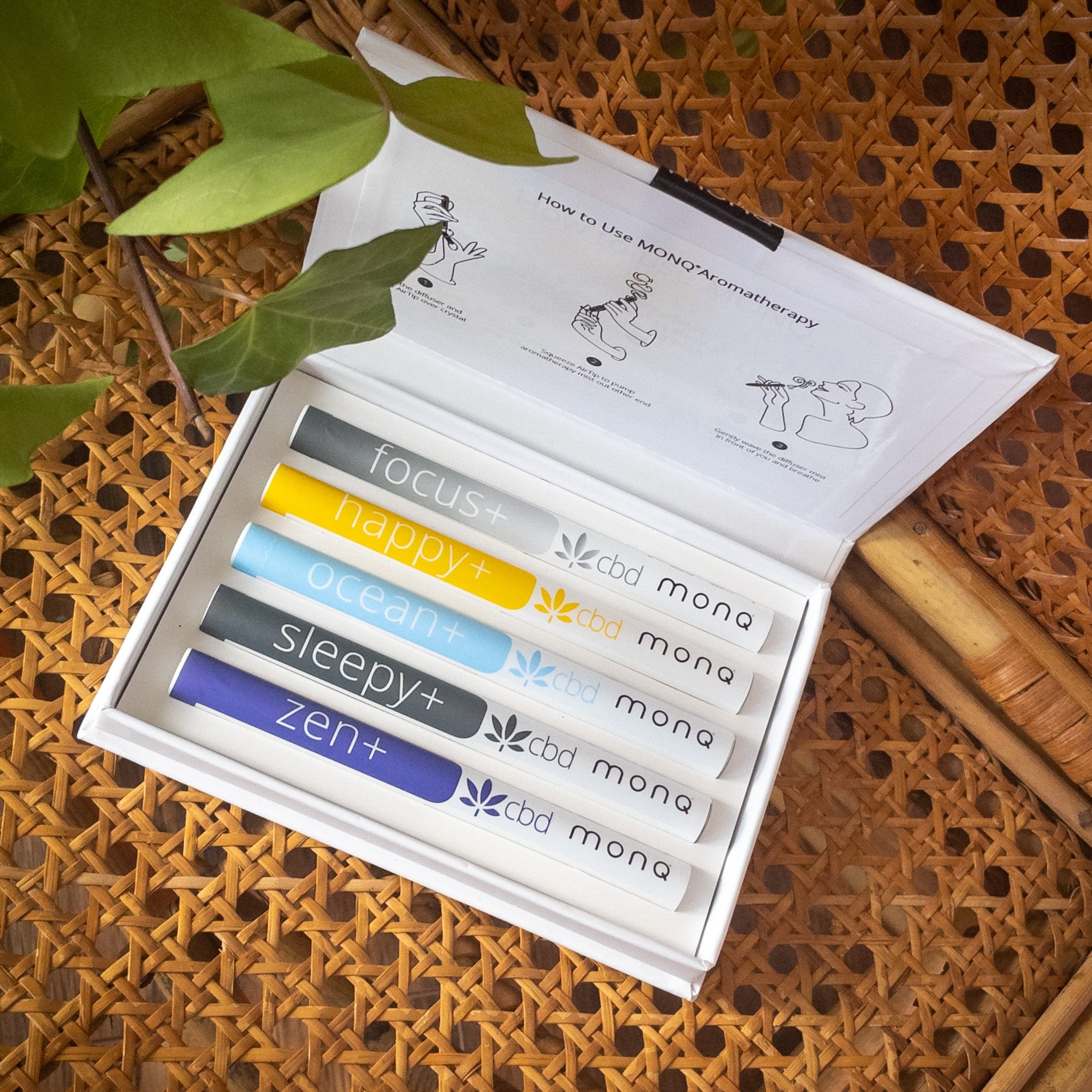
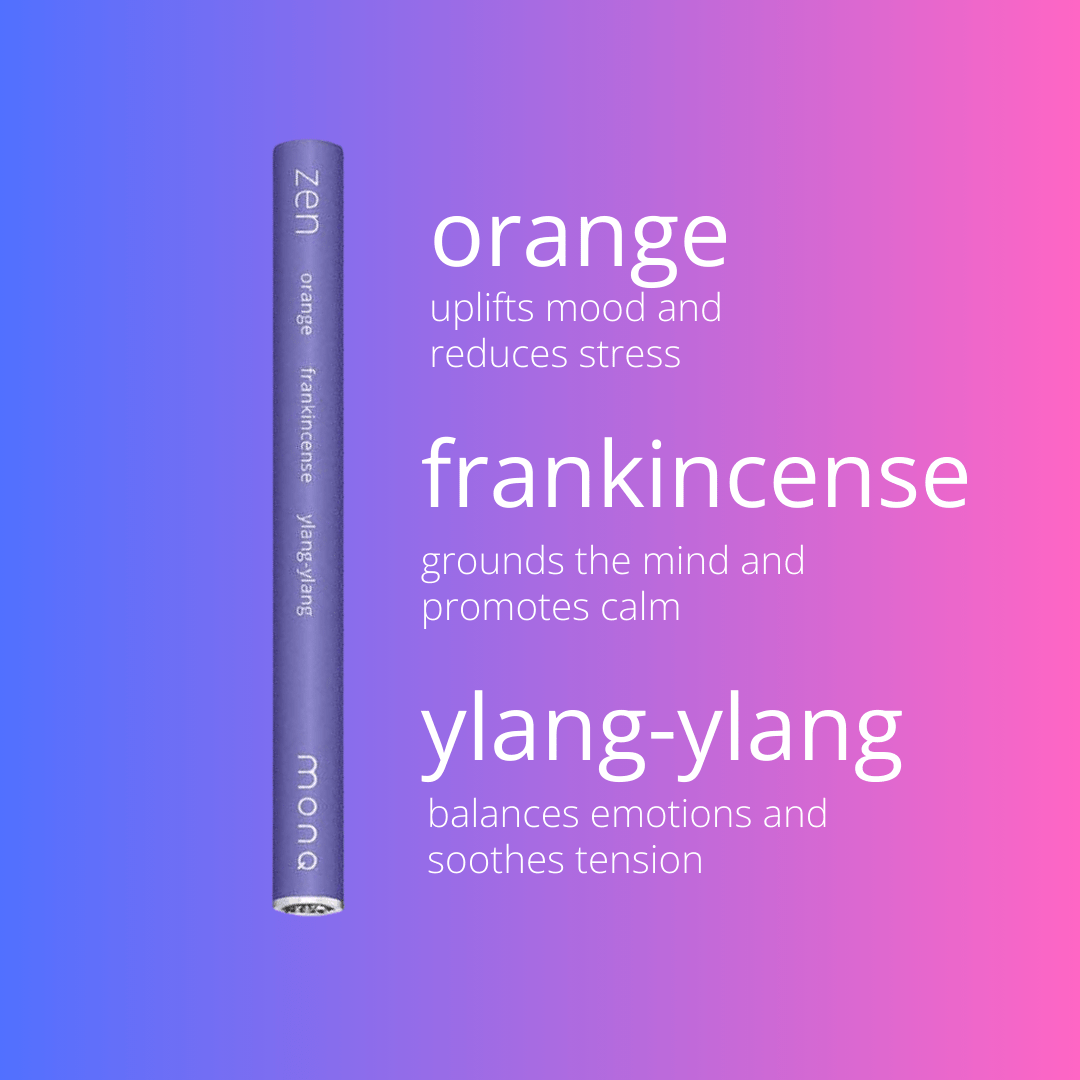
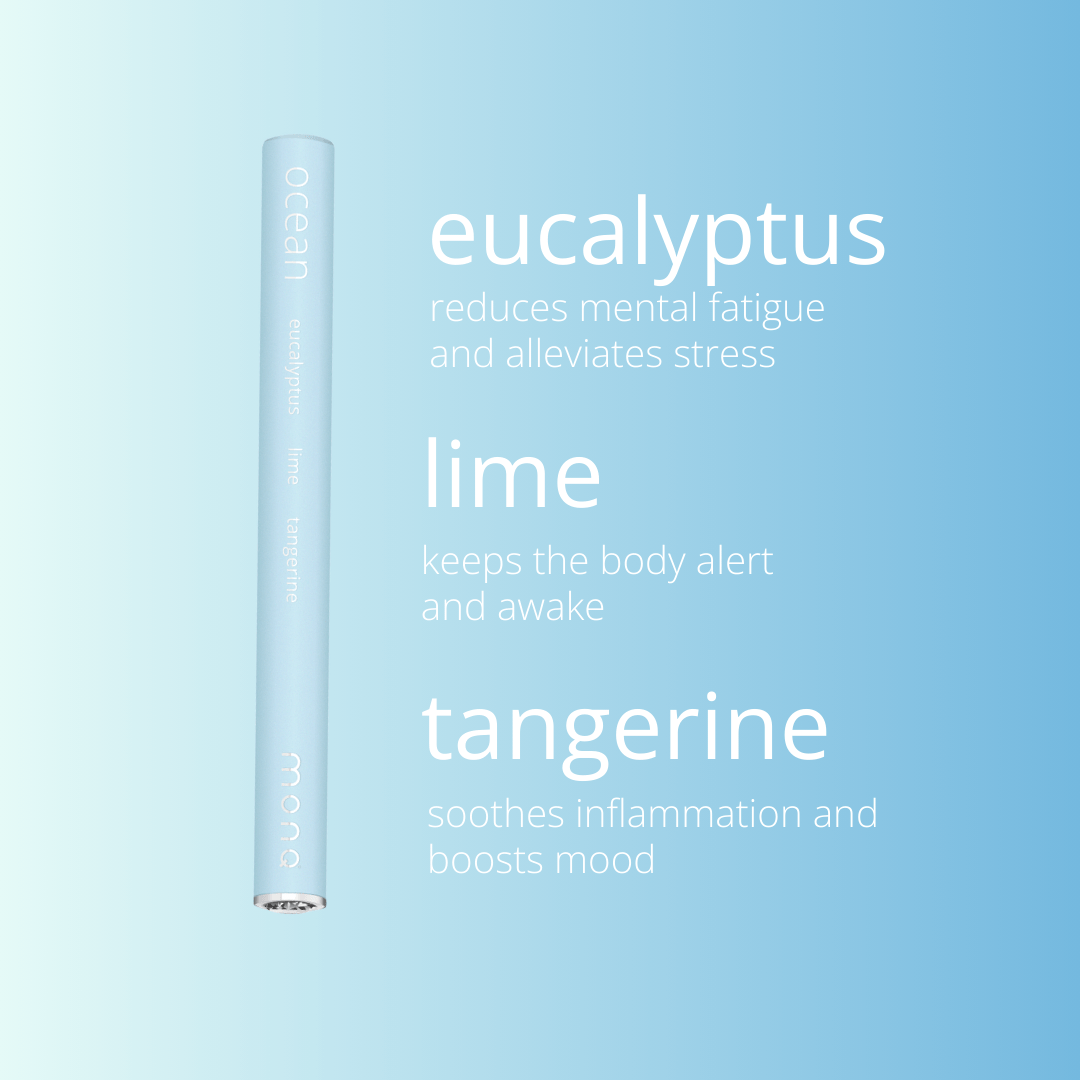
Disclaimer: The above information is provided for general wellness and educational purposes only. Please note that while individual essential oil ingredients may have been shown to exhibit certain independent effects when used alone, the specific blends of ingredients contained in MONQ diffusers have not been tested. No specific claims are being made that use of any MONQ diffusers will lead to any of the effects discussed above. Additionally, please note that MONQ diffusers have not been reviewed or approved by the U.S. Food and Drug Administration. MONQ diffusers are not intended to be used in the diagnosis, cure, mitigation, prevention, or treatment of any disease or medical condition. If you have a health condition or concern, please consult a physician or your alternative health care provider prior to using MONQ diffusers. MONQ blends should not be inhaled into the lungs. Why? It works better that way. No Nicotine Ever. Inhale through the mouth, exhale through the nose. MONQ Diffusers are not intended for individuals under 18, or women who are pregnant or nursing.










Leave a comment