

A Brief History of Aromatherapy: From Ancient Ritual to Modern Pocket
Aromatherapy is often presented as a modern wellness trend, but its roots stretch back to the earliest chapters of human civilization. Long before there was a word for the practice, people around the world were discovering that aromatic plants could do something remarkable: change how they felt. Here is the story of how that discovery evolved over millennia - and where it stands today.
Ancient Egypt: The First Aromatherapists
Egypt is arguably the birthplace of organized aromatic practice. As far back as 4,500 years ago, Egyptian priests and physicians were using aromatic plant materials in ways that clearly anticipate modern aromatherapy. The most famous example is kyphi - a complex aromatic blend recorded in inscriptions at Edfu and Philae. Kyphi contained ingredients like myrrh, frankincense, juniper berries, cinnamon, and various resins, combined with honey and wine. It was burned as incense, believed to have calming properties and to serve as an offering to the gods.
Ayurveda and Ancient India
India's Ayurvedic tradition - one of the world's oldest codified medical systems, dating back at least 5,000 years - placed aromatic plants at the center of its approach to wellness. Sandalwood, jasmine, rose, and dozens of other botanicals appear throughout Ayurvedic texts as tools for supporting mental balance and emotional well-being. The principle was woven into daily rituals, temple practices, and formal medicine.
Traditional Chinese Medicine
Chinese medicine has for centuries understood the connection between aromatic plants and internal balance. Ginger, cinnamon, peppermint, and star anise - all highly aromatic - have been used for thousands of years to support wellness. Aromatic fumigation was used in traditional Chinese healing practice to purify spaces and support recovery.
Greece and the Birth of Botanical Medicine
Greek physicians synthesized and expanded on the aromatic knowledge of Egypt and the Near East. Hippocrates (c. 460-370 BCE) advocated aromatic baths and scented oils in his prescriptions for health. Theophrastus (c. 371-287 BCE), pupil of Aristotle, wrote a systematic study of plants that included extensive coverage of aromatic species and their uses. Greek culture celebrated aromatic preparations in daily life - in athletic competition, bathing rituals, and religious ceremony.
Persian Scholars and the Refinement of Distillation
Around the tenth and eleventh centuries CE, Persian physician Avicenna (Ibn Sina) refined the technique of steam distillation to produce pure essential oils and floral waters. His work on the distillation of rose water is particularly celebrated. This advance made it possible to extract and preserve the active aromatic compounds of plants in concentrated form - the foundation of modern essential oil production. For historical background on Avicenna, the Encyclopaedia Britannica offers detailed coverage.
Renaissance Herbalists and European Tradition
Throughout the European Renaissance, herbalists compiled botanical knowledge into elaborate texts. Works by Nicholas Culpeper and John Gerard documented aromatic plants and their traditional associations with health. Lavender, rosemary, thyme, chamomile, and mint were among the most frequently cited aromatic herbs. Aromatic preparations - waters, tinctures, and oils - were standard tools in the apothecary's practice.
Rene-Maurice Gattefosse and the Birth of Modern Aromatherapy
The word "aromatherapy" itself was coined by French chemist and perfumer Rene-Maurice Gattefosse in 1937, when he published the first systematic study of the therapeutic properties of essential oils using modern scientific methods. The origin story involves a laboratory accident: Gattefosse burned his hand and instinctively plunged it into the nearest liquid - a container of lavender essential oil. He later wrote that the burn healed with remarkable speed, launching his systematic investigation of essential oil properties.
Gattefosse's work inspired a generation of practitioners. French military surgeon Jean Valnet later used essential oils in his clinical practice, and British biochemist Marguerite Maury adapted the practice for holistic massage - bringing aromatherapy into the spa and wellness world.
Aromatherapy in the Modern Era
Through the latter half of the twentieth century, aromatherapy moved from specialized practice to widespread wellness culture. Research into the neuroscience of olfaction began to provide mechanistic explanations for effects that practitioners had observed for centuries. The discovery that the olfactory system connects directly to the limbic brain gave scientific grounding to the intuition that scent could influence emotional states rapidly and directly. For those interested in the current science, the NIH PubMed database contains thousands of studies on essential oil constituents and their biological activities.
MONQ: The Latest Evolution
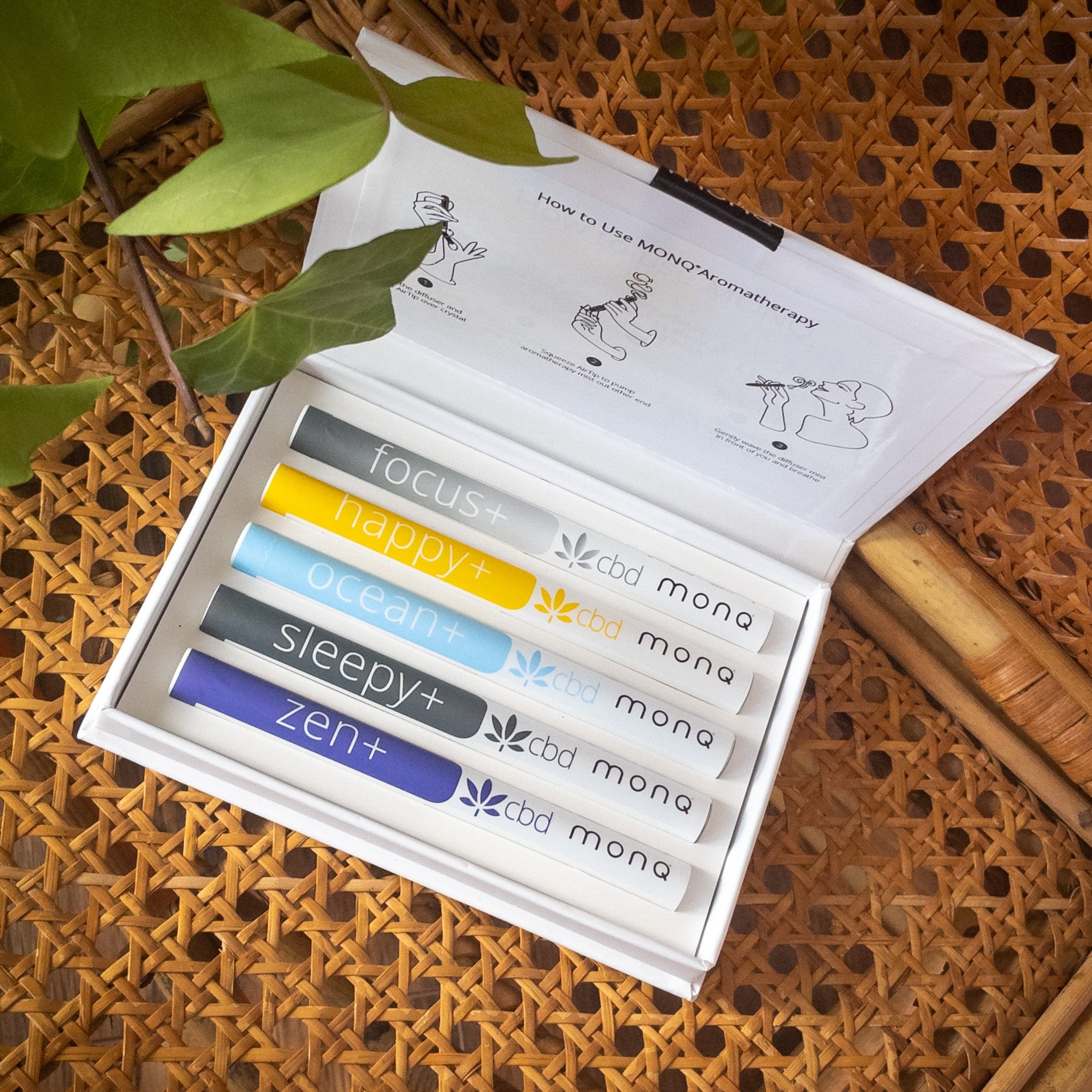
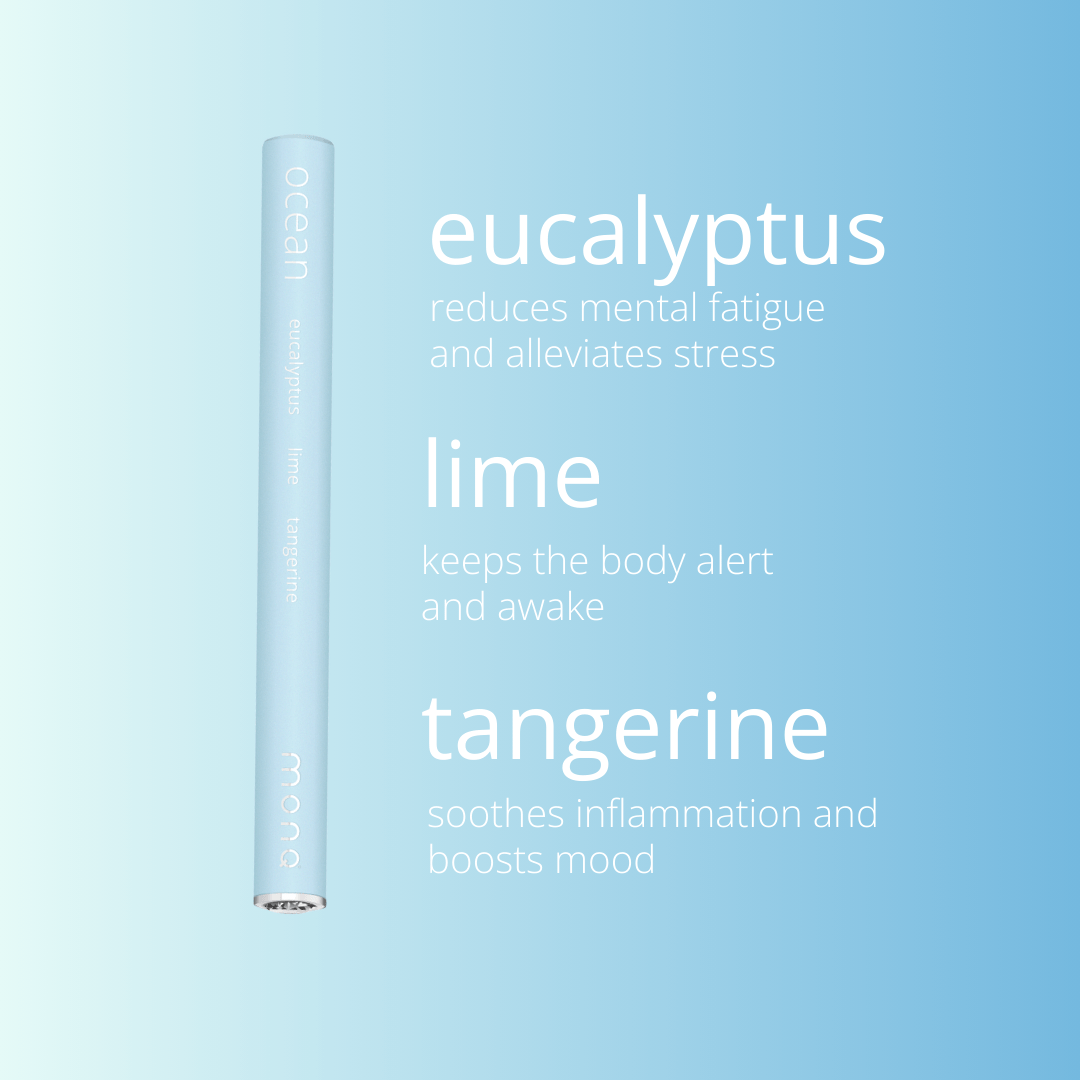
Every great tradition evolves. MONQ represents the most recent chapter in aromatherapy's long story - taking the ancient recognition that scent can support well-being and delivering it in the most personal, portable form yet developed. Since 2014, MONQ has pioneered the personal aromatherapy diffuser: a pocket-sized device made in the USA from real botanical essential oils, requiring no water, no power outlet, and no setup.
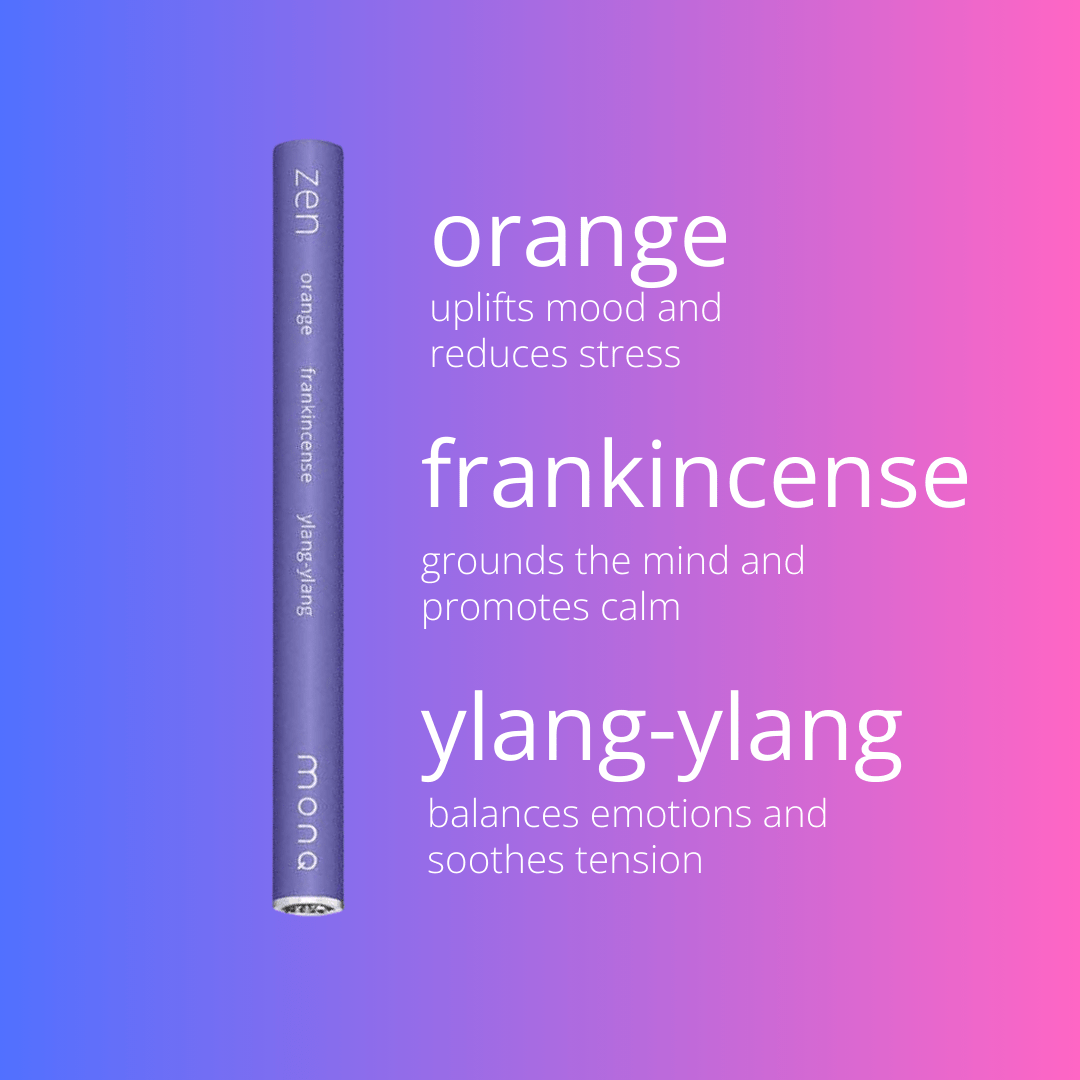
Blends like Zen MONQ, Sleepy MONQ, and Forest MONQ carry forward plant traditions that are thousands of years old - frankincense used in Egyptian temples, lavender cited by Renaissance herbalists, pine associated with forest wellness in traditions across the Northern Hemisphere - now in a form you can carry in your pocket.
From the incense altars of Karnak to the pocket of a modern urban professional, the story of aromatherapy is one of continuous reinvention around a durable truth: that the botanical world has something real to offer those who pay attention to it. Explore MONQ at monq.com.
Disclaimer: The above information is provided for general wellness and educational purposes only. Please note that while individual essential oil ingredients may have been shown to exhibit certain independent effects when used alone, the specific blends of ingredients contained in MONQ diffusers have not been tested. No specific claims are being made that use of any MONQ diffusers will lead to any of the effects discussed above. Additionally, please note that MONQ diffusers have not been reviewed or approved by the U.S. Food and Drug Administration. MONQ diffusers are not intended to be used in the diagnosis, cure, mitigation, prevention, or treatment of any disease or medical condition. If you have a health condition or concern, please consult a physician or your alternative health care provider prior to using MONQ diffusers. MONQ blends should not be inhaled into the lungs. Why? It works better that way. No Nicotine Ever. Inhale through the mouth, exhale through the nose. MONQ Diffusers are not intended for individuals under 18, or women who are pregnant or nursing.











Leave a comment