Focus and Mental Health Awareness

Mental health is something that has rightfully been in the spotlight recently. For a long time, the topic was considered taboo, but as society learns more about the physiological and psychological realities of stress and depression, the conversation is finally shifting.


In the last few years, there have been a number of incredibly important campaigns tackling the stigma surrounding mental health. These conversations are vital, especially for young people and those working in high-stress environments. But awareness is only the first step. Understanding how to support yourself and those you care about is what truly makes a difference.

Starting the Conversation


One of the biggest issues that people face when it comes to mental health is the lingering perception that talking about your issues somehow means "admitting that you are broken." Many people are reluctant to share their struggles because of this perceived stigma.


Think for a moment—if a friend came to you and said they were having a hard time, would you judge them harshly or would you offer them support? If you're the one having a hard time, wouldn't your friends want to do the same thing for you?


It can sometimes be difficult to tell what is going on when you have a friend who is suffering from depression or navigating immense stress. Depending on whether the issue is burnout, grief, or tension, the symptoms and signs can vary massively.


Some people respond to issues by isolating themselves. Some may push their friends away, being snappy or irritable because they simply don't know what else to do. Alternatively, they may feel that they care so deeply for their friends that they don't want them to see them hurting, so they isolate themselves to protect those they love.

How to Tell Your Loved Ones You Are There for Them


Often, people who are struggling with mental health issues don't want to talk about it immediately. They may feel like a lot of situations in day-to-day life are simply too much for them. It's important that they understand that they are not a burden, they don't have to do anything that they don't want to, and that you care about them unconditionally.


The social convention in many parts of the world is to ask "How are you?", which is almost always met with an automatic "Good, thanks, and you?" Making the leap from that polite exchange to talking clearly about mental health is a difficult thing. One option is to start by asking sincerely, and if you are brushed off, gently ask again. If you are still brushed off, the best next step is to just say, "Okay, but I'm here if you ever do want to talk." Simply listen, and be present.

Self-Care to Boost Mental Health


It is important that people who are severely struggling with depression or intense stress seek professional help. However, for someone who is simply 'having a bad day' or feeling burned out, they can often get through that hump by taking a break, relaxing, and intentionally practicing self-care.


There is a clear place for self-care in terms of helping people manage stress. Indeed, many individuals find that proactive self-care routines allow them to feel more grounded and in control.


Self-care can come in many forms. Some people find that physical exercise helps them to combat stress because it helps to release endorphins, which can regulate their mood. For others, self-care might come in the form of deep relaxation or establishing a calming evening routine.


Taking some time out to meditate, practice mindfulness, or simply lie down in a dark room and enjoy some aromatherapy can work wonders for a tired mind.

Aromatherapy and Mood Regulation


There is a lot of evidence to show that aromatherapy can help combat stress and promote a sense of well-being. Whether exposure to essential oils is a part of a massage or used in a diffuser, the aromatic benefits are widely recognized.


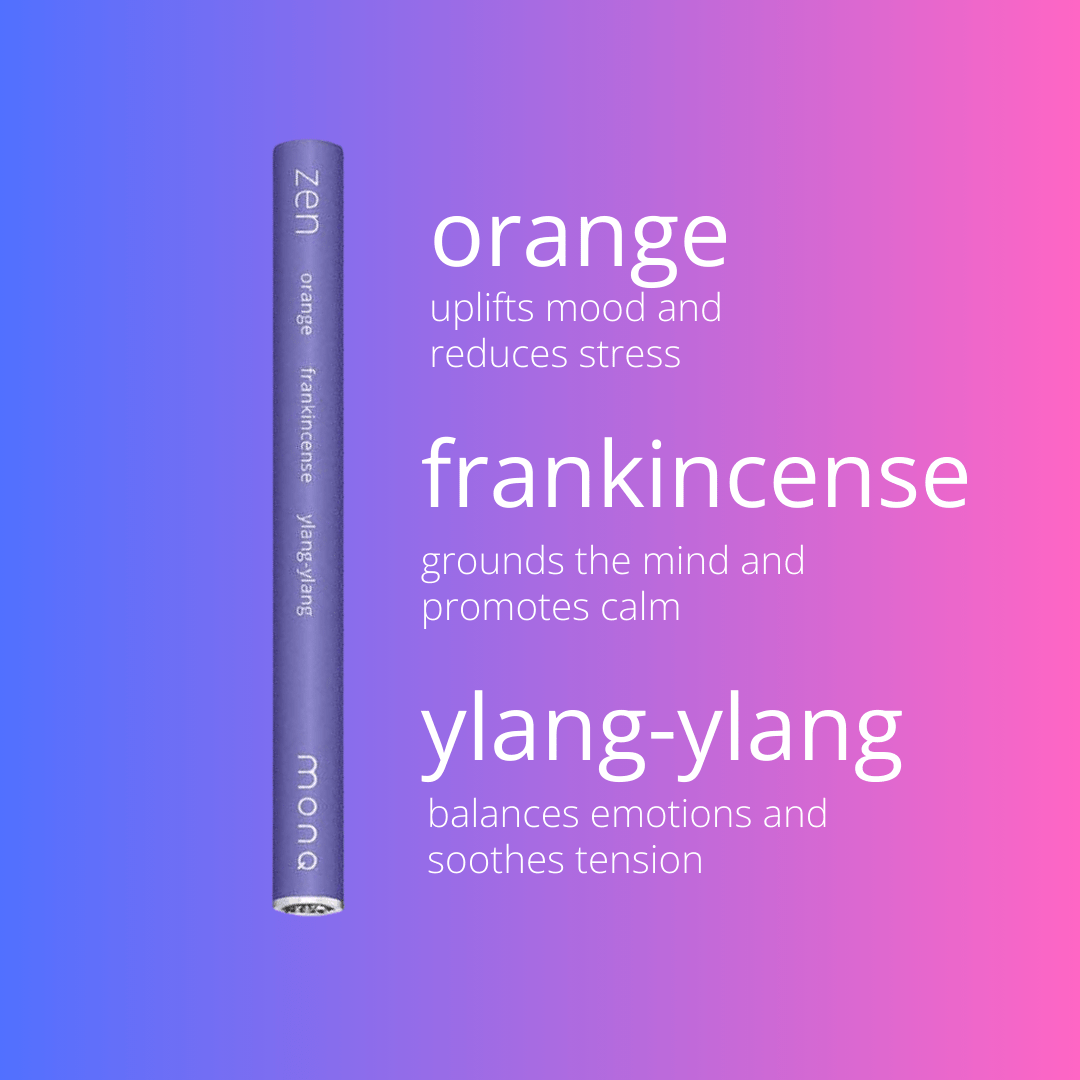
Lavender essential oil is one of the most famous botanicals used to help combat stress and promote relaxation. Oils like frankincense and chamomile are also prized for their grounding, soothing qualities.


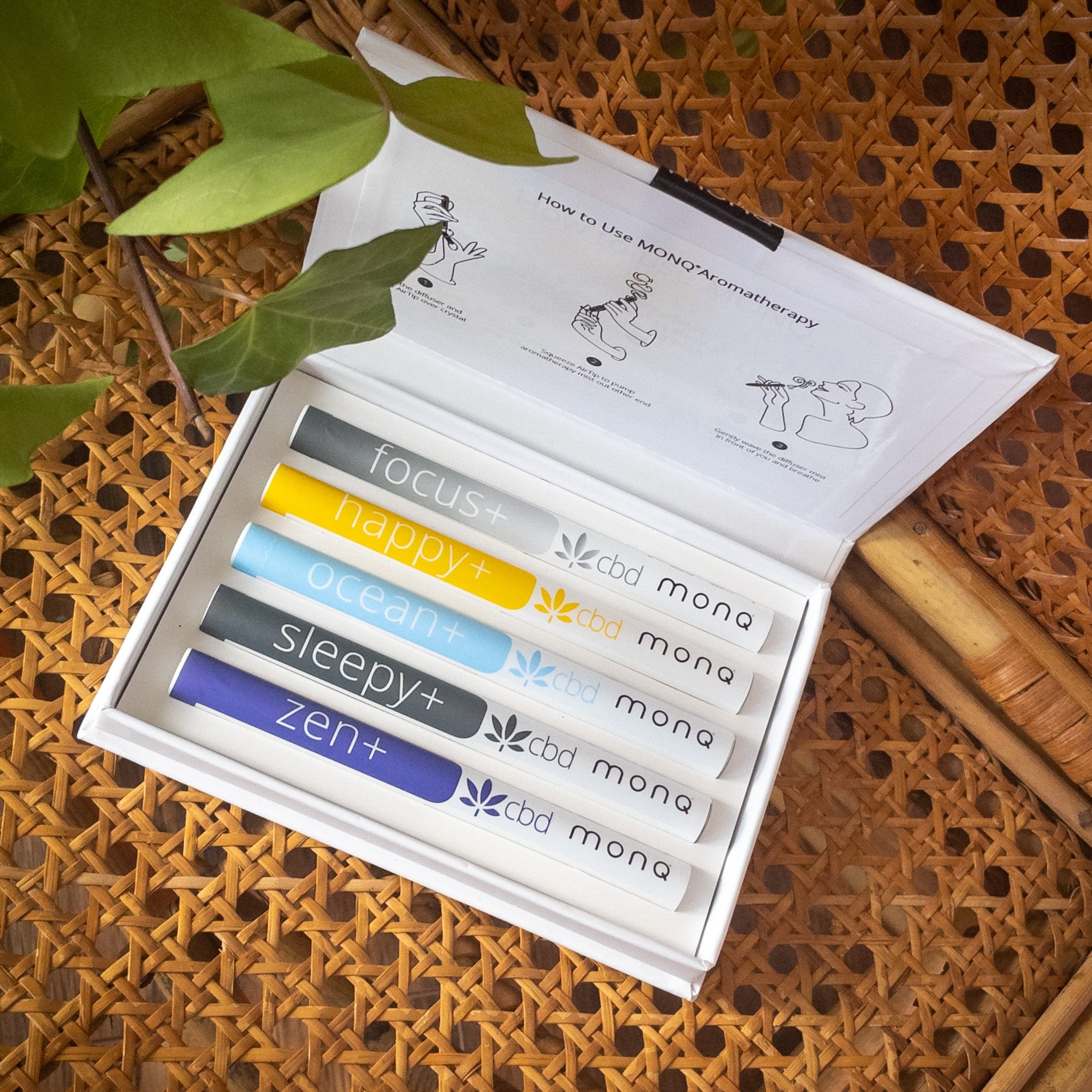
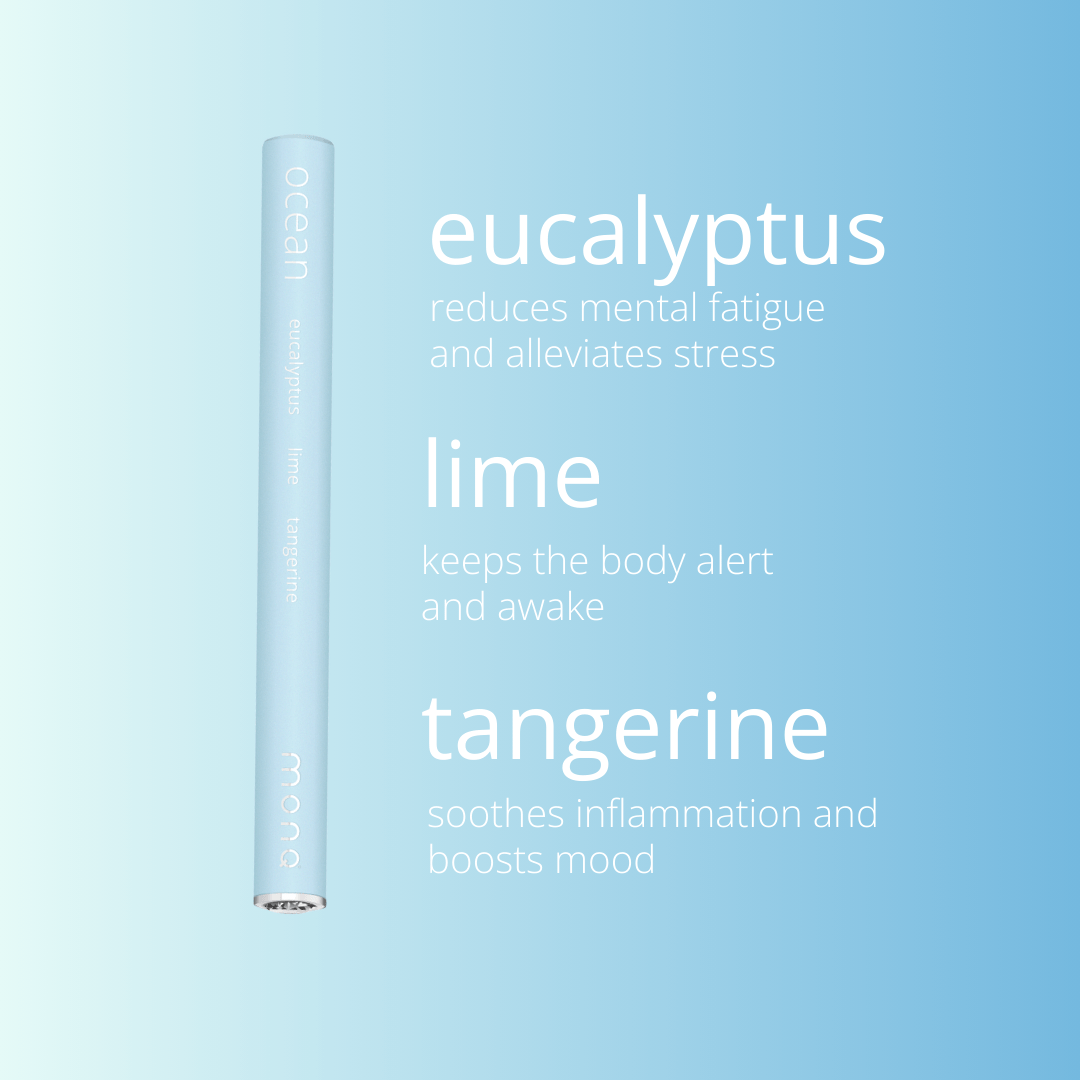
Alternatively, if the goal is to overcome brain fog and find a sense of clarity, invigorating oils like peppermint, rosemary, and spearmint can be incredibly helpful. Using a personal aromatherapy diffuser like Focus MONQ allows you to take a mindful breath and experience these clarifying aromas throughout the day.


As long as you are exposed to these natural aromas steadily throughout your routine, they can offer excellent grounding benefits.

Try More than One Approach


Dealing with mental health troubles can seem like an insurmountable issue, whether it is you personally who is struggling or someone that you care about. When you have a broken arm, you can put it in a cast. Mental health is a less visible and more nebulous thing, but it is still a genuine, physical issue.


You may need to try several strategies. Talk to your friends, find something that can keep you busy, and expand your social network. Exercise, practice mindfulness, and ensure you have a balanced, nutrient-dense diet so that you have more natural energy. So many small things can add up and help you get back on track.


Remember that people do care about you, and that you have a lot to offer the world.


If you need someone to talk to and feel that you are not at the stage where you can talk to someone you know, remember that there is help out there. Take a look at resources like Befrienders Worldwide, or seek advice from a local professional. They are there to help people just like you.


Disclaimer: The above information is provided for general wellness and educational purposes only. Please note that while individual essential oil ingredients may have been shown to exhibit certain independent effects when used alone, the specific blends of ingredients contained in MONQ diffusers have not been tested. No specific claims are being made that use of any MONQ diffusers will lead to any of the effects discussed above. Additionally, please note that MONQ diffusers have not been reviewed or approved by the U.S. Food and Drug Administration. MONQ diffusers are not intended to be used in the diagnosis, cure, mitigation, prevention, or treatment of any disease or medical condition. If you have a health condition or concern, please consult a physician or your alternative health care provider prior to using MONQ diffusers. MONQ blends should not be inhaled into the lungs. Why? It works better that way. No Nicotine Ever in MONQ Pens. Inhale through the mouth, exhale through the nose. MONQ Diffusers are not intended for individuals under 18, or women who are pregnant or nursing.


Leave a comment

Please note, comments must be approved before they are published

This site is protected by hCaptcha and the hCaptcha Privacy Policy and Terms of Service apply.


Disclaimer: These statements have not been evaluated by the Food and Drug Administration. This product is not intended to diagnose, treat, cure, or prevent any disease.