

How to Choose an Essential Oil Scent: A Beginner’s Guide | MONQ
By Eric Fishman, MD | 11-minute read
Quick answer: To choose an essential oil scent, begin with the aroma families you already enjoy—fresh, floral, citrus, herbal, woody, warm, or earthy. Smell one option at a time, notice intensity as well as character, and choose for the setting and ritual in which you will actually use it. Aroma descriptions are useful maps, but your own response is the deciding factor.
Choosing an aroma can sound simple until every option is described as bright, grounding, soothing, fresh, warm, or uplifting. Those words can help, but they are not objective instructions. One person’s crisp herbal scent may feel clean and familiar; another person may find the same aroma sharp or medicinal.
A useful essential oil scent guide for beginners should therefore do two things. First, it should give you a practical vocabulary for comparing aromas. Second, it should leave room for preference, memory, context, and intensity.
This guide uses familiar scent families to help you narrow the field without promising that any particular aroma will create a guaranteed mood or result. The goal is not to find the universally “best” essential oil scent. It is to identify an aroma profile you enjoy enough to make part of a repeatable daily ritual.

Why Scent Descriptions Are Guides, Not Rules
We often describe scent by analogy: lemon is bright, mint is cool, vanilla is warm, and cedarwood is dry. These cross-sensory words make an invisible experience easier to discuss, but they are still interpretations.
Research helps explain why two people can respond differently to the same odor. In one cross-cultural study, both cultural background and the presence of an odor label influenced how participants rated aromas. Another study found that positive and negative labels changed pleasantness ratings for the same odorants. In other words, the name, setting, expectation, and previous association surrounding a scent can shape the experience—not merely the aromatic molecules themselves.
At the same time, a 2022 study involving nine diverse non-Western cultures found substantial agreement in pleasantness rankings for a limited set of single odor molecules. The result suggests that chemistry may contribute to shared preferences, while individual preference still explained meaningful variation. These findings are not a reason to treat aroma choice as either completely universal or completely arbitrary. They are a reason to smell thoughtfully and avoid assuming that a marketing description predicts your response.
The practical lesson is reassuring: you do not need a perfect scent vocabulary before you begin. You need a small set of comparisons and permission to trust what you notice.
How to Choose an Essential Oil Scent: A Four-Step Method
Use the following process whether you are considering a single essential oil aroma, a prepared blend, a room product, or a personal aromatherapy diffuser.
1. Start with familiar preferences
Think about aromas you already enjoy outside aromatherapy. Do you prefer a cut lemon, a bouquet of flowers, a pine trail, fresh herbs, warm spices, vanilla, or dry wood? Everyday preferences provide a more useful starting point than choosing an aroma because it is associated with a fashionable benefit.
Write down three scent memories you like and three you avoid. The list does not need to be sophisticated. “Fresh laundry,” “orange peel,” “garden mint,” “heavy perfume,” and “smoky candle” are all useful clues.
2. Choose a broad scent family
Most natural aromas contain more than one impression, but broad families make comparison easier. Begin with one of these:
- Fresh: airy, crisp, green, watery, or clean-smelling.
- Floral: petal-like, soft, powdery, sweet, or lush.
- Citrus: bright, juicy, zesty, tart, or peel-like.
- Herbal: leafy, aromatic, garden-like, cool, or savory.
- Woody: dry, forest-like, resinous, pencil-like, or smoky.
- Warm and spicy: sweet, rich, baked, peppery, or enveloping.
- Earthy: deep, root-like, mossy, damp-soil-like, or mineral.
These categories overlap. Bergamot is citrus with floral and green qualities. Lavender is floral and herbal. Frankincense may seem resinous, woody, citrus-like, or slightly spicy depending on the material and the surrounding blend.
3. Consider intensity and balance
Aroma character and aroma intensity are different questions. You may like peppermint in a light blend but find it dominant at a higher intensity. You may enjoy vanilla as a background note but not as the main impression.
When possible, begin with a brief, moderate exposure. Step away, then return. Notice whether one note overwhelms the others and whether your impression changes after a few minutes. More aroma is not automatically a better aroma.
4. Match the scent to a real context
Ask where and when you plan to use it. A strong room aroma may be inappropriate in a shared office. A personal aroma may be easier to fit into a commute or short break. A warm, sweet blend that feels appealing on a winter evening may feel too heavy on a hot afternoon.
The best choice is not simply the aroma you rate highest in isolation. It is the one that fits the environment, the people around you, and the ritual you want to repeat.
Fresh vs. Floral Essential Oil Scents
Fresh and floral are often presented as opposites, but many aromas sit between them.
Fresh scents usually feel crisp, open, green, watery, or cool. Eucalyptus, spearmint, fir, and some citrus peels often contribute to a fresh profile. “Fresh” does not mean unscented; it describes an impression of clarity or airiness.
Floral scents usually suggest petals, blossoms, nectar, or perfume. Lavender can be softly floral and herbal. Ylang-ylang may seem richer, sweeter, and more tropical. Chamomile can carry floral, fruity, herbaceous, or hay-like facets.
If you are comparing fresh vs. floral essential oil scents, ask:
- Do I prefer crisp edges or rounded sweetness?
- Would I like the aroma to feel airy, petal-like, green, or lush?
- Do I enjoy recognizable flower aromas, or do they quickly feel too perfume-like?
- Would a blended profile—such as floral with citrus or floral with herbs—feel more balanced?
A person who dislikes heavy floral perfume may still enjoy a lightly floral aroma surrounded by citrus or herbs. Likewise, someone who finds mint too sharp may prefer freshness created by fir, eucalyptus, or a green citrus note.
Uplifting Citrus Aromas
Citrus aromas are commonly described as uplifting because people often associate them with brightness, freshness, fruit, and daylight. In this guide, “uplifting” describes the character people may seek—not a guaranteed psychological or medical effect.
Common citrus impressions include:
- Lemon: bright, tart, peel-like, and clean.
- Sweet orange: juicy, familiar, rounded, and gently sweet.
- Grapefruit: sparkling, slightly bitter, and less sweet.
- Bergamot: citrus-like with floral, green, and softly bitter facets.
- Lime: sharp, green, zesty, and lively.
Citrus can make a blend feel lighter, but it can also disappear quickly behind stronger herbs, spices, woods, or florals. If you want a citrus-led experience, check the full ingredient list and do not assume that the presence of one citrus oil makes it the dominant aroma.
When using a topical or room product containing essential oils, follow that specific product’s directions. Some expressed citrus oils can be phototoxic on skin; this issue depends on the particular oil, preparation, concentration, and method of use. Do not transfer safety instructions from one product format to another.
Warm and Cozy Essential Oil Scents
Warm and cozy essential oil scents tend to evoke sweetness, spice, baked foods, amber-like richness, or soft woods. Vanilla, cinnamon-like notes, clove-like notes, ginger, cardamom, and certain resins may contribute to this family.
Warmth is often created through combination rather than one ingredient. A citrus note beside vanilla can feel creamy. A wood beside spice can feel dry and autumnal. A floral beside resin can feel rounded and enveloping.
Because sweet and spicy notes can dominate, begin with balance. If a cozy blend feels heavy, look for citrus, green, or airy notes in the composition. If it feels too sharp, a softer floral, vanilla-like, or woody component may round it out.
“Cozy” is contextual. Seasons, memories, foods, homes, and personal traditions all influence what warmth smells like to an individual.

Herbal Essential Oil Scent Profiles
Herbal essential oil scent profiles can range from cool and minty to savory, camphoraceous, grassy, or gently floral. This family often feels familiar because many aromatic plants also appear in gardens and kitchens.
- Peppermint and spearmint: cool, recognizable, and often dominant.
- Rosemary: green, penetrating, camphoraceous, and slightly woody.
- Basil: leafy, spicy, sweet, or licorice-like depending on the variety.
- Thyme: dry, savory, warm, and assertive.
- Clary sage: herbal, earthy, green, and sometimes tea-like.
- Lavender: floral-herbal, with a profile that can range from soft to sharply aromatic.
If an herbal blend smells “medicinal” to you, that is information—not a failure to appreciate it correctly. Try a softer herbal profile or one balanced with citrus, floral, or woody notes.
Woody Essential Oil Aromas
Woody essential oil aromas are often described as dry, forest-like, resinous, smoky, smooth, or earthy. Cedarwood, sandalwood, fir, pine, and cypress each offer a different interpretation of the family.
Cedarwood may suggest dry timber or pencil shavings. Fir and pine often feel greener and more outdoorsy. Sandalwood is usually described as smoother, softer, and creamier. Resinous materials such as frankincense are not woods, but they are often grouped with woody profiles because they can share dry, deep, or forest-adjacent qualities.
Woody notes commonly provide the quieter background of a blend. They can make citrus seem less fleeting, herbs less sharp, and florals less sweet. If you want a forest-inspired aroma, look beyond the product name and identify whether the formula leans toward green needles, dry wood, damp earth, or resin.
What “Grounding Essential Oil Aromas” Means
Grounding essential oil aromas are generally deep, earthy, woody, resinous, or warm profiles that people choose for slow, deliberate rituals. Examples may include vetiver, patchouli, cedarwood, sandalwood, frankincense, and other low, persistent notes.
The word grounding is experiential language. It does not mean that the aroma treats anxiety, changes the nervous system in a predictable way, or produces the same emotional response for everyone. A scent can support a personally meaningful pause because you have chosen to associate it with that pause.
If classic earthy aromas feel too dense, try a lighter bridge:
- Woody plus citrus for a brighter profile.
- Resinous plus floral for a softer profile.
- Earthy plus herbal for a greener profile.
- Warm spice plus wood for a drier profile.
You do not need to like patchouli, vetiver, or any other frequently recommended aroma to create a grounding ritual. The routine matters more than conforming to a category.

Best Aromas for Different Times of Day
There is no universal schedule that makes one aroma correct for morning and another correct for night. Still, time-of-day pairings can help you build consistent sensory boundaries.
| Time or transition | Profiles you might explore | Question to ask |
|---|---|---|
| Beginning the morning | Fresh, citrus, green, or light herbal | Does this feel clear and pleasant at the intensity I am using? |
| Starting focused work | Herbal, minty, forest-like, or dry citrus | Can I reserve this cue for selected work periods? |
| Midday transition | Bright citrus, green herbs, or a familiar personal favorite | Does this create a noticeable boundary without overwhelming the space? |
| Leaving work behind | Woody, floral, warm, or earthy | Is this distinct from the aroma I use during work? |
| Evening routine | Soft floral, gentle wood, resinous, or warm and cozy | Do I genuinely enjoy this, independent of what it is supposed to do? |
The best aromas for different times of day are the aromas that fit your preferences and help distinguish one routine from another. If a bright citrus feels perfect in the evening, use it in the evening. If lavender reminds you of a cleaning product rather than bedtime, choose something else.
How to Layer Scent Into a Daily Routine
Layering scent into a routine does not have to mean physically mixing essential oils or wearing several fragranced products at once. It can mean assigning distinct aromas to different moments.
Use one scent as one cue
Choose a particular aroma for a specific transition: opening a journal, beginning a work session, putting away your phone, or changing from daytime to evening activities. Repetition can make the sequence familiar even when the scent itself does not cause a particular outcome.
Separate scent zones
A room diffuser, personal aroma, candle, laundry product, skin product, and cleaning product can compete. Notice the full aromatic environment before adding another layer. Sometimes the most useful change is removing one scent.
Vary families rather than increasing intensity
If you want contrast between routines, choose different profiles instead of using more of the same product. A fresh morning aroma and a warm evening aroma can feel distinct at moderate intensity.
Keep shared spaces shared
Ask before adding scent in a workplace, car, hotel room, or shared home. Other people may dislike the aroma or prefer a fragrance-free environment. Personal preference includes the preference not to use scent.
Do not improvise across product formats
Use every product only as directed. An essential oil intended for a room diffuser, a properly formulated topical product, and a MONQ personal aromatherapy diffuser are different formats. Do not ingest essential oils, apply undiluted oils to skin, or put oils into a device unless that product is specifically designed and labeled for that use.
How to Compare MONQ Aroma Profiles
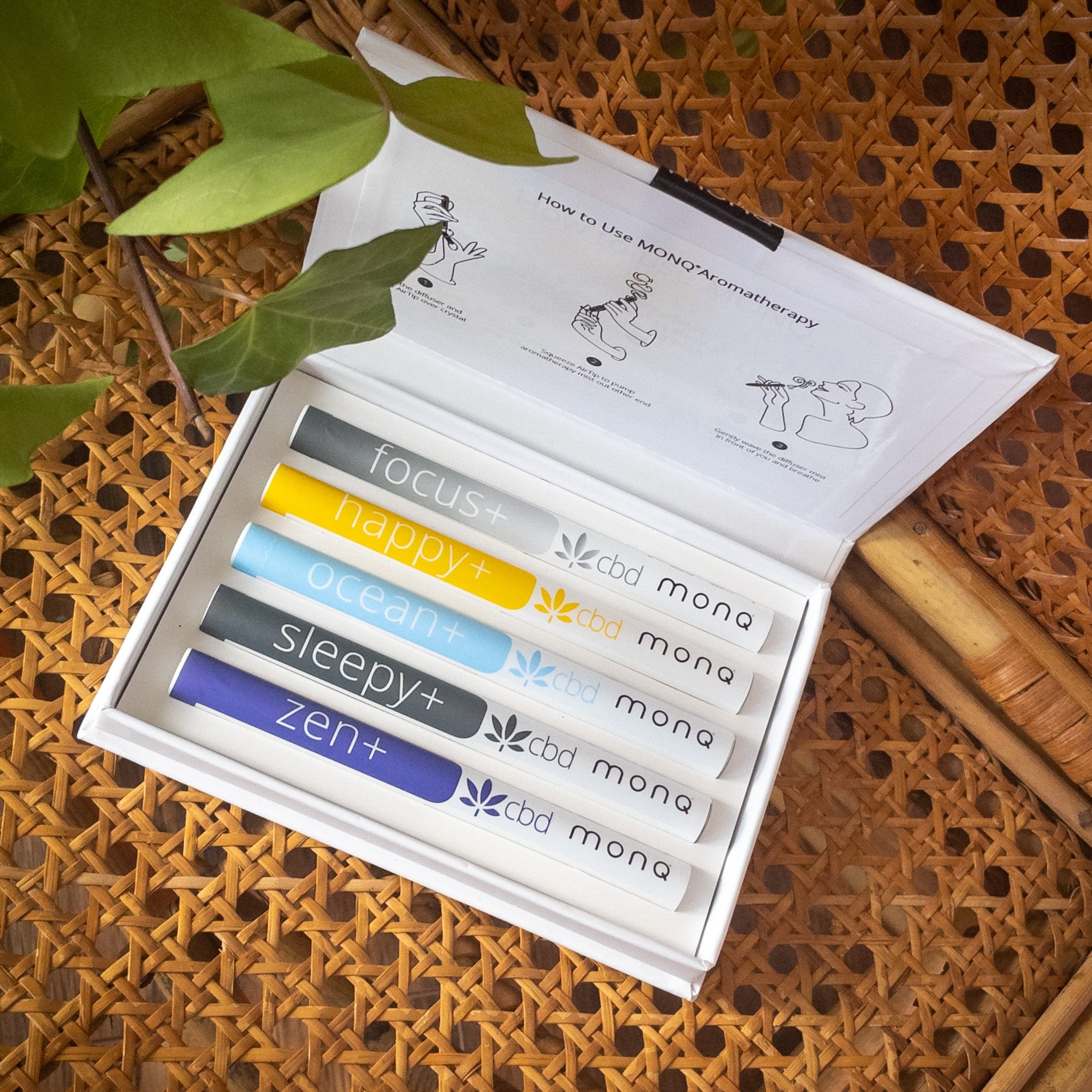
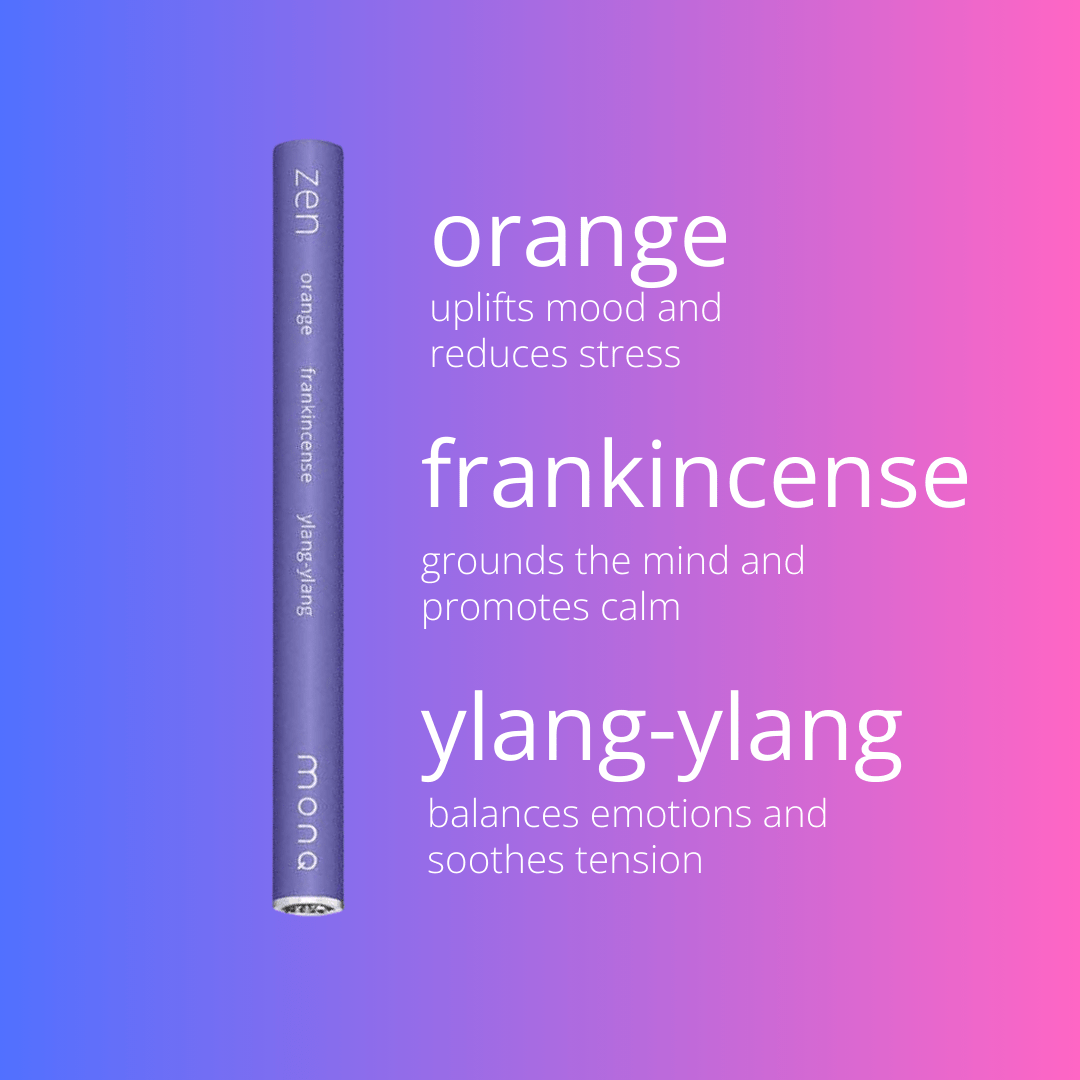
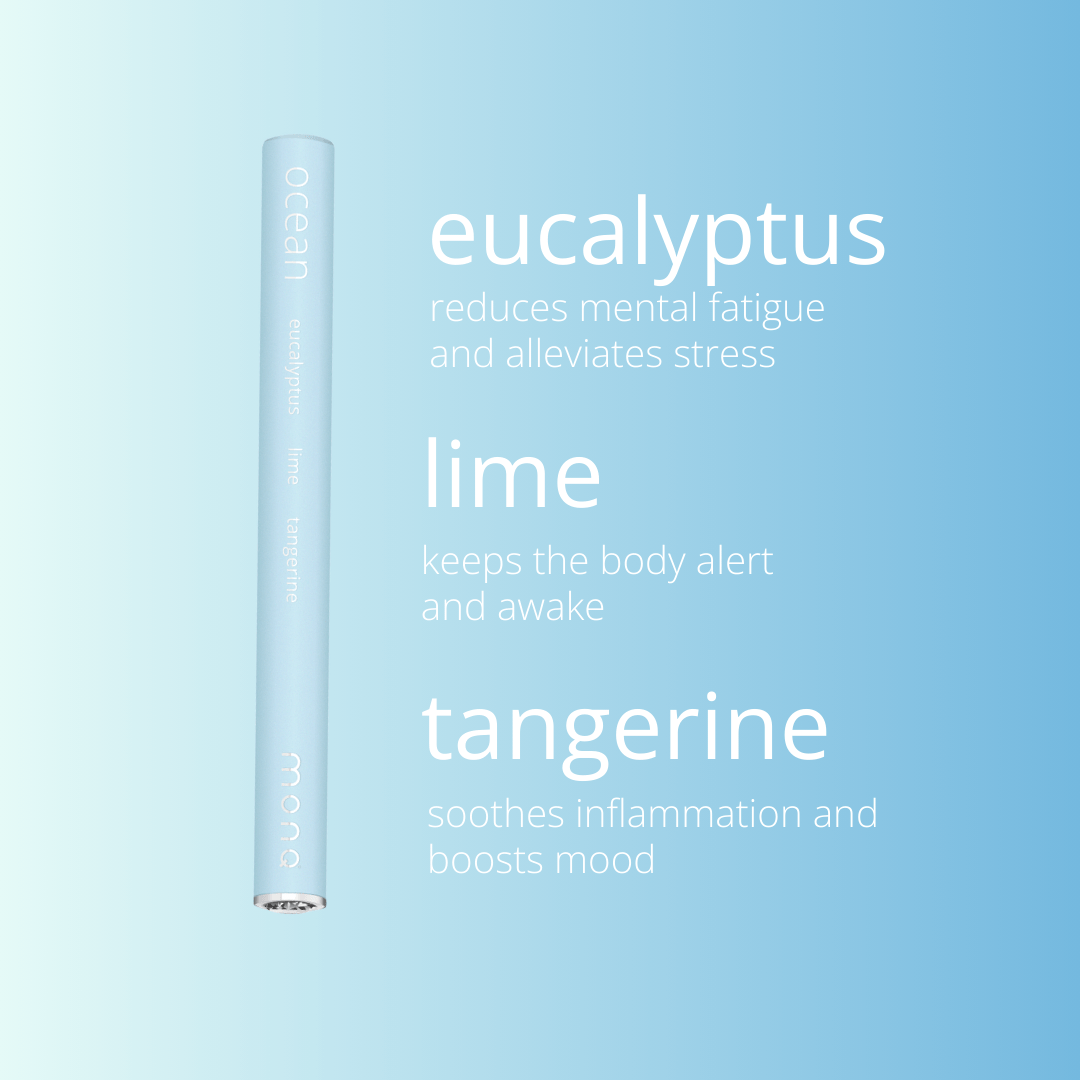
MONQ blends combine multiple essential oils, so the blend name is only the beginning of the choice. Read the listed ingredients and look for the families you tend to enjoy. Then consider the balance: Is the blend led by citrus, herbs, florals, woods, spices, or a combination?
If you are new to MONQ, compare a small number of contrasting profiles rather than trying to predict one perfect blend from its name. Note the first impression, the dominant aroma, the intensity, and whether you would want to return to it in a real daily context.
Before using a MONQ product, read how to use a MONQ personal aromatherapy diffuser and the MONQ safety and usage guidance, including who should not use the products. MONQ diffusers are not inhaled into the lungs. Draw gently into the mouth, then exhale through the nose.
Choosing by scent preference does not convert an aroma into a treatment or guarantee a mood, cognitive, or physiological effect. It simply gives you a more personal and practical way to compare blends.
Frequently Asked Questions
How do I choose an essential oil scent if I am a beginner?
Begin with aromas you already enjoy in foods, gardens, forests, or everyday products. Choose one broad family, compare only a few options, and notice both character and intensity. Your preference is more useful than choosing solely by a promised benefit.
What is the difference between fresh and floral essential oil scents?
Fresh profiles tend to feel crisp, green, airy, watery, or cool. Floral profiles suggest blossoms, petals, nectar, powder, or perfume. Many oils and blends overlap both categories.
Which essential oil aromas are considered grounding?
Earthy, woody, resinous, and warm aromas are often described as grounding. Vetiver, patchouli, cedarwood, sandalwood, and frankincense are common examples. “Grounding” is a personal description, not a guaranteed clinical effect.
Are citrus aromas always energizing?
No. Citrus aromas are often described as bright or uplifting, but responses differ. Choose citrus because you enjoy its scent and it fits your intended setting, not because it promises a specific energy level.
Can I use different aromas at different times of day?
Yes. A consistent aroma can help mark a morning, work, transition, or evening ritual. There is no universal schedule, so build the pattern around preference, setting, and the people who share your space.
How should I layer aromas into my routine?
Start with one aroma in one context. Avoid stacking many fragranced products, and use each product only according to its instructions. Contrast scent families between routines rather than simply increasing intensity.
Let Preference Lead
The most useful scent guide does not tell you what you must like. It gives you enough language to compare your options.
Begin broadly: fresh or floral, citrus or herbal, woody or warm. Then pay attention to nuance, intensity, setting, and repetition. An aroma that fits your real life is more valuable than one that sounds ideal in a description.
Choose slowly, use products as directed, and let your own experience—not a promised effect—determine what earns a place in your daily routine.
These statements have not been evaluated by the Food and Drug Administration. This product is not intended to diagnose, treat, cure, or prevent any disease. No Nicotine Ever in MONQ Diffusers.
Research References
- Manescu, S., Frasnelli, J., Lepore, F., & Djordjevic, J. (2014). Now you like me, now you don’t: Impact of labels on odor perception. Chemical Senses, 39(2), 167–175.
- Ferdenzi, C., Joussain, P., Digard, B., Luneau, L., Djordjevic, J., & Bensafi, M. (2017). Individual differences in verbal and non-verbal affective responses to smells: Influence of odor label across cultures. Chemical Senses, 42(1), 37–46.
- Arshamian, A., et al. (2022). The perception of odor pleasantness is shared across cultures. Current Biology, 32(9), 2061–2066.e3.
- Delplanque, S., Coppin, G., Bloesch, L., Cayeux, I., & Sander, D. (2015). The mere exposure effect depends on an odor’s initial pleasantness. Frontiers in Psychology, 6, 911.
- Herz, R. S. (2005). Odor-associative learning and emotion: Effects on perception and behavior. Chemical Senses, 30(suppl_1), i250–i251.










Leave a comment