

Why Spas Use Aromatherapy and How to Get the Same Effect at Home
Unwind Like You Are at the Spa: The Power of Aromatherapy at Home
There is a particular quality to the air in a good spa. Before you have received a single treatment, before a therapist has laid hands on your shoulders, before you have sunk into a warm pool - the scent alone begins to shift something in you. The careful arrangement of aromatic molecules in that air communicates directly to the most ancient part of your brain: you are safe, you can release, restoration is possible.
In our fast-paced world, that quality of sensory permission to relax is increasingly rare and increasingly valuable. The good news is that you do not need a spa membership to access it. Understanding why spas use aromatherapy - and the science behind its effectiveness - gives you everything you need to create your own sanctuary at home.
Why Spas Have Always Used Aromatherapy
Aromatherapy is not a recent spa trend. Ancient civilizations from Egypt to China to Greece understood that scent was a powerful tool for influencing mood, promoting healing, and marking transitions between different states of being. Egyptian priests burned aromatic resins in temple ceremonies; Greek physicians prescribed aromatic baths; Chinese medicinal traditions incorporated aromatic plant material for both physical and emotional wellness. The modern spa simply inherited this ancient wisdom and dressed it in white linen.
Professionally designed spa environments use aromatherapy deliberately and systematically for several interconnected reasons:
The Limbic Connection
The olfactory system - your sense of smell - is the only sensory system with a direct anatomical connection to the limbic system, the brain's emotional processing center. When you smell something, the scent molecules bind to receptors in the nasal cavity and send signals through the olfactory bulb directly to the amygdala (which processes emotion) and the hippocampus (which manages memory). This is why certain scents can produce an almost instantaneous emotional response and why smell is so powerfully tied to memory. Spas leverage this pathway deliberately, using consistent signature scents to create an immediate, reliable relaxation response the moment a guest walks through the door.
Creating a Complete Sensory Environment
Professional spa designers understand that relaxation is multi-sensory. The softness of the lighting, the warmth of the temperature, the quietness of the sound environment, the texture of the linens, and the scent of the air all contribute to a coherent message that tells the nervous system it is safe to shift from sympathetic activation (the stress response) to parasympathetic dominance (the rest-and-digest state). Aromatherapy is one essential strand of this carefully woven sensory environment. The National Center for Complementary and Integrative Health notes that aromatherapy is among the most widely used complementary health approaches, with a growing body of research examining its effects on stress, mood, and well-being.
Specific Oils for Specific Outcomes
Skilled spa therapists and aromatherapists do not simply choose scents they personally enjoy - they select specific oils for their particular aromatic properties and the outcomes they are designed to support. A deep tissue massage might incorporate warming black pepper or ginger to increase circulation. A relaxation treatment might use lavender, chamomile, or ylang-ylang to support parasympathetic activation. A facial might incorporate rose or geranium for their skin-complementary properties.
The Essential Oils That Define the Spa Experience
Certain essential oils appear again and again in professional spa settings because their aromatic profiles are particularly well-suited to the goals of relaxation, restoration, and rejuvenation:
Lavender
The quintessential relaxation oil, lavender's soft, floral-herbaceous scent is almost universally associated with calm and ease. It is the signature scent of countless spa linen sprays, massage oils, and bath products. Research published in journals like "Evidence-Based Complementary and Alternative Medicine" has explored lavender's effects on mood and nervous system state, making it one of the best-studied oils in aromatherapy science.
Ylang-Ylang
Luxuriously floral and slightly exotic, ylang-ylang is often used in spa environments to create a sense of indulgence and romantic warmth. Its rich, sweet character pairs well with lighter citrus oils that prevent it from becoming overwhelming, and it has a long history of use in formal perfumery and therapeutic aromatherapy alike.
Peppermint
Spas use peppermint strategically - not primarily to relax, but to invigorate and refresh. It appears in foot treatments, scalp massages, and any context where refreshing the senses is the goal. Its cooling menthol character creates an immediate sensation of clarity and awakening.
Eucalyptus
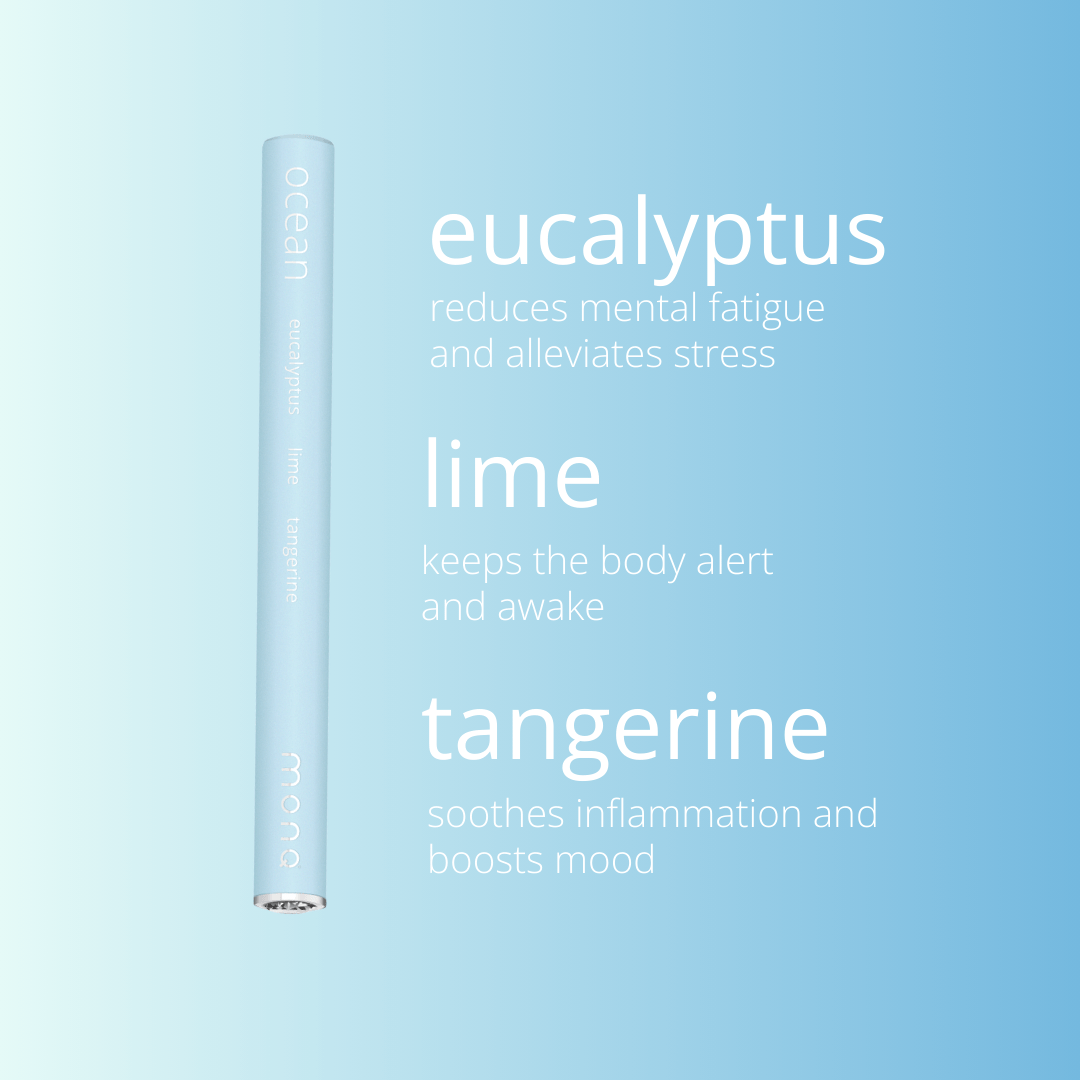
The hallmark of steam rooms and sauna environments, eucalyptus's clean, camphoraceous scent evokes the experience of breathing deeply in a cool, aromatic forest. It is genuinely refreshing, opening, and cleansing - the olfactory equivalent of a deep, intentional breath.
Frankincense
The deep, resinous warmth of frankincense has grounded meditative and healing practices across cultures for thousands of years. In spa settings, it appears frequently in treatments designed for deep relaxation, spiritual renewal, or anti-aging skincare. Its complex, multi-layered scent profile rewards slow, attentive breathing in a way that more immediately obvious scents do not.
Building Your Home Sanctuary
Creating a spa-quality aromatherapy experience at home does not require a significant investment or elaborate setup. The key is intention - creating a consistent sensory environment that signals to your nervous system that this time and this space are for restoration.
Choose Your Signature Blends
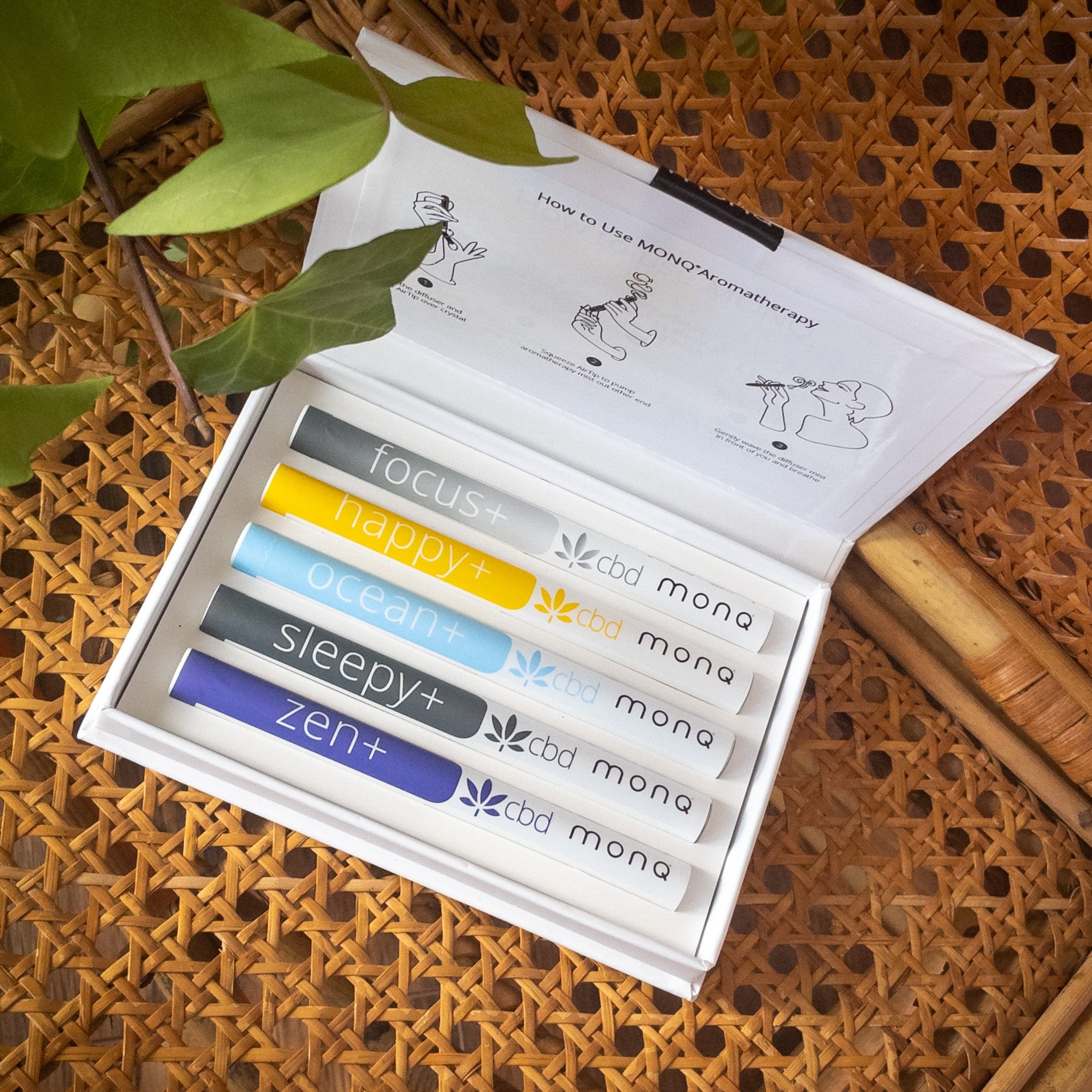
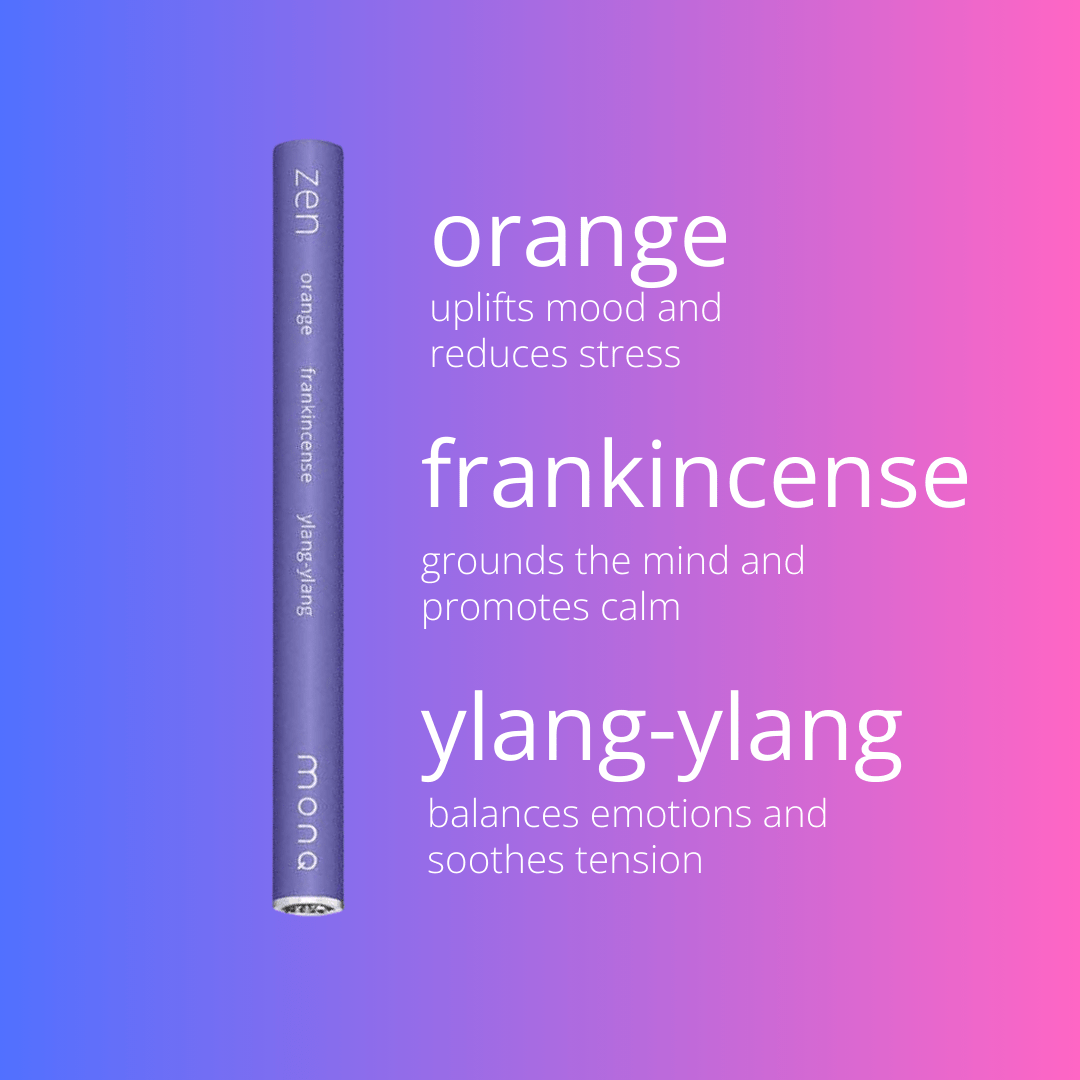
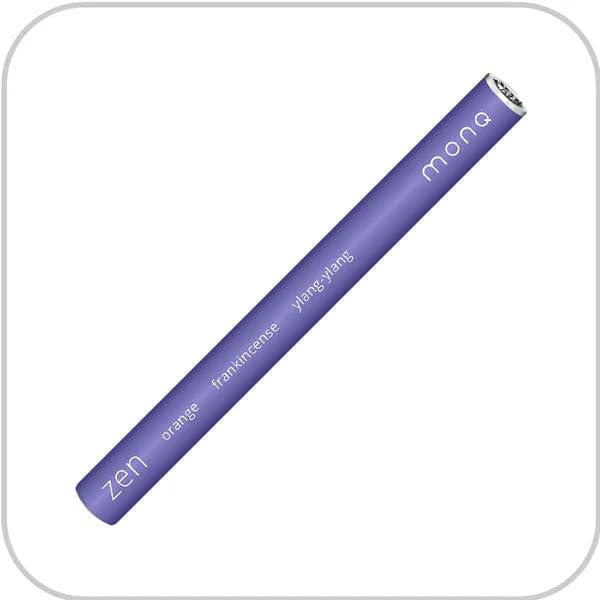
Just as professional spas develop signature scents, you can develop your own home aromatherapy palette. MONQ's personal diffusers make this accessible without requiring any expertise in oil blending or diffuser technology. Zen MONQ, with its frankincense, sweet orange, and ylang-ylang, creates a warmly grounded meditative atmosphere. Peace MONQ, featuring frankincense, rosemary, and yellow mandarin, offers a softer, more luminous quality of calm. Sleepy MONQ, with lavender, chamomile, and bergamot, is purpose-built for the transition toward sleep and deep rest.
Establish Ritual Consistency
The power of aromatherapy deepens with repetition. When you use the same scent in the same context over time, it becomes a conditioned cue - encountering that scent begins to elicit the associated physiological state automatically. A nightly wind-down ritual that consistently incorporates the same calming blend can, over weeks and months, become profoundly effective as a sleep trigger.
Elevate Your Wellness Rituals
Consider where in your day aromatherapy could mark a meaningful transition: the shift from work to personal time, the beginning of a meditation practice, the start of a bath, the moment before a creative project. Each of these transitions is an opportunity to use scent as a deliberate tool for shifting your physiological and emotional state. Happy MONQ, with its warm, uplifting blend of fennel, thyme, and vanilla, is an excellent companion for transitioning into activities that call for lightness and optimism.
Prepare the Environment
Aromatherapy is most effective when it is part of a coherent sensory environment. Dim the lights, silence your phone, put on soft music or nature sounds, change into comfortable clothing - and then introduce your aromatherapy. Each of these elements reinforces the others, and together they create a sensory context that your nervous system learns to associate with restoration.
A Note on Topical Use
Many spa treatments incorporate essential oils topically - in massage blends, bath salts, and skin preparations. If you choose to use essential oils on your skin, it is important to dilute them properly in a carrier oil (such as coconut, jojoba, or sweet almond oil). A 1-2% dilution is generally appropriate for adults - approximately 6-12 drops of essential oil per ounce of carrier oil. Always read application guidelines and consider individual skin sensitivity before trying new oils.
Closing Thoughts
Integrating aromatherapy into your daily routine is an invitation to participate in one of humanity's oldest wellness traditions - and to do so on your own terms, in the comfort of your own home, without the barrier of spa prices or geographic limitations. It invites you to pause, breathe, and align with a more balanced version of yourself. Explore MONQ's full collection at our spa-inspired guide and discover which blends resonate most deeply with the moments you most want to transform.*
Disclaimer: The above information is provided for general wellness and educational purposes only. Please note that while individual essential oil ingredients may have been shown to exhibit certain independent effects when used alone, the specific blends of ingredients contained in MONQ diffusers have not been tested. No specific claims are being made that use of any MONQ diffusers will lead to any of the effects discussed above. Additionally, please note that MONQ diffusers have not been reviewed or approved by the U.S. Food and Drug Administration. MONQ diffusers are not intended to be used in the diagnosis, cure, mitigation, prevention, or treatment of any disease or medical condition. If you have a health condition or concern, please consult a physician or your alternative health care provider prior to using MONQ diffusers. MONQ blends should not be inhaled into the lungs. Why? It works better that way. No Nicotine Ever in MONQ Pens. Inhale through the mouth, exhale through the nose. MONQ Diffusers are not intended for individuals under 18, or women who are pregnant or nursing.










Leave a comment