

The Power of Nasal Breathing: Why Your Nose Knows Best

Take a moment right now and notice how you are breathing. Is it through your nose or your mouth? If you are like most people at rest, your nose is doing the work - and that is exactly how it should be. The nose is a sophisticated, multi-function organ designed specifically for breathing. Understanding why nasal breathing is so essential may shift the way you approach every breath you take.
The Nose Is Built for Breathing
Your nasal passages are not simply air tubes. They are lined with tiny hairs called cilia, coated with a thin layer of mucus that traps particles, allergens, and pathogens before they can reach the lungs. The turbinates - small, bony structures inside the nasal cavity - create turbulence in incoming airflow, giving the air time to be warmed and humidified before it reaches sensitive lung tissue.
This filtration and conditioning system is one of the body's most underappreciated defenses. Breathing through the mouth bypasses it almost entirely, delivering air that is cooler, drier, and less filtered directly to the airways. Over time, chronic mouth breathing may contribute to dryness, irritation, and reduced resilience in the respiratory tract.
Research published through PubMed (NIH) has examined the structural and functional advantages of nasal breathing extensively, consistently highlighting how nasal passages serve as the body's front-line respiratory protection.
Nitric Oxide: The Molecule Your Nose Produces
One of the most compelling reasons to breathe through the nose is a molecule called nitric oxide. The paranasal sinuses continuously produce nitric oxide, a gas that plays several important roles in the body. When you inhale through the nose, nitric oxide is carried into the lungs where it acts as a vasodilator - helping blood vessels relax and widen, which may support healthy circulation and oxygen delivery to tissues.
Nitric oxide also has natural antimicrobial properties. It forms part of the body's innate immune response, helping to neutralize certain pathogens at the point of entry. Mouth breathing delivers essentially no nitric oxide to the lungs - a meaningful difference with every breath.
Slower, Deeper, More Efficient
The nasal passages create natural resistance to airflow, which slows the breathing rate. This sounds counterintuitive, but slower breathing tends to be deeper and more efficient. The diaphragm engages more fully, the lungs have more time to absorb oxygen, and the body reaches a calmer physiological state.
Breathing rate is directly tied to the nervous system. Slow, nasal breathing activates the parasympathetic branch - the "rest and digest" system. Fast, open-mouth breathing tends toward the opposite: shallow, upper-chest breathing that keeps the body in a low-level alert state.
Olfaction: The Nose's Second Superpower
Beyond filtration and nitric oxide, the nose is home to the olfactory epithelium - a small patch of specialized tissue at the top of the nasal cavity packed with millions of chemoreceptors. This is where scent is detected, translated into electrical signals, and sent directly to the limbic system, the brain's emotional and memory center.
No other sense has such a direct pathway. Scent bypasses the thalamus - the brain's relay station - and connects straight to the amygdala and hippocampus. This is why a single smell can instantly trigger a vivid memory or shift your emotional state. The pathway is ancient, fast, and profoundly influential.
MONQ's Method: Intentional Olfactory Practice
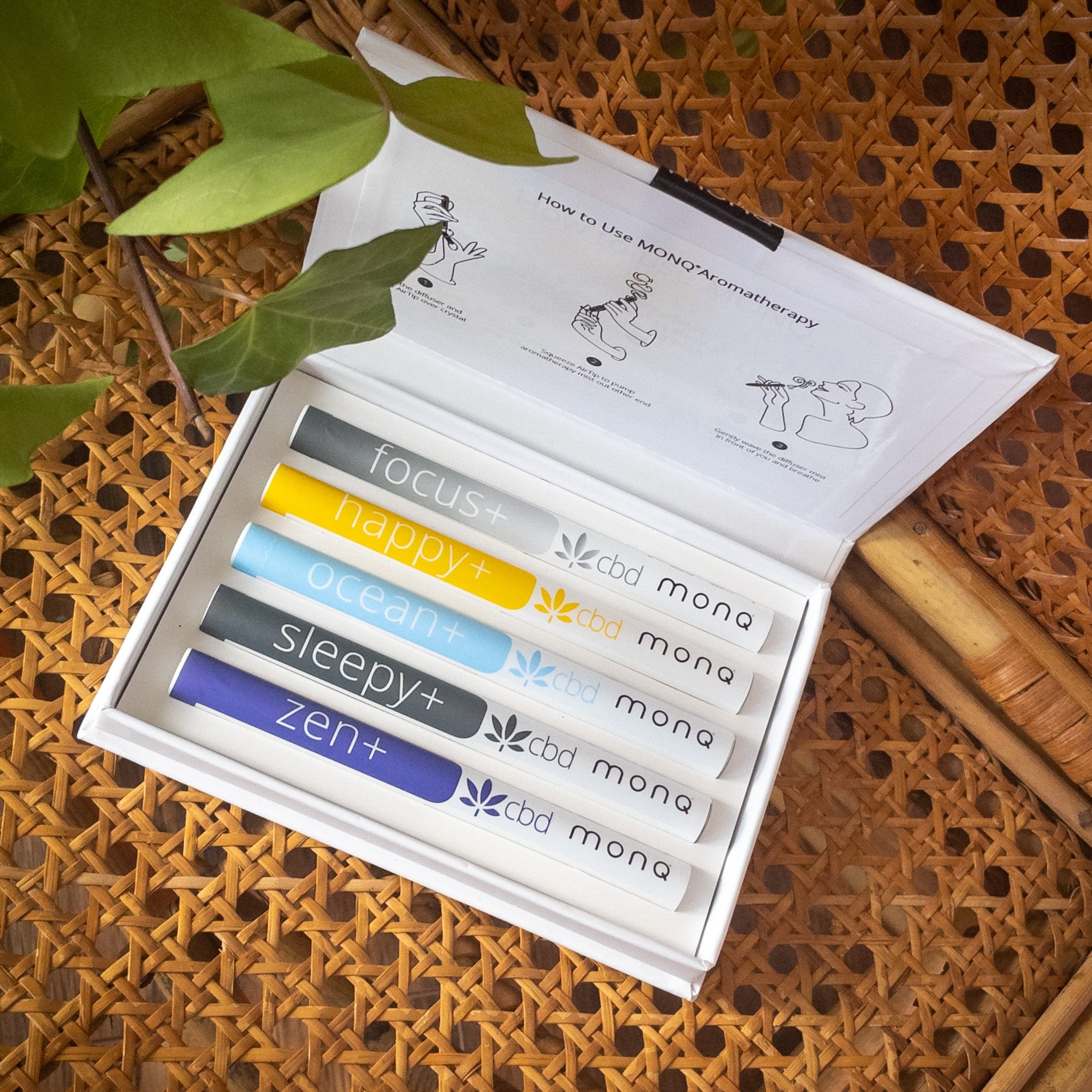
MONQ was designed around this understanding. The signature MONQ method inverts the normal breathing pattern: you inhale gently through the mouth and exhale through the nose. This deliberate reversal ensures that the aromatic mist from MONQ's botanical essential oil blends passes directly through the olfactory epithelium on the exhale, maximizing engagement with scent receptors at the top of the nasal cavity.
This is called retronasal olfaction - scent detected through exhalation rather than inhalation. By breathing out through the nose, you are not just exhaling; you are actively engaging your olfactory system with intention.
Blends like Focus MONQ, with its blend of coffee, ginger, rosemary, and frankincense essential oils, are designed to be experienced this way. The mist is not inhaled into the lungs - it interacts with the olfactory system to create a moment of intentional state-shifting.
Building a Nasal Breathing Practice
- Check in throughout the day. Set a reminder to notice how you are breathing. Lip seal - upper and lower lip gently touching - is the natural resting position for nasal breathing.
- Slow down during tension. When you feel wound up, close the mouth and take five slow nasal breaths. Notice whether the pace of your thoughts changes.
- Breathe nasally during light exercise. Start with walking. Nasal breathing during movement challenges the system productively, building efficiency over time.
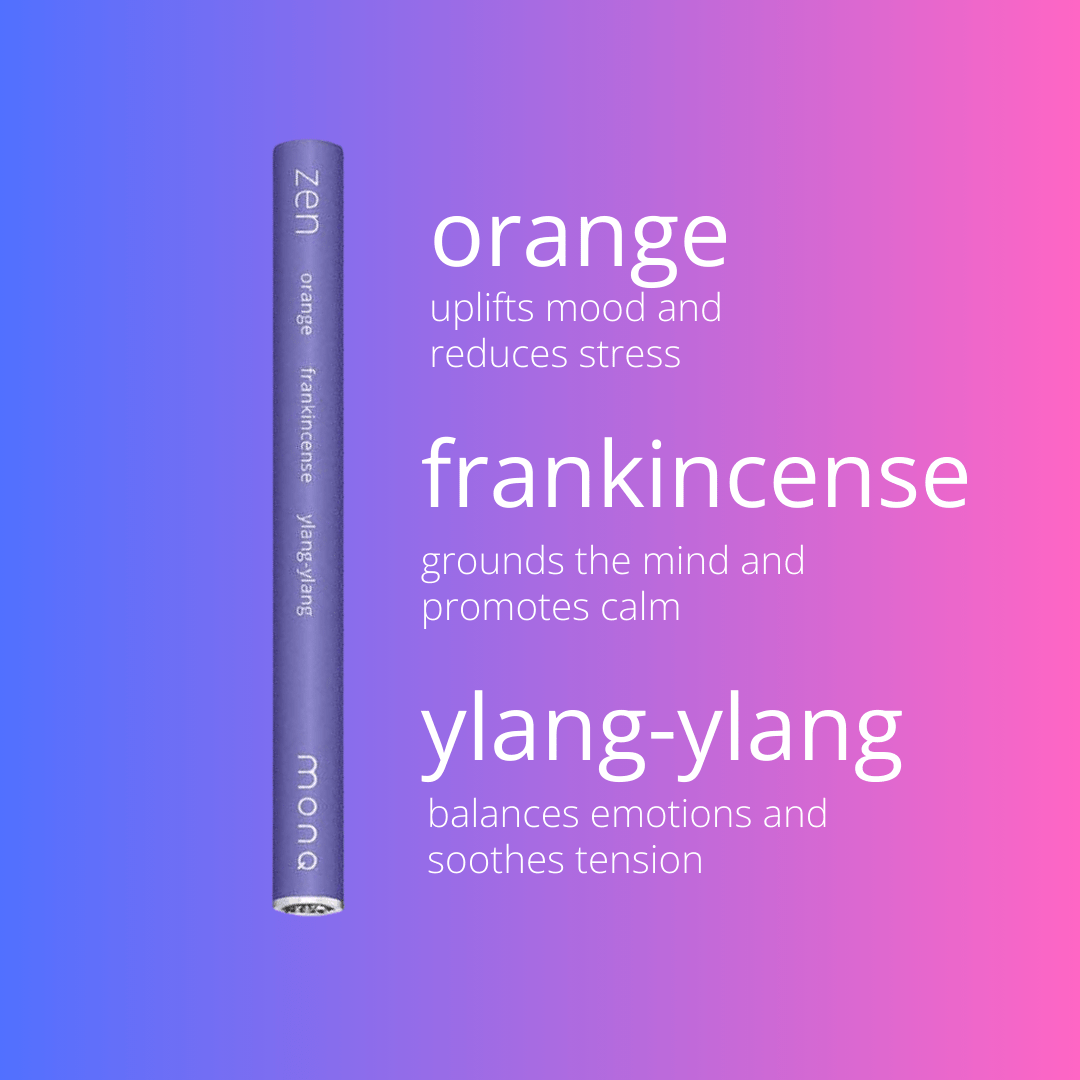
- Create a breathwork ritual. Pair intentional nasal breathing with an aromatic experience - like three slow breaths with Zen MONQ using the mouth-in, nose-out method - to anchor the practice to a sensory cue.
The Breath as Foundation
Every wellness practice - from yoga to meditation to morning routines - ultimately comes back to the breath. The breath is the one autonomic function you can consciously control, making it a unique lever for influencing your internal state at any moment. Nasal breathing is the most fundamental expression of that control. Your nose was built for this. Use it.
Go Deeper
MONQ is designed around the nasal exhale — aromatherapy molecules reach the olfactory receptors through the nose, not the lungs. The retro-nasal pathway is the mechanism. Understanding exactly how to use MONQ unlocks why the nose-out step is the whole point.
How to Use MONQ: The Complete Technique Guide →Disclaimer: The above information is provided for general wellness and educational purposes only. Please note that while individual essential oil ingredients may have been shown to exhibit certain independent effects when used alone, the specific blends of ingredients contained in MONQ diffusers have not been tested. No specific claims are being made that use of any MONQ diffusers will lead to any of the effects discussed above. Additionally, please note that MONQ diffusers have not been reviewed or approved by the U.S. Food and Drug Administration. MONQ diffusers are not intended to be used in the diagnosis, cure, mitigation, prevention, or treatment of any disease or medical condition. If you have a health condition or concern, please consult a physician or your alternative health care provider prior to using MONQ diffusers. MONQ blends should not be inhaled into the lungs. Why? It works better that way. No Nicotine Ever. Inhale through the mouth, exhale through the nose. MONQ Diffusers are not intended for individuals under 18, or women who are pregnant or nursing.










Leave a comment