

Box Breathing: The Four-Count Technique for Calm and Focus

Simple techniques are often the most powerful. Box breathing is four counts in, four counts hold, four counts out, four counts hold - repeated. That is the whole technique. And yet this simple rhythm has been used by military personnel, competitive athletes, surgeons, and meditators worldwide to quickly shift the body from a reactive state into a clear, focused one.
What Is Box Breathing?
Box breathing - also called four-square breathing or tactical breathing - gets its name from the visual of a square: four equal sides, each representing one phase of the breath cycle.
- Inhale through the nose for 4 counts
- Hold the breath for 4 counts
- Exhale steadily for 4 counts
- Hold again for 4 counts
Repeat for 4-8 cycles. The entire practice takes under two minutes. The effect can be felt within the first cycle.
Where It Comes From
Box breathing has roots in ancient yogic pranayama practices, where controlled breath retention (kumbhaka) was a cornerstone of training the mind and body. In those traditions, breath holds were used to develop concentration, expand lung capacity, and deepen meditative states.
In modern contexts, box breathing became widely known through its adoption by U.S. Navy SEALs and special operations communities. The technique was valued for its portability - you can do it anywhere, without equipment, in under two minutes - and for its measurable effect on composure under pressure. It is referenced on platforms like Psychology Today as one of the most evidence-supported breathing techniques for calming the nervous system.
Why It Works: The Vagus Nerve Connection
Box breathing works through its influence on the vagus nerve, the long, branching nerve that runs from the brainstem through the heart, lungs, and gut. The vagus nerve is the primary pathway of the parasympathetic nervous system - the "rest and digest" state that counterbalances the stress response.
When you slow your breathing and introduce deliberate breath holds, you stimulate vagal tone. Higher vagal tone is associated with improved emotional regulation, faster recovery from tension, and better overall well-being. The breath holds create a brief, controlled CO2 buildup that sends calming signals to the brainstem. The counting itself also matters - it engages the prefrontal cortex as a cognitive anchor during moments of high reactivity.
How to Practice Box Breathing
- Sit comfortably with your spine relatively upright. This allows the diaphragm to move freely.
- Close your eyes if the setting allows, or soften your gaze downward.
- Exhale fully to begin - empty the lungs before the first count.
- Inhale through the nose: 1-2-3-4.
- Hold: 1-2-3-4.
- Exhale: 1-2-3-4.
- Hold: 1-2-3-4.
- Repeat 4-6 times, or until you feel settled.
If four counts feels too fast, slow the count down. Some practitioners prefer 5-5-5-5 or 6-6-6-6. Start with four and adjust. The key is equal duration across all four phases.
Common Mistakes to Avoid
The most common issue is tensing the body during breath holds. The hold phase should feel like a gentle pause - not a strain. Shoulders stay down, jaw stays soft, belly stays relatively still. If you feel lightheaded, stop and breathe normally. Dizziness signals you are pushing too hard, too fast. The second common issue is abandoning the practice after one or two rounds. Give it four to six full cycles before assessing.
Pairing with MONQ for an Enhanced Ritual
Ritual conditioning is one of the most powerful ways to accelerate any practice. When you pair a consistent sensory cue - a scent - with a breathing practice, the two become linked over time. The scent alone begins to trigger the calm state, making the whole ritual more accessible under pressure.
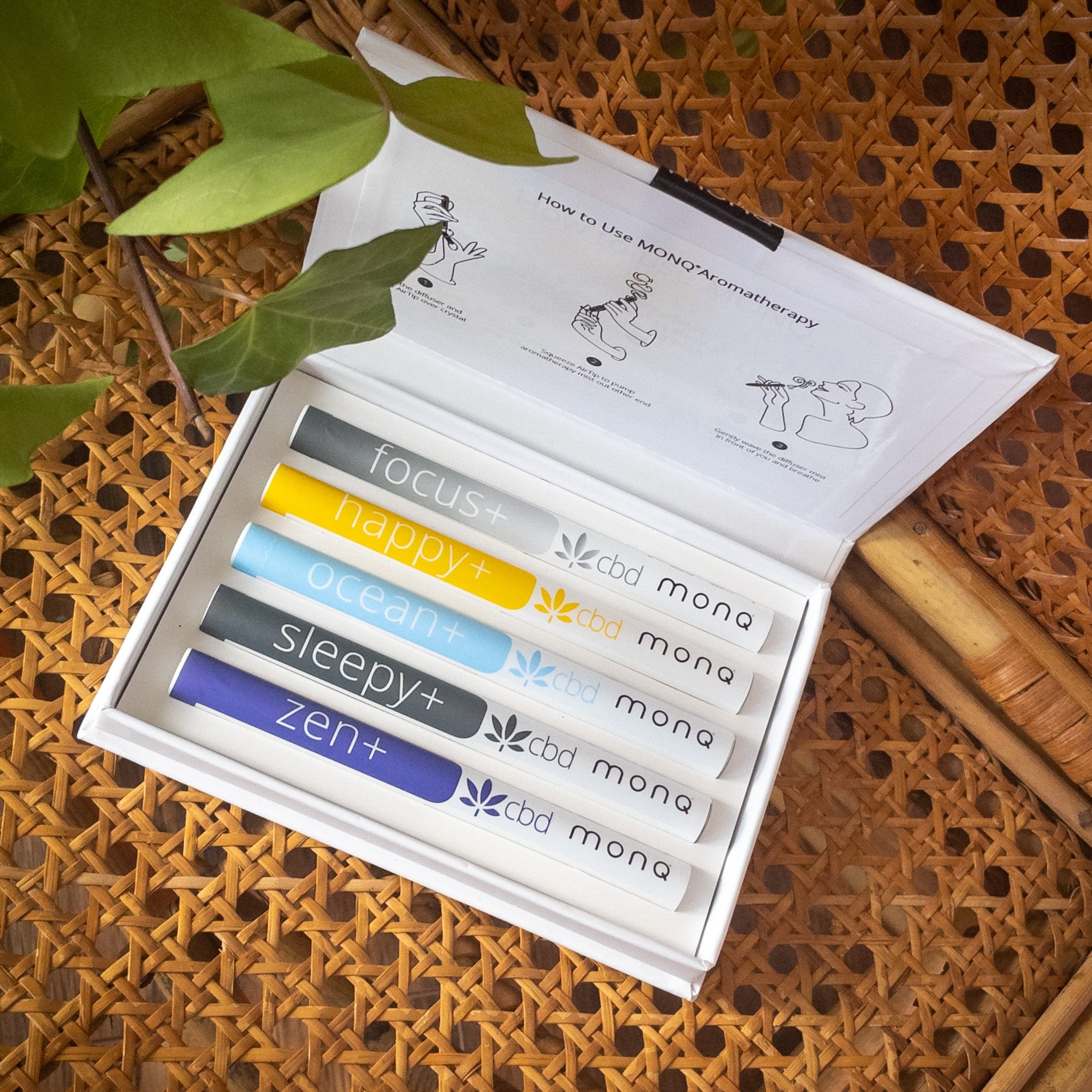
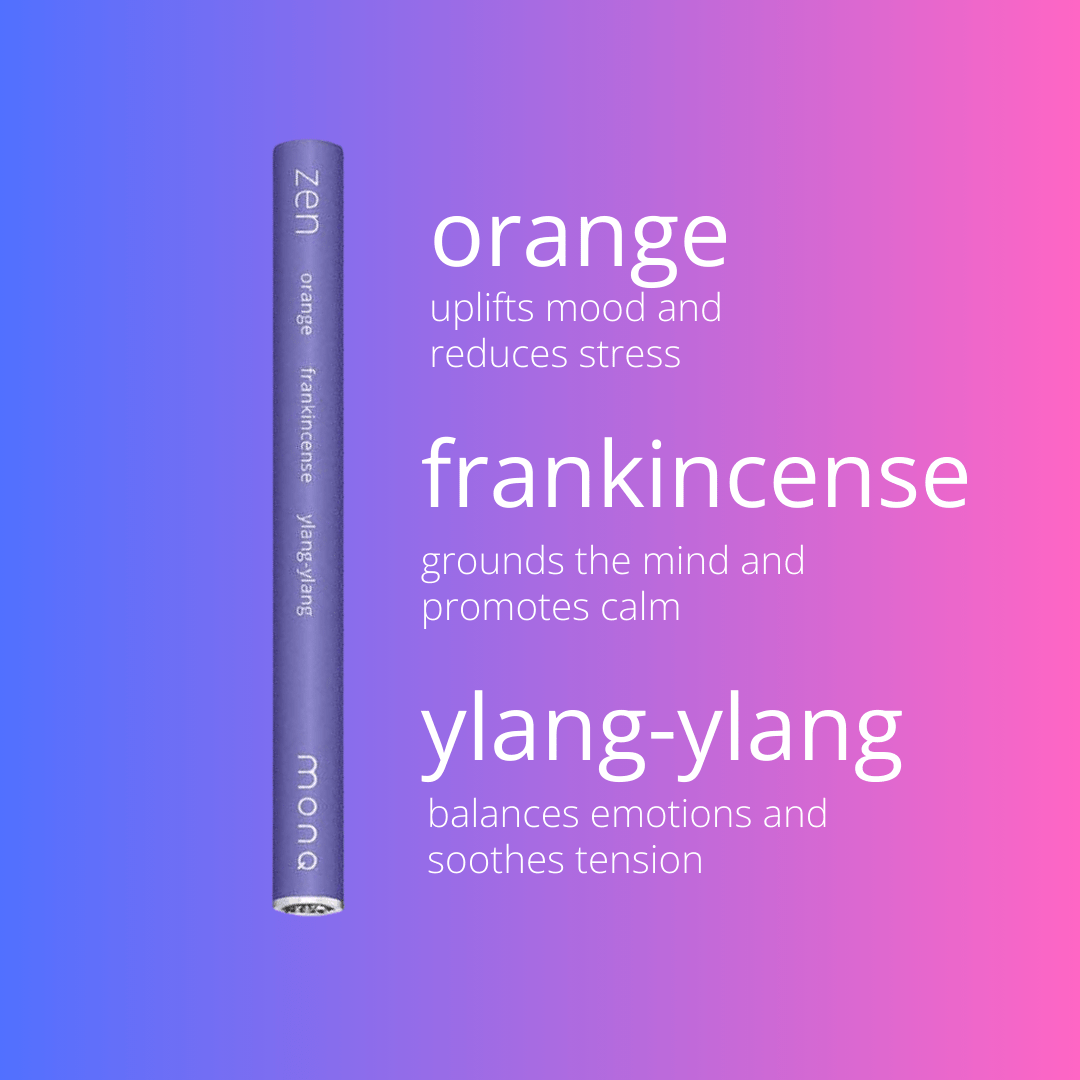
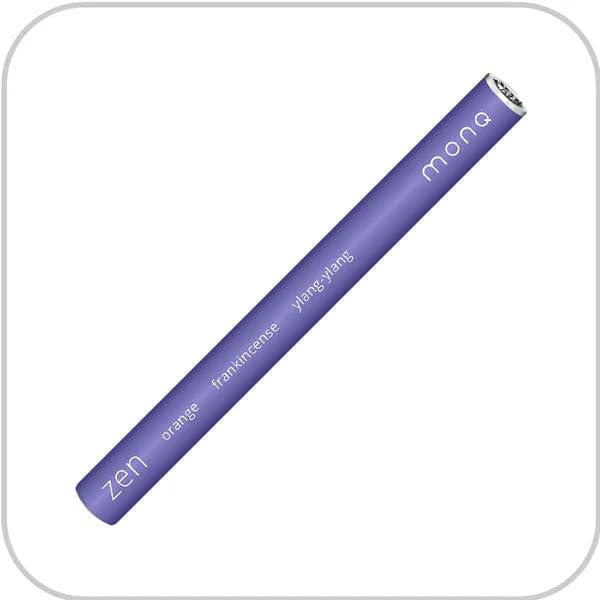
Focus MONQ blends coffee, ginger, rosemary, and frankincense - a grounding, clarifying combination suited for concentration sessions. Alternatively, Zen MONQ - with frankincense, sweet orange, and ylang ylang - suits a more meditative box breathing practice aimed at settling the nervous system.
Begin with three MONQ breaths using the retronasal method (inhale through the mouth, exhale through the nose), then move directly into four to six rounds of box breathing. The scent becomes the entry point for the practice.
When to Use It
- Before a high-stakes conversation or presentation
- During moments of tension when you need to respond instead of react
- At the start of a work session when focus feels scattered
- Before exercise as a warm-up for the nervous system
- During the transition between work and personal time
Box breathing does not require a quiet room or a meditation cushion. It requires four counts, repeated. That accessibility is precisely its power.
Go Deeper
Box breathing works by enforcing a deliberate pause between every inhale and exhale — the same conscious control over the breath that makes MONQ's retro-nasal technique effective. Understanding the exact mouth-to-nose method makes the pairing significantly more intentional.
How to Use MONQ: The Complete Technique Guide →Disclaimer: The above information is provided for general wellness and educational purposes only. Please note that while individual essential oil ingredients may have been shown to exhibit certain independent effects when used alone, the specific blends of ingredients contained in MONQ diffusers have not been tested. No specific claims are being made that use of any MONQ diffusers will lead to any of the effects discussed above. Additionally, please note that MONQ diffusers have not been reviewed or approved by the U.S. Food and Drug Administration. MONQ diffusers are not intended to be used in the diagnosis, cure, mitigation, prevention, or treatment of any disease or medical condition. If you have a health condition or concern, please consult a physician or your alternative health care provider prior to using MONQ diffusers. MONQ blends should not be inhaled into the lungs. Why? It works better that way. No Nicotine Ever. Inhale through the mouth, exhale through the nose. MONQ Diffusers are not intended for individuals under 18, or women who are pregnant or nursing.










Leave a comment