Eucalyptol Benefits
If you have ever taken a deep breath of cool, crisp forest air and felt an immediate sense of mental clarity wash over you, you have experienced something close to the effect of eucalyptol. This remarkable naturally occurring compound is one of the most studied aromatic molecules in botanical science, and it plays a central role in many wellness-focused aromatherapy products, including several MONQ blends.
Understanding eucalyptol helps explain why certain essential oil combinations feel so invigorating, grounding, and clarifying. Here is a closer look at what eucalyptol is, where it comes from, and why it has earned its place as a cornerstone ingredient in modern aromatherapy.
What Is Eucalyptol?
Eucalyptol, also known by its scientific name 1,8-cineole, is a naturally occurring organic compound classified as a cyclic ether and a monoterpenoid. It is produced by a wide variety of plants and is one of the primary components of eucalyptus essential oil, which is where it gets its common name.
In chemistry terms, eucalyptol has a distinctive molecular structure that gives it a sharp, clean, slightly camphoraceous scent profile. It is colorless, has a cooling sensation on contact, and is highly aromatic even in very small concentrations. These properties make it both identifiable by scent and effective as an aromatic ingredient.
Despite being named after eucalyptus, eucalyptol is found in more than 200 plant species worldwide. It is a significant component of rosemary essential oil, tea tree oil, bay leaf, sweet basil, sage, and even some cannabis varieties. This wide botanical distribution is part of what makes eucalyptol such a fascinating subject for aromatherapy researchers and enthusiasts alike.
Where Does Eucalyptol Come From?
The most commercially important source of eucalyptol is the eucalyptus tree, particularly Eucalyptus globulus, commonly known as the blue gum eucalyptus. Native to Australia, this fast-growing tree produces leaves rich in essential oils, and eucalyptol can make up 70 to 85 percent of that essential oil by volume.
Steam distillation is the traditional extraction method. The leaves are harvested, placed in a distillation chamber, and exposed to steam. The heat causes the plant cells to release their volatile aromatic compounds, which travel with the steam, condense in a cooling chamber, and are then separated from the water. What remains is a concentrated essential oil rich in eucalyptol.
Other notable plant sources include rosemary, which typically contains 35 to 45 percent eucalyptol in its essential oil, and cardamom, where eucalyptol contributes to that spice's complex aromatic profile. Bay laurel, mugwort, and various species of salvia also contribute eucalyptol to the world's aromatic botanical supply.
The Aromatic Profile: What Eucalyptol Smells Like
Eucalyptol has a scent that is widely described as clean, medicinal, fresh, and slightly minty with a cool, camphor-like quality. It is one of those aromas that people often recognize before they can name it - the sharp, clarifying quality in a forest walk, or the cool freshness of certain herbal preparations.
In aromatherapy, eucalyptol's scent profile makes it an ideal complement to other botanical ingredients. It pairs well with pine and fir (adding depth to forest-inspired blends), with citrus notes (where it adds a fresh counterpoint to brightness), and with earthy, grounding ingredients like patchouli or sandalwood (where its clean quality provides balance).
Eucalyptol in Aromatherapy: Breathing, Clarity, and Wellness
Eucalyptol has a long tradition of use in wellness practices across many cultures. Indigenous Australians used eucalyptus leaves for thousands of years before Western science began formally studying the plant's properties. European colonizers adopted eucalyptus preparations in the nineteenth century, and by the twentieth century, eucalyptol had become one of the most widely used aromatic compounds in wellness products worldwide.
In aromatherapy, eucalyptol is most commonly associated with respiratory wellness. When diffused, its molecules interact with olfactory receptors in the nose, and the cooling sensation it produces is often described as making each breath feel cleaner and more expansive. Many practitioners use eucalyptol-rich blends during breathing exercises, meditation, and yoga to help create a sense of openness.
Mental clarity is another area where eucalyptol-containing blends are traditionally valued. The crisp, invigorating quality of eucalyptol's scent profile may support alertness and focus. This is why eucalyptol-rich oils like rosemary are commonly incorporated into study and workspace aromatherapy practices.
Grounding is a third traditional application. While eucalyptol's top notes are sharp and clarifying, its overall effect in a balanced blend tends to be centering rather than stimulating. When combined with earthy or woody botanical ingredients, it helps anchor the aromatic experience while keeping the mind present and clear.
How MONQ Uses Eucalyptol
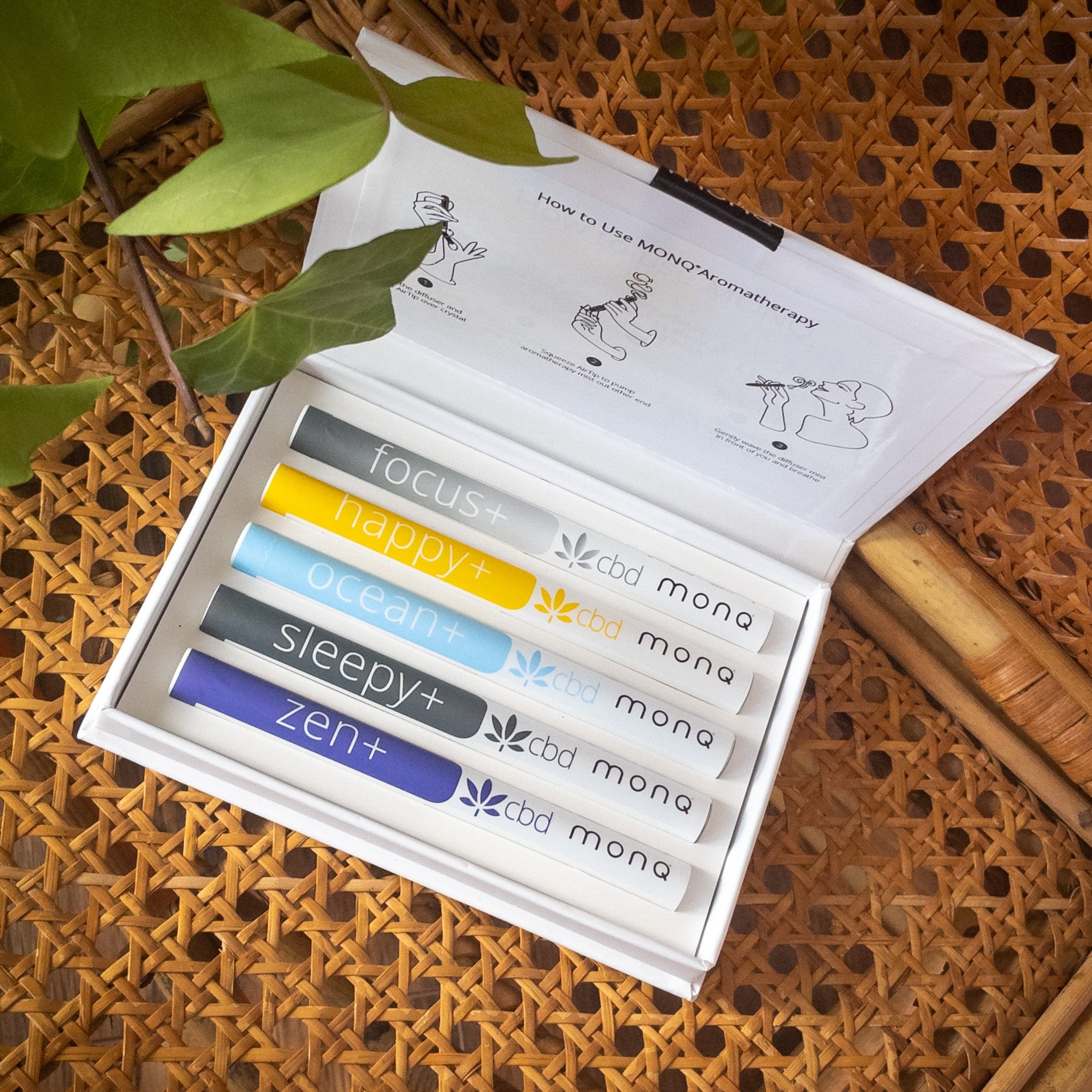
MONQ blends are crafted from premium essential oils and botanical compounds, and eucalyptol-containing oils play an important role in several of our most popular formulations.
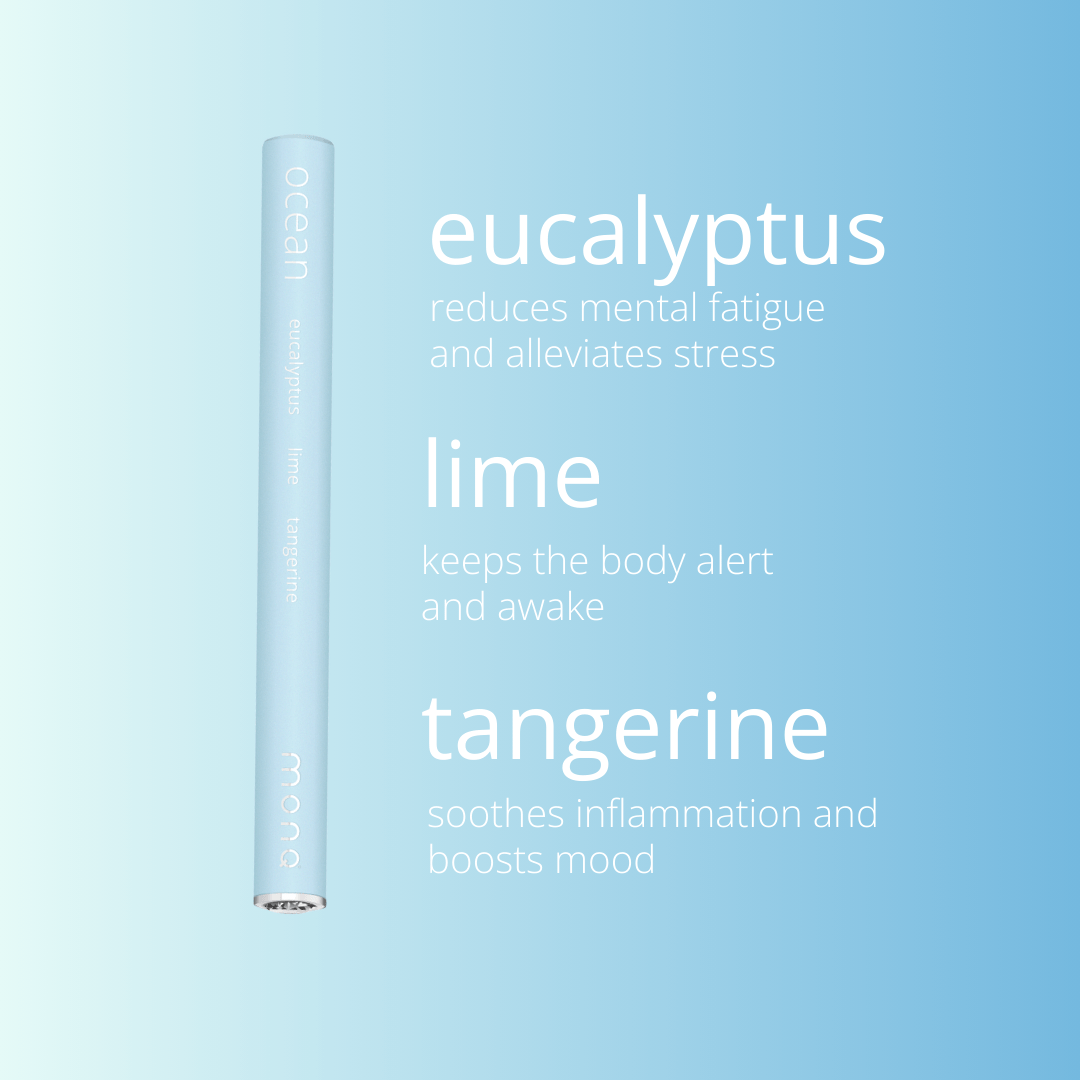
The Ocean MONQ blend captures the fresh, expansive quality of sea air in part through eucalyptol-rich botanical ingredients. The crisp, clarifying notes you experience with Ocean MONQ are a direct reflection of how well eucalyptol translates the feeling of open, clean air into an aromatherapy experience.
Similarly, the Forest MONQ blend uses eucalyptol alongside pine and earthy botanicals to recreate the grounding, invigorating quality of walking through an old-growth forest. The eucalyptol component contributes that distinctive freshness that makes Forest MONQ feel authentic and immersive.
MONQ's approach to using eucalyptol reflects the brand's broader philosophy: source high-quality botanical ingredients, combine them thoughtfully according to traditional aromatherapy principles, and deliver the aromatic experience in a convenient, portable format.
Quality and Safety Considerations
As with all botanical compounds, quality sourcing and appropriate concentration matter when working with eucalyptol. MONQ uses eucalyptol as a component of carefully formulated essential oil blends, following established aromatherapy best practices for concentrations and combinations.
Eucalyptol is generally well regarded for external and aromatic use. It is a component of many FDA-approved over-the-counter products and is included in the GRAS (Generally Recognized As Safe) list for certain applications. However, as with any aromatic botanical product, individual sensitivities vary, and MONQ always recommends listening to your body's response.
Bringing Eucalyptol Into Your Wellness Practice
Whether you are drawn to eucalyptol for its clarifying properties, its connection to the natural world, or simply because you love the way it smells, incorporating it into your aromatherapy practice is straightforward with MONQ.
Explore Ocean MONQ for that fresh, expansive coastal feeling, or try Forest MONQ for a grounding, woodland-inspired experience where eucalyptol works alongside pine and earthy botanicals to transport you somewhere quiet and green.
Aromatherapy is at its best when it connects you to the natural world in a meaningful way. Eucalyptol, with its deep roots in botanical tradition and its unmistakably fresh, clarifying presence, is one of the compounds that makes that connection feel real.
Disclaimer: The above information is provided for general wellness and educational purposes only. Please note that while individual essential oil ingredients may have been shown to exhibit certain independent effects when used alone, the specific blends of ingredients contained in MONQ diffusers have not been tested. No specific claims are being made that use of any MONQ diffusers will lead to any of the effects discussed above. Additionally, please note that MONQ diffusers have not been reviewed or approved by the U.S. Food and Drug Administration. MONQ diffusers are not intended to be used in the diagnosis, cure, mitigation, prevention, or treatment of any disease or medical condition. If you have a health condition or concern, please consult a physician or your alternative health care provider prior to using MONQ diffusers. MONQ blends should not be inhaled into the lungs. Why? It works better that way. No Nicotine Ever. Inhale through the mouth, exhale through the nose. MONQ Diffusers are not intended for individuals under 18, or women who are pregnant or nursing.