Citronellol Terpene

What Is Citronellol?
Citronellol is a naturally occurring monoterpenol - a class of aromatic alcohol - found abundantly in rose, geranium, lemon eucalyptus, and citronella essential oils. Its chemical formula is C10H20O, and it exists in two optical isomers: (-)-citronellol (found predominantly in rose and geranium) and (+)-citronellol (found in citronella grass). In aromatherapy, citronellol is recognized as one of the most important naturally occurring fragrance compounds in the plant kingdom.
Aroma Profile
Citronellol has a distinctive floral-rosy scent with subtle citrus and green undertones. It is simultaneously fresh and soft - less sharp than linalool, more floral than geraniol. Perfumers and aromatherapists prize it as a heart note that bridges the gap between citrus brightness and floral depth, providing a sense of softness and balance to complex blends.
Natural Sources of Citronellol
Citronellol occurs in measurable concentrations across dozens of botanical species:
- Rose (Rosa damascena) - one of the richest natural sources, with citronellol comprising up to 40% of rose otto's composition
- Geranium (Pelargonium graveolens) - a key constituent contributing to geranium oil's characteristic rosy-herbal scent
- Citronella (Cymbopogon nardus) - the oil's namesake compound, present in significant quantities
- Lemon eucalyptus (Eucalyptus citriodora) - a major constituent alongside related compounds
- Neroli and petitgrain - present in smaller concentrations, contributing to their soft floral character
Citronellol in Aromatherapy Practice
In aromatherapy, essential oils rich in citronellol are traditionally associated with calming and balancing properties. The compound's rosy, gentle character makes it a natural fit for blends designed to:
- Ease mental tension and promote a sense of calm
- Support emotional balance during times of stress
- Create a soft, romantic, uplifting aromatic environment
- Complement and soften more assertive essential oil components
Citronellol and the Olfactory System
Like all volatile aromatic molecules, citronellol interacts with the olfactory receptors in the nasal epithelium when inhaled. The olfactory system is uniquely connected to the limbic region of the brain - the area associated with emotion and memory - which is why floral aromas like those rich in citronellol can trigger immediate emotional responses. MONQ's mouth-to-nose inhalation method is specifically designed to maximize this olfactory pathway, delivering botanical mist through the mouth and releasing it through the nose for the most direct aromatic experience possible.
Citronellol in MONQ Blends
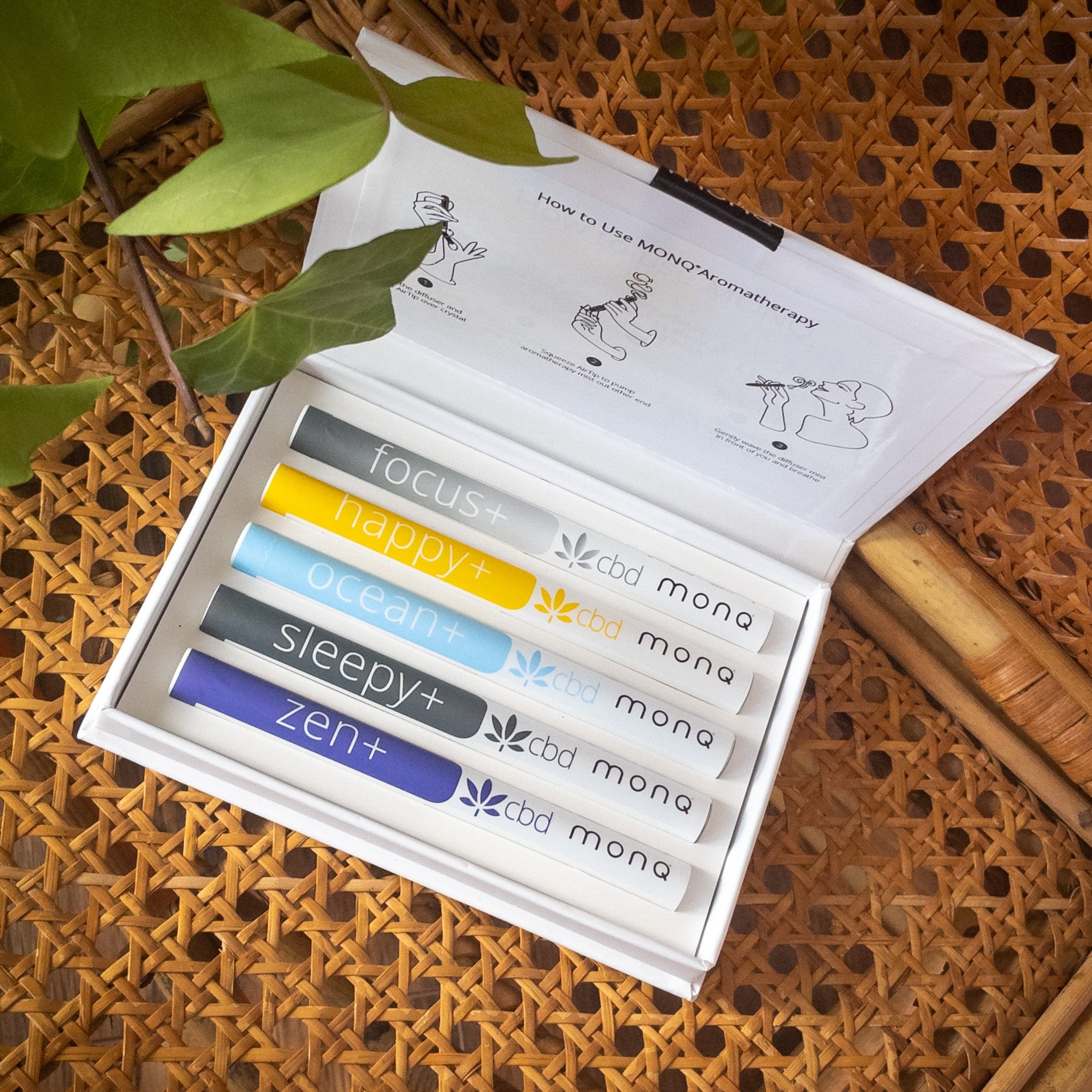
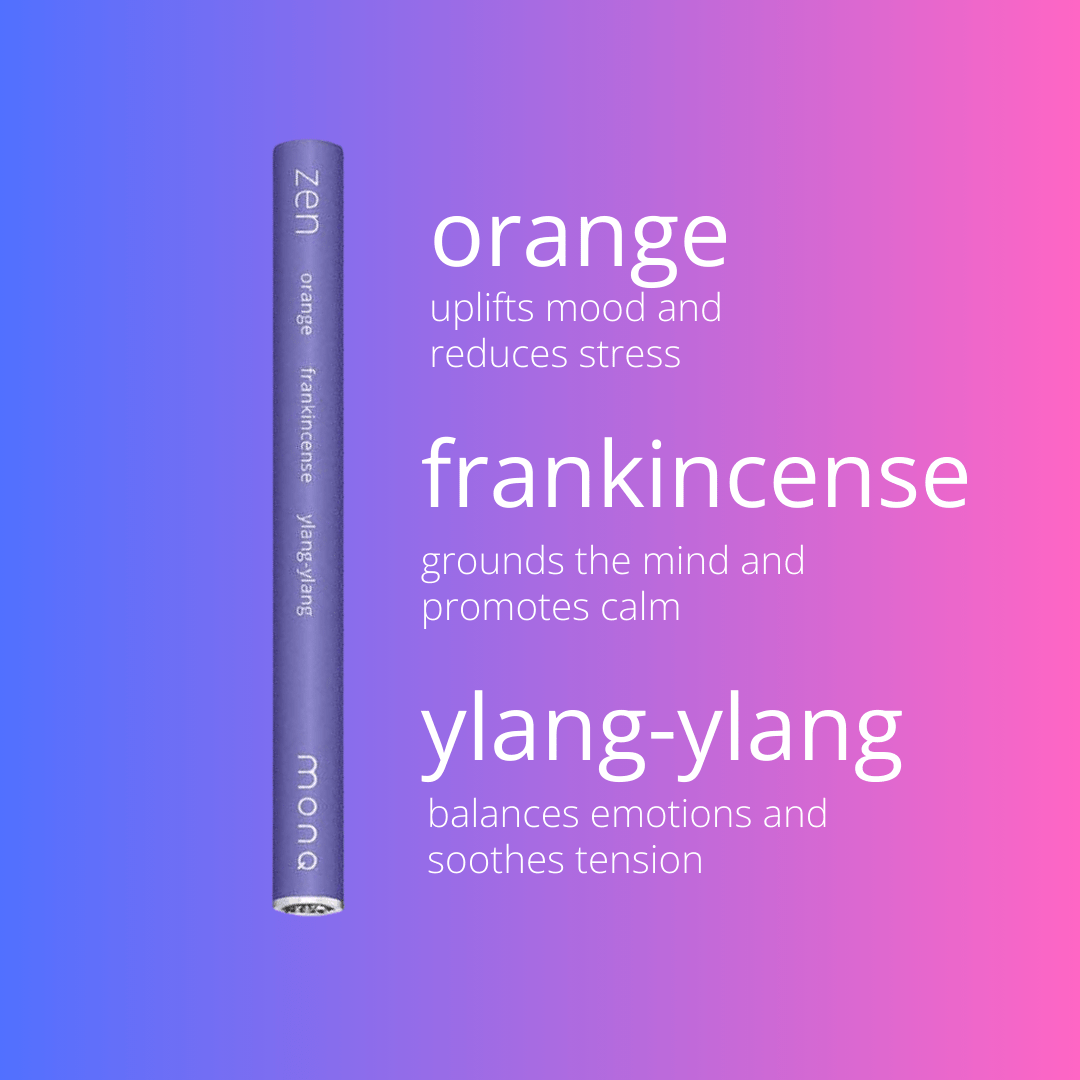
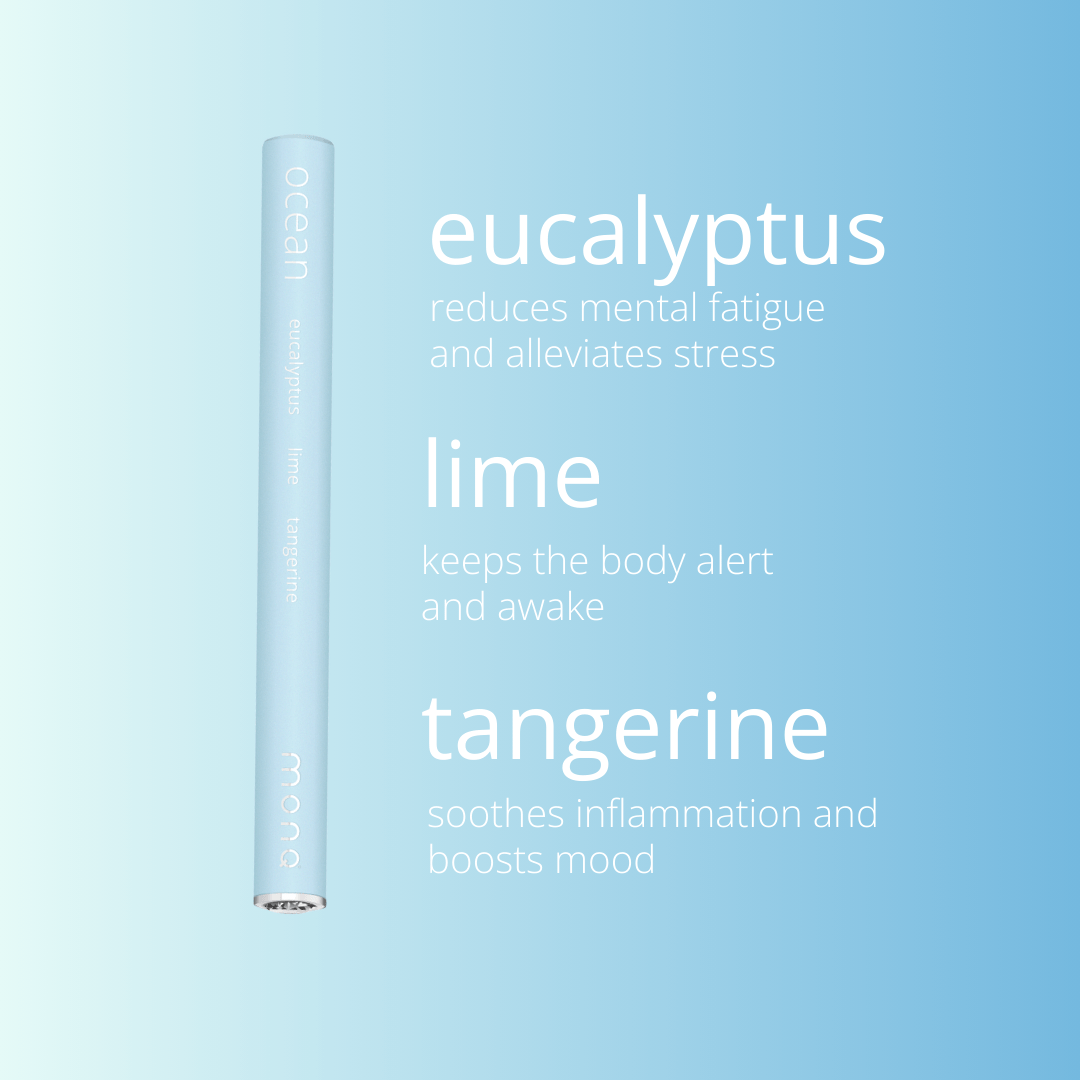
MONQ incorporates citronellol-rich botanicals such as rose and geranium essential oils across several of its personal aromatherapy blends. These ingredients contribute their characteristic soft, floral depth to create balanced, emotionally resonant aromatic profiles.
To learn more about the full botanical profile of geranium - the plant that serves as one of citronellol's richest natural sources - read our in-depth guide to the geranium plant, covering its botanical classification, cultivation regions, and role in essential oil production.
These statements have not been evaluated by the Food and Drug Administration. This product is not intended to diagnose, treat, cure, or prevent any disease.Disclaimer: The above information is provided for general wellness and educational purposes only. Please note that while individual essential oil ingredients may have been shown to exhibit certain independent effects when used alone, the specific blends of ingredients contained in MONQ diffusers have not been tested. No specific claims are being made that use of any MONQ diffusers will lead to any of the effects discussed above. Additionally, please note that MONQ diffusers have not been reviewed or approved by the U.S. Food and Drug Administration. MONQ diffusers are not intended to be used in the diagnosis, cure, mitigation, prevention, or treatment of any disease or medical condition. If you have a health condition or concern, please consult a physician or your alternative health care provider prior to using MONQ diffusers. MONQ blends should not be inhaled into the lungs. Why? It works better that way. No Nicotine Ever. Inhale through the mouth, exhale through the nose. MONQ Diffusers are not intended for individuals under 18, or women who are pregnant or nursing.