

How to Unwind After Work: A Simple Routine for the Hours That Are Yours
You close your laptop, put down your bag, or clock out. Then, while you are deciding what to make for dinner, you remember the message you did not answer.
The workday has an ending on the calendar. Your attention may take a little longer to follow.
If you are wondering how to unwind after work, start with a small sequence: write down where you will pick up tomorrow, put work materials away, and choose one thing that marks the beginning of your personal time. A change of clothes, a familiar song, or a few quiet minutes can be enough to begin.
The routine below offers a place to start. Adapt it to your schedule, including days when “after work” happens in the morning or leads straight into another responsibility.
Give unfinished work somewhere to wait
Before you leave, write a short note about the work that remains. Make it specific enough that tomorrow’s first action is obvious.
For example: “At 9:30 tomorrow, open the proposal and revise the pricing section before sending it to Maya.” That gives you more to return to than “finish proposal.”
There is research behind this idea. In a study following 103 employees, unfinished work goals were harder to mentally leave behind than completed ones. A planning intervention improved detachment among employees who typically found switching off difficult. The plans specified where, when, and how unfinished goals would be addressed. Read the study on planning and leaving work at work.
Try three lines:
- What needs another look?
- What is the next concrete action?
- When will I return to it?
Choose one or two tasks. A closing note should be short enough that writing it does not become a second work session.
Create a visible change of scene
A commute provides a change of location, but working from home may mean moving only a few feet from your desk. Give that transition something you can see or do.
Close the work tabs. Put the laptop in its bag. Move your notebook off the kitchen table. If you have a separate office, close the door; if you do not, clear one small area for whatever comes next.
You could also change out of work clothes, take a short walk, or start a particular playlist. Choose an action that fits the home you actually live in. You do not need a dedicated room or an uninterrupted hour.
If your job requires evening availability, work within that reality. A planned check-in or agreed way to handle urgent messages may be more workable than an absolute phone ban.
Choose one personal touch
What would make the next few minutes enjoyable? Be concrete.
Perhaps you want to hear a whole song without answering a message. Perhaps you would rather sit by the window with a drink, chop ingredients for dinner, or change into your favorite sweatshirt.
Choose one detail you like: the sound, texture, flavor, or aroma. You can build a wind-down routine around ordinary things you already own.
Scent is optional. If you enjoy it, you might notice the aroma of the tea you are preparing or the citrus you are cutting for dinner. If you prefer a fragrance-free space, music or a tactile detail can serve as your personal marker instead. In a shared home, make that choice with the people around you in mind.
A five-minute after-work wind-down routine
Here is one way to put the pieces together. Five minutes is a convenient starting point, not a research-established duration or a deadline for feeling different.
- Minute one: leave a note. Write tomorrow’s next action and when you plan to tackle it.
- Minute two: close the workspace. Put away one visible reminder of work.
- Minute three: change something. Change clothes, move to another seat, or step outside if convenient.
- Minute four: enjoy one detail. Listen to your song, make your drink, or sit somewhere you like.
- Minute five: choose what comes next. Decide on dinner, a conversation, a walk, a hobby, or simply a little unplanned time.
On a crowded day, reduce the sequence to a closing note and one song. On a spacious day, let it lead into something longer. The routine should leave room for your life.
Make it recognizable before making it elaborate
Choose a starting point you already encounter: arriving home, putting down your keys, or closing your last work application. Then attach your first small action to it.
Research on everyday habit formation followed people repeating a chosen behavior in a consistent context. The behavior generally became more automatic with repetition, although the time involved varied substantially. Missing one opportunity did not materially disrupt the process in that study. Read the habit-formation research.
A practical application is to keep your starting cue familiar. “After I put my work bag away, I change clothes and play one song” is easier to picture than “I should have a better evening routine.”
Try it across several workdays, then notice what you actually use. Keep the parts you look forward to and simplify anything that feels cumbersome.
Where MONQ can fit
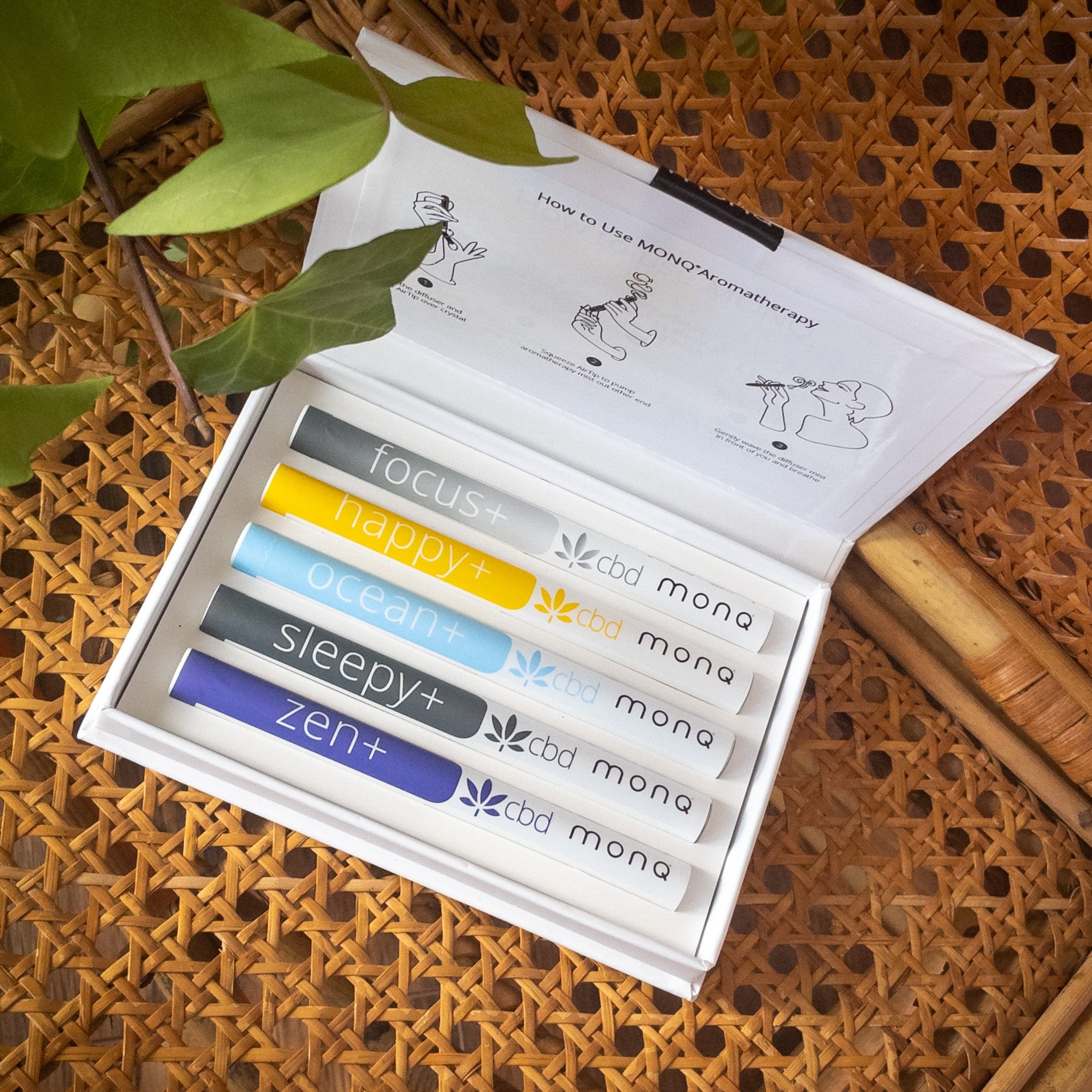
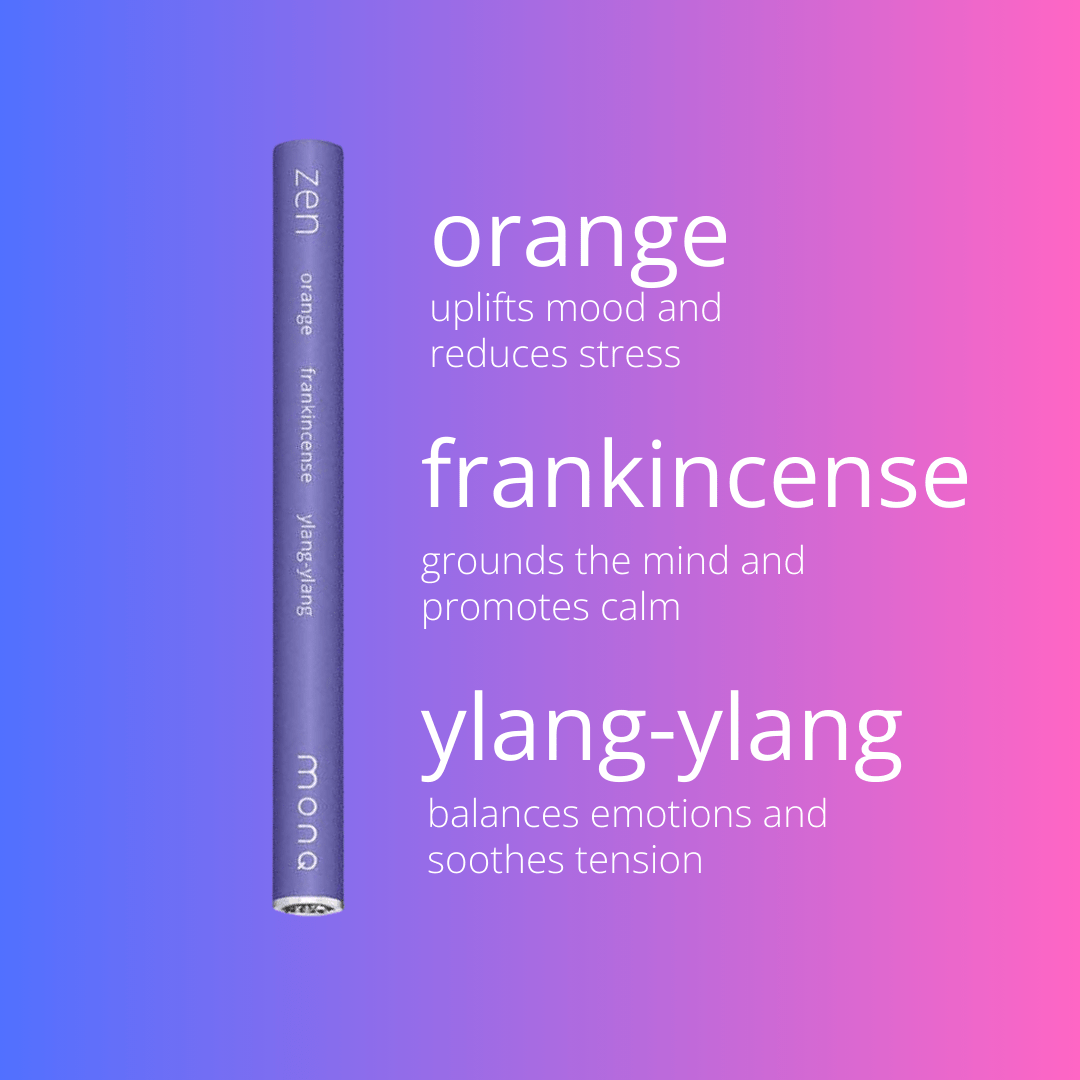
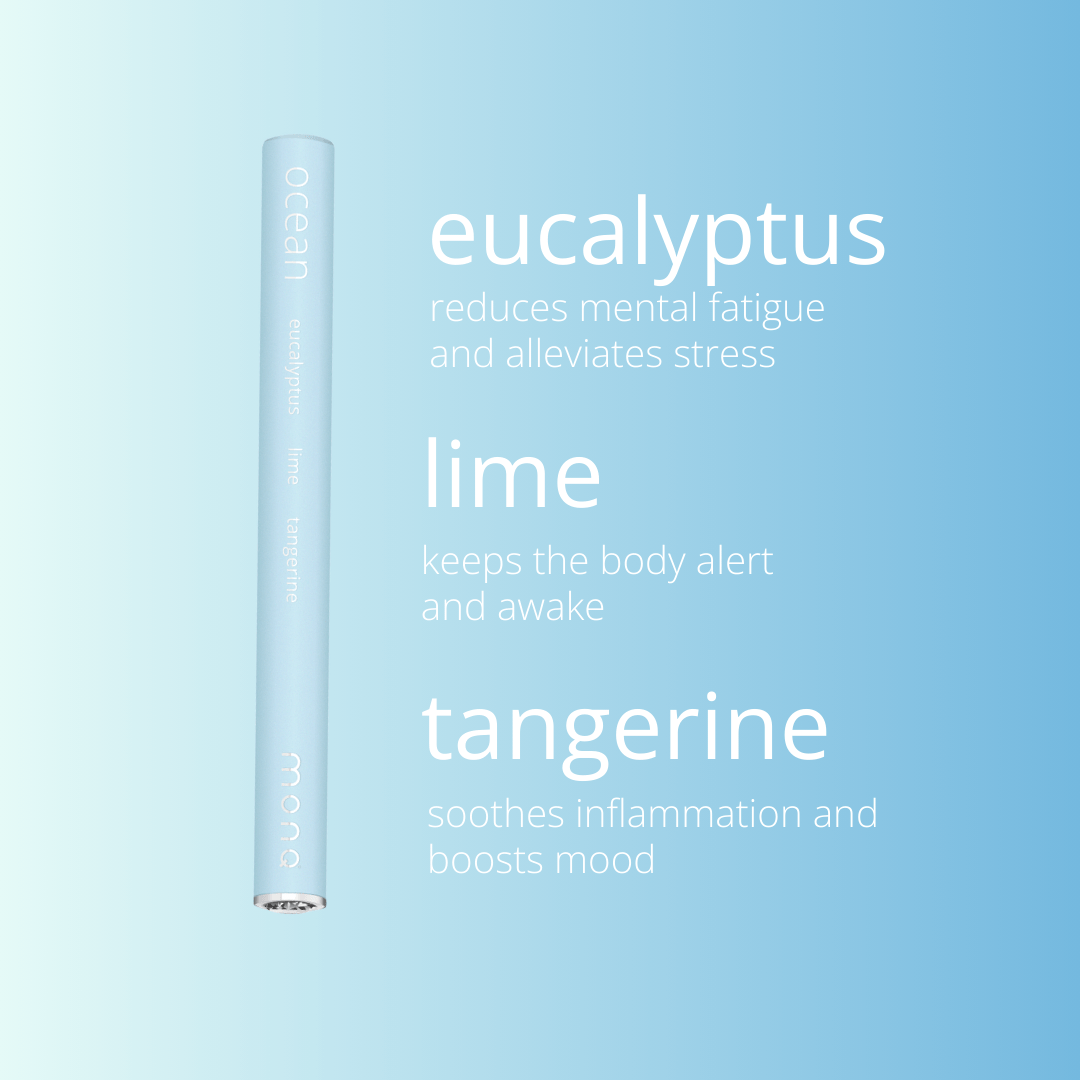
For adults who enjoy personal aromatherapy, a MONQ diffuser can be an optional part of this moment. Choose according to your aroma preferences and review the ingredients of the blend you are considering.
Explore MONQ’s Original aromatherapy blends if you would like a personal scent option for your routine. Before use, read the MONQ usage instructions and MONQ safety and usage guidance, including who should not use the products. Do not inhale the mist into your lungs.
Its role here is an optional aromatic experience. The research cited in this article did not test MONQ or establish that a diffuser helps people switch off from work.
Begin with tonight
Before you finish work today, leave yourself one useful note. Then choose one small thing you would like to do afterward.
You may still remember an unfinished task while making dinner. You may have an evening full of errands. A workable routine allows for both.
Give the next part of your day an intentional beginning, and let it take its own shape.
Want to go deeper?
Explore the full science behind aromatherapy and sleep in our comprehensive guide: Aromatherapy for Sleep: A Wellness Guide →
Research references
- Smit, B. W. (2016). Successfully leaving work at work: The self-regulatory underpinnings of psychological detachment. Journal of Occupational and Organizational Psychology, 89, 493–514. First published online in 2015.
- Lally, P., van Jaarsveld, C. H. M., Potts, H. W. W., & Wardle, J. (2010). How are habits formed: Modelling habit formation in the real world. European Journal of Social Psychology, 40, 998–1009. First published online in 2009.










Leave a comment