

The Complete Guide to Essential Oils
Essential oils are the backbone of any modern aromatherapy treatment. They are compounds extracted from plants with unique aromatic qualities that have been used around the world for thousands of years for a variety of different purposes. Essential oils may be used for wellness reasons, as a form of art, during social gatherings, in perfumes and beauty products, or in cleaning products.
In some of those cases, essential oils are used primarily for their aromatic qualities, but in some uses, it is the chemical composition of the oil and its effects on the body that is most important.
Essential Oils vs. Synthetic Fragrances
Most individuals encounter essential oils on a daily basis even if they don't know it. Essential oils are often found in everyday items like kitchen sprays, soaps, and candles. However, some of these products are made from pure essential oils while others are composed of synthetic fragrances created to mimic the scents of essential oils.
So, if a synthetic fragrance oil can produce the same scent as an essential oil, then what's the difference between them? It all has to do with the chemical compounds found in the oils.
Specific plants produce a number of unique chemicals known as secondary metabolites. Among these metabolites are terpenes, phenolics, and alkaloids. Terpenes are the largest category of secondary metabolites and are the most abundant chemicals found in pure essential oils. They are also responsible for the aromatic qualities of the oils.
All of these metabolites perform specific functions for the plant. They may attract a certain pollinator or ward off a particular predator. Their effect on humans, however, is very different and often associated with a wide range of aromatic benefits.
Essential oils extracted from plants contain a combination of these terpenes, which can have various beneficial effects on humans depending on the quantity, mixture, and the way the compounds are absorbed by the body.
This is why when you breathe in the scent of a candle that was manufactured using lavender essential oil, you may feel relaxed and calm, yet you will not experience that same reaction with a synthetic lavender fragrance.
To make matters worse, some synthetic fragrances may contain chemicals that are harmful to the body. For example, synthetic styrene has been a common ingredient in synthetic fragrance products for decades but has recently been identified as a known carcinogen.
In truth, synthetic fragrances are a relatively new invention. Humans have traditionally relied on essential oils for their aromatic needs.

Herbal Medicine in the Ancient World
Essential oil history is tied very closely to the history of herbal medicine. For example, specific plants were used for their traditional aromatic and wellness properties long before humans learned to extract their oils.
Though it's impossible to determine exactly when humans began to turn to plants for wellness purposes, some fossil samples dating more than 40,000 years old have revealed evidence that even prehistoric humans used herbal medicine. It's believed that herbal medicine was surprisingly well understood by the time the earliest civilizations reached their height of power.
Many significant advancements in essential oil use took place in ancient Egypt between 4,500 and 3,000 BCE. The Egyptians had a strong fascination with aromatics and it was prevalent in both their medicinal and spiritual practices. At this time, they primarily burned aromatic woods and herbs.
The ancient Egyptians were not the only civilization making new developments. It wasn't long before ancient Chinese and Indian civilizations began to dive into aromatics and the traditional properties of herbs. In both of these cultures, there was a stronger focus on the wellness properties of the herbs rather than their use in spiritual practices.
However, that is not to say the Egyptians did not make many important scientific discoveries for essential oils use. For example, they developed the well-known process of embalming and mummification. This relied on a number of herbs, such as frankincense, cinnamon, and cedarwood. Essential oils derived from those plants are still very popular today.
Ancient Egypt
Many experts credit the Egyptians with developing the earliest essential oil extraction methods. Several hieroglyphics from the time depict alchemists and priests as they extracted oils from plants. These oils were later used in ceremonies, for traditional wellness purposes, or as perfumes.
The primary method of essential oil extraction used by the Egyptians was known as enfleurage. It is a process where odorless fats are used to absorb the essential oils produced by the plant. At the time, it was an ideal extraction method for plants that were very delicate. The process was later improved in the 18th century but has seen little use since as there are now have more efficient methods of extracting essential oils.
To perform this technique, the Egyptians heated a solid fat as they slowly stirred in fragrant plant matter. The used plant matter was strained from the fat after some time, and fresh plants were added. This process was repeated until the fat was completely saturated with fragrant oils. The fragrant fat was known as a pomade and would later be processed with alcohol to leave behind a pure liquid.
This was an inefficient and time-consuming method. The pomade could be used by itself and was likely expensive as is, but the aromatic oil left behind after processing was even more valuable and often used in perfumes. It could only be afforded by the wealthiest citizens.
Eventually, the Egyptians discovered the technology necessary to extract oil via the distillation process which would replace the need for enfleurage extraction, though the only evidence found to support the switch has been a few distillation pots. Queen Cleopatra was said to have known so much about the distillation process that she wrote about it in a text that was later lost.
Ancient China and India
It wasn't only Egypt that was making great strides with the use of essential oils. Both China and India had developed the technology necessary to extract oils via distillation, and the Chinese, in particular, focused on discovering the potential wellness benefits of a variety of herbs and aromatic oils.
One of the oldest books on the subject, The Yellow Emperor's Book of Internal Medicine was written in 2697 BCE and is still a highly valued text in holistic medicine and aromatherapy.
Meanwhile, India developed a system of essential oil medicine known as Ayurveda between 3,300 and 1,300 BCE, which is believed to be the world's oldest medical system. It is a purely holistic form of medicine that focuses on the use of herbs, essential oils, massage, and meditation that remains popular today.
The Rise of Greece
Alexander the Great conquered Egypt in 332 BCE, allowing ancient Greece to absorb a great deal of their culture and learn information about herbal medicine, aromatics, and essential oils.
Hippocrates, a Greek physician often referred to as the "father of medicine" published a text outlining the traditional properties of more than 300 plants. In that text, he often discussed the aromatic qualities of the plants and the benefits of using them in a bath or as part of a scented massage. He also discussed the benefits of fumigating with aromatic plants.
Theophrastus was another well-known supporter of plant aromatics. He published many texts on the subject of plants and discussed how the topical application of certain plants could affect the internal organs. This is an important concept that is a core part of modern aromatherapy. Not only can essential oils be used aromatically, but they can be applied topically for specific traditional wellness uses.
Thus, the invasion of Egypt led to a large increase in the popularity of aromatics, essential oils, and perfumes throughout all of Greece. Not only would the public's understanding of these oils improve over the following centuries but so too would their methods of extraction. Eventually, the Romans would conquer Greece and absorb all of this knowledge and technology.
From the Dark Ages to Modern Times
The fall of the Roman empire marked the beginning of the migration period, more commonly referred to as the Dark Ages. Intellectual prowess did not fare well during this time period. Even bathing had become somewhat of a taboo act.
Women were mostly prohibited from attending the mixed-gender bathhouses left by the Romans, and bathing for pleasure was also condemned by religious leaders at the time. This prevented previously popular practices like aromatherapy bathing.
Over time, holistic medicine and the use of medicinal aromatics became far less common. Essential oils were still produced in smaller quantities, but they were used primarily in perfumes. At this time, it seemed that using essential oils for wellness purposes would simply fade away, and essential oils would be used only to cover up the odor from avoiding the bathhouse.
Luckily, the 14th century marked the beginning of the Renaissance. This was a time in Europe when the people experienced a renewed interest in art, culture, politics, science, and medicine.
Paracelsus was a well-known physician at the time and is considered one of the pioneers of the medical revolution that took place during the Renaissance. Like the Greek Theophrastus, Paracelsus was an avid supporter of aromatics as a form of traditional wellness practice, and one of his many achievements was experimenting with plant extracts.
During the Renaissance, aromatics and essential oils once again became widely respected and sought after for their traditional properties. Over the next 200 years, they were incorporated into a broad range of wellness practices.
The information about the properties of essential oils present at the time was compiled mostly from the ancient Chinese, Indian, and Greek texts mentioned previously. It wasn't until the 19th century that the first lab tests involving essential oils began.
Modern medicine began making significant strides during the 19th century. For example, physicians began to understand the role of microorganisms in causing disease. They also discovered that people working in the flower districts of southern France rarely suffered from tuberculosis. This led to the first recorded laboratory study of essential oils in 1887.
This laboratory study was the first in a long line of studies that are still taking place today. One year later, a text was published documenting the effects of oregano and other herbs on the microorganisms responsible for yellow fever.
Despite these documented studies, the 20th-century medical doctors in the U.S. continued to move away from the use of essential oils and herbs as medical treatments, but this did not prevent them from growing in popularity in many other parts of the world. In particular, western Europe and Asia launched many studies into essential oils and their aromatic benefits. They then used this information to improve their holistic wellness care.
The term "aromatherapy" was not coined until 1937 by Rene Gattefosse who had caused a laboratory explosion that burned his hands. He immediately used undiluted lavender oil to treat his hands because it was the first compound available to him. The oil helped with his recovery process, and this sparked his interest in the properties of essential oils, which eventually led to his publication of the book Aromatherapie.
Afterward, Gattefosse spent much of his career studying and experimenting with essential oils. He discovered that the oils could be absorbed by the body and cause unique reactions. His research helped French surgeons explore essential oil applications. Some of those doctors went on to study essential oils themselves and publish books on the subject, such as The Practice of Aromatherapy by Jean Valnet.
More than 270 different essential oils were cataloged and studied in France during the remainder of the 20th century. Many of these oils and their traditional properties were described in detail in the book L'aromatherapie Exactement published in 1990. As for the United States, they took a bit longer to seriously consider the possibilities of essential oil benefits. Even today, essential oils are fairly important components of wellness practices in France, England, Germany, and Asia, yet they are still widely debated in the United States.
Modern Essential Oil Extraction Techniques
The most common way of extracting essential oils in the modern era is actually very similar to the techniques used by ancient cultures. Distillation remains one of the most effective methods for extracting oils from flowers and herbs. To be more specific, the method of extraction is called steam distillation.
Steam distillation works by placing the flower or herb onto a grid material inside of a still. The still is then sealed and a distillation catalyst is injected. For steam distillation, steam is blown into the still. Other options include water, a combination of water and steam, or a hydro diffusion technique.
The high temperature of the steam or water causes the plant to begin breaking down. The essential oils will evaporate at a much lower temperature than the plant itself and will rise through a connecting pipe into a condenser. That condenser causes the mist to cool down and return to a liquid form. The resulting liquid is captured in a container located below the condenser.
The steam contains a combination of essential oils and water. However, water and oil do not mix. This leads to a separation in the chamber which renders the oil ready to use.
The expression method is another way of extracting essential oils from plants. It is primarily used to extract oil from the peels of citrus plants, such as oranges, limes, and lemons. The expression method is often referred to as cold pressing. It was originally performed entirely by hand but is now managed by dedicated machinery.
Cold pressing is required for citrus oils because they cannot handle the heat used for steam distillation. This process relies on large amounts of pressure to force the oils from the plant. Modern machines are also designed to pierce and spin the peel of the citrus fruit while applying pressure.
Some plants are far too delicate for either of the extraction methods mentioned above. In the past, they were handled with the use of solvents like petroleum or ethanol. This would produce something known as an absolute. Enfleurage is an example of using a solvent to produce an absolute. The difference between an absolute and an essential oil is simply the manner in which it is extracted. The two are very similar and are often used interchangeably.
In the past, some people were cautious about the use of absolutes because they may retain small amounts of the chemical solvent used to extract the oil. This is no longer a problem thanks to the development of CO2 extraction, which is entirely natural and leaves behind no potentially harmful compounds. The carbon dioxide extraction technique is vastly superior to a petroleum or ethanol solvent method. It relies on increasing pressure to cause a phase shift in the carbon dioxide. During this shift, the carbon dioxide becomes part-gas and part-liquid. After extracting the essential oils, the pressure is decreased, and the carbon dioxide returns to a purely gaseous form. There are no harmful chemicals and no residue left behind.
A few additional terms you may encounter in the world of essential oil extraction techniques include tincture, isolate, and infusion.
An infusion involves combining a particular essential oil with a carrier oil. Infused oils are almost always a good thing and are even considered necessary for some oils. The carrier oil dilutes the essential oil and facilitates its absorption into the skin. This is particularly important for oils that are potent enough to cause skin discomfort or damage in their pure state.
A tincture involves soaking a plant or oil in alcohol instead of using a carrier oil. The resulting compound can then be ingested. It is not particularly common in aromatherapy but certainly has its uses.
Finally, an isolate refers to a particular compound from an essential oil that has been isolated and removed. Once an essential oil, an absolute, or an isolate has been produced, it can then be used in any number of applications or products.
Top Aromatic Benefits of Essential Oils
Countries like China, India, and France set a positive example of the traditional wellness potential of essential oils. It took some time before the rest of the Western world decided to follow suit. Today, though, more people than ever are trying to find ways to "go green" and cut potentially dangerous chemicals out of their lives. This is where essential oils step in.
From supporting a sense of ease around stress to promoting restful sleep, essential oils can provide a wide range of wellness benefits when used topically, aromatically, or even in a bath.
Some of the most popular essential oils and their uses are highlighted below.
Oils for Everyday Wellness
Perhaps one of the most important body systems to support is the immune system, as this can affect a range of other body systems, body processes, and day-to-day life.
Many essential oils have been studied for their potential to support general wellness or reduce factors like occasional stress that may affect how we feel day to day.
Ravensara, Geranium, and Sandalwood Essential Oils
It's a common misconception that seasonal sensitivities are only a concern during spring. There are stimuli such as plants, smog, and weeds that can cause reactions year-round. Luckily, many people turn to essential oils as part of their aromatic wellness routine for seasonal support. Explore MONQ Forest, which features botanicals traditionally associated with breathing and clarity.
One study explored a combination of essential oils from sandalwood, geranium, and Ravensara for their aromatic properties.
Ravensara essential oil is quite commonly used as part of traditional aromatic wellness routines. It contains several aromatic metabolites, such as limonene, b-myrcene, a-pinene, and linalool.
The oil is extracted from the leaves of the Ravensara tree in Madagascar. Traditional steam distillation is the most common extraction method. The oil has been used by local natives for hundreds of years as part of their traditional aromatic wellness practices.
Natural Cleaning Products
Many of the last few decades has been spent learning troubling truths about the products that people used on a daily basis. For example, people once thought Freon was a safe and efficient refrigerant. It is now known that it causes severe damage to the ozone layer and its production is being phased out entirely. People have learned similar truths about some popular cleaning products used in the home.
The companies that manufacture cleaning products are not legally required to provide a list of the ingredients. However, there are strong regulations in place that require the companies to disclose any potentially hazardous chemicals. Many of those chemicals are actually the same synthetic fragrances that were discussed at the beginning of this guide. There are more than 26 synthetic fragrances used in cleaning products that are known to be toxic after a certain level.
Of course, some chemical-based cleaning products may not pose this risk, but essential-oil-based cleaning sprays can provide the same cleaning benefits as many manufactured cleaning products with little to no risk at all.
Lemon Essential Oil
Lemon essential oil is a cleaning powerhouse. It also has a strong and sweet scent that is often associated with being clean. You can use lemon essential oil to clean nearly any surface including countertops, clothes, upholstery, and dishes.
For example, you can tackle tough grease stains on clothes by scrubbing the spot directly with a mixture of lemon essential oil and water. Afterward, wash the clothes as you normally would. You can repeat the process for the toughest of stains. You can even make a DIY natural laundry soap at home and add lemon oil to the mix.
Peppermint Essential Oil
Like lemon essential oil, peppermint oil has a strong aroma and several properties that make it beneficial for cleaning. A mixture of peppermint oil, vinegar, and water makes a great cleaning solution for bathrooms and kitchens. This is because peppermint is known to have powerful antibacterial properties, as does vinegar.
In addition to fighting bacteria, peppermint oil and vinegar are capable of eliminating many different viruses and fungi. Using this mixture to clean bathrooms and kitchens can reduce the risk of mold growth, food poisoning, and viral infections. The peppermint also helps to counter the strong scent of the vinegar.
Natural Beauty Products
Beauty products fall into the same category of potential hazards as cleaning supplies. However, the concern is even greater because many of these products are applied directly to the skin on a regular basis. They may also be inhaled or cling to clothes.
The potential dangers of synthetic chemical styrene, which is used in many perfumes, were discussed earlier in the guide. But styrene is far from the only potentially concerning chemical found in beauty products. Others include perfluorooctanoic acid, benzophenone-1, and butylated hydroxyanisole, which has been classified as an endocrine disruptor.
Groups and organizations have spent a great deal of time and resources lobbying to have these chemicals removed from cosmetic products, but with little success. In most cases, the companies are not even obligated to disclose whether their products contain these chemicals. This makes buying safe beauty products a difficult task.
It is still possible to find natural and safe cosmetics, but it takes additional research. Even companies that list their products as "natural" aren't always truthful. Luckily, you can also make many of these products at home with natural ingredients and essential oils.
Helichrysum Essential Oil
The helichrysum flower grows on Corsica in the Mediterranean. It's not quite as popular as some of the other essential oils that are frequently bought and sold, but it has some great uses nonetheless. In particular, it makes a great addition to a DIY skin care routine.
Some of the unique aromatic properties of helichrysum stem from its antifungal, antibacterial, and antiviral compounds. This has led to a growing number of consumers who use this oil in DIY natural skin care products.
Incorporating helichrysum oil into a skin care routine is as simple as mixing it with a carrier oil and applying it directly to the target area. It can be used as part of a regular skin care practice or to soothe an existing blemish. It is also a safe and natural way to care for a rash or irritation from poison ivy exposure. And unlike many commercial products, this oil does not dry out the skin or cause irritation.
Rose Essential Oil

Rose essential oil is one of the most beloved and widely recognized aromatic botanicals in the world. Steam-distilled from the petals of the Rosa damascena flower, it takes an enormous quantity of petals to produce even a small amount of pure rose oil, making it one of the most valuable essential oils available.
Rose oil is prized for its complex, deep floral scent. Aromatically, it is associated with feelings of comfort and calm. It is a popular ingredient in fine perfumes, luxury skincare, and traditional wellness practices around the world.
In aromatherapy, rose essential oil is often diffused or diluted in a carrier oil for topical use. Many people incorporate it into their self-care routines as a grounding, uplifting aromatic experience. Its rich scent profile has made it a cornerstone of botanical perfumery for centuries.
Using Essential Oils with MONQ
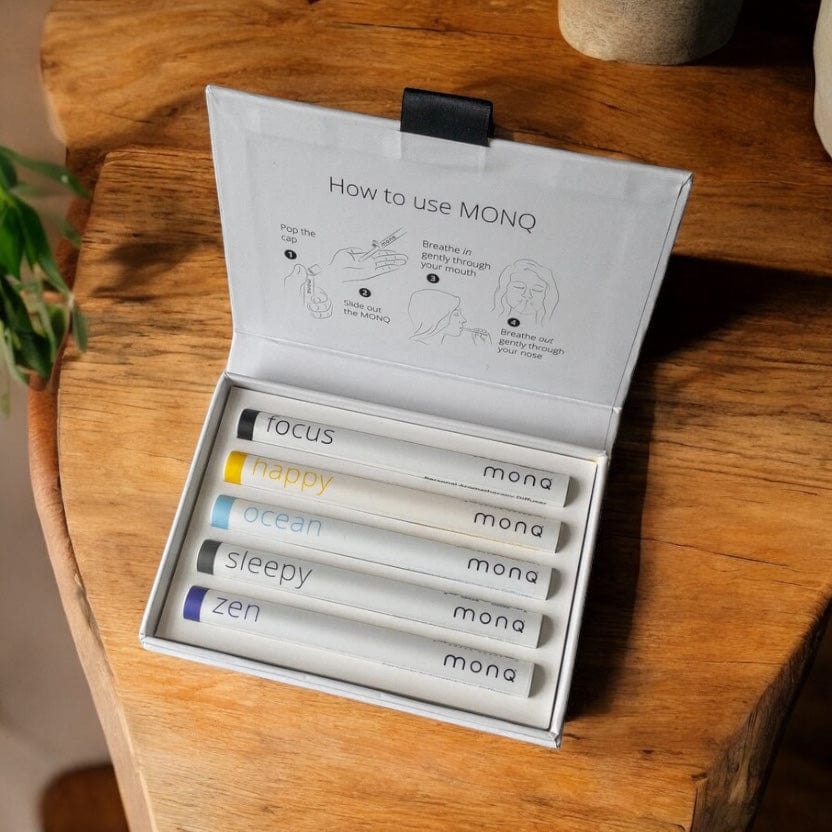
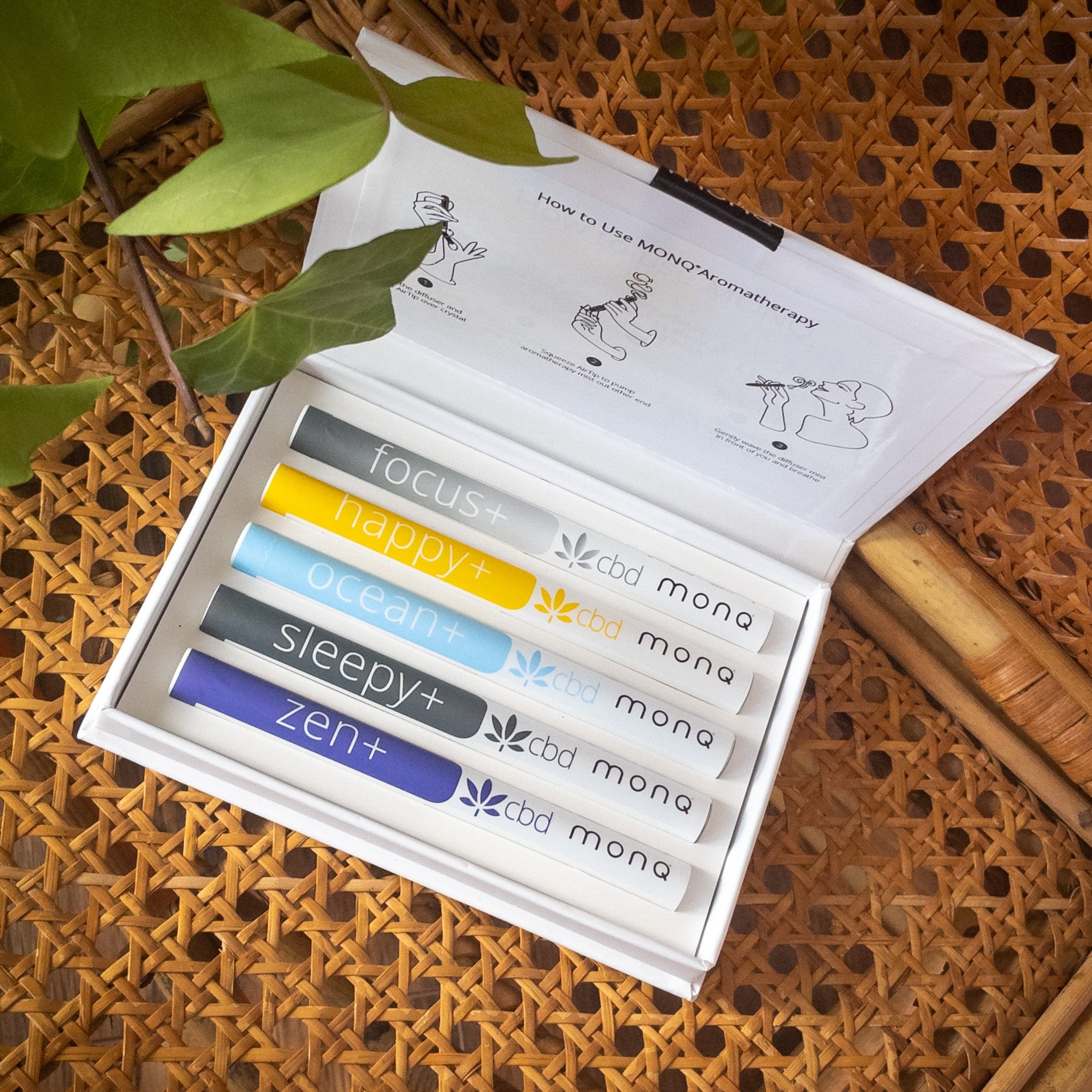
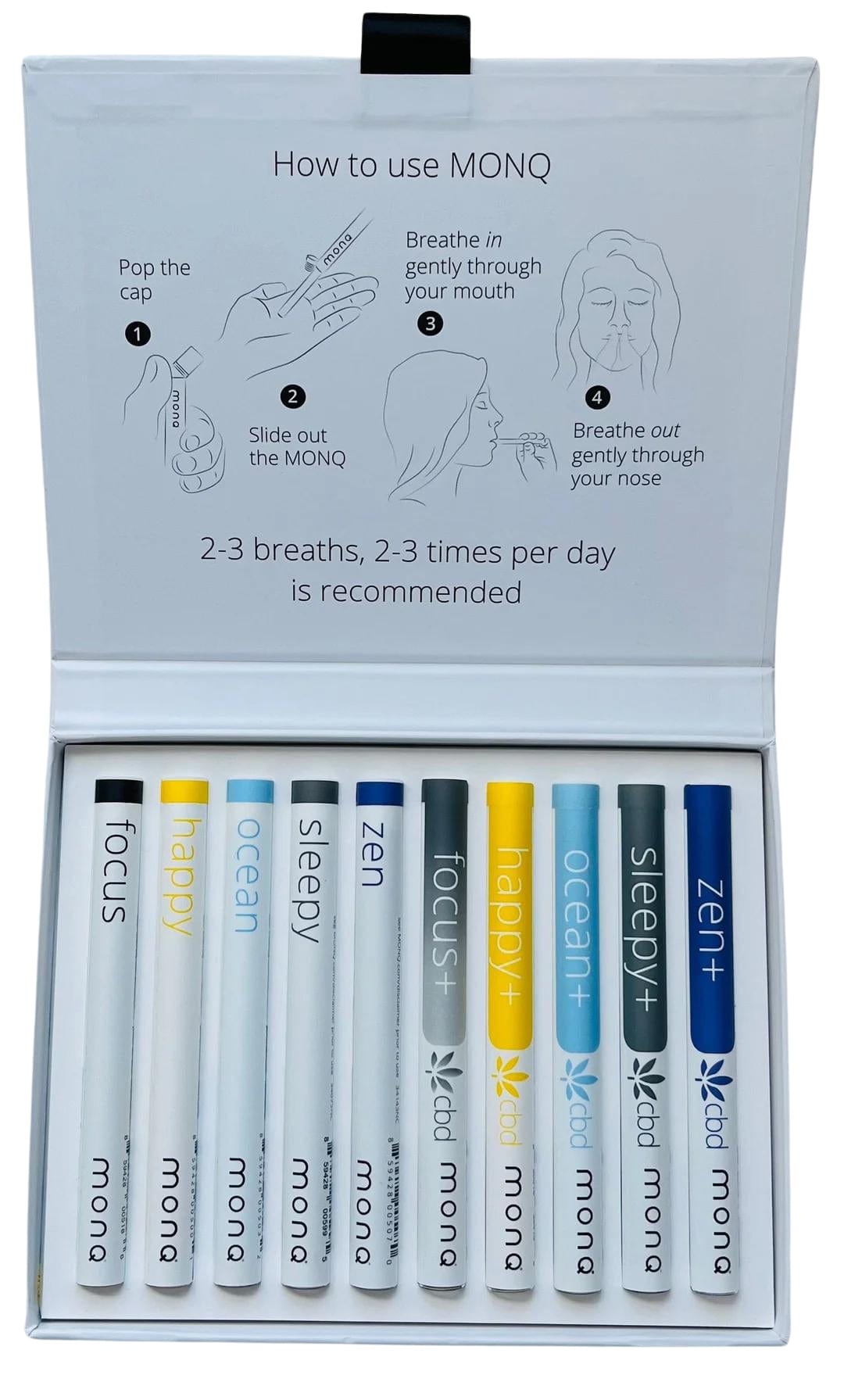
Modern aromatherapy has evolved far beyond ancient incense burners and clay distillation pots. Today, you can carry the aromatic benefits of essential oil blends in your pocket. MONQ personal aromatherapy diffusers are designed to deliver pure essential oil blends in a single intentional breath, no setup or equipment required.
Each MONQ blend is crafted around specific botanical combinations:
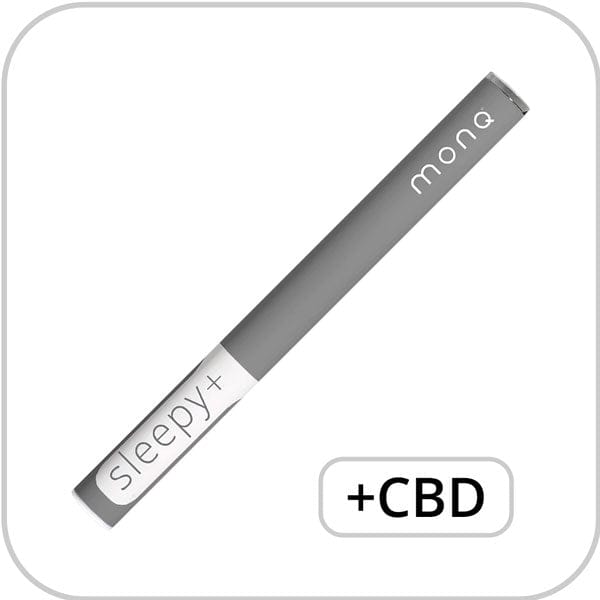
- Sleepy MONQ features lavender, chamomile, and kava for a calming aromatic experience.
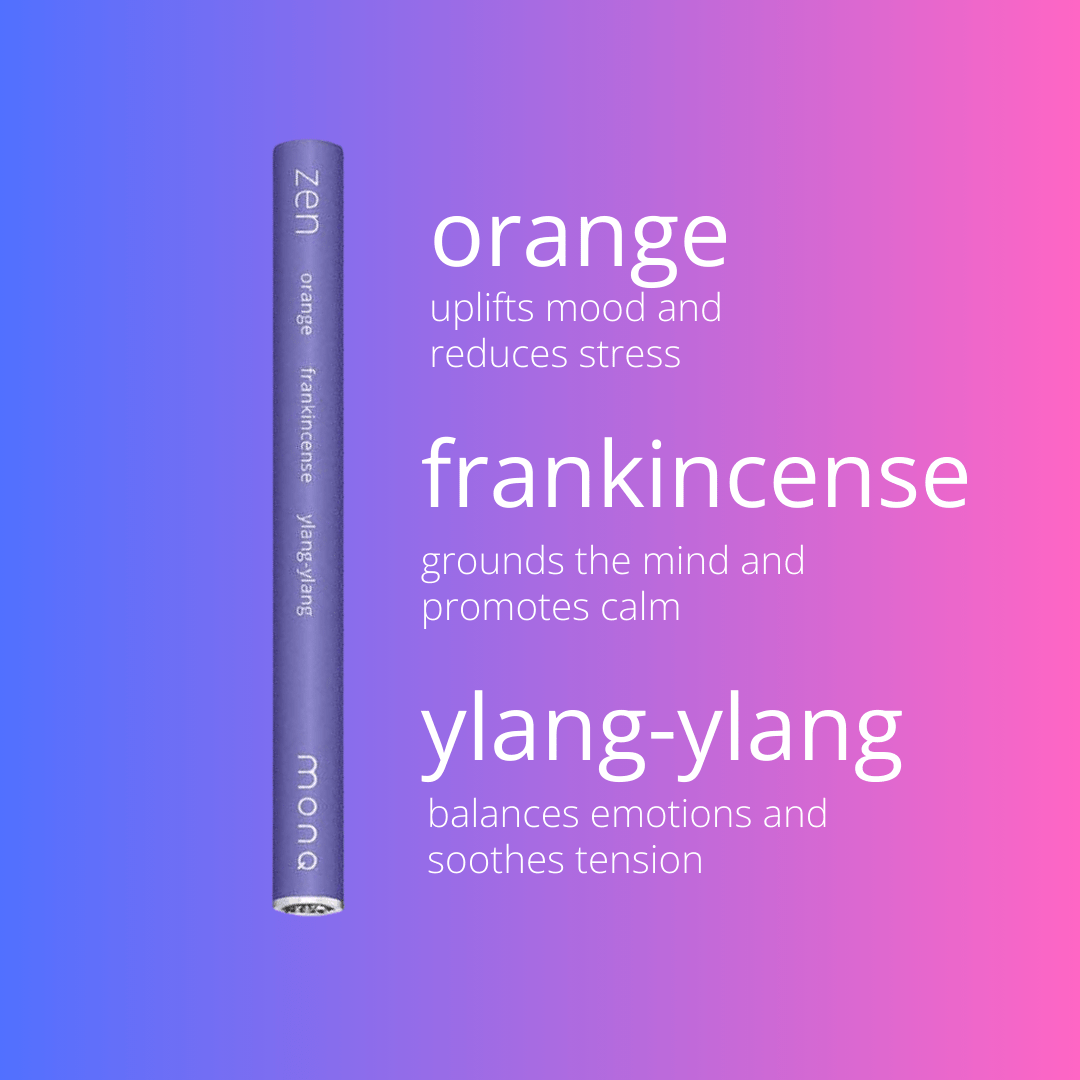
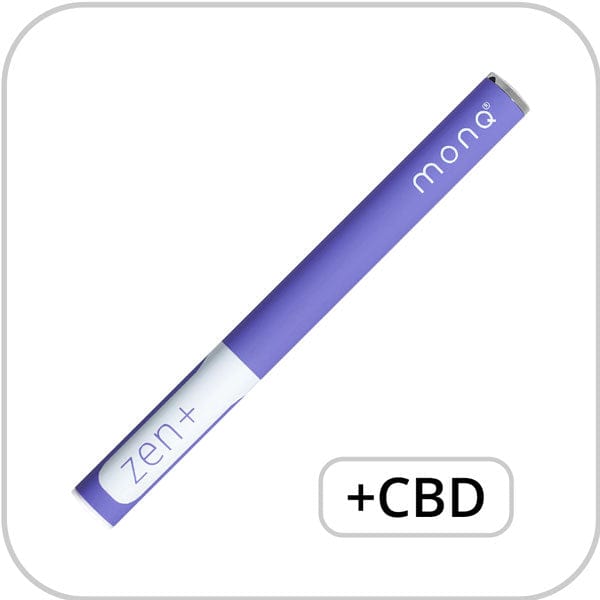
- Zen MONQ includes orange, frankincense, and sandalwood for a grounding aromatic blend.
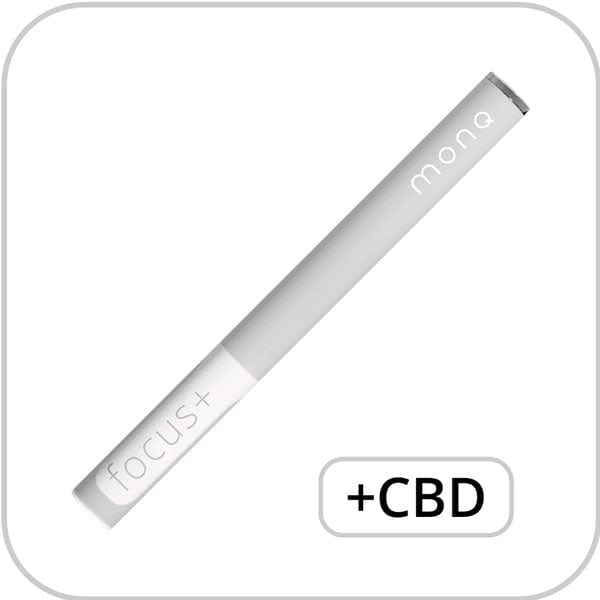
- Focus MONQ combines coffee, peppermint, and choline for an invigorating aromatic experience.
- Fresh MONQ features lime, orange, and grapefruit for a bright, uplifting citrus blend.
- Forest MONQ draws on Douglas fir, frankincense, and sandalwood for a grounding forest-air experience.
The concept of terpene deficiency is central to the MONQ philosophy. Modern indoor environments strip us of the rich terpene exposure our ancestors experienced daily in nature. MONQ is designed to help bridge that gap, one breath at a time.
Explore the full collection of MONQ blends to find the botanical combination that resonates with your wellness routine.
EXPERIENCE ESSENTIAL OILS IN A SINGLE BREATH
MONQ personal aromatherapy diffusers deliver pure essential oil blends in one intentional breath. No diffuser required. No setup. Just botanicals.
Explore MONQ BlendsDisclaimer: The above information is provided for general wellness and educational purposes only. Please note that while individual essential oil ingredients may have been shown to exhibit certain independent effects when used alone, the specific blends of ingredients contained in MONQ diffusers have not been tested. No specific claims are being made that use of any MONQ diffusers will lead to any of the effects discussed above. Additionally, please note that MONQ diffusers have not been reviewed or approved by the U.S. Food and Drug Administration. MONQ diffusers are not intended to be used in the diagnosis, cure, mitigation, prevention, or treatment of any disease or medical condition. If you have a health condition or concern, please consult a physician or your alternative health care provider prior to using MONQ diffusers. MONQ blends should not be inhaled into the lungs. Why? It works better that way. No Nicotine Ever in MONQ Pens. Inhale through the mouth, exhale through the nose. MONQ Diffusers are not intended for individuals under 18, or women who are pregnant or nursing.



Leave a comment