Juniper Leaf Essential Oil Uses Infographic

Juniper Essential Oil: Berries, Needles, and the Scent of Open Sky
Juniper (Juniperus communis) is one of the oldest and most widely distributed aromatic plants in the Northern Hemisphere - a circumpolar conifer shrub or small tree found from the Arctic tundra to the mountains of the Mediterranean, from the forests of North America to the hillsides of the Himalayas. Its berries (technically seed cones) are the defining botanical of gin, one of the most consumed spirits in the world. Its essential oil is a crisp, clean, piney-fresh aromatic with a subtle fruity complexity that makes it one of the most versatile forest aromatics in the aromatherapist's palette.
Berry Oil vs. Leaf and Twig Oil
It is worth understanding that "juniper essential oil" can refer to several distinct products depending on what part of the plant is distilled. Juniper Berry oil - distilled from the ripe or partially ripe seed cones - is rounder and more complex, with a slightly fruity quality alongside the piney-resinous character. Juniper Leaf or Twig oil - distilled from the green needles and young branches - is sharper, more medicinal, more camphor-adjacent in character. Most aromatherapy applications and infographic guides refer to one or the other, and this infographic covers both aspects of the juniper aromatic profile. For botanical details, see the dedicated plant pages for Juniper Berry and Juniper Leaf.
Aroma Profile and Key Compounds
The defining quality of juniper essential oil is its clean, open, piney freshness - a scent that immediately evokes open sky, cool air, and the specific clarity of high-altitude or northern landscapes. It is crisp without being sharp, resinous without being heavy, and has a faint fruity depth (in berry-distilled oil particularly) that keeps it from feeling one-dimensional.
The primary aromatic compound is alpha-pinene - the monoterpene hydrocarbon that is the backbone of virtually all conifer aromatics and responsible for the characteristic "forest-fresh" quality. Alongside it are myrcene (earthy-herbal depth), sabinene (slightly spicy-woody complexity), limonene (a modest citrusy lift), and beta-pinene (additional fresh piney character). Together these monoterpenes create an oil that is predominantly fresh and clarifying in aromatic character.
Traditional Uses: Purification, Protection, and Gin
Juniper smoke has been used as a purifying and protective aromatic across virtually every culture within its native range - a remarkable convergence of practice across traditions that had no contact with each other. Ancient Greeks and Romans burned juniper in temples and sickrooms. Medieval European healers burned juniper branches during plague outbreaks as a fumigant. Celtic and Germanic folk traditions associated juniper with protection against malevolent spirits and illness. Indigenous peoples across North America burned various juniper species in purification ceremonies and sweat lodges.
The word "gin" derives from the Dutch/French word for juniper (genever/genievre), and juniper berry is the legally mandated defining botanical of gin. Dutch physicians in the 17th century originally marketed a juniper-flavored grain spirit as a medicinal product for digestive and kidney support. British soldiers discovered it during the Thirty Years' War, brought it home, and created a demand that ultimately gave the world one of its most enduring spirit categories.
Aromatherapy Applications
In contemporary aromatherapy, juniper is most consistently associated with the concept of clearing and renewal. Its clean, bracing quality creates an aromatic sense of freshness and openness - the equivalent of throwing open windows in a closed room. It is used in space-clearing practices, in blends designed to mark new beginnings or transitions, and in diffuser preparations for home environments that need a reset. It pairs beautifully with cedarwood (which grounds juniper's brightness), bergamot (which adds citrusy uplift), cypress (which deepens the conifer forest character), and lavender (which softens the piney edge).
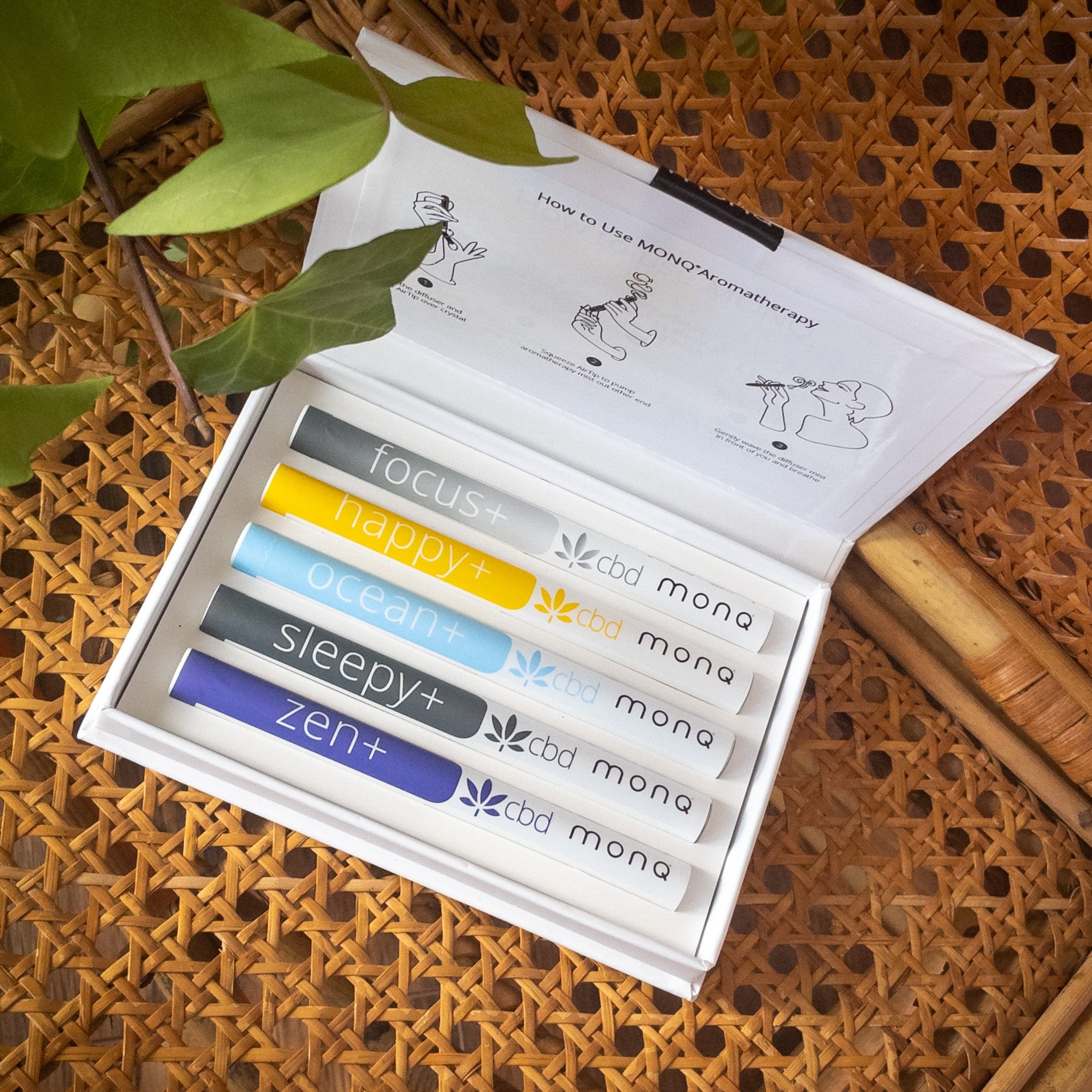
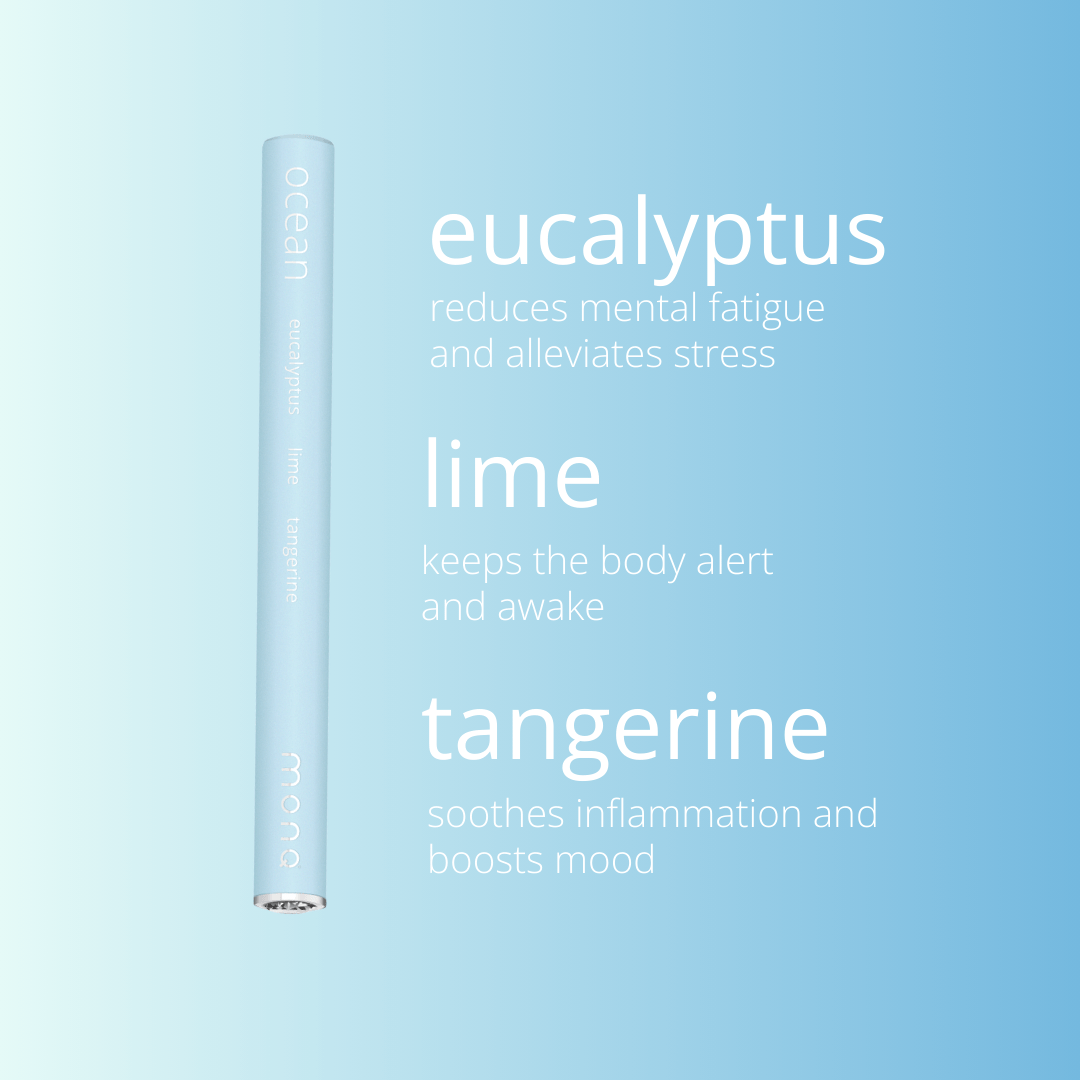
In MONQ blends, juniper contributes its clean, crisp top note to Forest MONQ and Ocean MONQ - both blends where its open, fresh quality is essential to the overall aromatic character.
Explore More
Disclaimer: The above information is provided for general wellness and educational purposes only. Please note that while individual essential oil ingredients may have been shown to exhibit certain independent effects when used alone, the specific blends of ingredients contained in MONQ diffusers have not been tested. No specific claims are being made that use of any MONQ diffusers will lead to any of the effects discussed above. Additionally, please note that MONQ diffusers have not been reviewed or approved by the U.S. Food and Drug Administration. MONQ diffusers are not intended to be used in the diagnosis, cure, mitigation, prevention, or treatment of any disease or medical condition. If you have a health condition or concern, please consult a physician or your alternative health care provider prior to using MONQ diffusers. MONQ blends should not be inhaled into the lungs. Why? It works better that way. No Nicotine Ever. Inhale through the mouth, exhale through the nose. MONQ Diffusers are not intended for individuals under 18, or women who are pregnant or nursing.