Elemicin Terpene Uses

What Is Elemicin?
Elemicin is a naturally occurring phenylpropanoid compound found primarily in the essential oils of several botanicals, most notably nutmeg (Myristica fragrans), elemi (Canarium luzonicum), and certain varieties of basil. It belongs to a family of aromatic compounds called allylbenzenes, closely related in molecular structure to other well-studied botanical constituents. Elemicin has been present in human aromatic and culinary traditions for centuries, largely through spices and resins that contained it as a minor but characterful component.
Historically, elemi resin - from which elemicin takes its name - was used in ancient Egyptian embalming preparations and as a fragrant component in Mediterranean incense traditions. Nutmeg, one of the richest sources of elemicin, was among the most prized spices of the medieval spice trade, valued not only for flavor but for its aromatic and wellness properties across Ayurvedic, Chinese, and European herbal traditions. The compound's warm, slightly spicy, and softly woody scent character reflects the botanical richness of these deep roots.
Today, elemicin is recognized in modern aromatherapy as one of the subtle terpenic constituents that contributes depth and complexity to essential oil blends. It is found in trace-to-moderate amounts in several oils used in professional botanical formulations, where it helps round out blends that might otherwise feel too sharp or one-dimensional.
The Science Behind Elemicin
As a phenylpropanoid, elemicin interacts with the olfactory system through its distinctive molecular shape, which allows it to bind to specific scent receptor proteins in the nasal epithelium. These receptors transmit signals to the olfactory bulb and from there to the limbic system, particularly the amygdala - the part of the brain most involved in emotional response and stress regulation. The warm, gently spiced character of elemicin-containing oils tends to be associated with grounding and settling effects on mood, qualities that have made nutmeg and elemi-derived fragrances staples in calming and centering aromatic traditions worldwide.
Elemicin is also notable for its role as a synergist in complex botanical blends. It interacts with other terpenes and phenylpropanoids to create aromatic profiles that are more nuanced than any single molecule could produce alone. This synergistic behavior is part of what makes full-spectrum essential oils - those containing a broad range of naturally occurring constituents - more aromatically complex and experientially rich than single-isolate fragrances.
How MONQ Uses Elemicin
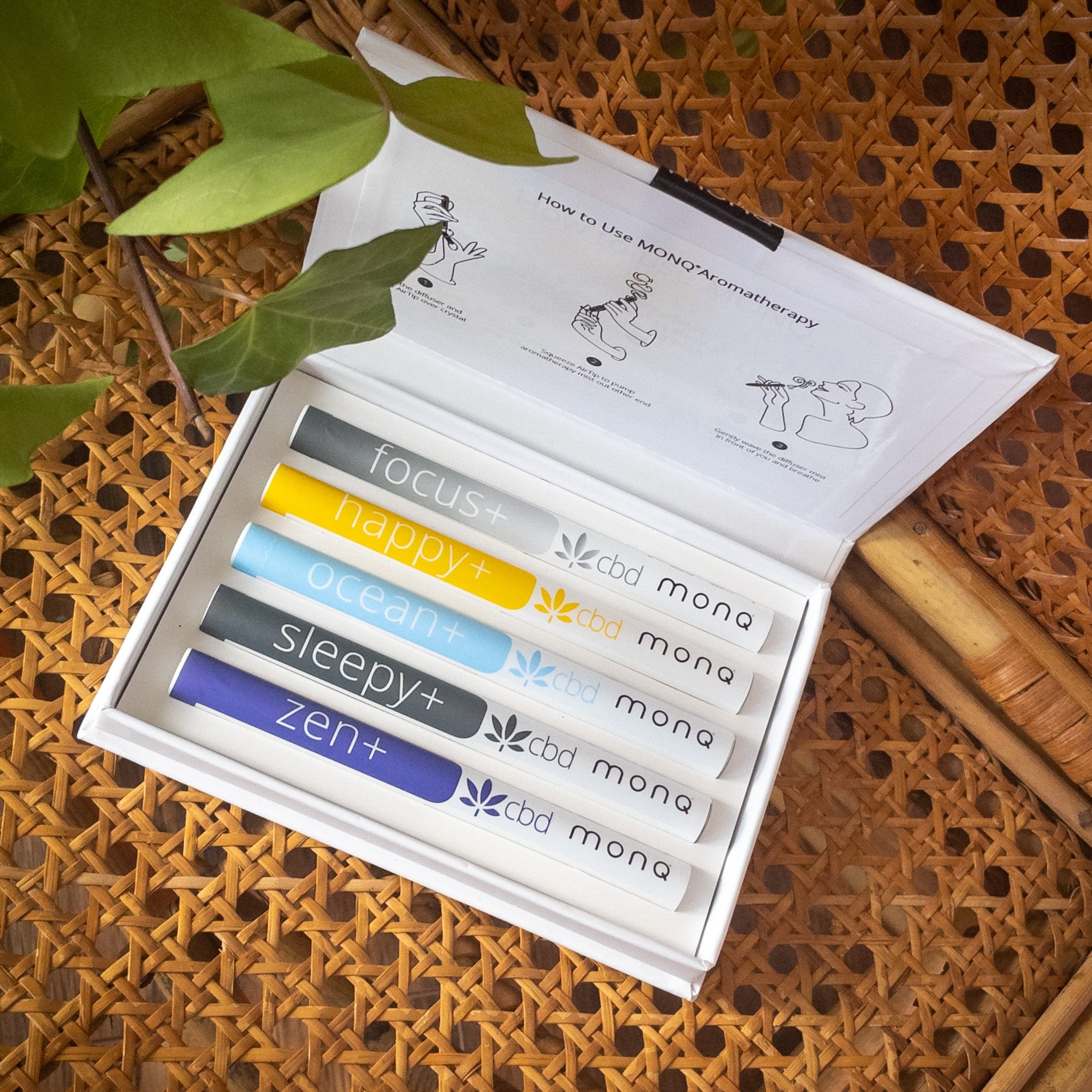
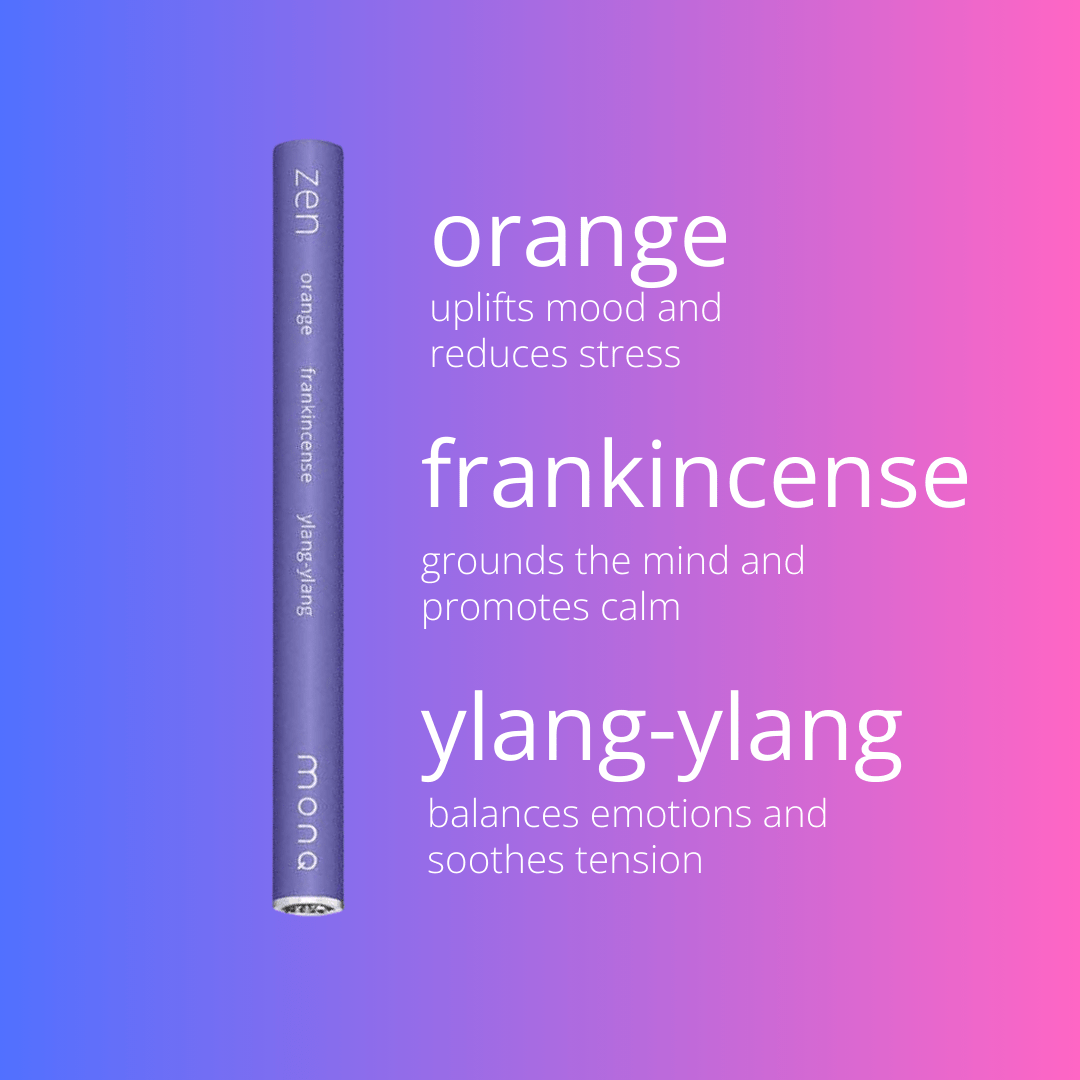
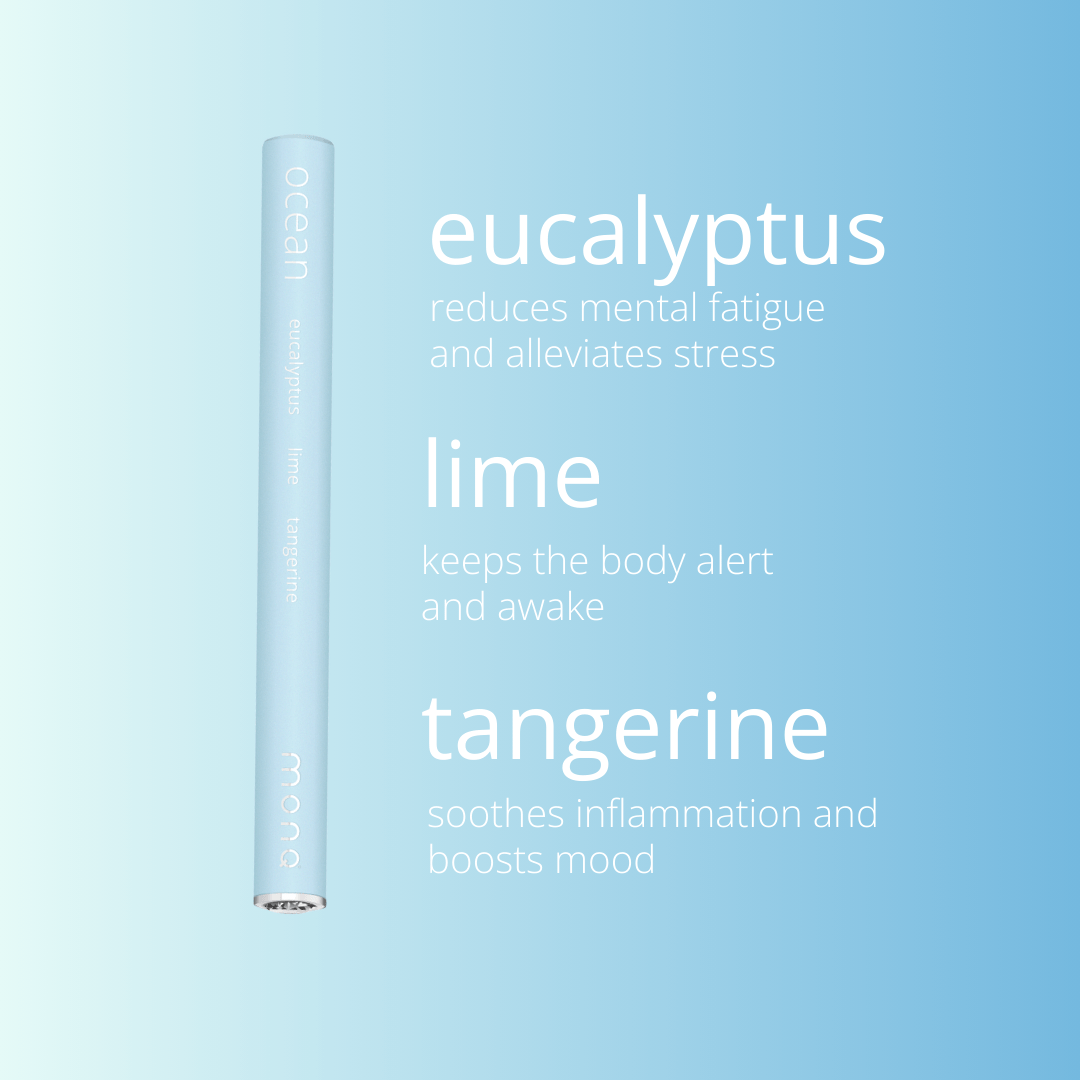
Elemicin reaches MONQ blends naturally as a constituent of nutmeg and related spice-derived essential oils used in MONQ's botanical formulations. Rather than being isolated or added separately, elemicin contributes its warm depth as part of the full botanical profile of the oils it inhabits - the same way it has functioned in traditional aromatic practices for centuries. In MONQ blends where warmth, grounding, or spiced complexity are desirable qualities, elemicin plays a supporting role that enriches the overall aromatic experience.
When you exhale through your nose after drawing MONQ's aromatic mist through your mouth, elemicin-bearing molecules travel the nasal passage and engage the olfactory receptors that connect directly to your brain's emotional centers. The result is a subtle but real contribution to the settling, centering qualities that make MONQ a useful tool for moments when you want to anchor your awareness and create a breath of intentional calm.
Explore More
Disclaimer: The above information is provided for general wellness and educational purposes only. Please note that while individual essential oil ingredients may have been shown to exhibit certain independent effects when used alone, the specific blends of ingredients contained in MONQ diffusers have not been tested. No specific claims are being made that use of any MONQ diffusers will lead to any of the effects discussed above. Additionally, please note that MONQ diffusers have not been reviewed or approved by the U.S. Food and Drug Administration. MONQ diffusers are not intended to be used in the diagnosis, cure, mitigation, prevention, or treatment of any disease or medical condition. If you have a health condition or concern, please consult a physician or your alternative health care provider prior to using MONQ diffusers. MONQ blends should not be inhaled into the lungs. Why? It works better that way. No Nicotine Ever. Inhale through the mouth, exhale through the nose. MONQ Diffusers are not intended for individuals under 18, or women who are pregnant or nursing.