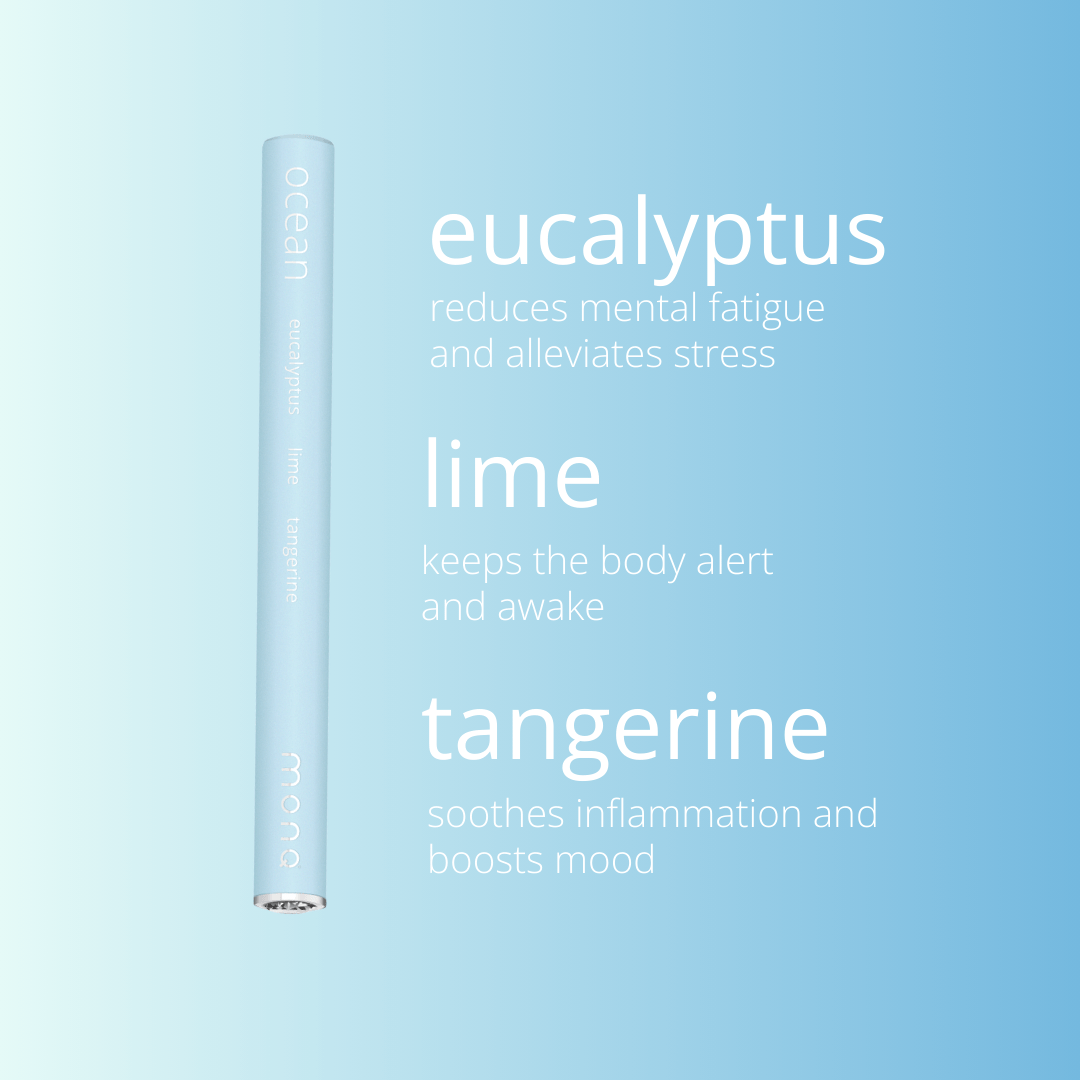
Grapefruit Essential Oil Infographic

Grapefruit Essential Oil: A Complete Guide
Among the most vibrant and uplifting essences in the world of aromatherapy, grapefruit essential oil occupies a special place. Its bright, tangy aroma can shift a room's atmosphere in seconds - cutting through heaviness and replacing it with a sense of lightness and clarity. But beyond its pleasant scent, grapefruit essential oil carries a rich botanical story, a fascinating extraction process, and a long history of use in wellness traditions around the world.
Botanical Origin and History
Grapefruit (Citrus paradisi) is a subtropical citrus fruit believed to have originated in Barbados in the 18th century as a natural hybrid between the pomelo (Citrus maxima) and the sweet orange (Citrus sinensis). The first documented reference to the grapefruit dates to 1750 by Griffith Hughes, who called it the "forbidden fruit" of Barbados. By the 19th century, it had spread throughout the Caribbean, Florida, and eventually across the globe as a prized culinary and commercial fruit.
Indigenous Caribbean and West Indian communities were among the first to appreciate the aromatic properties of the grapefruit's peel, using it in local preparations and as a natural fragrance. As trade routes expanded in the 1800s and 1900s, grapefruit made its way into European perfumery and eventually into modern aromatherapy practice.
Extraction Method
Unlike many essential oils extracted through steam distillation, grapefruit essential oil is typically obtained through cold pressing - also called cold expression or mechanical pressing. The outer peel of the grapefruit contains tiny oil glands (flavedo cells) packed with aromatic compounds. During cold pressing, the rind is mechanically punctured and pressed, releasing the essential oil without the use of heat. This process helps preserve the delicate, volatile top notes that give grapefruit oil its characteristic freshness.
It takes a significant quantity of fruit peel to yield a small amount of essential oil, which is part of why quality cold-pressed citrus oils are valued for their brightness and complexity. The resulting oil is typically pale yellow to light greenish in color, with a watery viscosity.
Scent Profile
Grapefruit essential oil has a bright, citrusy, and slightly bitter aroma with sweet undertones. Perfumers classify it primarily as a top note - meaning it is one of the first scents perceived in a blend and tends to be more volatile, fading faster than heart or base notes. Despite this, its impact is immediate and memorable. The scent profile is often described as:
- Fresh and sparkling, with high citrus brightness
- Slightly tart and tangy, reminiscent of fresh-squeezed juice
- Lightly sweet, with floral undertones in quality extracts
- Clean and clarifying, with a mild green-herbal note in the dry-down
It blends beautifully with bergamot, peppermint, lavender, rosemary, geranium, and cedarwood - which is why it appears in so many aromatherapy formulations designed for uplift and mental clarity.
Key Compounds and Chemistry
The aromatic character of grapefruit essential oil comes primarily from its rich terpene content. The major constituents include:
- Limonene (up to 90%): The dominant compound in grapefruit oil, limonene is a cyclic monoterpene that gives citrus fruits their characteristic scent. It is widely studied for its aromatic and sensory properties.
- Myrcene: A monoterpene also found in hops, lemongrass, and thyme, myrcene contributes earthy, slightly herbal undertones to the oil's profile.
- Alpha-pinene and Beta-pinene: These pine-family terpenes add a crisp, clean quality and appear in many fresh-scented botanicals.
- Sabinene: A bicyclic monoterpene with a woody, spicy quality that adds depth to the oil's aroma.
- Linalool: A floral-scented alcohol found in lavender and many other botanicals, present in trace amounts in grapefruit oil and contributing to its softer undertones.
- Nootkatone: A sesquiterpene ketone responsible for grapefruit's distinctive bitter-sweet character; even in tiny concentrations, it profoundly shapes the scent profile.
This complex terpene matrix is what makes grapefruit essential oil more nuanced than a simple "citrus" descriptor suggests. Each compound interacts with the human olfactory system in distinct ways, collectively creating the vibrant sensory experience we associate with grapefruit.
Aromatherapy Uses and Olfactory Benefits
In aromatherapy, grapefruit essential oil is most commonly used for its uplifting and energizing qualities. The olfactory system - the sensory pathway through which we detect scent - connects directly to the limbic brain, the area governing emotion, memory, and autonomic responses. When we inhale an aromatic mist containing grapefruit oil, the scent molecules interact with olfactory receptors, which send signals along the olfactory nerve to the limbic system. This pathway is why certain scents can shift mood almost instantaneously.
Grapefruit essential oil has been used traditionally in aromatherapy to:
- Support a sense of mental alertness and clarity
- Promote a positive, uplifted emotional state
- Complement focus-oriented rituals and morning routines
- Provide a refreshing counterpoint to heavier, woodier aromatherapy blends
- Add brightness to personal diffuser blends
Historical and Cultural Uses
Grapefruit as a plant species is relatively young compared to ancient botanicals like frankincense or sandalwood, but its parent plants - pomelo and sweet orange - have been used in traditional medicine and ceremony for thousands of years across Asia, the Middle East, and the Mediterranean. In traditional Chinese practice, citrus peel preparations have long been incorporated into wellness protocols. In Ayurvedic tradition, citrus aromatics are associated with energizing, clarifying qualities - consistent with the pitta-balancing properties described in classical texts.
In the 20th century, grapefruit essential oil became a staple in modern Western aromatherapy as the field formalized. French aromatherapy pioneers included citrus oils in their formulations for mood support, and by the late 20th century grapefruit oil had become one of the most widely used aromatherapy essences globally.
MONQ and Citrus Aromatherapy
MONQ incorporates carefully selected botanical essences - including citrus-family compounds - into personal aromatherapy diffusers designed for intentional daily use. The MONQ method: inhale through the mouth, exhale through the nose, and let the aromatic mist engage your senses without ever entering the lungs. This breath-based ritual creates a mindful pause that amplifies the aromatic experience.
If you're drawn to bright, clarifying scents, explore the Happy MONQ or Focus MONQ blends, both designed to support an uplifted, clear-headed state through thoughtfully curated aromatherapy formulations.
For a deeper look at how MONQ approaches ingredient selection and essential oil sourcing, visit our Essential Oil Ingredients page.
Disclaimer: The above information is provided for general wellness and educational purposes only. Please note that while individual essential oil ingredients may have been shown to exhibit certain independent effects when used alone, the specific blends of ingredients contained in MONQ diffusers have not been tested. No specific claims are being made that use of any MONQ diffusers will lead to any of the effects discussed above. Additionally, please note that MONQ diffusers have not been reviewed or approved by the U.S. Food and Drug Administration. MONQ diffusers are not intended to be used in the diagnosis, cure, mitigation, prevention, or treatment of any disease or medical condition. If you have a health condition or concern, please consult a physician or your alternative health care provider prior to using MONQ diffusers. MONQ blends should not be inhaled into the lungs. Why? It works better that way. No Nicotine Ever. Inhale through the mouth, exhale through the nose. MONQ Diffusers are not intended for individuals under 18, or women who are pregnant or nursing.