Cornmint Essential Oil Uses

Cornmint Essential Oil: A Complete Guide
Cornmint essential oil is one of the lesser-known but highly valued members of the mint family in aromatherapy. Crisp, cool, and intensely mentholated, it carries a scent profile that is both invigorating and deeply familiar - yet it has a distinct character all its own, separate from the peppermint most people know. Understanding cornmint means exploring its unique botanical identity, its extraction story, the chemistry behind its cooling sensation, and its many applications in aromatherapy and traditional wellness practices.
What Is Cornmint?
Cornmint (Mentha arvensis) is a perennial herb belonging to the Lamiaceae (mint) family. Also known as field mint, wild mint, or Japanese mint, it grows naturally across Europe, Asia, and North America, thriving in moist soils near rivers, streams, and open fields. It is one of the most widely cultivated mint species in the world, grown primarily in India, China, and Brazil for its high menthol yield.
The plant typically grows 10 to 60 centimeters tall, with ovate, serrated leaves and small lilac or white flowers. When the leaves are crushed or bruised, they release an immediately recognizable blast of cool, minty aroma - a testament to the high concentration of aromatic compounds housed in its glandular trichomes.
How Cornmint Differs from Peppermint
Many people encounter cornmint without realizing it is not the same as peppermint (Mentha piperita). While both plants belong to the mint family and share a dominant menthol character, they are distinct species with meaningfully different profiles:
- Menthol content: Cornmint essential oil typically contains 70-90% menthol, making it one of the highest natural sources of this compound. Peppermint oil usually contains 35-55% menthol.
- Scent nuance: Cornmint has a sharper, more piercing coolness with a slightly green, herbaceous undertone. Peppermint is generally considered rounder, slightly sweeter, and more balanced due to the presence of menthone and menthyl acetate.
- Commercial use: Because of its exceptionally high menthol yield, cornmint is the primary commercial source of natural menthol used in confectionery, pharmaceuticals, personal care products, and aromatherapy.
- Origin: Peppermint is itself a hybrid of spearmint and watermint, developed in England in the 17th century. Cornmint has a much older history of indigenous use in Asia.
Extraction Method
Cornmint essential oil is extracted through steam distillation of the flowering plant's above-ground parts - primarily the leaves and stems. In large-scale production, the harvested plant material is packed into distillation chambers, and steam is passed through it. The steam carries the volatile aromatic compounds upward into a condensing coil, where they cool and separate. The essential oil floats atop the resulting hydrosol (aromatic water) and is collected.
In the production of natural menthol crystals, the freshly distilled cornmint oil is chilled, causing the menthol to crystallize and precipitate out. The remaining oil (called dementholized cornmint oil, or DMCO) has a slightly different aromatic profile and is used separately. This dementholization process is central to the global menthol supply chain.
Key Compounds and Chemistry
The dominant aromatic and sensory properties of cornmint essential oil are driven by its chemical constituents:
- Menthol (70-90%): The defining compound of cornmint oil, menthol is a cyclic terpene alcohol responsible for the cooling sensation it produces. It activates TRPM8 receptors in the skin and mucous membranes - the same receptors that detect cold temperatures - creating the characteristic cool sensation without any actual temperature change.
- Menthone (5-15%): A ketone that contributes a slightly minty, somewhat camphoraceous note, adding depth to the overall aroma.
- Isomenthone: An isomer of menthone with a softer, minty-earthy character.
- Neomenthol: A minor alcohol contributing further nuance to the overall scent.
- Menthyl acetate: Present in small quantities, this ester softens the sharp menthol edge with a slightly fruity, sweet quality.
- Limonene and Beta-pinene: Present as minor components, these terpenes add freshness and a subtle citrus-pine brightness.
The Cooling Sensation: How It Works
The cooling effect of cornmint and menthol is one of the most studied sensory mechanisms in aromatherapy and neuroscience. Menthol binds to TRPM8 ion channels - thermosensory receptors found in peripheral nerve endings throughout the skin, mouth, and nasal passages. When activated, these receptors trigger a sensation of coolness even at normal temperatures. This is why a breath of cornmint-infused air can feel refreshing and expansive even without any actual temperature drop.
This neurological interaction is part of why cornmint and menthol are so commonly found in preparations designed to support a sense of clear, open breathing and mental alertness. The sensory experience of coolness has well-documented psychological associations with clarity, spaciousness, and invigoration.
Traditional Uses and History
Cornmint's history of use is deeply rooted in Asian traditional medicine. In India, Mentha arvensis has been used in Ayurvedic practice for centuries, referenced in classical texts for its ability to support digestive comfort, clear the senses, and promote a refreshed feeling. Traditional Japanese medicine also made use of the plant, and Japan became a major producer of cornmint and natural menthol from the 19th century onward.
In Chinese traditional medicine, field mint preparations have been used for their cooling, clarifying qualities. In folk medicine traditions across Europe, wild mint species including cornmint were applied topically, infused as teas, and used in aromatic preparations for their refreshing sensory properties.
Aromatherapy Applications
In contemporary aromatherapy, cornmint essential oil is valued for its ability to:
- Provide an intense cooling, clarifying aromatic experience
- Support mental alertness and focus during demanding tasks
- Complement breathwork and mindfulness practices with its expansive, cool character
- Add vigor and clarity to morning or midday aromatic rituals
- Blend with eucalyptus, rosemary, and lavender for refreshing aromatic compositions
Due to its high menthol concentration, cornmint oil is typically used in small quantities in blends - its intensity means a little goes a long way in shaping the overall aromatic experience.
MONQ and Mint Aromatherapy
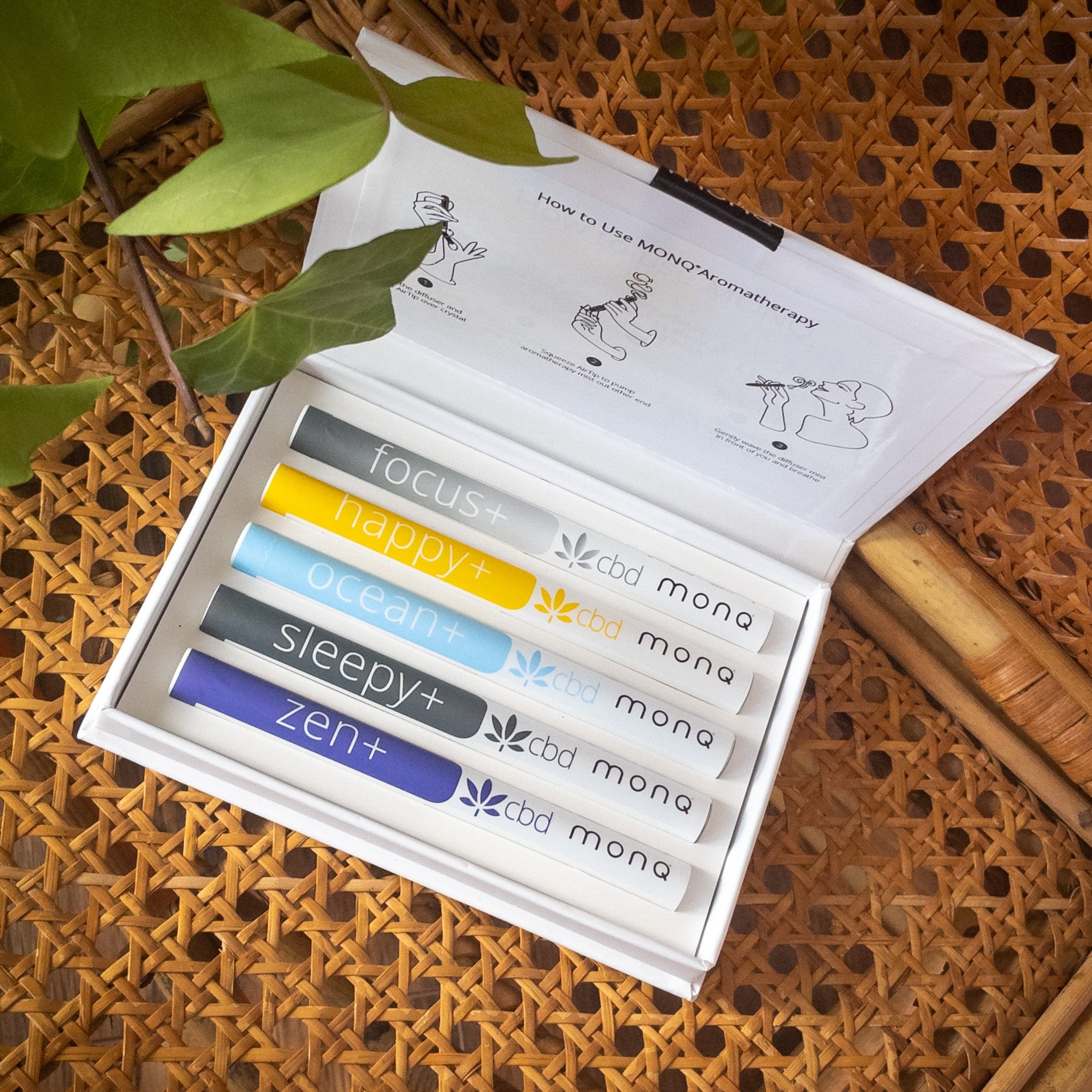
MONQ incorporates carefully selected botanical essences, including members of the mint family, into personal aromatherapy diffusers for intentional daily use. If you're drawn to cool, clarifying scents, the Focus MONQ blend is designed to support a state of mental clarity and attentiveness through a curated aromatherapy formulation. For a broader look at how MONQ approaches each ingredient, visit our Essential Oil Ingredients page.
The MONQ method is simple: inhale through the mouth, exhale through the nose, and let the aromatic mist engage your senses. It is a breath-based ritual designed for mindful moments throughout the day.
Disclaimer: The above information is provided for general wellness and educational purposes only. Please note that while individual essential oil ingredients may have been shown to exhibit certain independent effects when used alone, the specific blends of ingredients contained in MONQ diffusers have not been tested. No specific claims are being made that use of any MONQ diffusers will lead to any of the effects discussed above. Additionally, please note that MONQ diffusers have not been reviewed or approved by the U.S. Food and Drug Administration. MONQ diffusers are not intended to be used in the diagnosis, cure, mitigation, prevention, or treatment of any disease or medical condition. If you have a health condition or concern, please consult a physician or your alternative health care provider prior to using MONQ diffusers. MONQ blends should not be inhaled into the lungs. Why? It works better that way. No Nicotine Ever. Inhale through the mouth, exhale through the nose. MONQ Diffusers are not intended for individuals under 18, or women who are pregnant or nursing.